Jump Straight to What Matters
If you're searching for the diving capital of the Philippines, stop right here. It's Puerto Galera, a town on Mindoro Island that's been drawing divers for decades. I've been diving there for over 10 years, and let me tell you, it's not just hype—the place packs more marine life per square meter than almost anywhere else in the country. But why exactly does it hold the crown? It's a mix of insane biodiversity, easy access from Manila, and a dive infrastructure that caters to everyone from newbies to tech divers. In this guide, I'll break down everything you need to know, from the nitty-gritty of dive sites to travel hacks that most blogs overlook.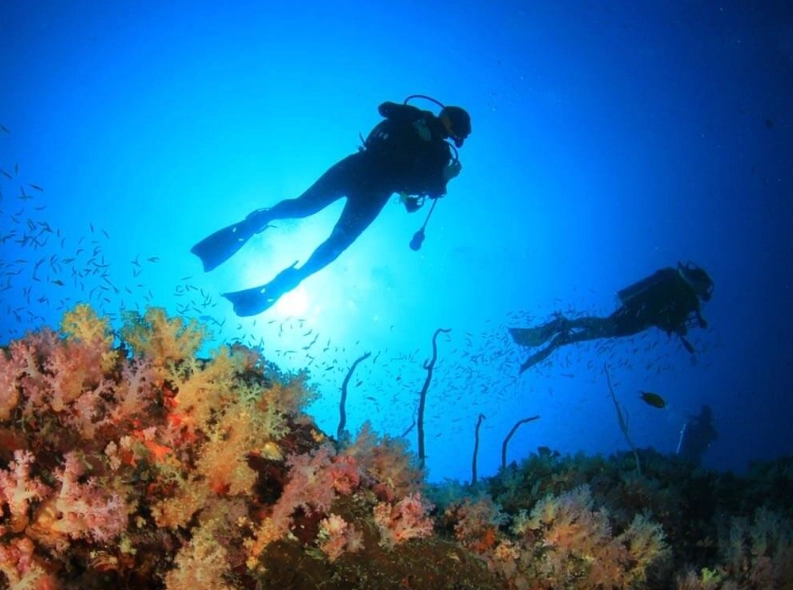
Why Puerto Galera is Called the Diving Capital
First off, the label "diving capital" isn't just marketing fluff. Puerto Galera sits in the Verde Island Passage, a channel recognized by scientists as the center of the center of marine biodiversity. I remember my first dive there—I was stunned by the sheer density of fish. It's like swimming in an aquarium on steroids.
Biodiversity That Blows Your Mind
The numbers speak for themselves. According to the Philippine Department of Tourism, the area hosts over 300 coral species and 1,000 fish species. You'll see everything from tiny nudibranchs to massive schools of jacks. One spot, Verde Island, is often dubbed the "Amazon of the Oceans" by marine biologists. I've dived there in monsoon season, and even with lower visibility, the life is relentless.
Accessibility and Dive Infrastructure
Here's where Puerto Galera shines for practicality. From Manila, it's a 3-4 hour combo of bus and boat ride, costing around $20-$30. Once you're in Sabang Beach (the main dive hub), there are over 50 dive shops and resorts lining the shore. Prices are competitive: a fun dive starts at $25, and open water courses go for $300-$400. The community is tight-knit—everyone knows each other, which means safety standards are generally high, but I'll get to some caveats later.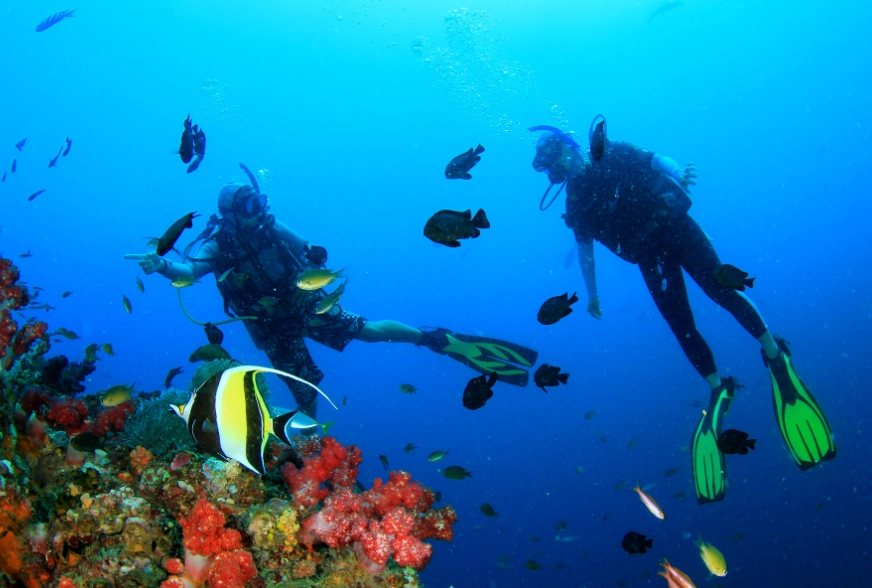
Local Insight: Many divers rush to Puerto Galera and head straight to the famous sites, but the real gem is the house reefs right off Sabang Beach. They're free to snorkel or dive from shore, and I've spotted frogfish and seahorses within 10 meters of the beach. Most tourists miss this because they're too busy booking boat trips.
Top Dive Sites in Puerto Galera: A Curated List
Forget generic top-10 lists. Based on my dives, here are the sites that deliver every time, with specifics on what to expect.
| Site Name | Depth Range | Highlights | Best For | Access Notes |
|---|---|---|---|---|
| Verde Island Drop-off | 10-40 meters | Sharks, turtles, strong currents | Advanced divers | Boat ride: 45 mins from Sabang |
| Sabang Wreck | 5-28 meters | Artificial reef, macro life | Beginners, photography | Shore dive from Sabang Beach |
| Sinandigan Wall | 15-30 meters | Soft corals, reef sharks | All levels | Boat: 15 mins, often crowded |
| Canyons | 18-35 meters | Swim-throughs, big fish action | Experienced divers | Boat: 20 mins, best in morning |
Verde Island is the crown jewel, but it's not for the faint-hearted. Currents can whip up fast—I've seen divers get swept away because they underestimated the surge. Always go with a local guide. Sabang Wreck, on the other hand, is where I take friends new to diving. It's a sunken fishing boat encrusted with life, and you can spend an hour spotting ghost pipefish without moving much.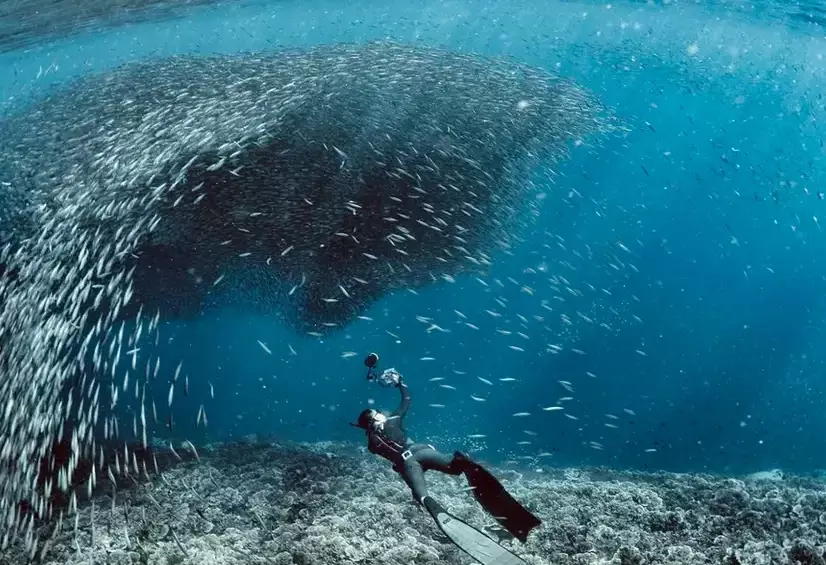
How to Plan Your Diving Trip to Puerto Galera
Planning is key to avoiding headaches. Here's a step-by-step based on my own blunders and successes.
Getting There: Transportation Made Simple
From Manila, head to Batangas Port. Buses run 24/7 from Buendia or Pasay terminals, fare is about $5. At Batangas, catch a ferry to Puerto Galera—operators like Montenegro Lines have schedules every 2 hours from 7 AM to 5 PM. The boat takes 1 hour, costs $10-$15. Pro tip: book online in peak season (December to April), or you might wait hours. Once arrived, tricycles to Sabang cost $2-$3.
Where to Stay and Dive
Sabang Beach is ground zero for divers. Resorts range from budget to luxury. For value, try Atlantis Dive Resort—rooms start at $50/night, and their dive packages include gear rental. If you're on a tight budget, El Galleon Beach Resort has dorm beds for $15, but book early; it fills up fast. I stayed at a cheaper place once and regretted it—the compressor noise kept me up all night. So, read recent reviews.
Best Time to Visit
Dry season (November to May) offers the best visibility, often 20-30 meters. But here's a non-consensus view: I prefer the shoulder months like June or October. Fewer crowds, cheaper rates, and the marine life is just as active. Yes, you might get rain, but the underwater scenes are more dramatic with plankton blooms attracting mantas.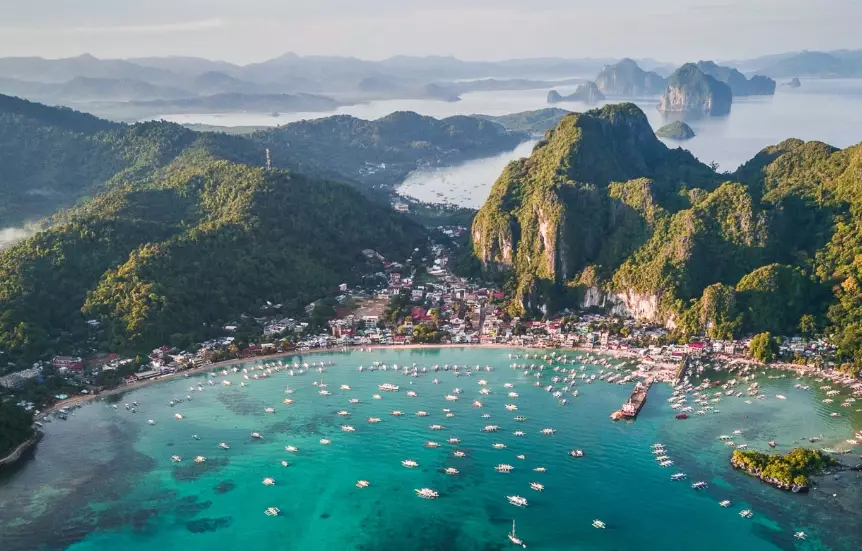
Common Mistakes Divers Make in Puerto Galera (And How to Avoid Them)
After guiding trips here, I've seen the same errors repeatedly. Avoid these to save money and stress.
Mistake 1: Overpacking gear. Most dive shops provide well-maintained equipment included in the dive price. I brought my own regs once, and the hassle of lugging them through transport wasn't worth it. Unless you're tech diving, rent locally.
Mistake 2: Ignoring current forecasts. Sites like Verde Island have tidal currents that change daily. I've seen divers miss the dive because they didn't check with the dive center the night before. Always confirm timings—dives are often scheduled around slack tide.
Mistake 3: Skipping insurance. Medical evacuation from Puerto Galera can cost thousands. Get dive-specific insurance like DAN; it's $50/year and a no-brainer. A friend had a decompression sickness scare, and DAN covered the helicopter ride to Manila.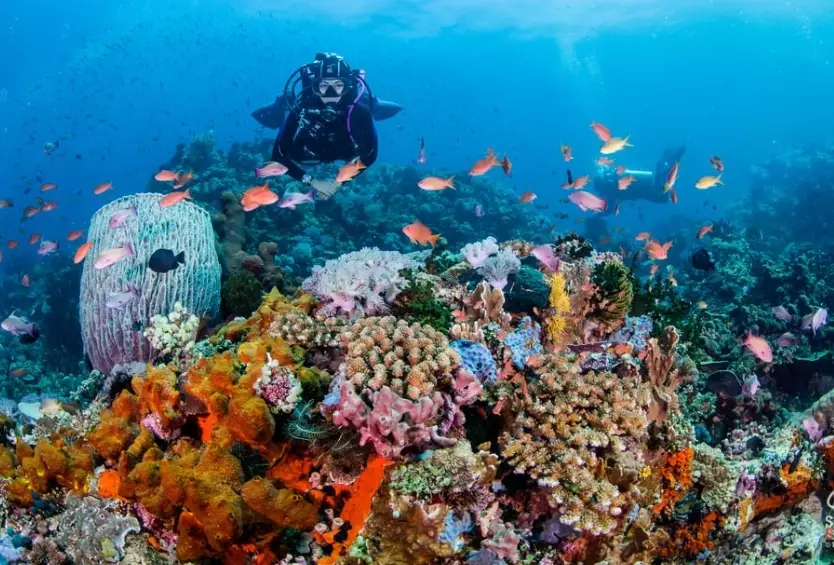
Beyond Diving: What Else to Do in Puerto Galera
Diving is the main draw, but the town has more. White Beach, a 10-minute tricycle ride from Sabang, is great for sunset cocktails—try the grilled squid at Beachfront Cafe (opens 11 AM to 10 PM, meals around $10). For culture, visit the Puerto Galera Museum; entry is $2, and it's open 9 AM to 5 PM. I spent a rainy afternoon there learning about the indigenous Mangyan tribes, and it added depth to the trip.
FAQs About Diving in the Philippines' Diving Capital
Puerto Galera isn't just a title; it's a living, breathing dive destination that evolves with each season. From the frenzy of Sabang Beach to the serenity of Verde Island's depths, it offers something for every diver. Plan smart, dive safe, and you'll see why this place reigns as the Philippines' diving capital. Now, pack your mask and go—the water's waiting.
Your comment