Let's get straight to it. The best months for scuba diving in the Philippines are from November to May, but that's oversimplifying things. If you want crystal-clear visibility, calm seas, and epic marine life encounters, you need to dig deeper. I've been diving here for over a decade, and I've seen folks ruin trips by picking the wrong time. This guide will help you nail it.
Your Dive Trip Cheat Sheet
Understanding the Philippines Diving Seasons
The Philippines has two main seasons: dry and wet. Most divers flock during the dry season, but the wet season has its perks if you know where to go.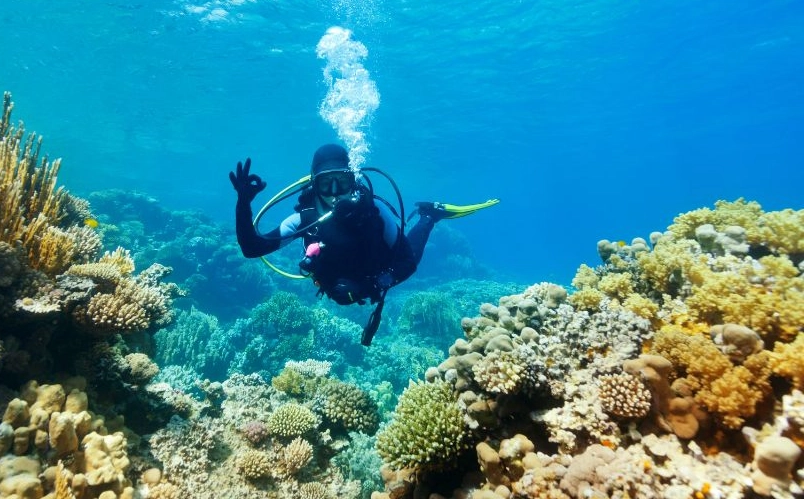
Dry Season (November to May)
This is peak diving time. Skies are clear, winds are mild, and visibility often exceeds 30 meters. From my experience, November to February is cooler and less crowded, while March to May gets hotter but offers incredible pelagic action. The Philippine Atmospheric, Geophysical and Astronomical Services Administration (PAGASA) confirms this pattern, but local microclimates can vary.
Wet Season (June to October)
Monsoon rains hit hard, especially in the west. Visibility drops, and seas get rough. But here's a secret: eastern sites like Surigao and Davao can still be diveable. I once dove in Siargao in September and had the reefs all to myself. You'll deal with more rain, but prices drop, and crowds vanish.
Month-by-Month Diving Conditions
To make it easy, here's a table breaking down each month. This is based on data from dive operators and my own logs.
| Month | Weather | Visibility | Marine Life Highlights | Best For |
|---|---|---|---|---|
| January | Cool, dry | Excellent (30m+) | Whale sharks in Donsol, thresher sharks in Malapascua | Macro photography, shark dives |
| February | Dry, mild | Excellent | Manta rays in Ticao, coral spawning in some areas | Wall diving, drift dives |
| March | Hot, dry | Very Good (25-30m) | Whale shark peak in Donsol, pelagics in Tubbataha | Big animal encounters |
| April | Very hot, dry | Good (20-25m) | Turtle nesting, schooling jacks | Wreck diving, night dives |
| May | Hot, start of rains | Good | Last chance for dry season pelagics | Budget trips, fewer crowds |
| June | Rainy, southwest monsoon | Variable (10-20m) | Less marine traffic, good for macro | Advanced divers, eastern sites |
| July | Wet, stormy | Poor to Fair | Quiet reefs, occasional whale sightings | Storm chasing (for experts only) |
| August | Peak monsoon | Poor | Limited access, some sites closed | Land-based activities, cultural tours |
| September | Rainy, easing | Fair (15-20m) | Recovery period, good for critters | Serious macro enthusiasts |
| October | Transition to dry | Improving | Return of pelagics, clearer waters | Shoulder season deals |
| November | Dry season begins | Very Good | Muck diving in Anilao, whale shark start | All-around diving, good visibility |
| December | Cool, dry | Excellent | Holiday festivities, vibrant reefs | Family trips, festive atmospheres |
Now, let's get into the nitty-gritty. January is fantastic, but it's also peak tourist season. I remember booking a liveaboard in Tubbataha for March and getting skunked by a storm—always check local forecasts. The table gives a snapshot, but conditions can shift. For instance, in El Niño years, the dry season extends, while La Niña brings more rain.
Top Dive Sites and Their Ideal Months
Not all dive sites are created equal. Here's where to go and when.
Tubbataha Reefs Natural Park: This UNESCO World Heritage site is only accessible from mid-March to mid-June. Liveaboards sell out fast, so book a year ahead. Visibility hits 40 meters, and you'll see sharks, rays, and dolphins. I dove there in April once, and the current was brutal but worth it.
Malapascua Island: Famous for thresher sharks, best from November to May. Dawn dives at Monad Shoal are a must. From June to October, operations scale back due to weather.
Anilao, Batangas: A macro paradise year-round, but November to April offers the best visibility. It's close to Manila, so weekend trips are easy. I've found rare nudibranchs there even in September.
Puerto Galera: Protected bays make it diveable almost全年, but the dry season is prime. The Verde Island Passage is called the "Center of the Center of Marine Biodiversity"—according to marine biologists, it's a hotspot. Dive sites like Hole in the Wall are stunning in February.
Coron, Palawan: Wreck diving heaven. Best from December to May when seas are calm. The Japanese wrecks from WWII are eerie and fascinating. In the wet season, visibility drops, but some operators still run trips for experienced divers.
What about lesser-known spots? Try Apo Reef in Mindoro from March to June, or the sardine runs in Moalboal, Cebu, which are great year-round but peak in dry months.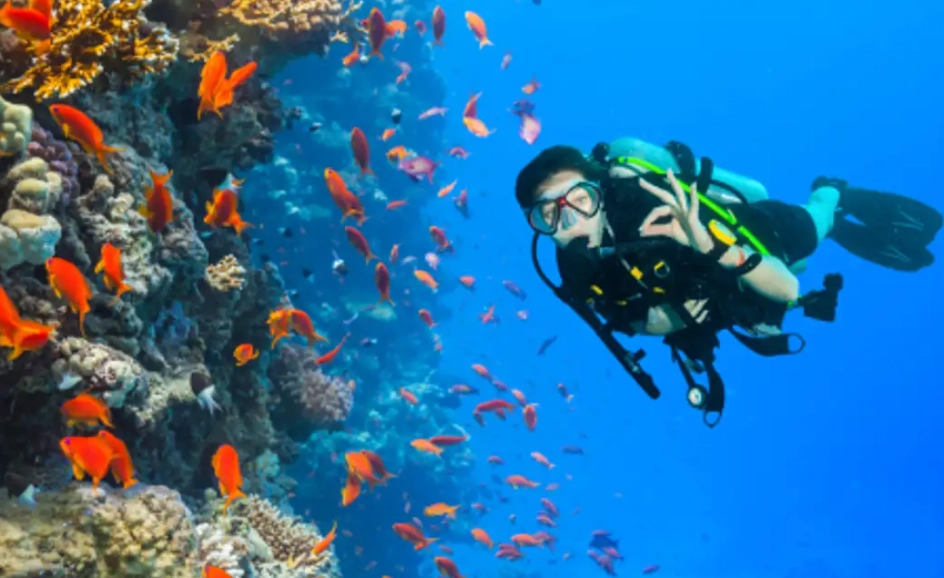
How to Plan Your Dive Trip Like a Pro
Planning isn't just about picking a month. Here's how to avoid pitfalls.
First, decide what you want. Big animals? Go March to May. Macro life? Shoulder months like October or November work. On a budget? Wet season offers discounts, but be ready for cancellations. I once saved 30% on a June trip to Dumaguete, but we had to reschedule twice due to typhoons.
Book flights and accommodations early for dry season. For liveaboards, especially Tubbataha, secure spots 6-12 months in advance. Use local operators—they know the conditions better. Check sites like PADI's dive shop locator for certified centers.
Pack smart. Dry season: sun protection, light gear. Wet season: rain jacket, anti-fog for masks. Always bring a dive computer and SMB. From my experience, renting gear is fine, but bring your own regulator if you're picky.
Consider travel insurance that covers dive trip interruptions. Typhoons can wreak havoc, and I've seen divers lose thousands.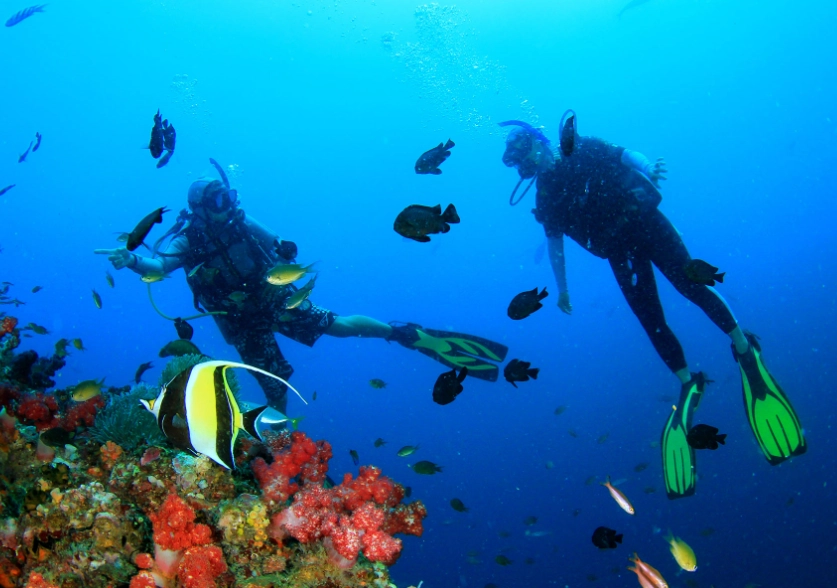
Expert Tips and Common Mistakes to Avoid
After years of diving here, I've seen the same errors.
Mistake #1: Ignoring microclimates. The Philippines has over 7,000 islands. While the west gets monsoon rains, the east might be sunny. Check regional forecasts, not just national ones. For example, in August, head to Siargao or Surigao instead of Palawan.
Mistake #2: Overlooking the shoulder months. April and November are golden. Crowds thin, prices drop, and conditions are still good. I love November in Anilao—visibility is sharp, and resorts aren't packed.
Mistake #3: Not factoring in marine life cycles. Whale sharks in Donsol peak from November to June, but March is the sweet spot. Thresher sharks in Malapascua are year-round, but dry season increases sightings. Research specific species if that's your goal.
Here's a pro tip: Dive early in the day. Morning dives often have better visibility and calmer seas. I've logged hundreds of dives, and afternoons can get choppy, especially in wet season.
Another thing: Respect the environment. Coral bleaching is a issue in hotter months. Choose operators committed to sustainable diving, like those endorsed by the Philippine Commission on Sports Scuba Diving. Avoid touching marine life—I've seen divers chase turtles, and it's not cool.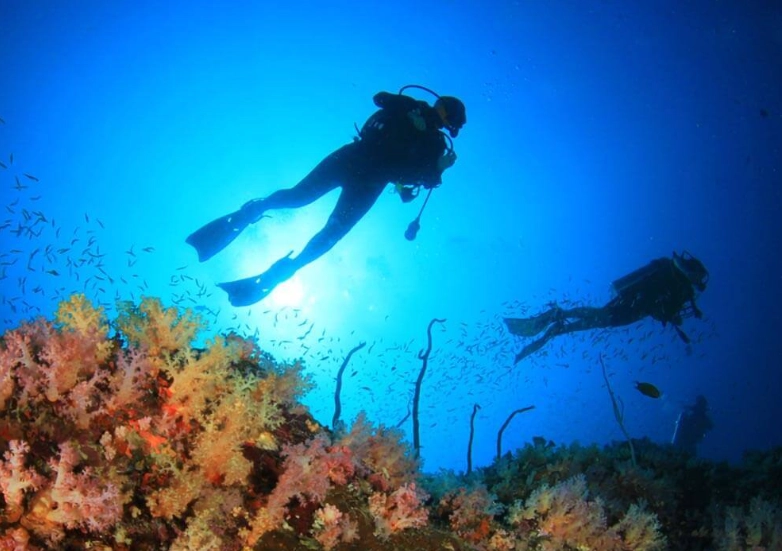
Frequently Asked Questions (FAQ)
Final thought: The best month depends on your priorities. If you want perfect weather, shoot for January to March. For adventure and savings, try the wet season edges. Whatever you choose, the Philippines' underwater world is worth it. Dive safe, respect the ocean, and enjoy the ride.
Your comment