You've decided to learn to scuba dive, and you've picked the Philippines—excellent choice. With over 7,000 islands, it's a diver's paradise. But here's the thing new divers often miss: picking the right month is more important than picking the right dive shop. Go during rough seas or peak monsoon, and your dream trip turns into a choppy, zero-visibility ordeal that might put you off diving forever.
Based on over a decade of guiding beginners here, I can tell you the sweet spot. For most first-timers, the absolute best window is from late February to early June. This period, especially March, April, and May, offers the most reliable combination of calm seas, sunny skies, and warm, clear water. It's not just about avoiding rain; it's about guaranteeing those gentle, pool-like conditions you need to build confidence underwater.
Your Quick Dive Trip Planner
Understanding Philippines Weather for Divers
Forget general travel weather. Divers care about three things: wind, waves, and underwater visibility. The Philippines has two main seasons that dictate these factors.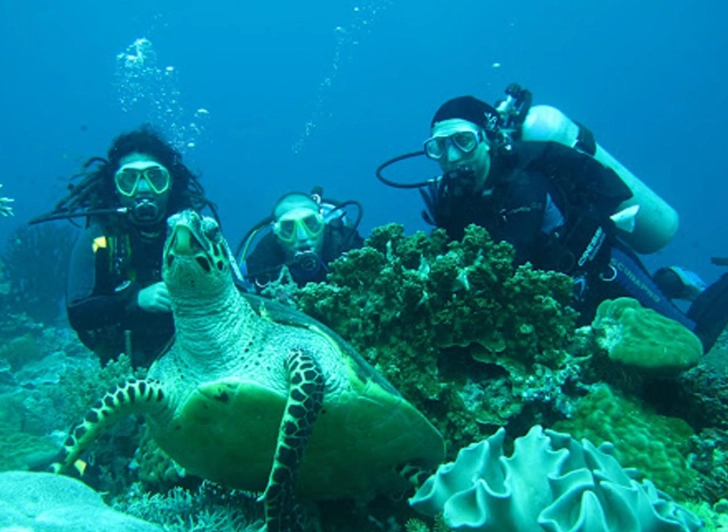
The Amihan (Northeast Monsoon) runs from roughly November to April. This brings cool, dry air from the northeast, creating generally calm seas, especially on the western side of the country (like Palawan and Mindoro). This is the classic "dry season."
The Habagat (Southwest Monsoon) hits from June to October. Moist air from the southwest brings rain, stronger winds, and rougher seas, particularly affecting the western coasts. July to September is often the wettest and most unpredictable.
I've seen beginners struggle in October when a late Habagat surge turns a supposedly calm site into a washing machine. Always check regional specifics, not just the national forecast.
Best Regions & Months: A Beginner's Breakdown
The Philippines isn't one monolithic dive spot. Where you go matters as much as when. Here’s where I send my newly certified friends, broken down by region.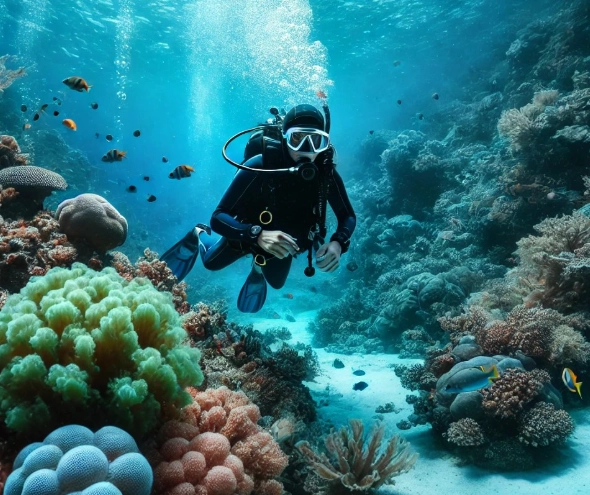
| Region & Key Spots | Prime Beginner Months | What Makes It Great for New Divers | Watch Out For |
|---|---|---|---|
| Visayas (Cebu, Bohol, Dumaguete) Popular sites: Balicasag Island, Pescador Island |
March - June October - November |
Protected reefs, reliable visibility (20-30m), high chance of seeing sardine balls & turtles. Dive operations are extremely professional. | Can get busy March-May. Some sites in Moalboal have mild currents, good for drift dive practice. |
| Palawan (El Nido, Coron, Puerto Princesa) Popular sites: Coron wrecks (lagoons), El Nido bays |
February - May Late November - January |
Stunning limestone scenery, incredibly calm, shallow lagoons perfect for first dives. Wrecks in Coron are in sheltered, shallow water. | The journey between sites can be longer by boat. Coron's wrecks require good buoyancy to avoid silt. |
| Mindoro (Puerto Galera, Anilao) Popular sites: Sabang Beach, Verde Island Passage |
November - May | Anilao is the "macro capital" with calm, nutrient-rich waters full of tiny critters. Puerto Galera has diverse, easy-access sites. | The Verde Island Passage can develop strong currents—only for beginners on very calm days with a guide. |
| Luzon (Batangas, Subic, Hundred Islands) Popular sites: Anilao (see Mindoro), Subic Bay wrecks |
November - May | Proximity to Manila for short trips. Anilao offers world-class muck diving in bathtub-calm conditions. | Water visibility can be lower than in the Visayas (10-20m). Not the iconic "tropical paradise" scenery. |
Notice a pattern? The late dry season into early wet season (Feb-June) is consistently favorable. My personal top pick for a first-timer's all-around trip is Bohol/Balicasag in April. The water is like glass, the jackfish schools are massive, and you can combine diving with seeing the Chocolate Hills.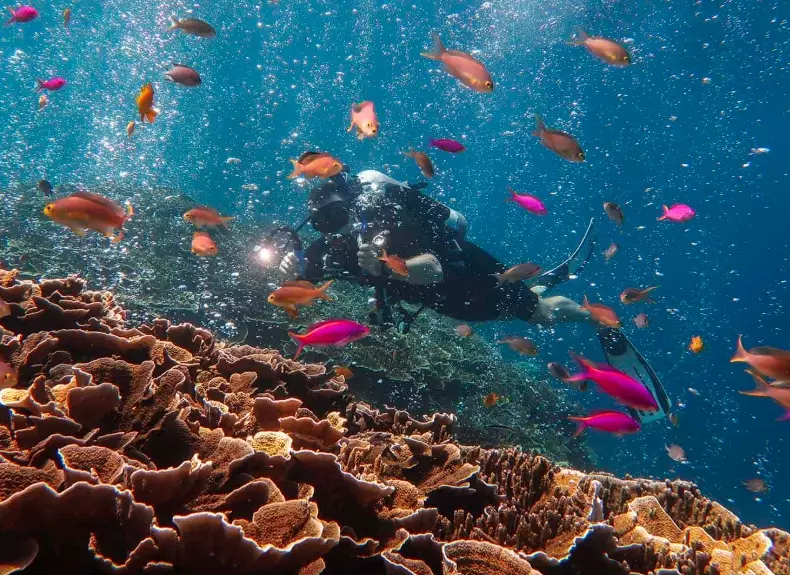
Why Summer (March-May) Isn't Just About Sun
It's not just the lack of rain. The sun position during these months maximizes light penetration, making colors underwater pop—a huge boost for your first underwater photos. The sea surface is often flat calm, reducing boat ride discomfort and seasickness risk, a real concern for beginners. Marine life is active; it's a peak time for turtle nesting and pelagic sightings in many areas.
Planning Your First Philippines Dive Trip
Let's get practical. You know the best months. How do you build a trip around them?
First, decide on your trip style. Are you doing a "learn to dive" (Open Water Course) trip or a "fun dive" trip after certification? For learning, I recommend a minimum of 5 full days. You need time for theory, pool sessions, and at least 4 open water dives, plus buffer for weather or needing extra practice.
For a 7-10 day fun dive trip for beginners, here's a sample framework:
- Days 1-2: Arrive, recover from jetlag. Do a refresher dive or a gentle, shallow "check-out" dive if it's been a while. Location suggestion: Bohol's Alona Beach or Puerto Galera's Sabang Bay.
- Days 3-6: Core diving days. Stick to 2 dives per day max as a beginner. Your body needs to adapt. Use surface intervals to log your dives, hydrate, and actually enjoy the beach.
- Day 7+: A non-diving day or two. This is crucial. Fatigue leads to mistakes. Go island hopping, see local sights. Then maybe one more dive day before you leave.
Book your dive center in advance, especially for March-May. Ask them specific questions: "What is your student-to-instructor ratio for beginners?" "Do you have a dedicated training pool or confined water area?" "What is your protocol if sea conditions change on the day of our boat dive?" A good center will have clear answers.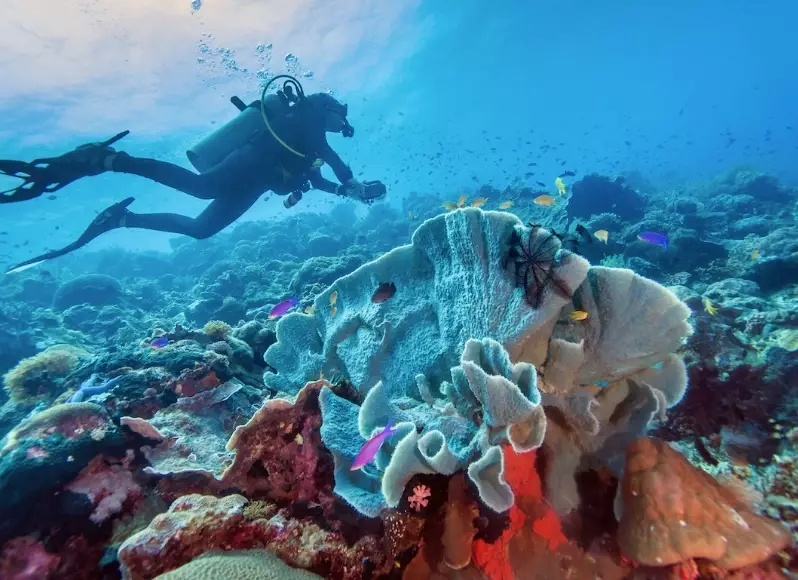
The Monsoon Myth: Can You Dive in the Wet Season?
This is where most blogs give vague advice. Let's be precise. Diving in the Habagat (June-Oct) is possible, but it's an advanced beginner move.
The east coast of the Philippines (like Davao, Siargao) experiences its best weather during the western Habagat. So, while it's raining in Palawan, Siargao might be sunny. However, for a beginner, I'm cautious. Travel between islands becomes less predictable due to weather. Dive sites on the sheltered sides might be okay, but your options are limited. Visibility can be reduced by runoff from rain.
If you're set on a July or August trip, look at areas with reliable "rain shadows" or eastern exposure. Southern Leyte or parts of Mindanao can be options, but the dive logistics are often more challenging for a first-timer. You're trading ideal conditions for fewer crowds and lower prices. Only make that trade if you're a flexible, adventurous traveler.
I took a newly certified diver to Anilao in September once, betting on its sheltered coves. We got three great, calm dives, but our fourth was canceled due to a sudden squall. You need that flexibility.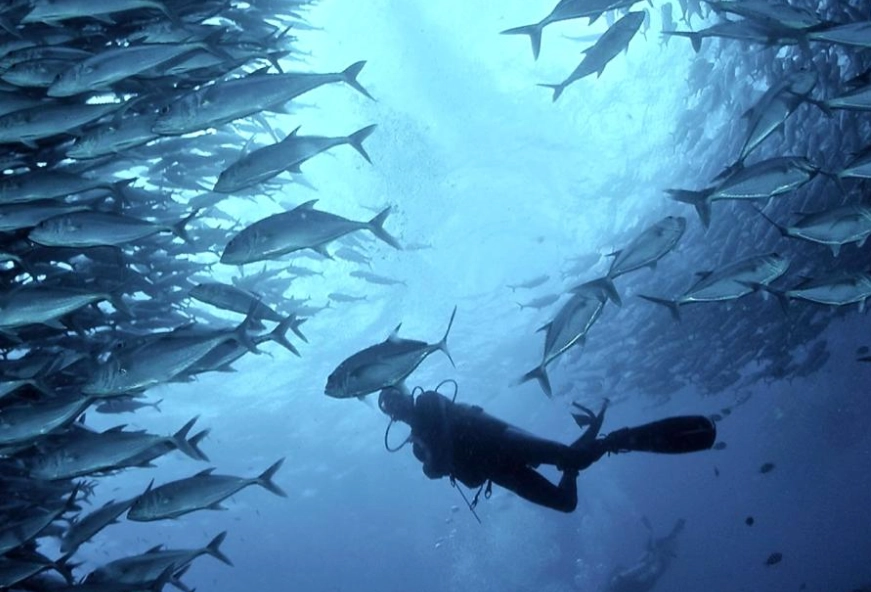
Expert Advice: What Most Beginner Guides Won't Tell You
After helping hundreds of new divers, here are the subtle mistakes I see.
Over-focusing on "big animals." Beginners dream of whale sharks and mantas. Chasing them often means going to sites with stronger currents or less predictable conditions (like Oslob or Tubbataha). Your primary goal should be mastering buoyancy and breathing in calm, beautiful environments. The turtles and jackfish will come, and they'll be more rewarding because you were relaxed enough to enjoy them.
Ignoring your own recovery time. Diving is physically taxing. Flying long hours, then jumping straight into a course is a recipe for exhaustion. Build in a real rest day upon arrival. Hydration is your best friend—the tropical heat dehydrates you faster, increasing your risk of decompression sickness.
Picking a month based on a festival. The Philippines has amazing festivals (Sinulog, Ati-Atihan, Panagbenga). But they draw huge crowds, inflate prices, and make logistics a headache. If your goal is diving, schedule around festivals, not for them. You can always visit for a day if your dates overlap.
Finally, connect with your dive center before you book flights. A quick email: "Hey, I'm a new diver looking at the week of April 15. How have conditions been historically then? What's your typical schedule for beginners?" Their response will tell you everything about their service and give you the most current local insight.
Your comment