Ask ten divers when the best time to dive in the Philippines is, and you might get eleven different answers. That's because the "best" time isn't a single month on a calendar. It completely depends on where you want to go and what you want to see. Are you chasing whale sharks in Donsol, exploring the pristine reefs of Tubbataha, or hoping for calm waters in Coron? Each of these goals has its own ideal window.
After more than a decade of diving these islands, I've learned that the generic "dry season" advice can lead you straight into a crowded resort with mediocre visibility. The real secret is understanding the micro-seasons of this vast archipelago.
In This Guide: Your Quick Navigation
Understanding the Philippines' Two Main Seasons
Let's get the basic geography out of the way. The Philippines has a tropical maritime climate, which boils down to two main patterns:
The Dry Season (Amihan): Roughly from November to April. This is when the northeast monsoon brings cooler, drier air from mainland Asia. Skies are generally sunny, seas are calmer on the western sides of islands, and rainfall is minimal. This is the peak tourist season for a reason. But here's the catch everyone misses: "dry" doesn't mean "perfect everywhere." The east coast (like Pacific-facing spots) can still get swells during these months.
The Wet Season (Habagat): From May to October, the southwest monsoon kicks in. This brings warm, humid air from the ocean, leading to frequent rain showers and thunderstorms. The seas, especially on the western coasts, can get rough. Now, before you write off these months, listen up. This is a major point of diver confusion. The wet season doesn't mean it rains non-stop. It often means short, heavy afternoon downpours followed by sunshine. More importantly, for certain dive sites and specific marine life events, this can be the absolute best time to go.
The biggest mistake I see new planners make is booking a trip to the wrong side of the country for the season. You don't want to be in a west-facing resort during the peak of the habagat, hoping for calm lagoon dives.
Region-by-Region Breakdown: When to Dive Where
This is where the magic happens. The Philippines is split into three major island groups, and their diving calendars differ wildly.
Luzon & the Central Philippines (Coron, Anilao, Puerto Galera, Subic)
This area is most aligned with the classic dry season advice. The sweet spot is November to May. From November to February, you get cooler water (around 24-26°C) and often incredible visibility as the dry air settles in. March to May is warmer and peak season, so expect more divers.
Coron's famous wreck dives are best from December to April when the seas in the Coron Bay are placid. Try going in August, and you might find your liveaboard trip canceled due to weather. Anilao, the macro paradise, is diveable year-round but is most pleasant and accessible during the dry months.
One specific event: Donsol for whale sharks. The season here is strictly November to June, peaking between February and April. Outside this window, the chances drop to zero.
The Visayas (Cebu, Bohol, Dumaguete, Siquijor)
This is the most flexible region. You can find good diving here almost any month, but with caveats. The general best window is December to May, offering the most stable conditions.
Moalboal's sardine run is a year-round phenomenon. Malapascua for thresher sharks is also daily, but from November to May, the crossing to Monad Shoal is significantly smoother. A little-known fact: the rainy season (June-October) around Malapascua can sometimes bring better pelagic action and fewer divers, though you'll trade that for potentially rougher boat rides.
In Bohol (Balicasag, Panglao), the dry season means calm seas on the southwest side. The wet season can make the famous Balicasag dive site less accessible due to swell.
Palawan & the Southwest (El Nido, Tubbataha, Southern Palawan)
Palawan is a beast of its own. For the crown jewel, Tubbataha Reefs Natural Park, there is only one answer. The liveaboard season is brutally short: mid-March to mid-June. That's it. The park is closed the rest of the year due to monsoon winds and sea conditions. Book at least a year in advance.
For El Nido and Coron (which is actually in Palawan), the dry season (Nov-May) is king. Southern Palawan sites like the N/A wreck are also best in this period.
Mindanao & the South (Davao, General Santos)
This region flips the script. Because it's further south and has a different exposure, the best weather is often during the northern hemisphere's summer months. From April to September, you'll find calmer seas and less rain around Davao and the diving in the Davao Gulf. The peak of the habagat (July-August) that hits Luzon and the Visayas doesn't hit here as hard.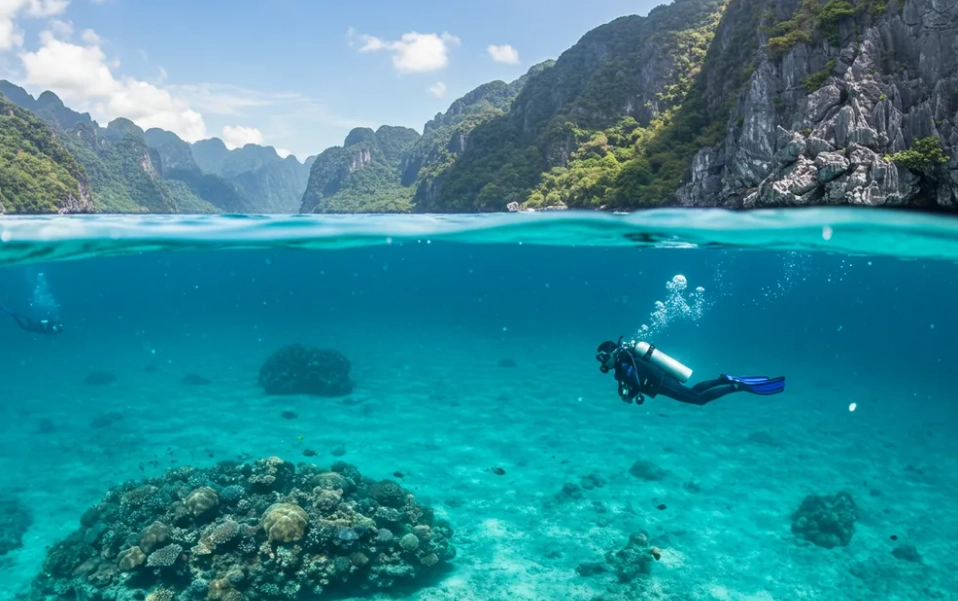
Pro Tip from a Dive Guide: Always check the specific face of your dive site. A bay protected from the prevailing wind during the habagat can be gorgeous in July, while a site just around the corner facing the open sea might be a washing machine. Don't just ask "How's the season?" Ask "How is [specific dive site name] in [specific month]?"
| Region | Prime Diving Months | Key Considerations & Highlights |
|---|---|---|
| Luzon & Central (Coron, Anilao) | November - May | Calm seas for wrecks (Coron). Cooler water Nov-Feb. Donsol whale sharks (Nov-Jun). |
| The Visayas (Cebu, Bohol, Dumaguete) | December - May (Good year-round) | Most flexible region. Sardine run (year-round). Smoother trips to thresher sharks (Nov-May). |
| Palawan & Southwest (Tubbataha, El Nido) | Varies Widely | Tubbataha: Mid-Mar to Mid-Jun ONLY. El Nido/Coron: Nov-May. |
| Mindanao & South (Davao) | April - September | Reversed pattern. Calmest seas during northern summer. |
How Does El Niño Affect Diving in the Philippines?
This is the wildcard that most travel blogs never mention. El Niño and La Niña are climate patterns that dramatically alter the rules.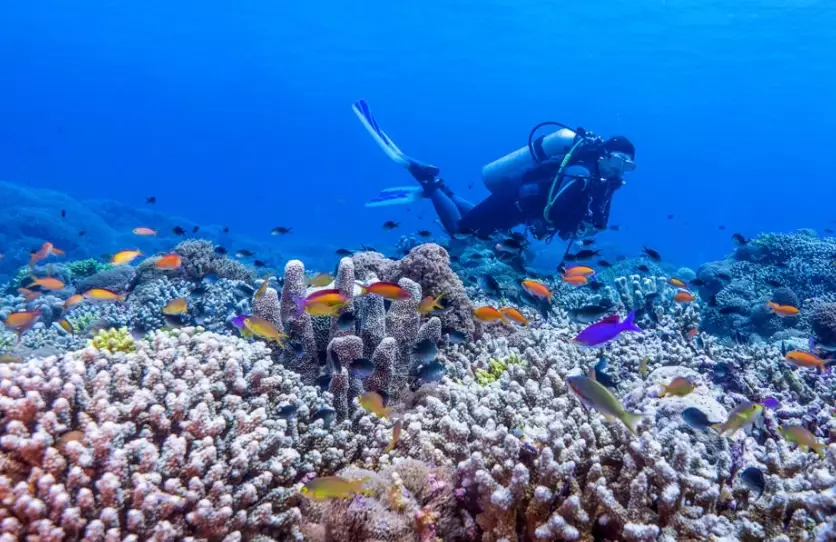
During a strong El Niño year (like 2023-2024), the dry season can become a severe drought. The upside? Visibility can be absolutely mind-blowing—some of the clearest water you'll ever see. The downside? Warmer water temperatures (sometimes stressing corals) and a higher chance of coral bleaching events. The habagat (wet season) might also be weaker, extending good diving conditions later into the year.
La Niña does the opposite. It supercharges the wet season, bringing heavier, more persistent rains and stronger typhoons. This can mean more run-off, lower visibility near shore, and more frequent trip disruptions.
Before you book a big trip, it's worth a quick search for the current ENSO (El Niño-Southern Oscillation) outlook from sources like the NOAA Climate Prediction Center. It won't ruin your trip, but it will set realistic expectations.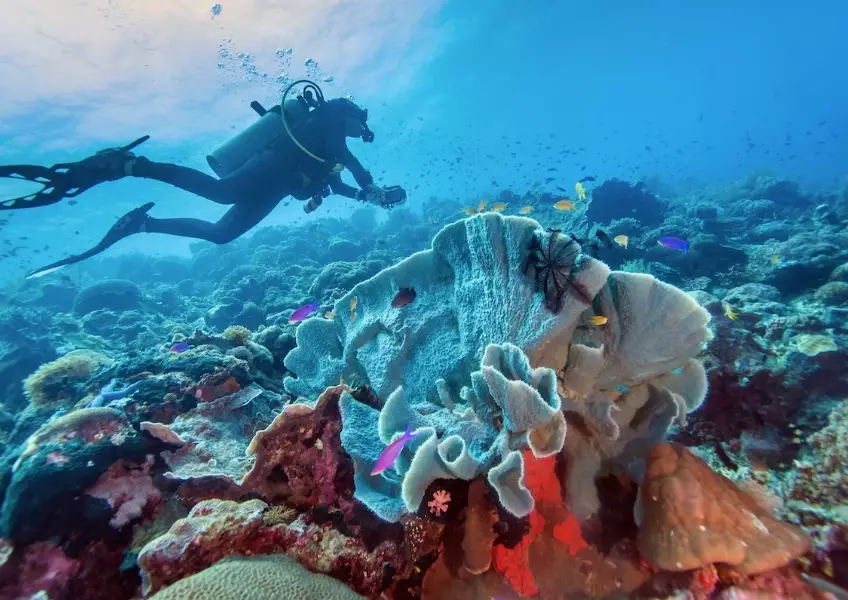
Choosing Your Month: A Diver's Priority Checklist
Still unsure? Work through this list.
- Priority #1: Seeing Something Specific? If it's Tubbataha or Donsol whale sharks, let their strict seasons dictate your dates. No negotiation.
- Priority #2: Guaranteed Calm Seas & Sun? Stick to the heart of the dry season: February to April. Be prepared for higher prices and more companions underwater.
- Priority #3: Best Value & Fewer Crowds? Look at the shoulder months. Early November (just as the dry season starts) or late May (as it ends, but before the full habagat). You might get a brief shower, but you'll have sites more to yourself.
- Priority #4: Advanced Diver Seeking Adventure? Don't automatically dismiss the wet season. Some of my most memorable dives, with intense pelagic action, have been in September. You'll deal with more logistics and need flexibility, but the rewards can be unique.
- Priority #5: Photography Focus? Macro photographers love the stable, clear waters of the dry season. Wide-angle photographers chasing big animals might find the nutrient-rich waters of seasonal transitions more productive.
I once planned a January trip to a famous Visayas site expecting perfection. An unexpected late-season weather system moved through, and visibility was average at best. The group that went two weeks later had epic conditions. The lesson? There's always a bit of luck involved. Build in a flexible day or two.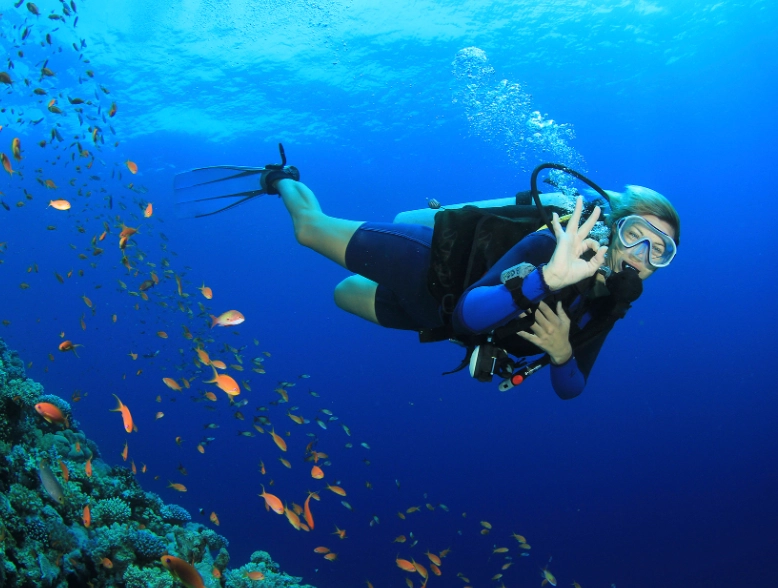
Your Philippines Diving Season Questions Answered
I'm planning a trip for December. Is Coron or Bohol better for visibility?
December is a great month for both, but they start differently. In early December, Coron is just coming into its prime. Seas are calming down, and visibility is improving, often reaching 20-30 meters. Bohol, being further south, is already stable. You can expect excellent visibility (25m+) at sites like Balicasag. The choice then comes down to what you want to see: world-class wrecks in Coron or stunning wall dives and possible big fish action in Bohol. Check the specific weather forecast in the week before; a lingering typhoon in the Pacific can affect Coron more than Bohol.
Can I dive in the Philippines during the rainy season (July/August), or is it a complete waste?
It's far from a waste, but it's a strategic dive. Avoid west-facing destinations in the Visayas and Luzon (like most of Puerto Galera, some parts of Bohol). Instead, focus on areas sheltered from the southwest monsoon or in the south. Malapascua is still operational, though boat rides can be wet. The east coast of Luzon becomes an option. Southern destinations like Davao are in their prime. You'll get cheaper rates, fewer divers, and often greener landscapes. The rain usually comes in intense bursts, not all-day drizzles, so you can still get multiple dives in. Just build flexibility into your schedule for the occasional weather day.
How far in advance should I book, especially for places like Tubbataha?
For regular resort diving during peak season (Feb-Apr), book 4-6 months out for the best choice. For Tubbataha liveaboards, you need to think in terms of years, not months. The best boats and cabins on popular dates are often fully booked 12-18 months in advance. For the shoulder or wet season, you can sometimes find last-minute deals 1-2 months out, but you're compromising on selection. My rule: once your flights are booked, secure your diving. It's the core of your trip.
Is there a "worst" month to dive in the Philippines overall?
There's no universally awful month, but August and September are the most challenging for planning a broad trip. This is the peak of the southwest monsoon and the heart of the typhoon season in the northern and central parts of the country. Destinations like Coron, El Nido, and much of the western Visayas are at their most exposed. If you're set on these months, your destination list shrinks considerably—look south to Mindanao or carefully choose very sheltered micro-locations.
So, what's the final answer? The best time to dive in the Philippines is when your desired destination's weather window, your personal priorities (calm vs. crowds vs. cost), and the specific marine life you want to see all intersect. Use the regional breakdown as your map, check the climate wildcards, and then pull the trigger. The water is waiting, and it's almost always better than being at your desk dreaming about it.
See you underwater.
Your comment