Let's cut to the chase. If you're looking for the single "best" month to dive in Palawan, you're asking the wrong question. The answer isn't a date on a calendar. It's a combination of factors: what you want to see, your tolerance for weather, your budget, and how much you dislike sharing a dive site with five other boats. The short, oversimplified answer is the dry season from November to May. But that's like saying the best food is pizza—it's true, but it misses all the nuance. The real best time depends entirely on your dive goals.
What's in this guide?
Dry Season vs. Rainy Season: The Real Breakdown
Palawan has two main seasons, driven by monsoon winds. Diving is possible year-round, but your experience changes dramatically.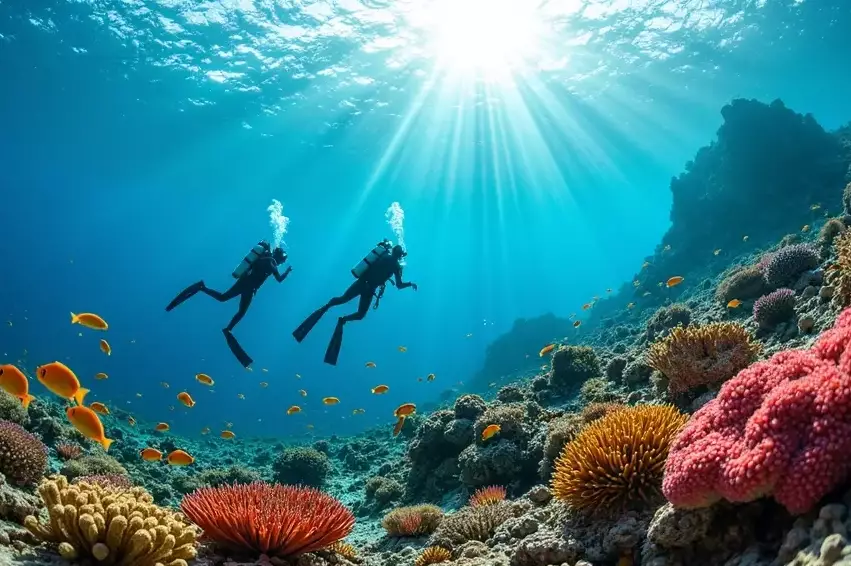
| Factor | Dry Season (Nov-May) | Rainy Season (Jun-Oct) |
|---|---|---|
| Weather | Sunny, low rainfall, calm seas. Peak heat in Mar-May. | Frequent rain, higher chance of storms, rougher seas (especially west coast). |
| Visibility | Generally excellent, often 30m+. Can be too good for macro life. | Variable. Can be lower after heavy rain, but often still very good (20m+). Less plankton can mean less pelagic action. |
| Marine Life | Pelagics (sharks, mantas) more common. Coral spawning (Mar-Apr). Whale sharks possible in northern areas. | Macro paradise! Frogfish, seahorses, nudibranchs thrive. Mating mandarinfish. Less predictable big animal sightings. |
| Crowds & Cost | Peak tourist season. Higher prices for flights & accommodation. Book liveaboards *months* in advance. Dive sites can be busy. | Low season. Significant discounts (up to 30-40%). Fewer divers, more intimate experience. Some island resorts/operations close. |
| Biggest Pro | Predictability and comfort. Guaranteed diving days. | Value and solitude. Unbeatable macro photography conditions. |
| Biggest Con | Cost and crowds. It can feel like a underwater highway at popular sites like Barracuda Lake. | Unpredictability. You might lose 1-3 days to weather, especially on liveaboards. |
Here's the insider view most generic guides miss: The "shoulder months" are golden. November and May often give you dry season conditions with wet season prices and thinner crowds. I've had stunning visibility in early November with maybe half the boats present compared to January.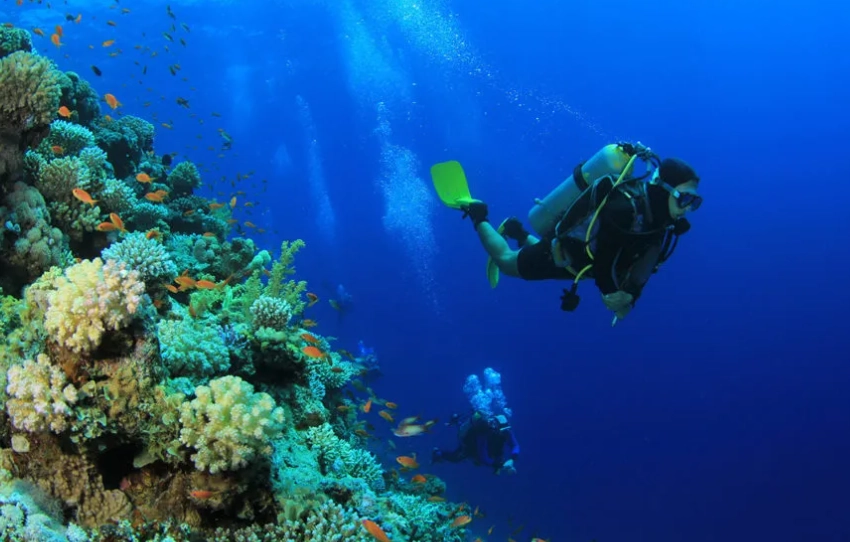
Micro-Timing: Picking Your Window Within the Season
Choosing dry or rainy is step one. Step two is zooming in.
Within the Dry Season
November - February: This is the sweet spot for many. The weather is cooler (for the tropics), seas are calm, and visibility is top-notch. It's perfect for open water divers and those wanting to cover a lot of ground. Christmas and New Year are packed and expensive—avoid if you're on a budget.
March - May: It gets hot. Really hot. The sea is like a bath. This is prime time for coral spawning events, a spectacular night dive if you time it right (usually around the full moon). It's also the most reliable window for seeing whale sharks around northern Palawan, though sightings are never guaranteed. This is when you'll feel the crowds most acutely.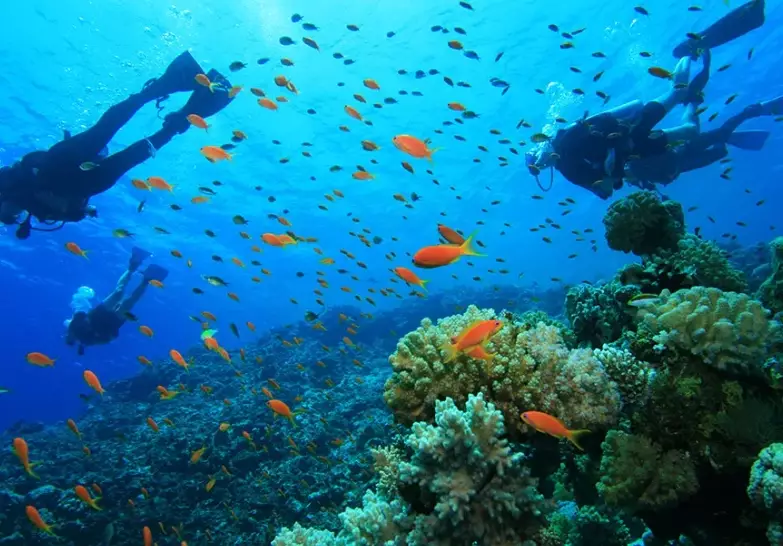
Within the Rainy Season
June - August: The southwest monsoon is in full swing, making diving on the west coast (El Nido, Coron's outer reefs) challenging or impossible. However, this is when the liveaboard season for Tubbataha Reefs Natural Park runs. Tubbataha is a UNESCO site and arguably the best diving in the Philippines, with incredible pelagic action. It's only accessible by liveaboard from mid-March to mid-June. If you're a serious diver, this period is non-negotiable for Tubbataha.
September - October: The monsoon starts to taper. You get more dive days, but the macro conditions remain superb. It's a gamble that often pays off with cheap flights, empty resorts, and fantastic diving. I once had an entire dive at a famous Coron wreck to myself in October—a surreal experience.
Top Palawan Dive Sites & When to Hit Them
Palawan isn't one destination; it's a sprawling archipelago. Timing your visit to match specific sites is key.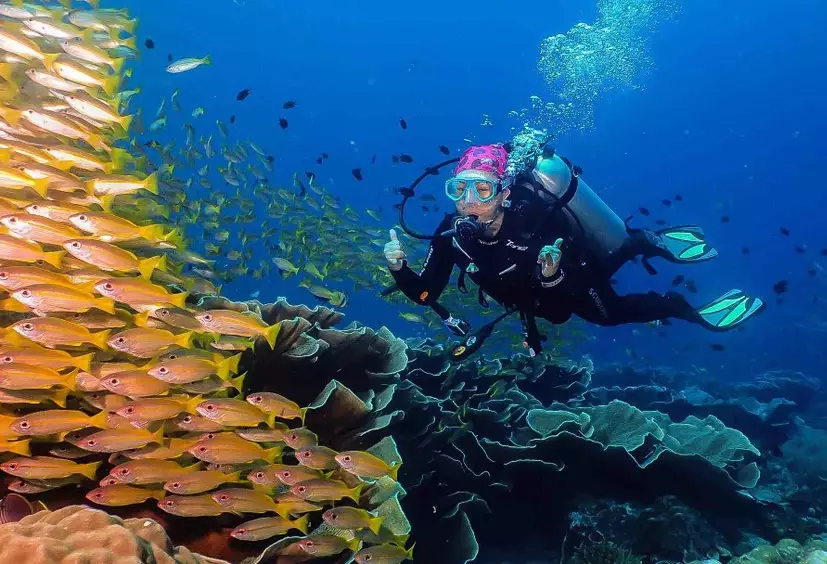
- Coron Bay (Wreck Diving): Year-round, but best from November to June. The bay is sheltered, so even in the rainy season, the wrecks are often accessible. Visibility inside the wrecks is less weather-dependent. Dry season offers better light penetration and warmer water for longer dives on the deeper wrecks like Irako.
- Tubbataha Reefs: Liveaboard season only: Mid-March to mid-June. This is a hard window. The park is closed the rest of the year. Aim for April-May for the calmest seas and highest chance of seeing mantas and hammerheads. Book at least 6-12 months ahead.
- El Nido & Bacuit Bay: Prime time is December to May. The stunning limestone karst scenery above water matches the diving below. From June to September, many sites are exposed to the southwest swell and become inaccessible. Some operators shift to more sheltered sites or focus on snorkeling tours.
- Puerto Princesa & Honda Bay: Good year-round option due to easterly orientation. The rainy season impact is less severe here. Great for beginners, macro, and reef diving. A reliable backup if weather messes with your plans elsewhere.
- Apo Reef (via San Jose): Often compared to Tubbataha's little brother. Best visited November to May. Similar pelagic opportunities but more accessible via shorter liveaboard trips or even day trips in very calm weather.
My personal ranking? For sheer drama: Tubbataha in April. For unique experience: Coron's wrecks in February. For value and critter hunting: Puerto Princesa in September.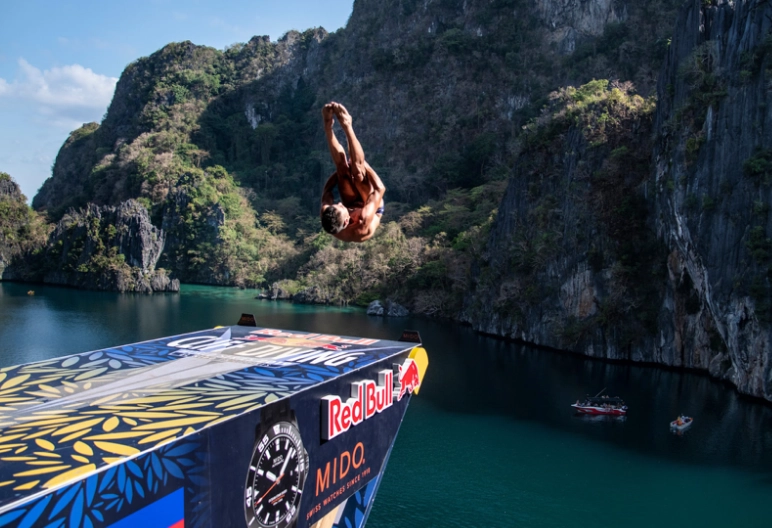
Planning Your Trip: Itineraries & Practical Tips
Okay, you've picked a season. Now let's build a trip.
Sample Itineraries
The Classic 10-Day Dive Tour (Dry Season): Fly into Manila, connect to Puerto Princesa. Spend 2 days diving Honda Bay (acclimatization dives). Take a van/bus north to El Nido (5-6 hours). Dive the Bacuit Bay for 3 days. Then take a ferry to Coron (4 hours) for 3 days of wreck diving. Fly out of Coron's Busuanga Airport back to Manila. This hits the big three but involves travel.
The Liveaboard Special (March-June): Fly directly to Puerto Princesa. Embark on a 5-7 night Tubbataha liveaboard. This is pure, world-class diving with zero commute time between sites. Budget from $1,500 to $3,500+ depending on boat luxury.
The Rainy Season Bargain Hunt (Sept-Oct): Base yourself in Coron or Puerto Princesa for 7 days. You'll have flexibility. If the weather is good, do local dives. If a storm rolls in, you have a buffer day to explore inland (like Coron's Kayangan Lake) or just relax. Book dives a day in advance rather than a whole package.
Budget & Logistics
Fun dives cost $25-$40 per dive. A 3-dive day package is around $80-$120. Liveaboards are a bigger investment but include everything.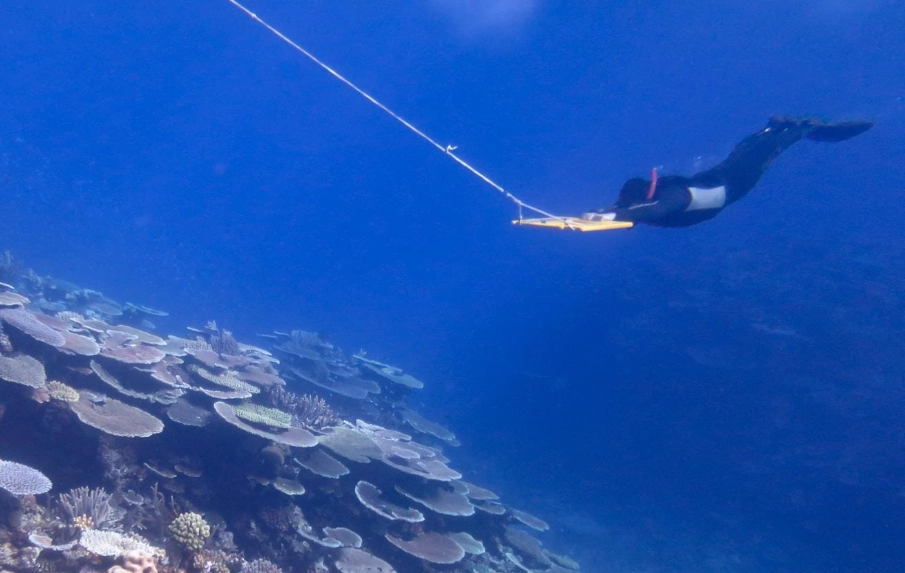
Accommodation runs the gamut:
- Budget: Hostels and guesthouses in Coron town or Puerto Princesa ($10-$25/night). Check out Hop Hostel in Coron for a social vibe.
- Mid-Range: Dive resort packages. Something like Dive Link in Coron offers simple rooms and great diving from around $50/night.
- Splurge: Island resorts like Two Seasons Coron or El Nido Resorts (Apulit, Lagen). These are $300+/night but offer seclusion and house reefs.
Book domestic flights early, especially for peak season. Puerto Princesa, El Nido, and Coron all have airports with connections to Manila or Cebu.
Your comment