Ask any seasoned diver about the Philippines, and their eyes light up. It's not just good. It's a continent of underwater experiences packed into an archipelago. But here's the thing most blog posts won't tell you: picking the "best" spot isn't about a universal ranking. It's about matching the right underwater world to your specific dive dreams. I've spent over a decade hopping between these islands, and the magic isn't just in the famous names—it's in knowing which one fits you.
Your Quick Dive Guide
Why the Philippines is a Diver's Playground (And It's Not Just About Thresher Sharks)
The numbers are staggering. The Coral Triangle's heart beats here, pulsing with more marine species than anywhere else. But the real appeal is the variety. You can explore a WWII warship in the morning and drift over a pristine coral garden in the afternoon. The biodiversity is off the charts, but so is the accessibility. From tech diving meccas to shallow, family-friendly house reefs, it's all here.
One common mistake new visitors make? Trying to do it all in one trip. The distances are deceptive on a map. A flight from Manila to Palawan is over an hour. Planning a logical route is half the battle for a great dive holiday.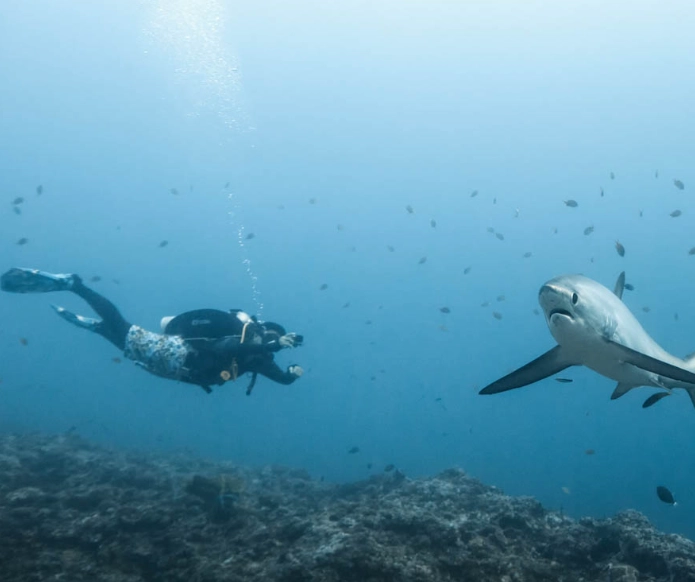
The Top Dive Spots: A Detailed Breakdown
Forget a simple list. Let's match the destination to the experience. This table cuts to the chase, then we'll dive deeper into each.
| Destination | Star Attraction | Best For | Best Season | Visibility & Level |
|---|---|---|---|---|
| Tubbataha Reefs Natural Park | Pelagic overload (sharks, mantas, whales) | Liveaboard enthusiasts, serious photographers | Mid-Mar to Mid-Jun (Liveaboard only) | 30-45m, Advanced (strong currents) |
| Coron, Palawan | Pristine WWII Japanese shipwrecks | Wreck divers, history buffs, macro life | Oct to May (Calmer seas) | 10-25m (wrecks), Intermediate+ |
| Malapascua Island, Cebu | Guaranteed thresher shark sightings | Shark lovers, early risers | Year-round (Best Nov-May) | 15-30m, All levels (Monad Shoal is advanced) |
| Puerto Galera, Mindoro | Extreme biodiversity, wall diving | Marine life counters, budget divers, courses | Nov to May | 10-30m, Beginner to Advanced |
| Anilao, Batangas | Critter capital (nudibranchs, pygmy seahorses) | Macro/muck diving, weekend trips from Manila | Oct to Jun | 10-25m, All levels (great for beginners) |
| Apo Island, Negros | Turtle sanctuary, vibrant shallow reefs | Snorkelers, eco-tourists, relaxed diving | Mar to Oct | 15-30m, Beginner to Intermediate |
Tubbataha: The Ultimate Blue Wilderness
This is a pilgrimage. A UNESCO site accessible only by liveaboard for a short season. It's not cheap, and it's not for new divers. But if you want to see schools of jacks, reef sharks patrolling drop-offs, and maybe even a whale shark, this is the place. The park's strict management, supported by the Tubbataha Management Office, is why it remains pristine. You're diving in an ocean that feels untouched.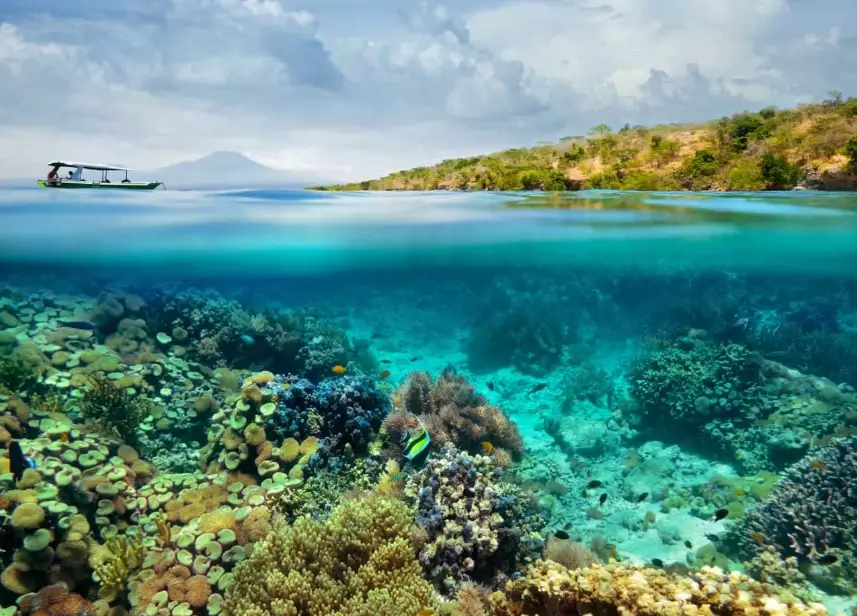
Coron: A Wreck Diver's Dream
Coron Bay is a museum. Over ten Japanese supply ships, sunk in 1944, rest in relatively shallow water (18-40 meters). The Irako is a stunning engine room penetration dive. The Okikawa Maru is massive. But here's my non-consensus tip: don't just focus on the wrecks. The coral gardens around the islands, like Barracuda Lake's thermocline, are surreal. Stay in Coron town—accommodation ranges from hostels to upscale resorts. Boats leave daily from the main pier.
Malapascua: The Morning Shark Ritual
Yes, you have to wake up at 4:30 AM. Yes, it's worth it. Monad Shoal, a sunken island, is one of the few places in the world where you can reliably see pelagic thresher sharks every single day. They come up to be cleaned. It's a deep dive (around 25m) with possible currents. The rest of the island offers great walls and the beautiful Gato Island, a sea snake haven. The vibe on Malapascua is wonderfully laid-back.
I remember one dive at Monad Shoal where a thresher shark, with its impossibly long tail, circled our group three times. It wasn't scared. It was just curious. That's the magic here.
Anilao: The Macro Photographer's Secret
Just a 3-hour drive from Manila, Anilao is often overlooked by international tourists chasing bigger animals. Their loss. The muck diving here is world-class. You'll find more nudibranch species than you can name, ornate ghost pipefish, and the famous pygmy seahorses. Dive resorts line the coastline, most offering full-board packages. It's perfect for a weekend escape or a dedicated photography trip.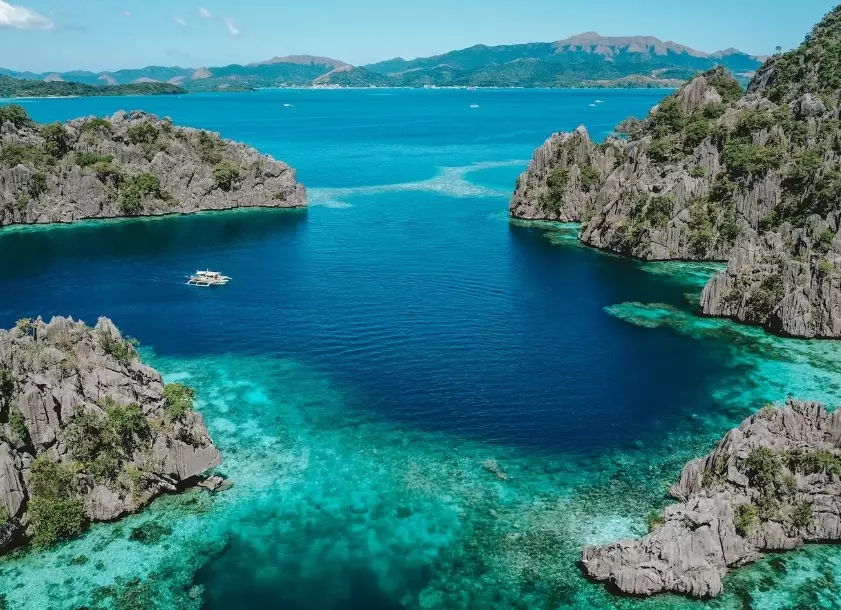
Local Insight: The "Season" is More Flexible Than You Think
While there are optimal months, the Philippines' diving is largely year-round. The southwest monsoon (June-Oct) affects the west (Coron, El Nido), making seas rough. The northeast monsoon (Nov-Mar) affects the east (Siargao, parts of Leyte). But there's always a sheltered side. Places like Puerto Galera have protected bays, and Malapascua dives fine year-round. Don't write off the off-season—you'll find fewer crowds and often better deals.
How to Choose the Right Dive Site for You
This is where most generic guides fail. Let's get personal.
Are you a wreck fanatic or a coral connoisseur?
If wrecks give you a thrill, Coron is non-negotiable. For pristine coral walls and fish storms, Tubbataha or Apo Island should be top of your list. Anilao's reefs are healthy but the real draw is the small stuff.
What's your budget and time frame?
A Tubbataha liveaboard is a major investment ($$$$). Coron and Malapascua offer mid-range resorts and daily fun diving. Puerto Galera and Anilao are famously budget-friendly, especially for longer stays and courses. If you only have a week, don't try to combine Coron and Malapascua—the travel logistics will eat your time. Pick one region.
Are you traveling with non-divers or beginners?
Apo Island is fantastic—the snorkeling is right off the beach, and the diving is gentle. Parts of Puerto Galera and Anilao have excellent, shallow house reefs perfect for beginners. Malapascua has beautiful beaches for non-divers to enjoy while you're on your shark dive.
What is the Best Time to Dive in the Philippines?
The dry season, broadly from November to May, offers the calmest seas and sunniest skies. But let's be specific.
Peak Season (Mar-Jun): Best overall weather. This is your window for Tubbataha. It's also the busiest and most expensive time elsewhere.
Shoulder Season (Nov-Feb, Jul-Oct): You might get a rain shower, but you'll definitely get fewer people. Diving conditions are still excellent in most places. I prefer these months.
Building Your Philippine Dive Itinerary
Here’s a sample 10-day trip for advanced divers: Fly into Manila, connect immediately to Coron. Spend 4 days exploring the wrecks. Then, take a ferry to El Nido (travel day), and the next day catch a flight to Cebu City. Transfer by road and boat to Malapascua for 4 days of sharks. Return to Cebu for your flight out.
A 7-day beginner-friendly trip: Fly into Cebu City, head straight to Moalboal (famous for the sardine run) for 3 days, then travel to Oslob (controversial, but there are ethical ways to observe whale sharks from the surface) and onwards to Apo Island for 3 days of relaxed reef diving.
Book domestic flights early with Cebu Pacific or Philippine Airlines. For island transfers, your resort can usually arrange the shared van/boat combo.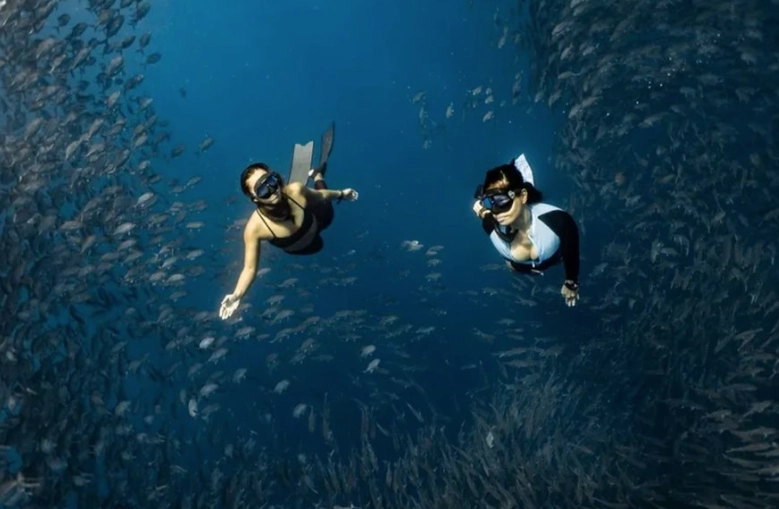
Your Philippines Diving Questions Answered
The best place to dive in the Philippines isn't a single pin on a map. It's the place that aligns with what you want to see, your skill level, and your travel style. Do you want the adrenaline of a shark encounter, the quiet awe of a historical wreck, or the patient hunt for a tiny seahorse? Once you answer that, the choice becomes clear. The underwater paradise is waiting—you just need to pick your corner of it.
Your comment