Let's cut to the chase. Ask ten divers about the best time to dive in Cebu, and you'll likely get a quick, textbook answer: "The dry season from March to May." While that's not wrong, it's a massive oversimplification. As someone who's spent years diving these waters and talking to local operators, the real answer is more nuanced—and way more interesting. Your "best" time entirely depends on what you want to see, the kind of conditions you're comfortable with, and how much you value avoiding crowds. Sticking only to the "peak" months means you might miss some of the most dramatic marine action Cebu has to offer.
Your Quick Dive Planning Guide
A Month-by-Month Breakdown of Cebu Diving
Forget just "dry" and "wet." Here’s what you can realistically expect on a dive boat in Cebu throughout the year. I've based this on aggregated data from local dive centers, historical weather patterns, and my own logbooks.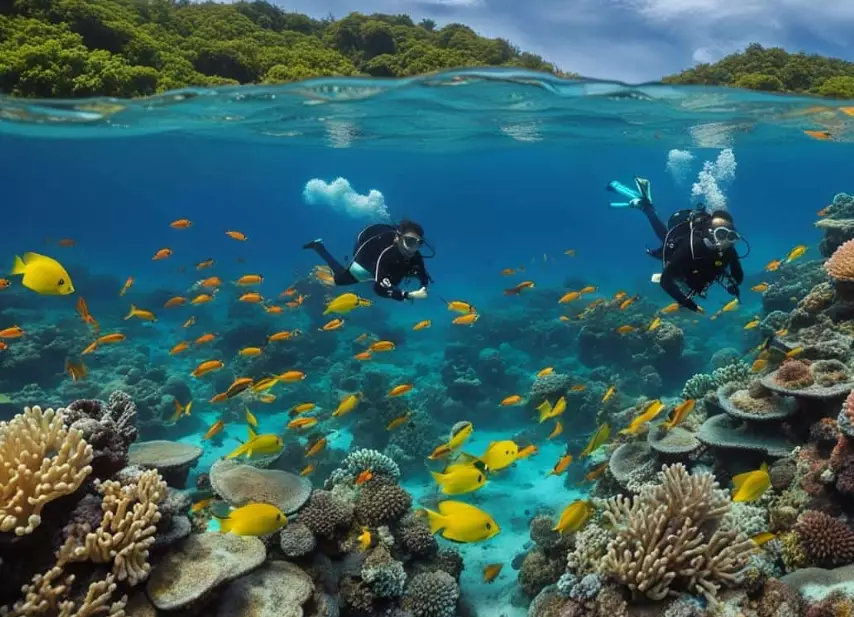
| Month | Weather & Sea | Visibility | Key Marine Highlights | Diver's Note |
|---|---|---|---|---|
| Jan - Feb | Cool, dry, occasional northeasterly winds (Amihan). Sea can be choppy, especially in the north. | Good to Excellent (20-40m) | Thresher sharks (Malapascua) are very reliable. Whale shark encounters (Oslob) consistent. | Bring a 3mm wetsuit. North (Malapascua) trips can be cancelled due to swell. Peak tourist season. |
| Mar - May | The classic "dry season." Hot, humid, calm seas. Water is at its warmest. | Typically Excellent (25m+) | Everything is active. Sardine run (Moalboal) is dense. Great for macro life and wide-angle. | This is the most crowded and expensive time. Book everything well in advance. Sun protection is critical. |
| Jun - Aug | Start of southwest monsoon (Habagat). Frequent short, heavy rains. Sea state variable. | Fair to Good (15-25m) | Manta rays and devil rays are more frequently seen in the Tañon Strait. Plankton blooms attract big life. | You'll get the best deals. Diving is often still great between rains. Be flexible with your schedule. |
| Sep - Oct | Peak of the rainy season. Highest chance of prolonged rain and tropical storms. | Variable, can be lower (10-20m) | This is a quieter time underwater. Good for dedicated macro photographers hunting rare critters. | Highest risk of dive cancellations. Not ideal for beginners. Resort and flight prices are at their lowest. |
| Nov - Dec | Transition back to dry season. Weather stabilizes, seas calm down. A fantastic sweet spot. | Improving to Very Good (20-30m) | Holiday season brings festive atmosphere. Thresher shark sightings remain strong. Coral reefs look vibrant post-rain. | My personal favorite window. Crowds are manageable, conditions are solid, and the Christmas vibe is special. |
See what I mean? If your dream is to see a thresher shark, February is just as good as May. If you hate crowds and love a bargain, June or November might be your true "best" time.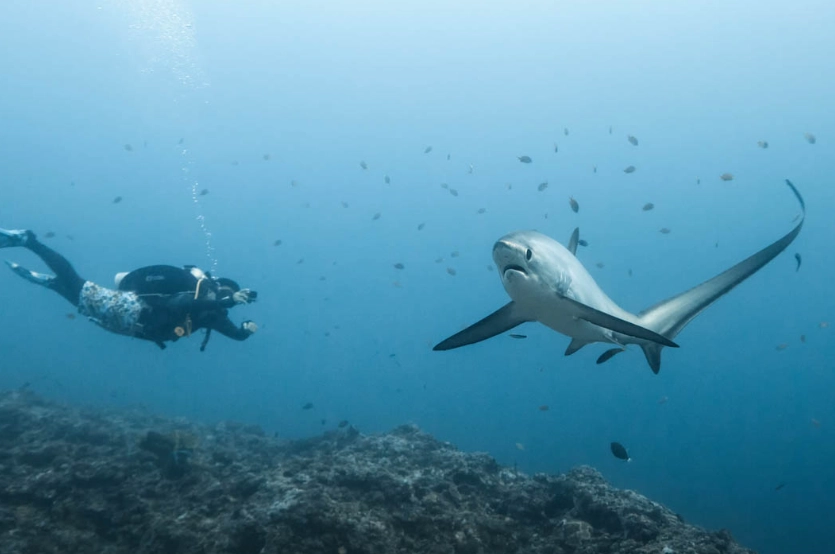
What Really Defines the "Best" Diving Time?
It's not just about sunshine. You need to weigh a few key factors against your personal preferences.
Weather and Sea Conditions: More Than Just Rain
The monsoon winds dictate everything. The Amihan (northeast monsoon, roughly Nov-May) brings dry air but can whip up big swells on Cebu's eastern and northern coasts. This is why trips to Malapascua (in the north) get cancelled in January, while Moalboal (on the west coast) stays perfectly calm. The Habagat (southwest monsoon, Jun-Oct) brings moisture from the opposite direction, affecting the west coast more. A rainy forecast doesn't automatically mean bad diving—it often means the sea is flat and the rain stops for hours at a time.
Water Visibility: The 30-Meter Myth
Yes, visibility can hit 30-40 meters in peak dry season. But here's a pro tip everyone misses: super-clear water isn't always better. That crystal clarity often means less plankton, which means fewer big filter feeders hanging around. Some of my most memorable dives—surrounded by mantas and schooling jacks—had viz around 15 meters because the plankton soup was attracting them. If your goal is big animal action, don't fear slightly reduced visibility.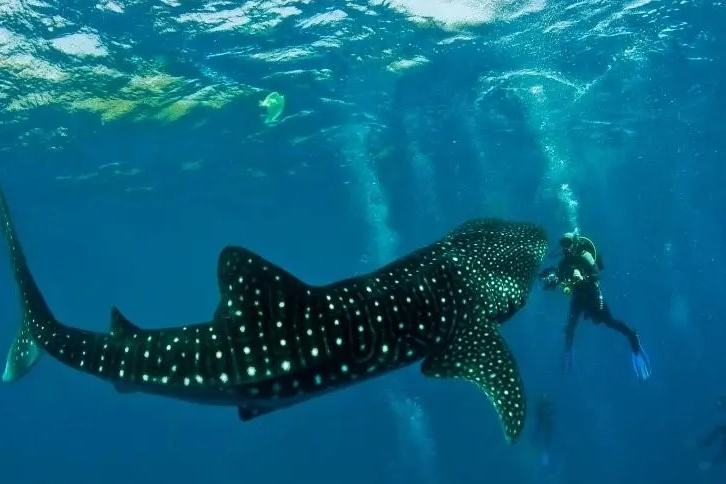
Marine Life Cycles: Timing is Everything
This is where you can outsmart the crowds. Thresher sharks at Monad Shoal? They're there year-round, dawn every day. The famous Moalboal sardine run is also a permanent resident. But other creatures have schedules. Manta and devil ray sightings in the Tañon Strait (between Cebu and Negros) statistically increase during the Habagat months (mid-year). Certain nudibranchs and rare macro subjects have breeding seasons that local guides know intimately. Ask your chosen dive shop about seasonal specials.
A Local's Perspective: I once planned a trip for "perfect" May weather. The viz was incredible, but the sardine ball at Panagsama Beach was smaller because the birds and larger predators had scattered them. I returned in July after a morning rain; the water was slightly greener, but the sardines formed a massive, tight ball that created an awe-inspiring silver tornado. It was a stark reminder that nature doesn't follow our ideal calendars.
Spot-Specific Conditions: Moalboal, Malapascua & More
Cebu isn't one dive site. Conditions vary dramatically by location.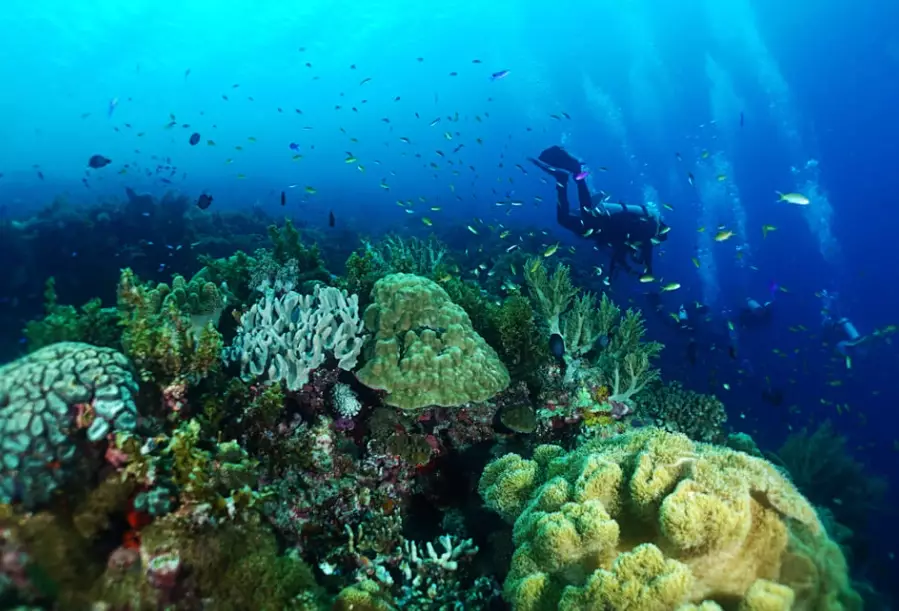
Moalboal (West Coast): This area is the most protected. The central mountain range shelters it from both the Amihan and Habagat winds. Diving here is viable 365 days a year. The primary concern is runoff from heavy rains, which can affect visibility at sites close to shore (like the sardine ball), but Pescador Island, just a 10-minute boat ride away, often remains clear. This reliability is why Moalboal is so popular.
Malapascua (North Tip): This island is exposed. From November through April, the Amihan winds can create large swells, making the daily 5:30 AM trip to Monad Shoal (for thresher sharks) impossible for safety reasons. The best bet for guaranteed trips here is during the calm transition periods, particularly May and November. During Habagat, the island's lee side offers protection, making it a good summer option.
Oslob (Southeast): The controversial whale shark interaction happens daily, year-round. Weather cancellations are rare. The main factor here is your own ethical stance on the activity, not the season.
Southern Cebu & Dauin: Sites near the Tañon Strait can see increased pelagic activity during the Habagat months. The muck diving paradise of Dauin (on Negros, easily reached from southern Cebu) is excellent year-round, though macro life is always prolific after some rain has washed nutrients into the sea.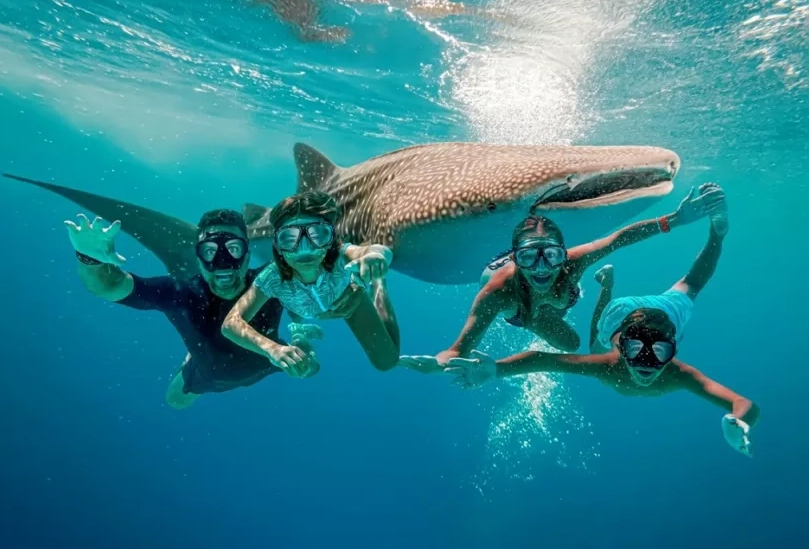
Practical Planning Tips for Your Trip
Knowing the seasons is one thing; planning a successful trip is another.
Booking Flights and Resorts: For dry season (Mar-May), book your dive resort and flights at least 3-4 months in advance. For other times, 1-2 months is usually fine. Use flight aggregators but also check the Philippines' local carriers like Cebu Pacific and Philippine Airlines directly.
Choosing a Dive Operator: Don't just pick the cheapest. Email a few. Ask them: "I'm coming in [month]. Based on recent conditions, which sites have been most reliable, and what's the typical dive schedule?" A good operator will give you a realistic, detailed answer. Look for ones affiliated with PADI or SSI for safety standards.
What to Pack: A 3mm wetsuit is essential, even if you think you won't need it—after three dives, you'll be glad for it. A reef-safe sunscreen (brands like Stream2Sea or Badger) is non-negotiable to protect the reefs. A waterproof case for your phone, a rash guard, and a reliable dive computer are the other basics.
The Itinerary Sweet Spot: Don't try to cram Malapascua, Moalboal, and Oslob into one week. The travel between them (4-5 hours by road and boat) eats up entire days. Pick one or two bases. A great 7-day plan: 4 nights in Moalboal for the sardines, Pescador, and relaxed diving, then 3 nights in Malapascua for the threshers (if the season is right).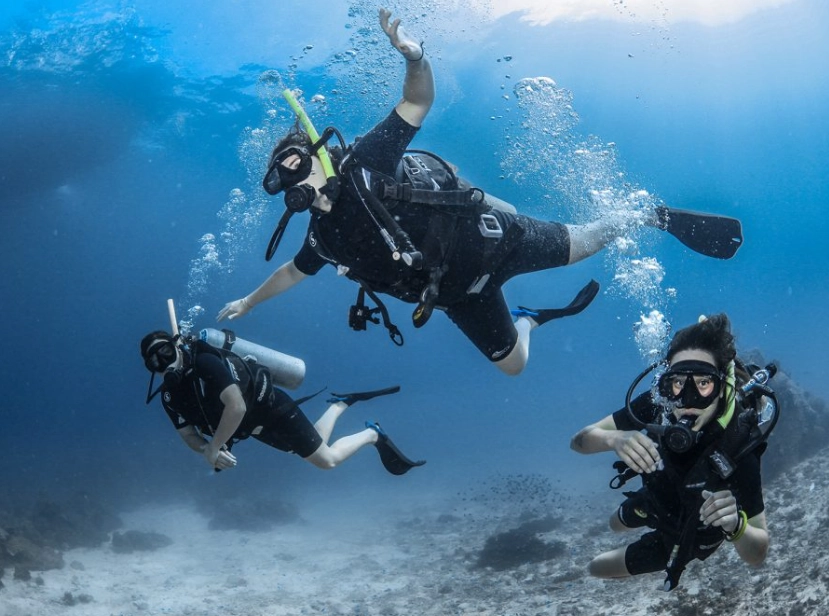
Your Diving in Cebu Questions Answered
Is it safe to dive in Cebu during the rainy season (June to October)?
Generally, yes, but with caveats. The rain itself isn't the danger; it's the wind, swell, and potential for tropical storms. Dive operators are very conservative with safety and will cancel trips if conditions are unsafe. The key is flexibility. You might have a rainy morning, then do two fantastic afternoon dives in flat seas. The bigger risk is trip interruption, not necessarily unsafe diving. Always get dive insurance that covers weather-related cancellations.
I really want to see the huge Sardine Ball in Moalboal. Does it disappear in certain months?
No, it's a permanent resident. However, its size, density, and behavior change. During the calm, predator-rich dry season, the ball can be more scattered as tuna, jacks, and birds feed on it. After some rain or in slightly less "perfect" conditions, I've seen it form into a breathtakingly dense, massive vortex right off the beach. You'll see sardines any time of year, but their presentation varies.
What's the water temperature like, and do I need a wetsuit?
Surface temps range from a warm 30°C (86°F) in May to a cooler 26°C (79°F) in January. At depth, especially at sites like Monad Shoal (which can be 20-25m deep), thermoclines can drop the temp significantly. You will get cold on multiple dives, especially if you're not used to tropical diving. A full 3mm wetsuit is strongly recommended for everyone. I see too many shivering divers in shorties regretting their choice by the third day.
How many days of diving should I plan to account for possible bad weather?
This is crucial. If you have a non-negotiable must-see (like thresher sharks), plan a minimum of three full diving days at that location. This gives you a buffer if one day gets cancelled. For a general diving holiday, a 7-day trip allowing for 5 diving days is a good benchmark, giving you room for a weather day, travel, and relaxation.
Are there any local conservation efforts I should be aware of or support?
Absolutely. Look for dive shops that are involved in local projects. In Moalboal, ask about the Moalboal Marine Conservation Foundation. Many shops organize coral planting or beach clean-up dives you can join. Politely refuse single-use plastics, use reef-safe sunscreen, and maintain perfect buoyancy. Your choices directly impact whether these dive sites remain spectacular. Consider this when choosing your operator—support the ones that support the reef.
So, when is the best time to dive in Cebu? It's the time that aligns with your personal priorities—be it guaranteed shark encounters, avoiding crowds, getting the best value, or simply having the highest statistical chance of calm, sunny days. Use this guide not to find a single perfect month, but to understand the rhythm of the islands and make an informed choice. That's how you plan a truly unforgettable Cebu diving adventure.
Your comment