Let's be honest. You search for "best diving in the world," and you get a dozen lists. Raja Ampat, Galápagos, Palau... the usual suspects. But here's the thing they rarely tell you: the "best" dive for you is almost never the same as the "best" dive for someone else. It depends on what you're after, your experience, your budget, and frankly, your tolerance for adventure. After logging dives from cold quarries to remote atolls, I've learned that chasing a generic "top 10" is a surefire way to end up in the wrong place, surrounded by the wrong crowd, watching the wrong fish.
This guide is different. We'll look at the legendary sites, sure. But more importantly, I'll give you a framework—a set of questions—to filter those famous names and find your personal best. Because the best diving in the world isn't a destination; it's the dive that perfectly matches your underwater dream.
Your Dive Plan Blueprint
What Does "Best Diving" Actually Mean?
We need to define our terms. "Best" usually mashes together a few things:
- Marine Biodiversity: The sheer number of species. Think coral triangles.
- Iconic Mega-Fauna: Guaranteed sharks, mantas, whalesharks.
- Underwater Topography: Stunning walls, swim-throughs, caverns.
- Visibility & Water Conditions: That endless blue or pristine coral garden look.
- Exclusivity & Adventure: The feeling of being somewhere few go.
No single spot tops all categories. The "best" is a trade-off. Palau has insane topography and sharks but isn't the most biodiverse reef. Raja Ampat has mind-blowing biodiversity but currents can be serious and it's a trek to get there. You have to pick your priority.
The Contenders: A Realistic Breakdown of Top Destinations
Okay, let's talk about the heavyweights. This table isn't just a list; it's a cheat sheet to see what each place actually offers and who it's really for.
| Destination (Country/Region) | Best Time to Visit | The "Wow" Factor | Ideal For... | Not Ideal For... |
|---|---|---|---|---|
| Raja Ampat, Indonesia | Oct - April | Unmatched reef biodiversity. Soft coral gardens, pygmy seahorses, schooling fish. The healthiest reefs many will ever see. | Macro lovers, underwater photographers, experienced divers comfortable with currents. | Beginners, those on a tight budget, travelers wanting nightlife. It's remote and expensive. |
| Galápagos Islands, Ecuador | Jun - Nov (colder, richer) / Dec - May (warmer, calmer) | Large pelagic action. Hammerhead sharks, whale sharks (seasonal), marine iguanas, penguins. It's wild and raw. | Advanced divers seeking adrenaline. Wildlife enthusiasts. Those okay with cold(er) water (18-24°C/64-75°F) and strong currents. | New divers, warm-water-only divers, anyone prone to seasickness (it's a liveaboard-centric destination). |
| Palau | Nov - Apr | Dramatic topography. Blue Corner wall dives with sharks, WWII wrecks like the Iro Maru, jellyfish lake (snorkeling). | Drift diving fans, wreck divers, shark lovers. Good mix of action and easier sites. | Budget travelers. Palau is pricey for flights and diving. Some sites are advanced. |
| Red Sea (Egypt) | Mar - May & Sep - Nov | Value & variety. World-class walls and reefs (Ras Mohammed), iconic wrecks (SS Thistlegorm), accessible liveaboards. | All levels, especially great for advancing divers. Wreck divers. Best bang-for-buck premium diving. | Those seeking remote solitude (the popular routes can be busy). Not the place for mega pelagics like in the open Pacific. |
| Great Barrier Reef, Australia | Jun - Oct (best vis) | Scale and accessibility. Day trips from Cairns, iconic status, great for learning. The outer reef is where the health is. | Beginners, families, snorkelers. Easy to combine with a land holiday. | Experienced divers might find parts of it (especially inner reefs) underwhelming due to past bleaching. It's vast, so quality varies hugely. |
| Cocos Island, Costa Rica | May - Nov | Shark mayhem. Massive schools of hammerheads, tiger sharks, dolphins. A true pelagic wilderness. | Serious shark aficionados and experienced big-animal divers. Liveaboard adventurers. | Anyone else. It's a 36-hour boat ride from the mainland, expensive, and only for advanced divers in strong currents. |
See the pattern? Raja Ampat isn't "better" than the Red Sea; it's different. Picking the Red Sea because you want to do your first liveaboard and see some sharks is a smarter choice than blowing your budget on Raja Ampat as a new diver.
How to Choose Your "Best" Dive Destination
Forget the rankings. Ask yourself these questions in order:
What's Your Diving "Level" Honestly?
Be brutal. If you have under 30 dives and haven't done much current diving, Galápagos or Cocos Island isn't your "best" dive—it's potentially dangerous and you'll spend the trip stressed. Your best dive might be in the Maldives or Bonaire, where conditions are forgiving and you can build skills.
What's Your Underwater "Dream Shot"?
Close-up photos of tiny critters? Head to Lembeh Strait, not the open ocean. Want to float in a tornado of fish? Sipadan, Malaysia, does that. Dream of a specific animal, like a manta ray? Then research where and when they are guaranteed, like Manta Ray Village in Hawai'i or cleaning stations in the Maldives.
What's the Budget & Trip Context?
A week in a local resort is different from a two-week liveaboard expedition. The "best" diving often correlates with remoteness and cost. Also, are you traveling with non-divers? Then a destination like Roatán (Honduras) or the Great Barrier Reef with good topside activities might be the best overall choice.
What Matters More Than the Location
You've picked a region. Now, these factors will impact your experience more than the destination name.
The Dive Operator: This is critical. A great operator at a good site beats a bad operator at a great site. How do you pick? Look for small groups, emphasis on briefings, and clear environmental policies. Email them. Ask about their guide-to-diver ratio. If they give vague answers, move on.
Sustainable Practices: This isn't just feel-good stuff. Operators that anchor on reefs, chase wildlife, or overcrowd sites are degrading the very thing you came to see. Support operators with Green Fins or equivalent affiliations. Your choice matters.
Season & Luck: You can go to the "best" place in the wrong season and have mediocre diving. Research the seasonal patterns meticulously. Also, marine life is wild. No one can guarantee a whaleshark. Manage expectations.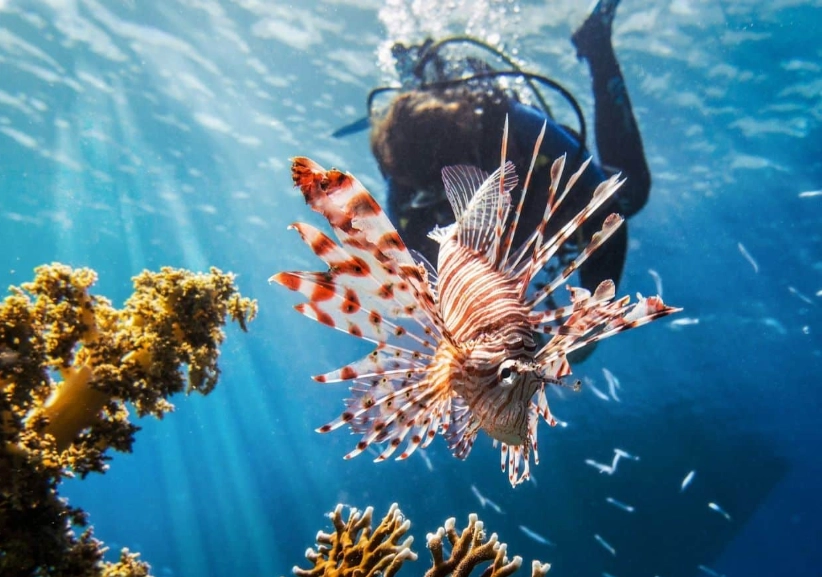
Practical Planning: Turning the Dream into a Itinerary
Let's make it concrete. Say you've decided on Indonesia's Komodo National Park for its dragons and dynamic diving. Here’s a snapshot of what planning looks like:
- Getting There: Fly to Bali (DPS), then a short flight to Labuan Bajo (LBJ) on Flores Island.
- Diving Format: Choose between a 3-7 day liveaboard (best for accessing all sites) or day trips from Labuan Bajo (more affordable, limited range).
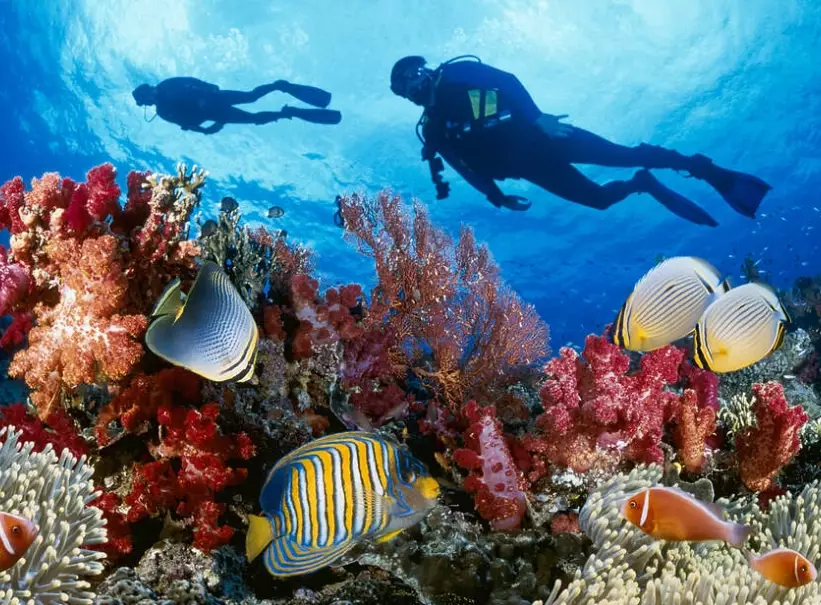
- Sample Operator: Look for operators like Wicked Diving or Uber Scuba known for strong guiding and environmental ethics. A 4-day/3-night liveaboard can range from $800 to $1500+.
- Key Sites: Batu Bolong (fish tornadoes), Manta Point (cleaning station), Cauldron ("The Shotgun" current).
- Topside: Budget a day for a land tour to see the Komodo dragons. Labuan Bajo has a growing number of restaurants and hotels.
- When to Go: April to November for dry season and best visibility. July-August is peak.
This level of detail—the airport codes, the town name, the dive site nicknames—is what lets you actually book a trip.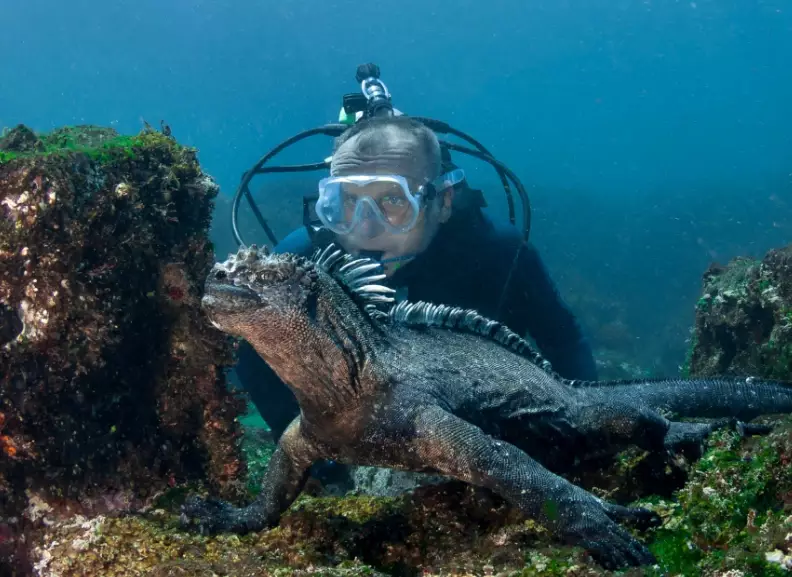
Answers to the Questions You're Actually Asking
As a new diver with 15 dives, which "best" destination should I actually consider?
Avoid the heavy current and advanced remote locations. Focus on destinations with protected, shallow reefs and a reputation for good instruction. The Bay Islands of Honduras (Roatán, Utila), Bonaire (shore diving at your own pace), or the Egyptian Red Sea (on a beginner-friendly liveaboard route) are fantastic choices. You'll enjoy the diving more and build confidence without being overwhelmed.
I keep hearing about Raja Ampat being the best. What's the biggest downside nobody talks about?
The access and infrastructure. You're looking at 2-3 flights from most international hubs, followed by a long, often bumpy boat transfer to your liveaboard or resort. Internet is sparse, and you're truly off-grid. If you get seasick easily or need to be connected, the physical journey can overshadow the underwater magic. It's a commitment, not a casual holiday.
Is the Great Barrier Reef still worth it after all the coral bleaching news?
It's a mixed bag, and you need to pick your spot carefully. The inner and mid-s reefs near Cairns have suffered significantly. However, the outer reefs (accessed by longer day trips or liveaboards) and particularly the more remote sections like the Ribbon Reefs or the Coral Sea still show remarkable health and vibrant coral. Do your research and choose an operator that goes further out. Don't write off the entire ecosystem based on headlines from one area.
Liveaboard vs. resort-based diving—how do I decide for a "best diving" trip?
It depends on the destination's geography. For oceanic atolls or places where the best sites are far apart (like Galápagos, Cocos, Truk Lagoon), a liveaboard is the only way to access the best diving. For archipelago destinations (like parts of Indonesia, Philippines, Maldives), a resort can offer great diving if it's well-located. Liveaboards offer more dives per day and access; resorts offer more space, stability, and maybe non-diver amenities. For pure diving immersion, liveaboards usually win.
How can I tell if a dive operator is truly sustainable and not just greenwashing?
Look for specific actions, not just logos. Do they mention a strict no-touch, no-glove policy? Do they use mooring buoys and never anchor? What's their waste management plan? Do they limit group sizes? Certifications like Green Fins or membership in the International Association of Nitrox and Technical Divers (IANTD) for standards are good signs. Ask them directly: "What is your most important environmental practice?" Their answer will be telling.
The quest for the best diving in the world is a personal one. It's about aligning a place's offerings with your own skills, desires, and realities. Use the famous lists as a starting menu, not the final order. Define what "best" means for you—is it the most life, the biggest thrills, the easiest relaxation, or the deepest learning? Once you know that, the world's oceans offer not one best dive, but a handful of perfect ones waiting just for you.
Your comment