That first breath underwater is a moment you never forget. But before you get there, you're probably staring at a world map, wondering where on earth to take that first plunge. The "best" spot isn't just about pretty fish—it's about safety, ease, and building confidence. After a decade of guiding new divers, I've seen the difference the right location makes. A bad choice can turn someone off diving forever. A great one creates a lifelong addict.
Forget the advanced deep walls and strong currents. A beginner needs gentle conditions, clear water, forgiving environments, and patient, professional instructors. Let's cut through the noise and look at the real-world factors that make a dive site perfect for your first time, followed by a detailed list of the top spots that consistently deliver.
Your Quick Dive Guide
What Makes a Dive Site ‘Beginner-Friendly’?
It's not just marketing. Look for these four concrete things:
Calm, Protected Waters: This means bays, lagoons, or reefs sheltered from open ocean swell. You want minimal surface chop and little to no current underwater. This lets you focus on your breathing and buoyancy, not fighting the water.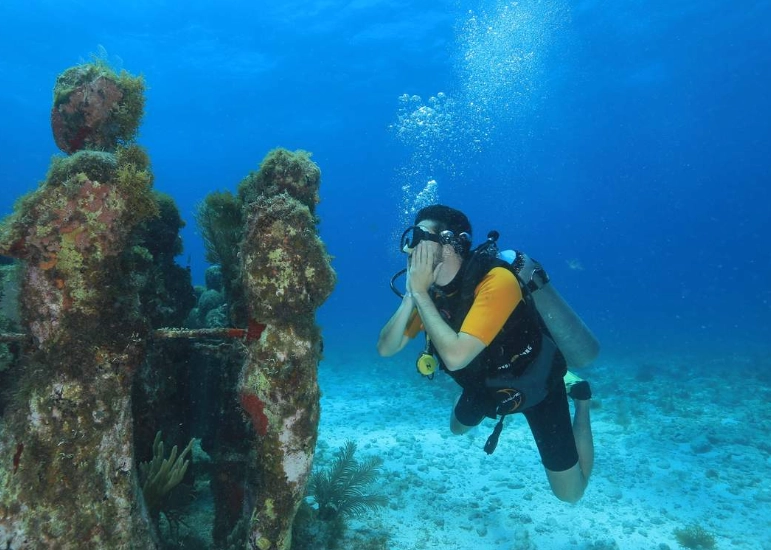
Easy Shore or Boat Access: A giant stride entry from a rocking boat can be intimidating. Many top beginner sites offer easy shore entries from a sandy beach or a calm, fixed platform. It's a gentler start.
Shallow, Interesting Reefs: Depths of 5 to 12 meters (15-40 feet) are ideal. This gives you more bottom time, better light, and a quicker ascent to the surface if you need to signal your instructor. The reef should be vibrant and full of life to keep you captivated.
A Concentration of Professional Dive Operations: A location known for beginners will have multiple, reputable dive centers competing on safety and service. This drives up standards. Avoid places with only one, isolated operation.
Top 7 Scuba Diving Destinations for Beginners
Based on the criteria above, here are my top picks. I'm including a mix of classics and some slightly off-the-radar gems that offer incredible value.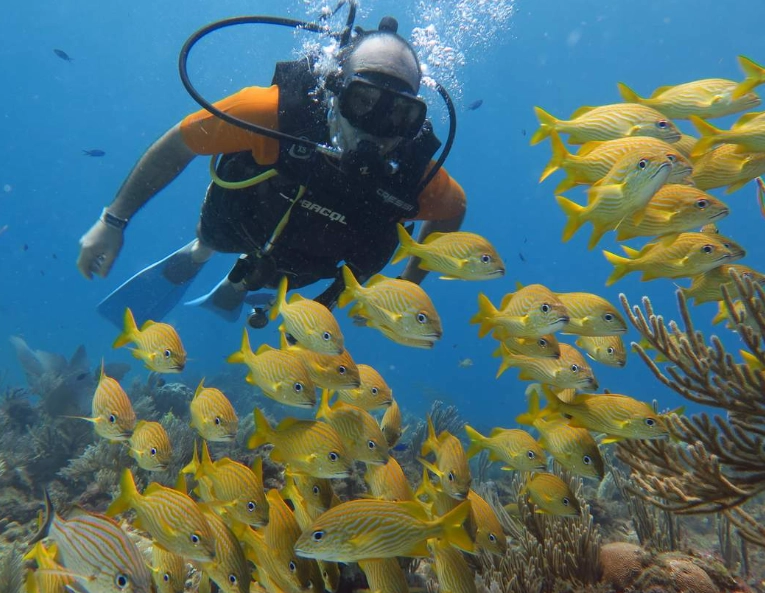
1. The Big Island of Hawaii (Kona Coast), USA
Why it's perfect: The leeward Kona coast is famously calm year-round. The water is clear, and the marine life is approachable and abundant. A huge bonus? You can do your training dives in a protected bay like Kahalu'u Beach Park, a literal sea turtle nursery where you're almost guaranteed to swim with them in waist-deep water. It's a massive confidence booster. The dive community here is mature and safety-focused.
What you'll see: Hawaiian green sea turtles, eagle rays, endless tropical fish, and sometimes manta rays on a dedicated night dive (a must-do after you're certified).
Best Time & Budget: Year-round diving. It's not the cheapest (flights, accommodation), but the quality and ease are worth it. Consider the shoulder seasons (Apr-May, Sep-Oct) for better deals.
2. Roatán, Bay Islands, Honduras
Why it's perfect: Roatán sits on the Mesoamerican Barrier Reef, the second-largest in the world. The reef starts just a few fin kicks from the shore in the West Bay area. You'll find dozens of dive centers catering to beginners. The culture is laid-back, and the primary language is English. The reef is stunningly healthy and shallow, perfect for mastering skills without getting bored.
What you'll see: Incredible coral formations, parrotfish, angelfish, moray eels, and if you're lucky, a friendly grouper that might follow your dive group.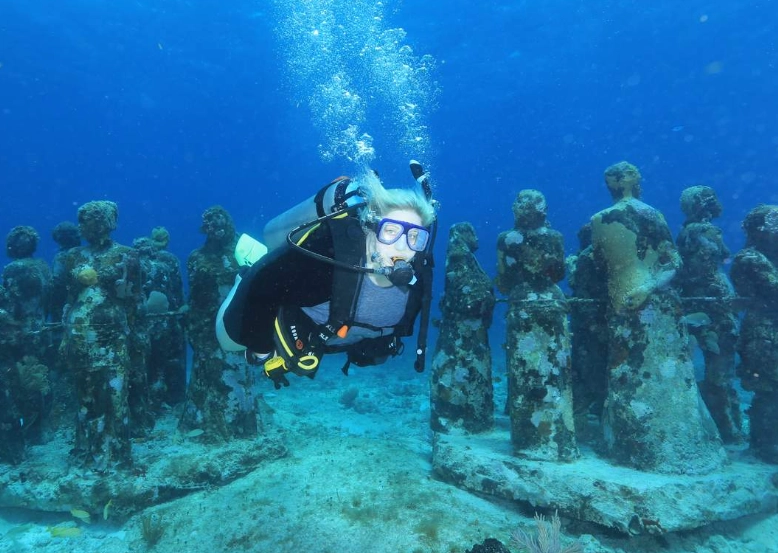
Best Time & Budget: Dry season is roughly December to April. Roatán offers excellent value, especially compared to other Caribbean islands. You can find affordable all-inclusive dive resorts.
3. The Gili Islands, Indonesia
Why it's perfect: No cars, no stress. Gili Trawangan, Gili Meno, and Gili Air are surrounded by calm, clear waters with gentle slopes. The currents are mild, and there's a huge variety of dive sites within a 10-minute boat ride. It's a backpacker and diver paradise with a fun social scene. The sheer number of dive shops keeps prices competitive and standards generally high.
What you'll see: Turtles (so many turtles), reef sharks, bumphead parrotfish, and amazing macro life like pygmy seahorses. The coral is rebounding well in many areas.
Best Time & Budget: April to October for the best conditions. Very budget-friendly. You can get certified here for a fraction of the cost in North America or Europe. Just research your dive center carefully.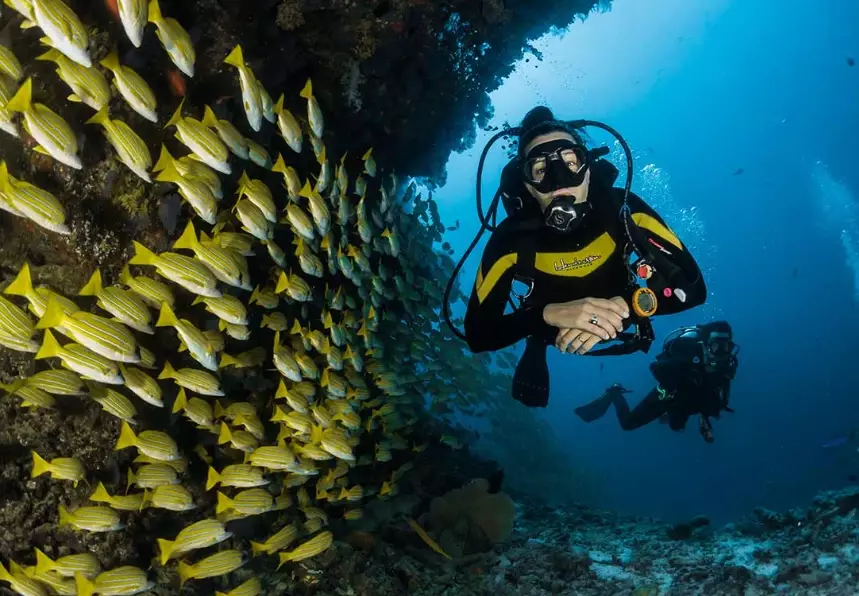
Let's keep the list going with a quick rundown of other stellar choices:
4. Bonaire, Caribbean Netherlands: The "shore diving capital of the world." Rent a truck, grab tanks, and dive from marked sites all around the island at your own pace. It's incredibly easy and perfect for building skills through repetition. The marine park rules are strict, so the reef is pristine. Less ideal if you want a guided boat dive experience every time.
5. Key Largo, Florida, USA: Home to the John Pennekamp Coral Reef State Park, the first underwater park in the U.S. The conditions are reliably good, the operations are highly professional (and regulated), and you can dive the famous Christ of the Abyss statue in shallow water. A fantastic, no-hassle option for North Americans.
6. Maui, Hawaii, USA: Specifically, the Molokini Crater. This partially submerged volcanic crater is a marine sanctuary. The inside is a calm, crescent-shaped bay with max depth around 12 meters, teeming with fish. It's a beginner's dream dive. The back wall is for advanced divers, giving you a goal for your next trip.
7. The Red Sea, Egypt (Sharm el-Sheikh & Hurghada): Don't let the advanced deep reefs fool you. The northern Red Sea has phenomenal sheltered bays like the famous Ras Mohammed National Park sites (e.g., Shark & Yolanda Reef) that have shallow, stunning plateaus. The value is unbeatable—warm water, incredible visibility, and all-inclusive dive packages are common. Just stick to the well-known operators.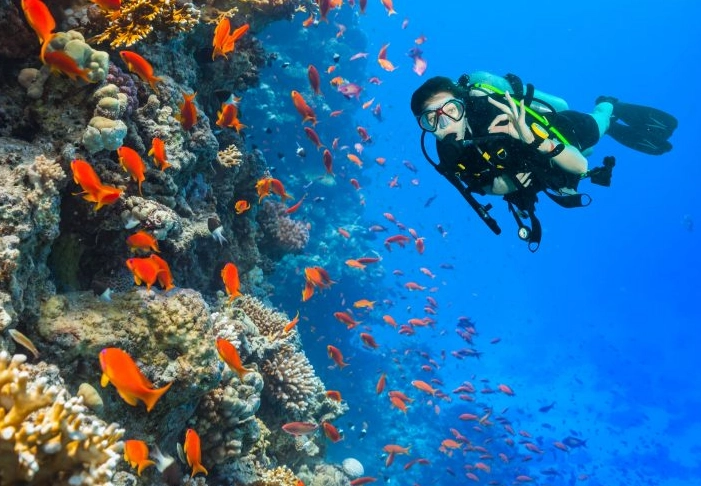
How to Choose Your First Dive Center
Picking the place is half the battle. Picking the right people to teach you is the other half. Don't just book the cheapest PADI or SSI course you find online.
Email them. Ask specific questions:
- "What is the maximum number of students per instructor?" (4:1 is the standard max for open water; 2:1 or 3:1 is premium).
- "Will my confined water (pool) sessions be in an actual pool or in a very shallow, sandy ocean area?" (Both are valid, but know what you're getting).
- "Can you describe the exact sites used for the four open water training dives?" (A good shop will proudly tell you).
Their response time and the detail in their answers tell you everything about their customer service and attention to detail. Read recent reviews, but look for patterns about safety and patience, not just "fun."
A Common Mistake Even Smart Beginners Make
Here's a subtle point most blogs miss: over-indexing on water temperature.
Everyone wants warm, bathtub-like water. But super warm water (above 29°C/84°F) has a downside: you often don't need a wetsuit. Without that neoprene's buoyancy, new divers struggle immensely with buoyancy control. You'll either sink like a stone or inflate your BCD (buoyancy compensator) too much and rocket to the surface. It's frustrating.
A location with water around 24-27°C (75-80°F) is ideal. You'll wear a 3mm or 5mm wetsuit. That suit gives you inherent buoyancy and makes fine-tuning with your BCD much, much easier. You'll learn proper technique faster. Don't fear slightly cooler water—it often makes for better learning.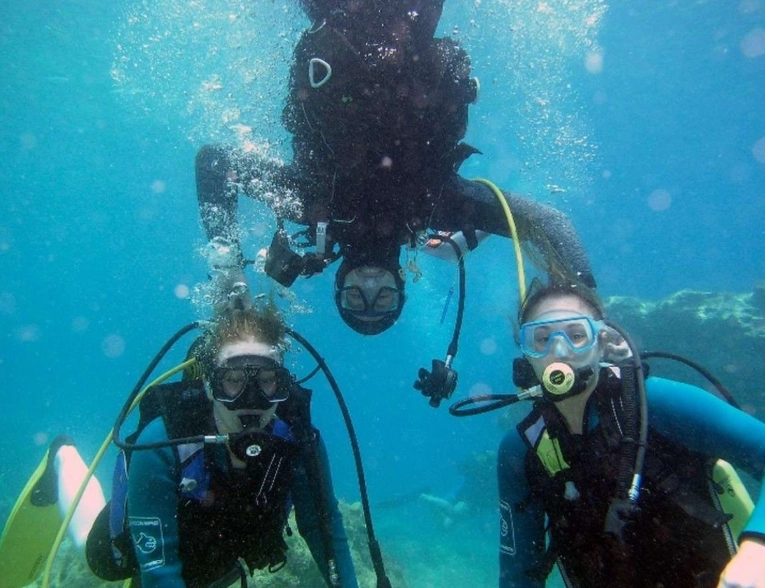
Your First Dive: Questions Answered
The best place for your first scuba dive is the one that makes you feel safe, supported, and excited. It's the combination of environment and people. Whether you choose the structured ease of Hawaii, the reef-access of Roatán, or the adventure of Indonesia, prioritize calm conditions and a dive center that communicates well. That first breath underwater should be a gasp of wonder, not panic. Choose wisely, and you'll be hooked for life.
Your comment