Let's cut to the chase: if you're a new diver wondering about the best time to dip your fins in the Caribbean, November is a secret sweet spot most people overlook. The frantic summer crowds are gone. The peak holiday prices haven't hit yet. And crucially, the Atlantic hurricane season is typically winding down, leaving behind calm, clear, and warm water. It's like the ocean takes a deep, peaceful breath. For a beginner, this translates to less anxiety about surface conditions, better visibility to see the amazing stuff, and a more relaxed vibe overall. I've been guiding new divers here for over a decade, and I always steer them towards late fall for their first open-water adventures.
Your Quick Dive Plan
- Why November is Prime Time for New Divers
- How to Choose Your First Caribbean Dive Site?
- Top 4 Caribbean Islands for Beginner Diving in November
- Making It Happen: Logistics & Trip Planning
- Beyond the Manual: Pro Safety Tips for Your First Trip
- Your Questions, Answered (The Stuff You're Really Worried About)
Why November is Prime Time for New Divers
Everyone talks about the "dry season" starting in December. But November sits right in that golden window after the majority of tropical storm activity has passed (based on historical data from the National Hurricane Center) and before the Christmas rush. The sea has had time to settle. Water temperatures are still a balmy 80-82°F (27-28°C), so a 3mm wetsuit is more than enough—sometimes you can even just dive in a rash guard. Visibility often exceeds 100 feet. As a beginner, managing your buoyancy and breathing is your main job. Doing that in a calm, warm, clear environment is half the battle won.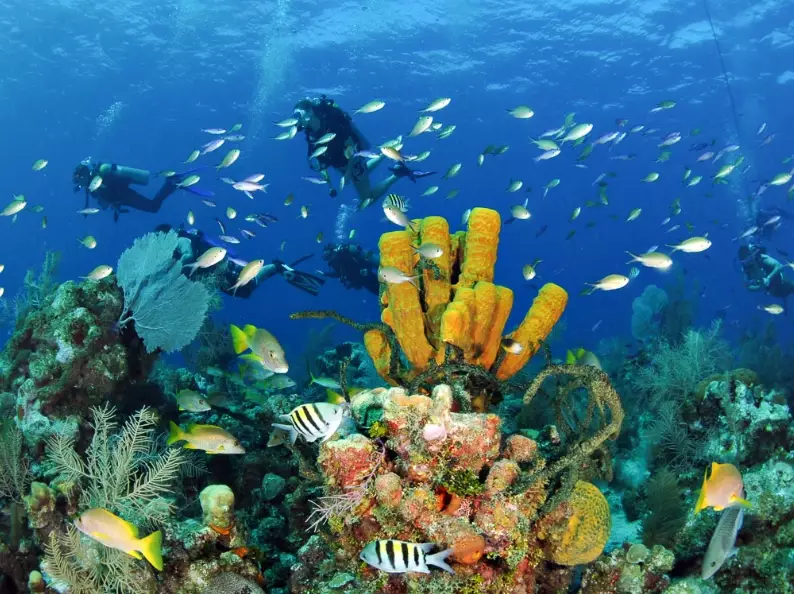
A Local's Note: Don't get spooked by the term "hurricane season." By late November, the statistical probability of a storm impacting your dive trip is very low, especially in the southern Caribbean islands like Bonaire or Curacao, which are outside the main hurricane belt.
How to Choose Your First Caribbean Dive Site?
Picking the right spot isn't just about pretty fish. It's about setting yourself up for success. Here’s what I tell my students to prioritize:
- Sheltered Conditions: Look for leeward (downwind) coasts or bays protected by reefs or landmasses. These areas have minimal current and small waves.
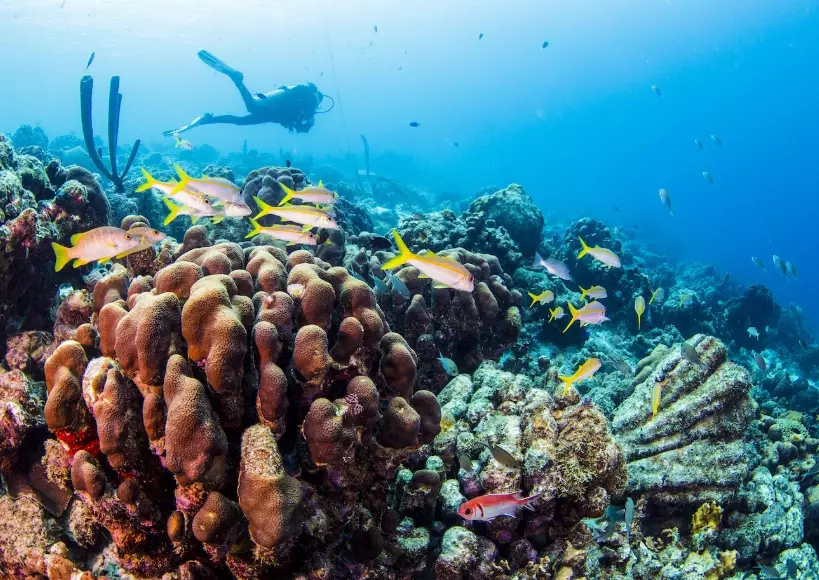
- Shallow Reefs: Sites with expansive reefs starting at 20-30 feet. This gives you plenty of bottom time to practice skills without going deep.
- Shore Diving Access: Islands with good shore diving (like Bonaire) are a game-changer. You can go at your own pace, without the pressure of a boat schedule.
- Dive Center Culture: Seek out operations known for patience and small groups. Read reviews specifically mentioning "beginner-friendly." A good dive guide can make all the difference.
Top 4 Caribbean Islands for Beginner Diving in November
Based on consistent conditions, infrastructure for new divers, and sheer enjoyment factor, these are my top recommendations.
1. Bonaire: The Stress-Free Shore Diving Capital
Bonaire is almost a cheat code for beginners. The entire leeward coast is a protected marine park with dozens of marked shore dive sites. You rent a truck, load your gear, and pick a site. No boats, no schedules. The reefs start just a few fin kicks from the shore and are packed with life. In November, the water is flat as a lake. It's the perfect place to build confidence. The local dive culture is ultra-chill and safety-focused.
Top Beginner Site: Something Special (yes, that's its name). A gentle slope to 40ft, tons of parrotfish, angelfish, and an old anchor. Easy entry from a small beach.
Getting There: Fly into Flamingo International Airport (BON). Most flights connect via Miami, Atlanta, or Amsterdam.
Dive Operator Suggestion: Buddy Dive Resort. They offer drive-through tank fills and excellent beginner packages.
Where to Stay: Harbour Village Beach Club. Right on a calm beach with its own dive center. Expect to pay $250-$400/night for a suite.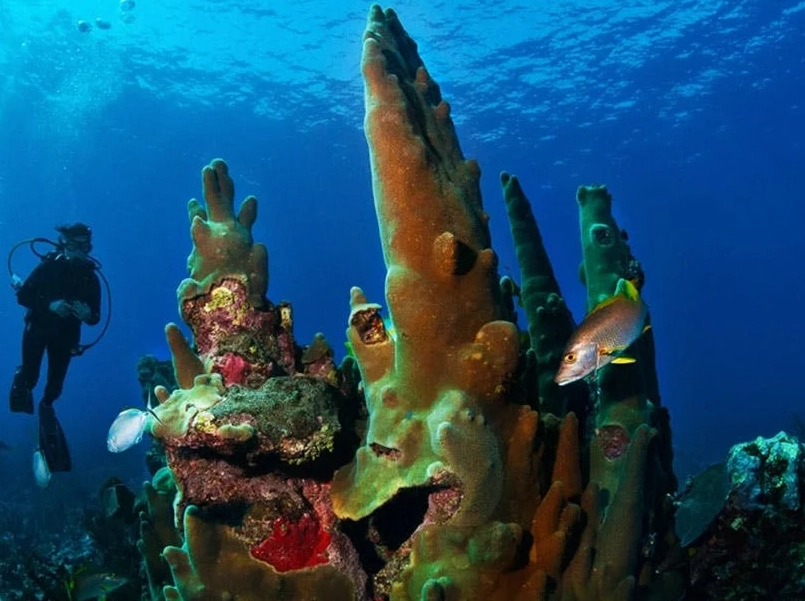
2. Cayman Islands: Grand Cayman's Gentle West Side
Grand Cayman's Seven Mile Beach area is a hub for beginner-friendly boat diving. The sites are close to shore, the operations are supremely professional (this is a major financial center, after all), and the underwater scenery is stunningly clear. You'll often do two-tank boat trips that mix a shallow reef dive with something like the famous Stingray City sandbar—a 12-foot deep experience with rays that feels more like snorkeling.
Top Beginner Site: Eden Rock or Devil's Grotto. Twin sites right in George Town harbor. Max depth 30-50ft, with swim-throughs and massive tarpon. It can get busy with cruise ship groups, so go early.
Getting There: Direct flights to Owen Roberts International (GCM) from many US hubs.
Dive Operator Suggestion: Don Foster's Dive. They've been around forever and have a great reputation for handling new divers.
Where to Stay: Sunshine Suites Resort. Affordable, all-suite, no-resort-fee option near Seven Mile Beach. Around $200-$300/night.
3. Curacao: Bonaire's Charming, Less-Intense Cousin
Curacao offers a blend of easy shore dives and boat dives, with more of a "destination" feel than Bonaire—think colorful Willemstad architecture and great restaurants. The south coast is lined with calm bays. The reefs are healthy and the marine life is diverse. It's a fantastic alternative if you want a mix of diving and other activities.
Top Beginner Site: Porto Mari. A beautiful double reef system accessible from a gorgeous beach. The "Wild Side" reef starts at 15ft. There's a beach club with facilities right there.
Getting There: Fly into Hato International Airport (CUR). Connections via Miami or Amsterdam.
Dive Operator Suggestion: The Dive Bus. They specialize in shore diving tours and have a super fun, educational approach.
Where to Stay: LionsDive Beach Resort. Has an on-site dive center (Ocean Encounters) and is right next to the Marine Park. Rates from $180-$350/night.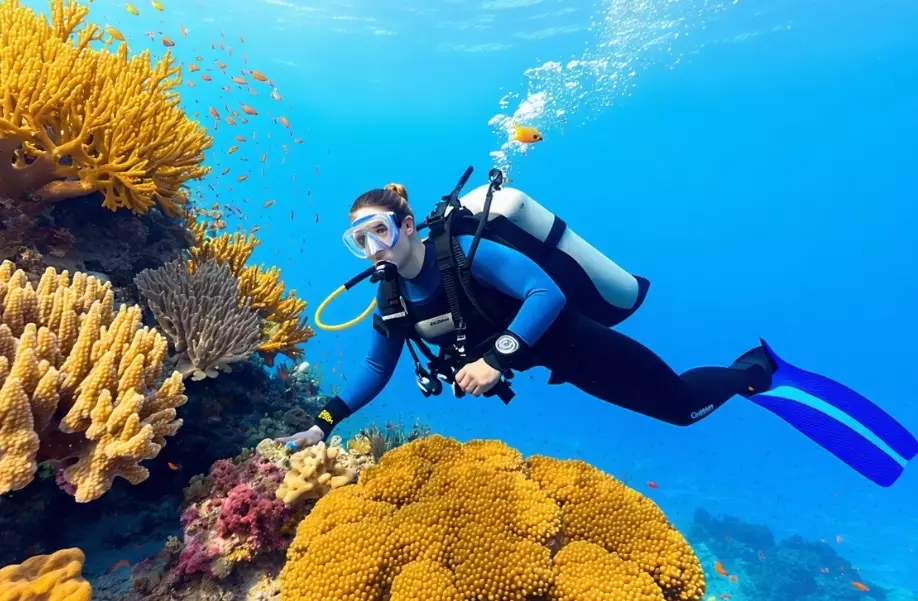
4. Bahamas: The Shark & Plane Wreck Playground (Yes, for Beginners!)
Hear me out. Places like Nassau or Freeport have purpose-sunk wrecks in shallow, protected water. Diving the Ray of Hope wreck (a 60-foot plane at 45ft) or the Stuart Cove's shark feeds (in controlled, shallow conditions) are beginner dives under strict supervision. The water is phenomenally clear. It's for the new diver who wants something dramatically different from a reef dive.
Top Beginner Site: The Sea Garden off Nassau. A shallow (25ft max) coral garden teeming with fish, perfect for a first or second ocean dive.
Getting There: Tons of direct flights to Nassau (NAS) or Freeport (FPO).
Dive Operator Suggestion: Stuart Cove's Dive Bahamas. They are the experts in Nassau and run specific programs for beginners.
Where to Stay: Breezes Resort & Spa Bahamas. An all-inclusive on Cable Beach with a dive shop on property. Good value, around $200-$400/night all-inclusive.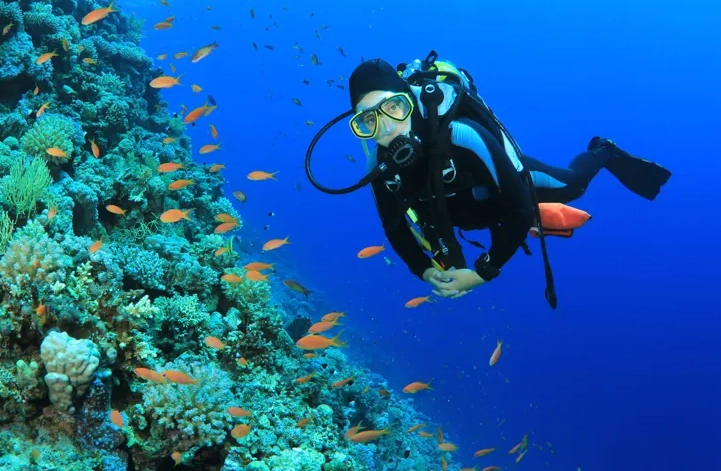
| Island | Best For | Avg. Nov. Visibility | Water Temp | Typical 2-Tank Boat Dive Cost |
|---|---|---|---|---|
| Bonaire | Shore diving independence, calm seas | 80-100+ ft | 82°F (28°C) | $90 - $110 (shore tank rental cheaper) |
| Grand Cayman | Professional boat ops, iconic sites | 70-100 ft | 81°F (27°C) | $120 - $150 |
| Curacao | Mix of culture & diving, easy shore entries | 70-90 ft | 81°F (27°C) | $100 - $130 |
| Bahamas (Nassau) | Shallow wrecks & unique encounters | 80-100 ft | 78°F (26°C) | $110 - $140 |
Making It Happen: Logistics & Trip Planning
Let's talk real planning. A 5-7 day trip is ideal for a first dive vacation. You need a day to travel, a day for a refresher/checkout dive, then 3-4 full diving days with rest days in between. Book your dive operator when you book your flight. Good shops in November can fill up. Tell them you're a new open water diver. They'll often pair you with a similar-level buddy or a dedicated guide.
Budget beyond flights and hotel: factor in diving ($100-$150/day), equipment rental ($30-$50/day if you don't bring your own), marine park fees ($25-$45 per trip), and tips for your guides ($5-$10 per tank). Travel insurance that covers diving is non-negotiable. I use DAN (Divers Alert Network) for both insurance and safety resources.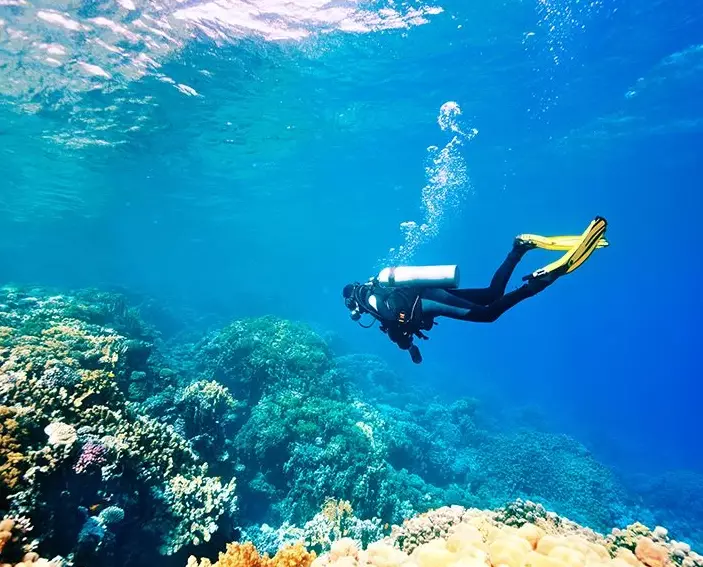
Beyond the Manual: Pro Safety Tips for Your First Trip
Your certification course taught you the basics. Here's what they might not have emphasized enough for a real trip:
- The 24-Hour No-Fly Rule is Real. Don't book a flight home within 24 hours of your last dive. Period. I've seen people try to sneak in a morning dive before an afternoon flight. It's the biggest, dumbest risk you can take.
- Hydrate Like It's Your Job. Sun, salt, and breathing dry air dehydrate you fast, increasing fatigue and decompression sickness risk. Drink twice as much water as you think you need.
- Listen to Your Gut (and Your Body). Tired? Skip a dive. Not feeling the planned deep dive? Speak up. A good dive op will have an alternative. This is recreation, not a military operation.
- Touch Nothing. This is the cornerstone of sustainable diving. A coral polyp you crush takes decades to regrow. That "harmless" sea cucumber is stressed. Buoyancy control is your best tool for protection.
Your comment