You're thinking about a Caribbean dive trip in October or November. Good call. The crowds are thinning, the water's still warm, and the prices... well, they start to look a lot more friendly. But then that little voice chimes in: "Isn't that hurricane season?" Let's clear that up right now. Yes, it's technically the tail end of the Atlantic hurricane season. But the Caribbean is a big place, and blanket fear will make you miss some of the best diving conditions of the entire year. The secret isn't avoiding the season—it's knowing where to go.
I've been planning and leading trips down here for over a decade. The mistake I see most? People either write off these months completely or book the first cheap flight to a hurricane-prone island without a second thought. This guide is about finding that perfect middle ground: incredible visibility, active marine life, and significantly lower odds of your trip being a washout.
What's Inside This Guide
Why October & November Can Be Secretly Perfect for Diving
Let's talk about the elephant in the room: weather. According to historical data from the National Hurricane Center, hurricane activity peaks in early September and declines steadily through November. By late October and November, especially in the southern Caribbean, the risk drops dramatically. The trade-off? You get summer-like water temperatures (80-84°F / 27-29°C) but with far fewer people on the boats and reefs.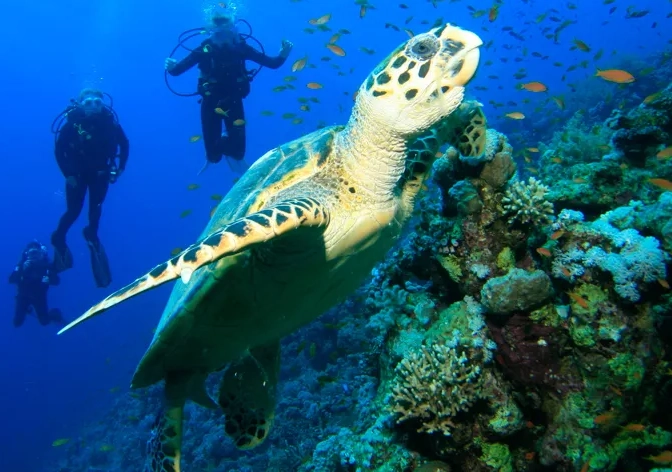
The water clarity in fall is often exceptional. Why? The summer plankton blooms have subsided, and the stronger winter winds haven't yet kicked up. This means 100-foot-plus visibility becomes the norm, not the exception. It's photographer's dream light.
Marine life is on the move. This is a transition period. You might catch the last of the whale shark season in certain spots, see increased pelagic activity as currents shift, and enjoy reefs that are less stressed from months of heavy tourist traffic.
Local Insight: Many dive shops run with smaller groups during this shoulder season. That often translates to more personalized attention from your guide. I've had boats where it was just me and the DM, getting to spend 70 minutes on a site because no one was waiting for the next slot. That's a luxury you rarely get in December or March.
The Island Breakdown: Where to Go (And Where to Be Cautious)
Not all Caribbean islands are created equal in fall. Location is everything. The further south and east you go, the lower your historical storm risk. Islands outside the traditional "hurricane belt" become your best friends.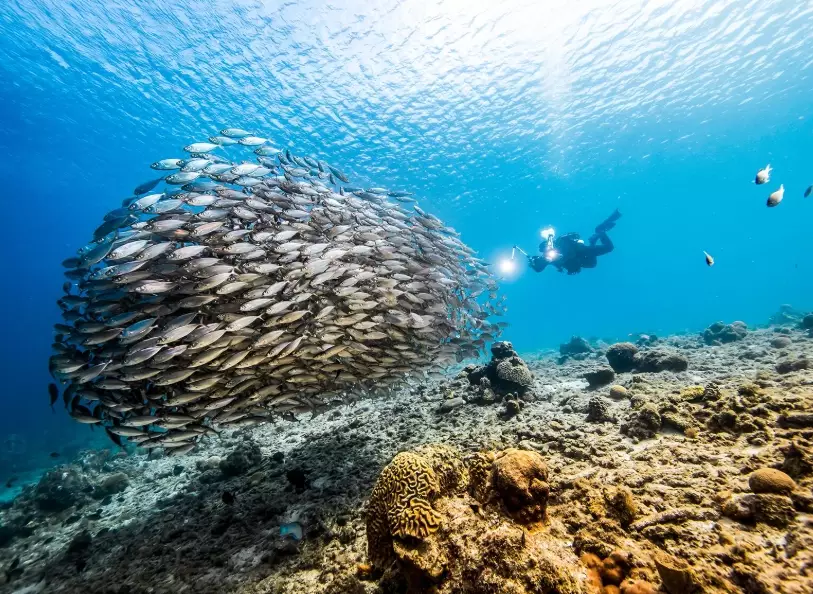
Here’s a quick comparison to help you visualize your options:
| Island/Destination | October/November Vibe | Key Diving Feature | Best For |
|---|---|---|---|
| Bonaire | Top Choice. Leeward side is famously calm. Minimal storm risk. | Unbeatable shore diving. Reefs packed with macro life (seahorses, frogfish). | Independence, photographers, unlimited diving. |
| Cayman Islands | Very Good. Occasional brief rain showers, but diving is rarely affected. | Sheer walls, stingray city, consistent conditions. | Wall diving, family trips, reliable operations. |
| Curacao | Very Good. Similar to Bonaire. South coast stays protected. | Dramatic shore-accessible drop-offs, vibrant coral, easy diving. | Mix of diving & culture, budget-friendly, varied sites. |
| Aruba | Good. Leeward side is calm. More wind/waves possible on north coast. | Wreck diving (Antilla), reef systems. Less pristine than ABC islands. | Non-diving companions, wreck enthusiasts. |
| Bahamas (Nassau/Exumas) | Caution Advised. Higher storm risk. Short, expensive flights if cancelled. | Shark dives, blue holes, stunning topography. | Adrenaline seekers (when weather holds). |
| Cozumel, Mexico | Unpredictable. Rainy season. North winds can cancel boats for days. | World-class drift diving along Palancar Reef. | Experienced drift divers with flexible schedules. |
My personal, non-consensus take? Everyone rushes to the "big name" storm-prone islands in summer because they don't know better. The savvy divers have been quietly enjoying the ABC Islands (Aruba, Bonaire, Curacao) for years during this window. The diving is more reliable, and you're not gambling with your precious vacation time.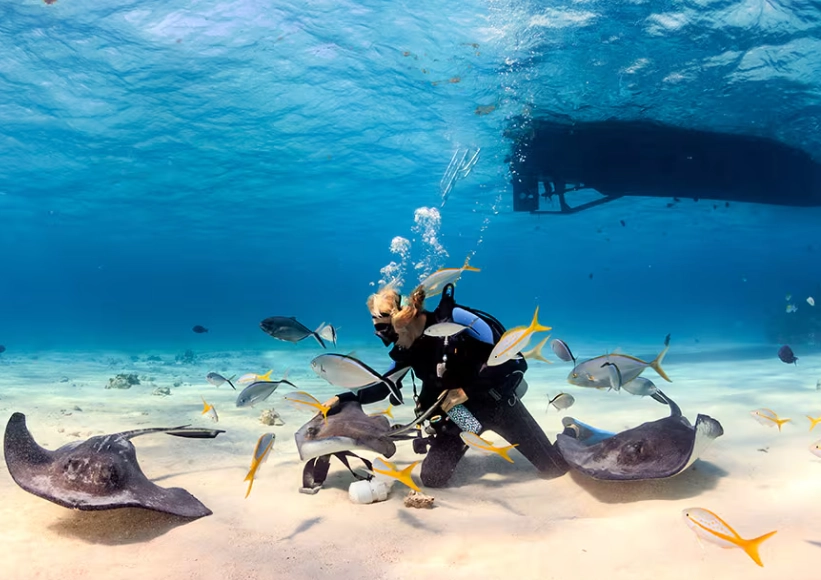
Crafting Your Itinerary: Must-See Dive Sites
Okay, you've picked a region. Now, what's under the water? Let's get specific.
For the Southern Caribbean (ABC Islands Focus)
Bonaire: Don't just book boat dives. Rent a truck, tanks, and a guidebook. Sites like Salt Pier (for incredible silhouettes and schooling fish) and 1,000 Steps (it's not actually a thousand, don't worry) offer world-class diving straight from the shore. The reef crest is shallow and packed with life—perfect for long, relaxed dives. Night dives at the small piers are a macro paradise.
Curacao: Head to the western end. Playa Kalki (Alice in Wonderland) is a stunning double reef system you can swim out to. For an advanced dive, Superior Producer wreck sits upright in 100 feet of water, covered in sponges. The visibility here in November is usually gin-clear.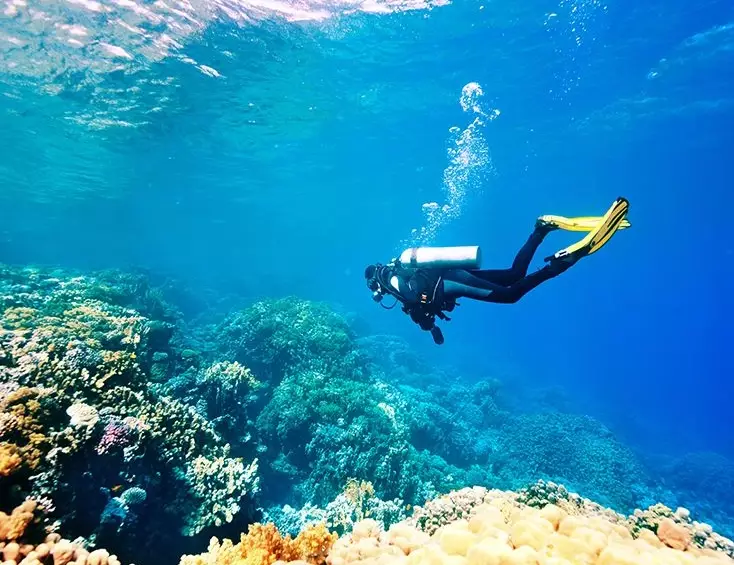
For the Western Caribbean
Grand Cayman: Stingray City is the famous one, but the sandbar can get choppy if winds pick up. The real fall gem is the North Wall. Sites like Eagle's Nest and Orange Canyon are less frequently dived in summer due to currents, but fall conditions can be ideal. The wall plunges into the abyss, and you'll see huge sponges and schools of horse-eye jacks.
Cozumel (if you're lucky): If the north winds stay away, Palancar Gardens and Santa Rosa Wall offer some of the most colorful, current-swept coral formations in the hemisphere. But have a backup plan—like cenote diving on the mainland—because boat cancellations are common.
A Wild Card: The Bahamas (For the Bold)
If you monitor forecasts closely and have flexibility, late November can pay off. Tiger Beach off Grand Bahama for shark encounters is a bucket-list trip. The water might be slightly cooler, but the shark activity is intense. This is not a beginner dive, and trip insurance is non-negotiable.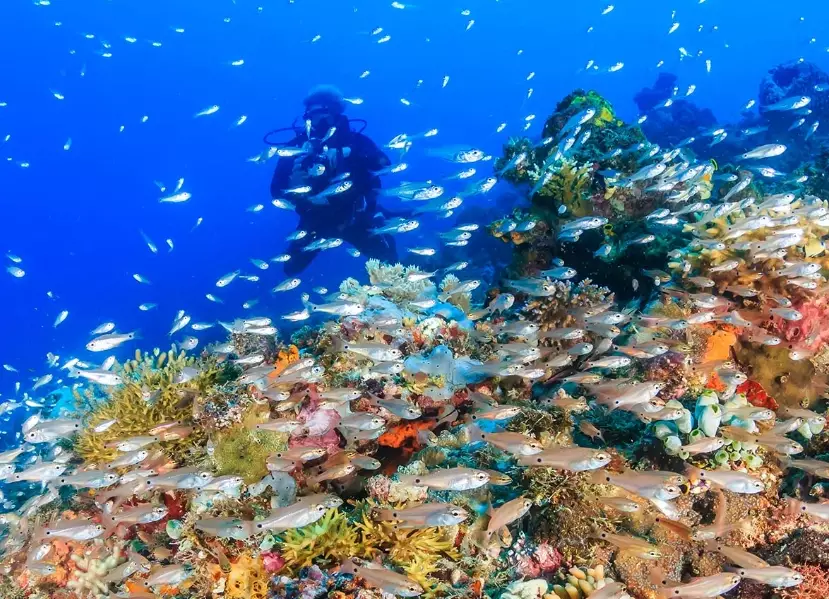
Planning Your Fall Diving Trip: The Nuts & Bolts
This is where trips succeed or fail. A little extra planning in October/November goes a long way.
Travel Insurance: This isn't a nice-to-have; it's essential. Get a policy that specifically covers "trip cancellation for any reason" or at least for hurricane-related disruptions. Read the fine print—many standard policies won't cover you if a hurricane is named before you buy the policy, even if your travel dates are later.
Booking Strategy: Book flights and lodging with good cancellation policies. Many resorts in low-risk areas offer "hurricane guarantees" where you can rebook if a storm hits. I prefer booking dive packages directly with smaller, owner-operated shops. They're more invested in making your trip work and will often help reschedule dives around passing weather fronts.
Packing: Bring a light wetsuit (3mm). While the water is warm, you might do 3-4 dives a day, and you'll get cold. Also, pack a quality rain jacket and waterproof bag for your gear. Afternoon showers can be brief but heavy.
Mindset: Have a flexible attitude. You might have a morning of rain and an afternoon of perfect sunshine. The dive schedule might flip-flop days to chase the best conditions. This is part of the adventure.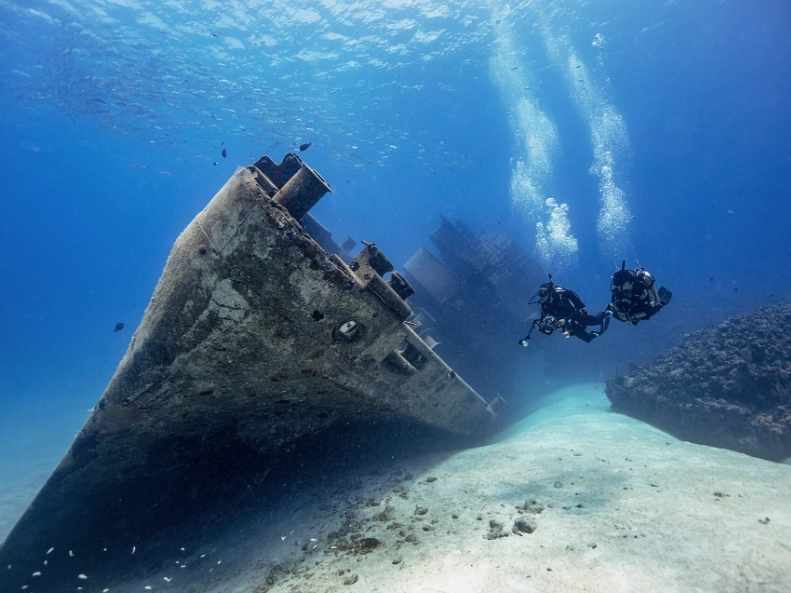
Your Burning Questions Answered
Is it safe to dive in the Caribbean during hurricane season?
Safety is the number one priority for any reputable dive operator. Boats won't go out if conditions are unsafe. The key is choosing a destination with a naturally protected coastline (like the leeward sides of Bonaire or Curacao) where daily diving operations are rarely interrupted, even if there's a storm hundreds of miles away. The risk isn't about being in a hurricane while diving; it's about your flights getting cancelled.
What's the one mistake divers make when booking a fall Caribbean trip?
They choose based on flight price alone. A $100 cheaper flight to an island with a high historical storm risk isn't a deal—it's a liability. I've seen people save on airfare only to spend their "dive vacation" sitting in a hotel bar watching rain. Spend a little more to fly south to the ABCs. The diving will be guaranteed, and that's what you're really paying for.
We want to see big animals. Is October/November a good time for that?
It can be, but you have to be specific. Don't expect a guarantee. In places like Little Cayman, the chance for schooling eagle rays and hammerheads increases as the water cools slightly. In the Bahamas, shark activity remains high. But the consistent big-animal show is the southern Caribbean's healthy resident population of turtles, tarpon, and rays. For reliable big stuff, you're better off with the resident creatures than the migratory ones this time of year.
How far in advance should I book for an October trip?
2-4 months is the sweet spot. This isn't peak Christmas season, so you don't need to book a year out. Booking by late summer gives you good options on flights and the best dive lodges, which do fill up even in shoulder season with those in the know.
Is shore diving a good option in the fall?
It's the secret weapon. In the ABC Islands, shore diving is world-class and completely unaffected by boat-cancelling winds. If the weather turns and boats are grounded (which is rare there), you can still dive. This makes Bonaire and Curacao particularly resilient choices. You're never "stuck."
The bottom line? Diving the Caribbean in October and November isn't a compromise—it's a strategic choice for better conditions, smaller crowds, and better value. Forget the fear, focus on geography, and you'll unlock some of the most serene and spectacular diving the region has to offer. Pack your sense of adventure (and that rain jacket), and you're in for a treat.
Your comment