Ask any seasoned diver about the Caribbean, and their eyes light up. It's a vast, sun-drenched playground of underwater mountains, historic wrecks, and coral cities teeming with life. But here's the thing that most generic listicles won't tell you: "best" is deeply personal. The perfect Caribbean dive trip for a shark enthusiast in the Bahamas is worlds apart from the ideal trip for a macro photography nut in Bonaire. After countless trips and hundreds of dives across the region, I've learned that finding the best scuba diving in the Caribbean isn't about a single spot—it's about matching the right island's personality to your diving goals.
Let's cut through the brochure hype and get into the real details that help you plan.
Your Dive Plan at a Glance
- Top 5 Caribbean Dive Destinations You Can't Miss
- How to Choose the Right Caribbean Dive Destination for You?
- What is the Best Time of Year to Dive in the Caribbean?
- Planning Your Caribbean Diving Trip: A Step-by-Step Guide
- Caribbean Diving on a Budget: Is It Possible?
- Staying Safe and Sustainable Underwater
Top 5 Caribbean Dive Destinations You Can't Miss
Forget just names. Here’s what you actually need to know about five standout locations, including the logistical nitty-gritty most blogs gloss over.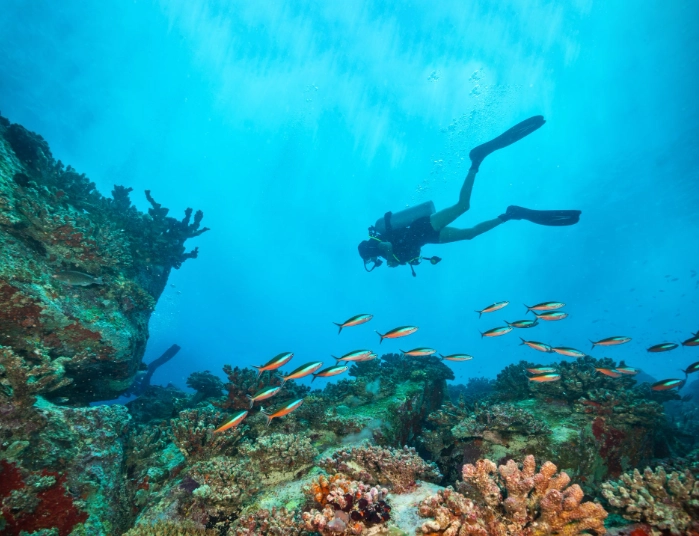
The Great Blue Hole, Belize
What it is: A massive, perfectly circular submarine sinkhole over 300 meters across and 125 meters deep. It's iconic, but it’s a one-dive wonder. The descent along the stalactite-covered wall is eerie and profound, but below 40 meters, it's dark and largely lifeless. The real magic of a Belize trip happens on the surrounding Turneffe and Lighthouse Atolls.
Getting there: You typically depart from San Pedro or Caye Caulker on a full-day liveaboard boat. The ride can be 2-3 hours each way, so prepare for a long day. Booking with a reputable operator like Belize Aggressor or a local shop such as Frenchies Diving is non-negotiable for safety.
Diver Level: Advanced due to depth (the dive often goes to 40m/130ft). You need deep dive specialty training or very solid buoyancy and experience.
My take: It's worth doing once for the geological spectacle. But don't build your whole trip around it. Pair it with dives at Half Moon Caye Wall or the Elbow for incredible shark and ray action.
Shark Reef, Tiger Beach, Bahamas
What it is: A shallow sandy plateau near Grand Bahama where Caribbean reef sharks, lemon sharks, and the legendary tiger sharks congregate. It's a baited, shark-feeding dive operated by a handful of specialized operators.
Getting there: You base yourself in Freeport, Grand Bahama. Trips run on dedicated liveaboards that stay out at Tiger Beach for multiple days, as it's a 2-3 hour boat ride from the marina. Operators like Neal Watson's Bimini Scuba Center or Jim Abernethy's Scuba Adventures have the permits and expertise.
Diver Level: Intermediate to Advanced. You must be comfortable kneeling in sand at 6-10 meters with multiple large sharks nearby. No touching, no sudden movements.
My take: This is the most accessible reliable tiger shark encounter on the planet. The water is often crystal clear and shallow, allowing for amazing photography. It's a controlled, educational experience that shatters shark stereotypes.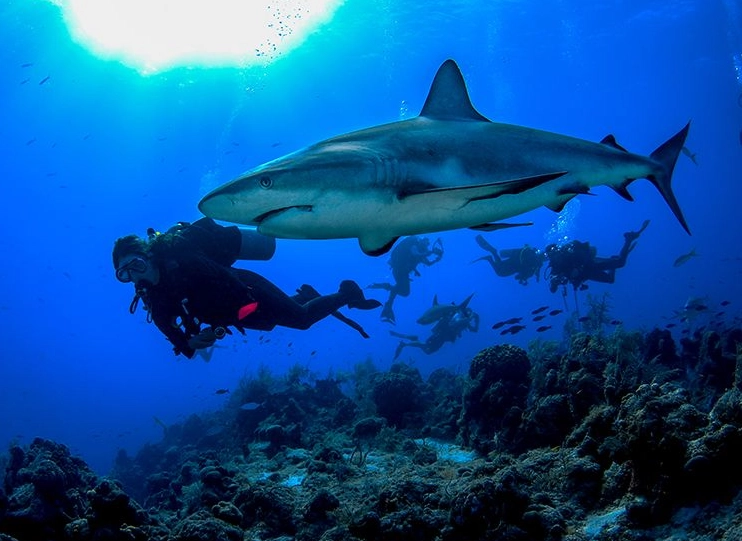
SS Antilla Wreck, Aruba
What it is: The largest shipwreck in the Caribbean, a 400-foot German freighter scuttled in 1940. It lies in two main sections on a sandy bottom, starting at just 18 meters and reaching down to 27 meters. It's absolutely blanketed in sponges, corals, and schooling fish.
Getting there: Daily boat trips run from most dive shops on Aruba's leeward coast (like Red Sail Sports or SEA Aruba). The ride is usually under 30 minutes from Oranjestad or Palm Beach.
Diver Level: Intermediate. Good buoyancy is a must to avoid damaging the fragile growth and to navigate the open hatches safely.
My take: An epic wreck dive that feels like swimming through an underwater skyscraper. It's huge, so you'll need multiple dives to see it all. The shallow depth means long bottom times. Pair it with dives at the nearby Pedernales wreck or the beautiful reef at Mangel Halto.
Karpata & Something Special, Bonaire
What it is: This isn't one site, but the essence of Bonaire's shore diving paradise. The entire leeward coast is a protected marine park with dozens of marked entry points. Karpata is a classic, easy shore dive with a sloping reef and prolific marine life. "Something Special" is another shore spot famous for seahorses and frogfish.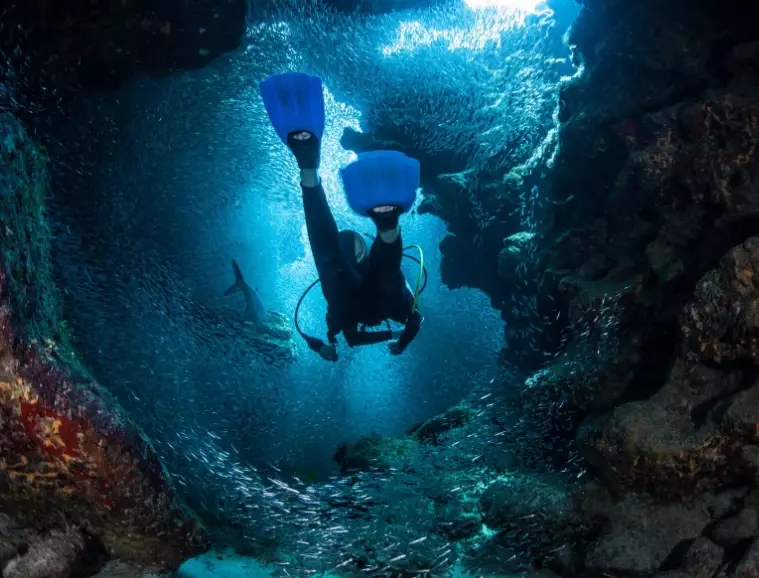
Getting there: You rent a truck, load your tanks from one of the island's tank depots (included with most dive packages), and drive. It's total freedom. Dive shops like Buddy Dive Resort or Wannadive offer excellent packages.
Diver Level: All levels, especially beginners and photographers. Shore diving requires a bit more fitness (entering over rocky shorelines) but offers unlimited time and flexibility.
My take: Bonaire is less about dramatic drop-offs and more about the convenience and density of marine life. It's a DIY diver's dream. The real pro tip? Don't just follow the crowd to the famous markers. Ask a local divemaster for their current favorite "secret" spot—the macro life shifts.
Stingray City & the Kittiwake, Grand Cayman
What it is: A legendary two-part combo. Stingray City is a shallow sandbar in North Sound where dozens of friendly southern stingrays interact with divers in 3 meters of water. The USS Kittiwake is a deliberately sunk former submarine rescue vessel, sitting upright in 20 meters, perfect for penetration.
Getting there: Most dive operators in Seven Mile Beach or George Town offer combined two-tank trips that hit both sites. Operators like Ocean Frontiers on the East End or Divetech are top-notch.
Diver Level: Beginner to Intermediate. Stingray City is suitable for snorkelers and new divers. The Kittiwake is straightforward for any certified diver.
My take: Stingray City is a unique, almost surreal experience. It's commercialized, yes, but the rays are wild and choose to be there for the food. The Kittiwake is one of the most photogenic and well-prepared wrecks I've seen. Grand Cayman does organized, high-quality diving very well.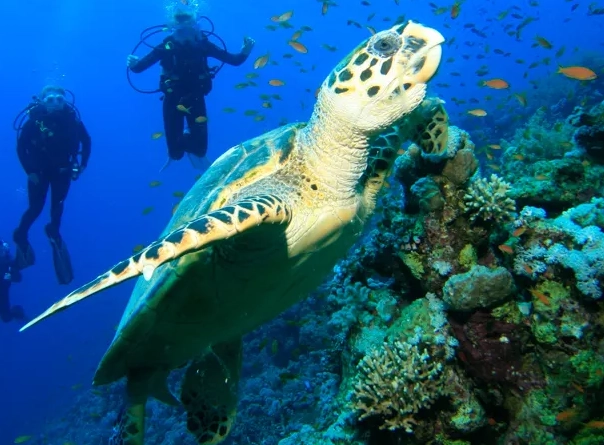
| Destination | Signature Experience | Best For | Typical Cost (2-tank boat dive) |
|---|---|---|---|
| Belize (Blue Hole/Atolls) | Blue Hole descent, big animal encounters on walls | Advanced divers, adventure seekers | $180 - $250 USD (Blue Hole trip) |
| Tiger Beach, Bahamas | Guaranteed shark diving (tigers, lemons, reefs) | Shark enthusiasts, underwater photographers | Part of multi-day liveaboard packages ($2000+) |
| Aruba | Massive, coral-encrusted wreck (SS Antilla) | Wreck lovers, intermediate divers | $90 - $130 USD |
| Bonaire | Unlimited easy shore diving, macro life | Budget divers, beginners, macro photographers | ~$30 USD (tank rental + marine park fee) |
| Grand Cayman | Interactive stingrays & a pristine wreck | Families, mixed-ability groups, first-time visitors | $110 - $160 USD |
How to Choose the Right Caribbean Dive Destination for You?
Stop looking for a universal "best." Ask yourself these questions instead:
What's your dive experience level?
New Divers ( Stick to calm, shallow sites with easy conditions. Bonaire (shore diving), Grand Cayman, Curaçao, or the sheltered bays of Roatan, Honduras are ideal. Avoid destinations known for strong currents or deep, mandatory dives like parts of Cozumel or the Blue Hole.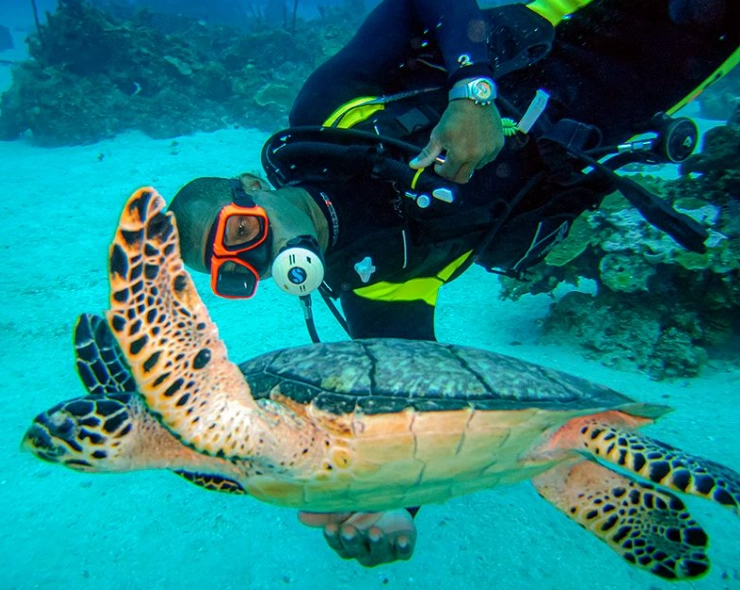
Intermediate/Advanced Divers: The world opens up. You can handle Cozumel's famous drifts, the walls of Little Cayman, or the advanced sites in Saba.
What creatures do you dream of seeing?
Sharks: Bahamas (Tiger Beach, Bimini), Fiji (though not Caribbean, often cross-compared).
Manta Rays: Lesser-known, but try the offshore banks of Belize or certain times in Cozumel.
Macro (frogfish, seahorses): Bonaire and Curaçao are kings.
Healthy Coral Reefs: Bonaire, Little Cayman, parts of the Turks and Caicos.
What's your travel style?
DIY & Budget-Conscious: Bonaire is unbeatable. Rent a truck, dive on your schedule.
Luxury & Convenience: Grand Cayman, Turks and Caicos. Resorts and high-end liveaboards.
Adventure & Remote: Liveaboards in the Bahamas (Exumas, Cat Island), or sailing trips in the Grenadines (like those documented by the Sailors for Sustainability).
What is the Best Time of Year to Dive in the Caribbean?
It's a trade-off between weather, crowds, and price.
Peak Season (Dec - April): Dry season, least chance of rain, calmest seas. Perfect conditions. It's also the most expensive and crowded. Christmas, New Year's, and Spring Break are particularly packed. Book dive operators and accommodations months in advance.
Shoulder Season (May - June, Nov): My personal favorite. Weather is still excellent, water is warm, prices drop, and the crowds thin out. Hurricane risk is very low in early summer.
Low Season/Summer-Fall (July - Oct): Hurricane season. This doesn't mean constant storms—it means higher humidity, brief afternoon showers, and a small risk of a trip-disrupting storm. The upside? The cheapest prices, the fewest divers, and the warmest water. Always get trip insurance that covers hurricane cancellations if you book during this window. Resources like the National Hurricane Center are essential to monitor.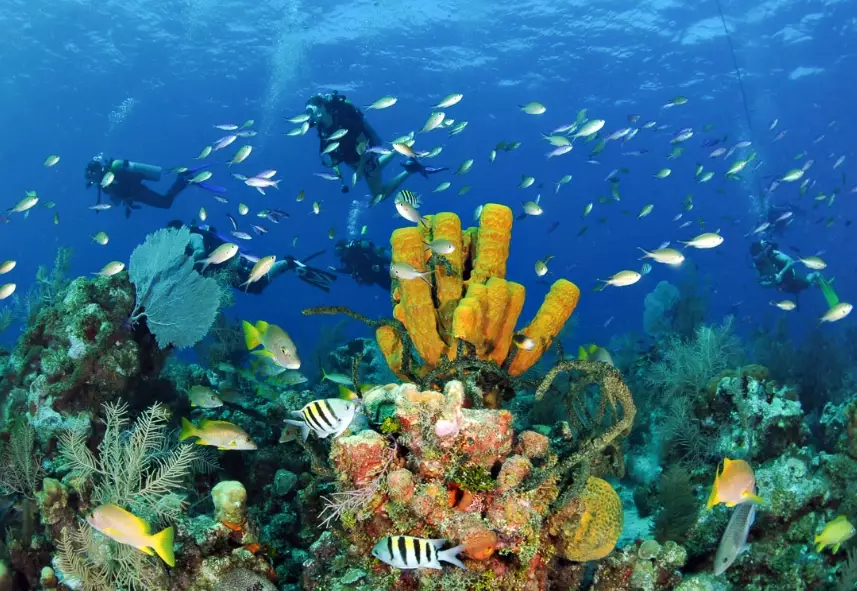
Planning Your Caribbean Diving Trip: A Step-by-Step Guide
- Lock in Your Priorities: Use the questions above. Is it sharks? Wrecks? Relaxation? Write down your top two.
- Research & Shortlist Islands: Don't just Google "best." Go to scuba forums like ScubaBoard and read recent trip reports. Look for posts from the last 6 months to get current conditions.
- Contact Dive Operators Directly: Email 2-3 shops on your shortlist. Ask specific questions: "What's the diver-to-guide ratio?" "Do you provide computers or just guides?" "What's your protocol for current management?" Their responsiveness tells you a lot.
- Book Flights & Diving Separately, But in Tandem: Sometimes dive resorts offer great flight-inclusive packages. Often, you can find cheaper flights yourself. Check flight availability to the island's main airport before committing.
- Gear Check: Will you bring your own gear or rent? Most shops have good rental gear, but if you're a large person or have small feet, call ahead about wetsuit and fin sizes. At a minimum, bring your mask, snorkel, computer, and exposure suit if you have one.
Caribbean Diving on a Budget: Is It Possible?
Absolutely, but you sacrifice some convenience. Bonaire is the champion here. The model is: rent a cheap apartment or condo, rent a pickup truck, buy a weekly tank package and marine park tag. Your cost per dive plummets compared to guided boat diving elsewhere.
Other budget tips:
- Travel Shoulder Season: Flights and lodging can be 30-50% cheaper.
- Look for All-Inclusive Dive Resorts: In places like Roatan or Cozumel, an all-inclusive (room, food, drinks, 2-3 boat dives daily) can be more cost-effective than paying à la carte.
- Consider the "Lesser" Islands: Instead of Grand Cayman, look at Cayman Brac. Instead of Providenciales (Turks and Caicos), look at South Caicos. The diving is often just as good, the prices lower.
- Skip the Extras: You don't need a guided night dive every trip. Do a shore dive at dusk instead.
Staying Safe and Sustainable Underwater
Safety first, always. Caribbean diving is generally benign, but complacency kills.
Currents: Cozumel, parts of the Bahamas, and some channels are famous for strong currents. Always listen to the dive briefing. Know how to perform a safety stop in a current (hold the line, or do a drifting stop). If you're not comfortable, sit the dive out.
Marine Life: Don't touch anything. This includes the "tame" stingrays. Corals are animals and can be killed by a brush of your fin. The fire coral sting is no joke. Lionfish are invasive and beautiful—look, don't touch their venomous spines.
Sustainability isn't a buzzword here; it's survival. Choose operators who are actively involved. Look for PADI Eco-Center certifications or those supporting local marine parks. Ask if they run lionfish culling dives (a crucial conservation effort in the Caribbean). Use reef-safe sunscreen. Every little bit helps preserve these places for the next diver.
Questions You Were Too Embarrassed to Ask
I'm a new diver with less than 20 dives. Which Caribbean destination is the safest and most rewarding?
Hands down, Bonaire or the Bay Islands of Honduras (Roatan/Utila). Bonaire gives you control: shallow, calm shore dives where you can build confidence at your own pace without the pressure of a boat schedule. Roatan has many protected, shallow reef dives accessible by boat with excellent dive shops used to nurturing new divers. Avoid destinations where the best sites are deep or require managing strong currents right away.
Is there a "secret" month with perfect weather but no crowds?
Early December. The hurricane season is definitively over, the Christmas rush hasn't hit yet, and the water is still wonderfully warm from the summer. Late April to early June is another sweet spot—after Easter break and before the summer heat and humidity peak.
I want to see big animals (sharks, rays). Is a liveaboard necessary, or can I do day trips?
For the most reliable big animal action, a liveaboard is usually worth it. Sites like Tiger Beach (Bahamas), the remote atolls of Belize, or the Silver Bank (Dominican Republic for humpback whales) are too far for day boats. Liveaboards get you there at the right times (dawn, dusk) and allow for multiple dives. For reef sharks and nurse sharks, day trips in places like Nassau (Bahamas) or Fiji work fine.
My partner doesn't dive. Will they be bored on a "dive-centric" island like Bonaire?
This is a common concern. Bonaire has fantastic windsurfing, kiteboarding, kayaking in the mangroves, and a charming little downtown (Kralendijk). Grand Cayman, Aruba, and Curaçao offer more traditional tourism—beaches, shopping, restaurants—alongside great diving, making them better for mixed groups.
What's the one piece of gear I should absolutely bring, even if I rent everything else?
Your own dive computer. Rental computers are often basic, and you're not familiar with their alarms or displays. Having your own computer means you're diving your profile, not a generic guide's. Second choice: a well-fitting mask. A leaking mask can ruin multiple dives.
The best scuba diving in the Caribbean is out there waiting, but it's not a one-size-fits-all postcard. It's the thrill of a tiger shark's shadow in the Bahamas, the quiet focus of finding a seahorse in Bonaire, or the awe of descending into the Blue Hole. Match the island to your personal diving heartbeat, plan with the details that matter, and you won't just have a good trip—you'll have your perfect trip.
Your comment