You're looking at your calendar, November is wide open, and the call of the turquoise Caribbean is strong. But you've heard the horror stories about rain and storms. Let me stop you right there. November is one of the best-kept secrets for Caribbean diving. The summer crowds are gone, the water is still bath-warm, and the visibility often hits its annual peak. The key is picking the right island. After a decade of guiding trips and chasing good viz, I can tell you that November diving isn't about avoiding bad weather everywhere—it's about knowing exactly where the weather is reliably good.
Your Quick Dive Guide
- Why November is a Secret Winner for Diving
- The Top 3 Destinations for November Dives
- Bonaire: The Shore Diving Capital
- Grand Cayman: Wall Diving & Stingray City
- Cozumel: The Drift Diving King
- Other Solid November Options
- Expert Tips for Planning Your November Trip
- Your November Diving Questions Answered
Why November is a Secret Winner for Diving
Most people think hurricane season and run. The official Atlantic season runs June to November 30th. But here's the non-consensus view: by mid-to-late November, the statistical chance of a tropical system affecting the southern Caribbean is extremely low. The weather patterns shift. You trade the volatile heat of summer for more stable, drier air coming in.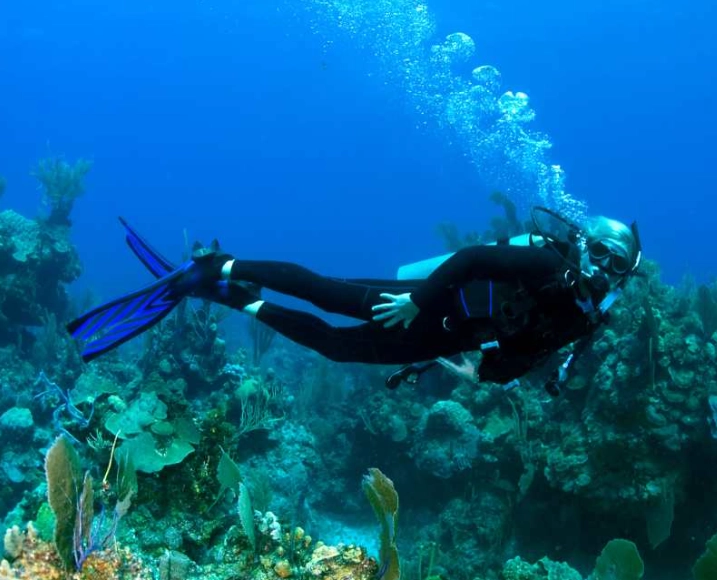
The water temperature is perfect—usually between 80-84°F (27-29°C). A 3mm wetsuit or even a rash guard is plenty. The big win? Visibility. After the summer's algal growth settles, the water clears up dramatically. I've seen 100-foot+ visibility regularly in places like Bonaire and Cayman in November. It's like diving in gin.
Local Insight: Don't just check generic "Caribbean weather" forecasts. Look at historical rainfall data for specific islands. The ABC Islands (Aruba, Bonaire, Curaçao) and the Caymans sit outside the classic hurricane belt and see significantly less rainfall in November compared to islands further north or east.
The Top 3 Destinations for November Dives
Based on reliability, dive conditions, and sheer variety, these three spots stand out. I've ranked them not just on the diving, but on the overall November experience—ease of travel, accommodation options, and that intangible "feeling" of a great dive trip.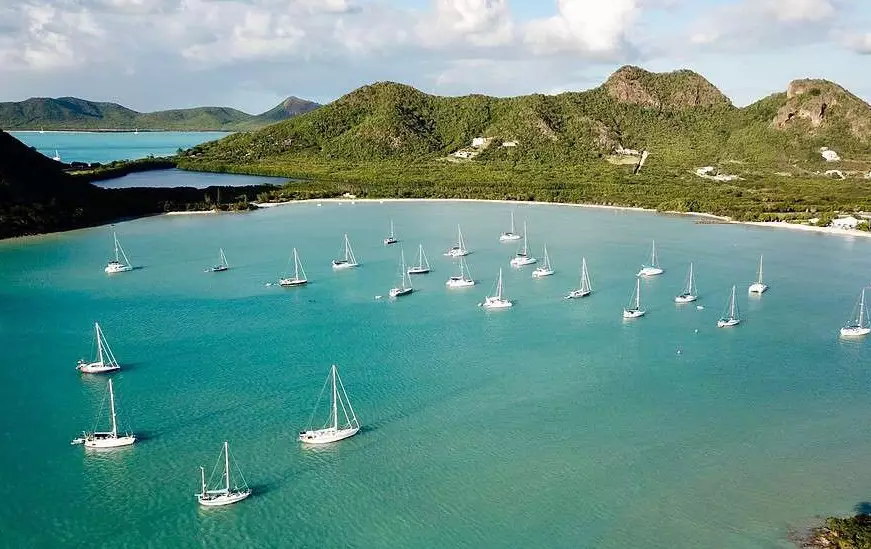
| Destination | Best For | November Vibe | Water Temp | Avg. Visibility |
|---|---|---|---|---|
| Bonaire | Unlimited shore diving, macro life, photographers | Quiet, DIY, relaxed | 82°F (28°C) | 80-100+ ft |
| Grand Cayman | Sheer walls, big animal encounters (stingrays), luxury | Upscale, easy, family-friendly | 83°F (28.5°C) | 70-100 ft |
| Cozumel | Epic drift dives, huge coral formations, affordability | Vibrant, dive-focused, great value | 81°F (27°C) | 80-120 ft |
Bonaire: The Shore Diving Capital
If you love freedom, Bonaire is your island. The entire leeward coast is a protected marine park with over 60 marked shore dive sites. You get a pickup truck with your tank rentals, a dive tag, and you're set. November is ideal because the winds are typically calm on the west side, making shore entries easy.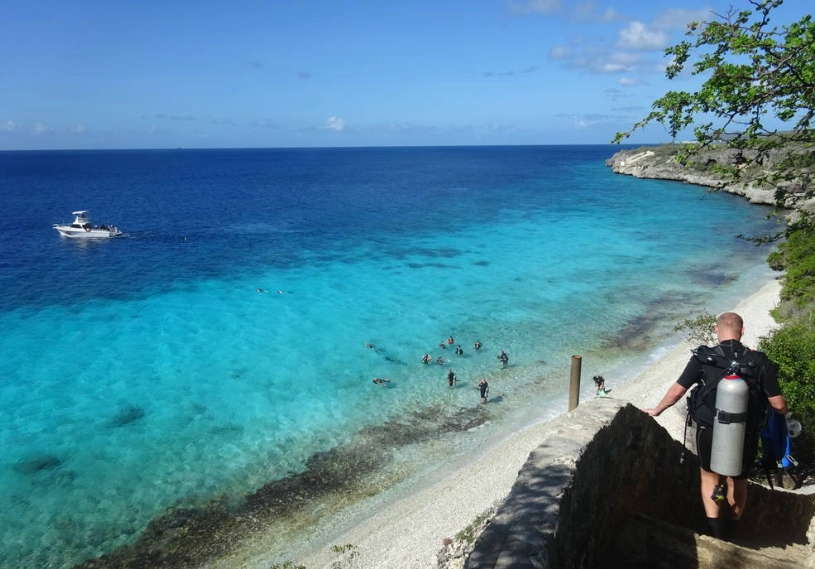
Can't-Miss Dive Sites
Salt Pier: An underwater photography heaven. The pilings are covered in sponges and tunicates. You'll find seahorses, frogfish, and schools of baitfish. Dive it in the morning for the best light beams.
Hilma Hooker: This 240-foot freighter wreck sits upright in about 100 feet of water. The deck is at 60 feet, perfect for recreational divers. It's absolutely covered in life—barracuda, tarpon, and massive schools of glassy sweepers inside the hull.
1,000 Steps: (There aren't really a thousand, maybe 67). A beautiful reef slope starting in shallow water and dropping off. Great for long, multi-level dives. Look for turtles napping under ledges.
Staying & Diving Logistics
Most divers stay at a dedicated dive resort. Places like Buddy Dive Resort or Harbour Village Beach Club offer fantastic drive-through tank stations and packages. A week-long unlimited shore diving package can run you $700-$1000 depending on lodging. Flights usually connect through Miami or Atlanta.
My pro tip? Pack a good dive light, even for day dives. The under-pier and wreck interiors are dark, and that's where the coolest critters hide.
Grand Cayman: Wall Diving & Stingray City
Grand Cayman is the polished, professional cousin. The dive operations are top-notch, the boats are comfortable, and the underwater terrain is dramatic. The North Wall is legendary. In November, the Gulf Stream currents ease up, making these deep wall dives more accessible and less demanding.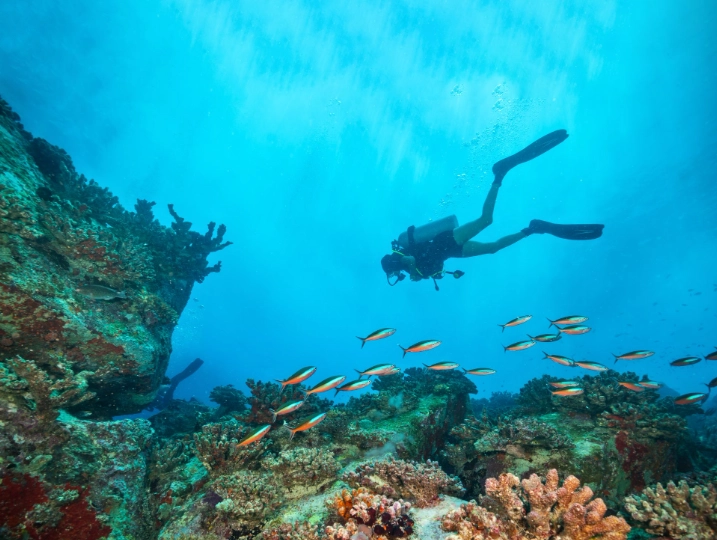
Signature Experiences
Stingray City Sandbar: Yes, it's touristy. It's also magical. Standing in 3-foot deep crystal clear water while dozens of wild, friendly southern stingrays glide around you is a must-do. Book a dedicated morning trip before the cruise ship crowds arrive.
Bloody Bay Wall (Little Cayman): While this is on a sister island, many operators from Grand Cayman run day trips or you can do a liveaboard. It's often cited as one of the best walls in the world. The visibility in November can be staggering.
Kittywake Wreck & Artificial Reef: A deliberately sunk 251-foot former US Navy vessel. It's in only 65 feet of water, so you get great light and long bottom times to explore the entire thing.
Planning Your Trip
Stay along Seven Mile Beach for convenience. Dive operations like Ocean Frontiers on the East End or Divetech on the West Side are excellent. A two-tank boat dive will cost around $120-$140. Grand Cayman is more expensive than other islands, but the infrastructure is flawless.
Here's something most blogs don't tell you: the afternoon diving in November can be spectacular. The sun angle is lower, lighting up the walls in a golden hue you don't get in the summer.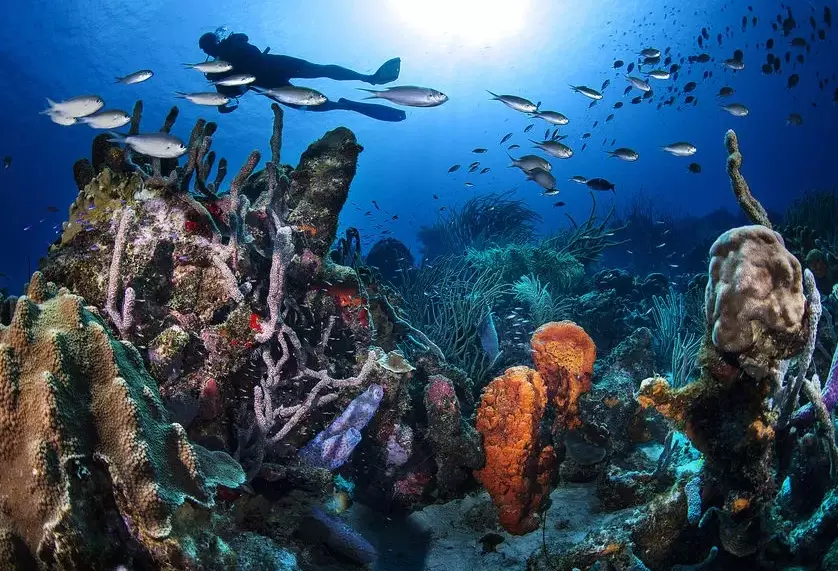
Cozumel: The Drift Diving King
Cozumel is all about the drift. You jump in, and the current gently carries you along some of the healthiest, most vibrant reefs in the Caribbean. It's effortless diving. November is prime time because the strong northerly winds that can cancel boats in winter haven't usually set in yet.
Iconic Drift Dives
Palancar Reef: A massive coral formation with canyons, swim-throughs, and towering pinnacles. You'll see enormous sponges—barrel, tube, and elephant ear. Eagle rays are common here in November.
Santa Rosa Wall: This is where you go for depth and drama. The wall starts around 50 feet and plummets. You'll drift past black coral trees and huge gorgonians. Keep an eye out for passing sharks in the blue.
Columbia Reef: Famous for its incredible coral density and fish life. It's a shallower dive, often with less current, perfect for your second tank or for newer divers.
The Cozumel Vibe
You'll stay in San Miguel. The town is walkable, filled with restaurants, and has a genuine Mexican feel. Dive with a shop like Deep Blue or Scuba Club Cozumel. A two-tank boat dive costs about $85-$100, making it fantastic value. You fly into Cozumel International (CZM) or ferry from Playa del Carmen if you fly into Cancun.
A common mistake? New divers get nervous about the drift. A good guide will brief you thoroughly. Just relax, control your buoyancy, and go with the flow. It's the easiest diving you'll ever do.
Other Solid November Options
If the top three don't spark your interest, consider these:
Aruba: Similar dry weather to Bonaire. The wreck of the Antilla is a monster. More above-water activities and nightlife.
Roatán, Honduras: The Bay Islands can be hit or miss with rain in November, but often you get pockets of great weather. The marine life on the reefs is prolific and the prices are low.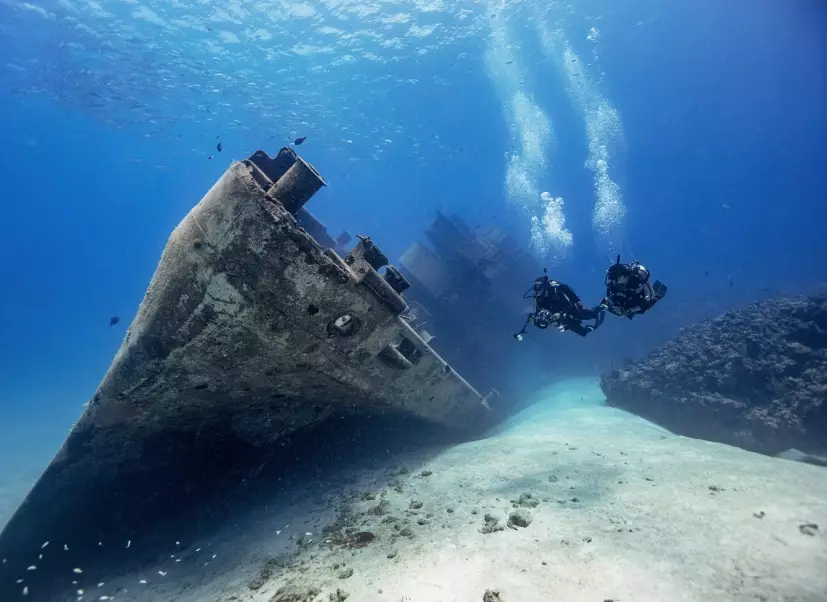
The Bahamas: Specifically, the islands further south like Long Island or Cat Island. Water is cooling a bit but shark diving and pristine walls are on offer. Check flight schedules, as some routes reduce frequency after peak season.
Expert Tips for Planning Your November Trip
Book your flights and the first night's accommodation early. November is a sweet spot between seasons, and good deals on dive packages exist.
Travel Insurance: This is non-negotiable. Get a policy that covers "adventure sports" and trip interruption/cancellation for any reason related to weather. It's cheap peace of mind.
Be Flexible: Have a backup plan for one or two non-diving days. If a rare weather front comes through, be ready to go hiking, explore towns, or just relax. Don't let it ruin your trip.
Connect with the Shop: Email your chosen dive operator a week before you go. Ask, "How have conditions been this week?" They'll give you the real-time, on-the-ground report no weather app can.
Your November Diving Questions Answered
I'm a beginner diver. Is November in the Caribbean a good idea?
Absolutely, but pick your destination wisely. Bonaire's shore diving lets you go at your own pace in calm, shallow areas. Grand Cayman's operations are superb at handling new divers. I'd be more cautious with Cozumel's drift diving as a first-timer unless you're confident in your buoyancy. Tell the shop you're new, and they'll pair you with the right guide.
What specific gear should I bring for November dives?
A 3mm full wetsuit is perfect. The sun is still strong, so bring a long-sleeve rash guard for surface intervals. A dive computer is essential for managing your multi-level dives, especially on walls. Don't forget a reef-safe sunscreen for before and after dives. A small, bright backup light is always in my bag for peering into crevices.
Are hammerhead sharks common on these November dives?
Not typically in the spots I've listed. The Caribbean reef shark, nurse shark, and the occasional lemon or blacktip are what you'll see. For hammerheads, you need specific locations and often deeper, cooler water (like certain sites in the Bahamas or Cocos Island, which is Pacific). November in the standard Caribbean is about reefs, walls, wrecks, and rays.
How far in advance should I book my dives?
For the popular operators in Bonaire, Cayman, or Cozumel, I'd book at least a month out, especially if you want a specific guide or boat. If you're booking a full package with a resort, do it 2-3 months ahead to lock in the best room and price. Last-minute trips can work, but your choices will be limited.
Is night diving good in November?
Yes, it's excellent. The water is warm, and marine life is active. In Bonaire, shore night dives are a unique experience. In Cozumel, some operators run night drifts, which are surreal. Just make sure you've done a few day dives first to get comfortable with the site.
Your comment