November is a sneaky-good month for scuba diving. While many northern hemisphere divers are packing away their gear, a whole other world of underwater opportunities is opening up. It's a month of transition, but that often means fewer crowds, better prices, and, in many spots, absolutely pristine conditions. If you're wondering where to dive in November, you've got options from vibrant coral reefs to thrilling shark encounters.
What’s in This Guide?
Why November is a Secret Weapon for Divers
Let's get this straight: November isn't just a "last resort" month. For the savvy diver, it's a strategic choice. In the Caribbean and parts of Southeast Asia, the rainy season is winding down. The summer crowds have vanished. The water is still warm from months of sunshine, but the storms have passed, leaving behind incredible visibility. It's like the ocean has been freshly cleaned.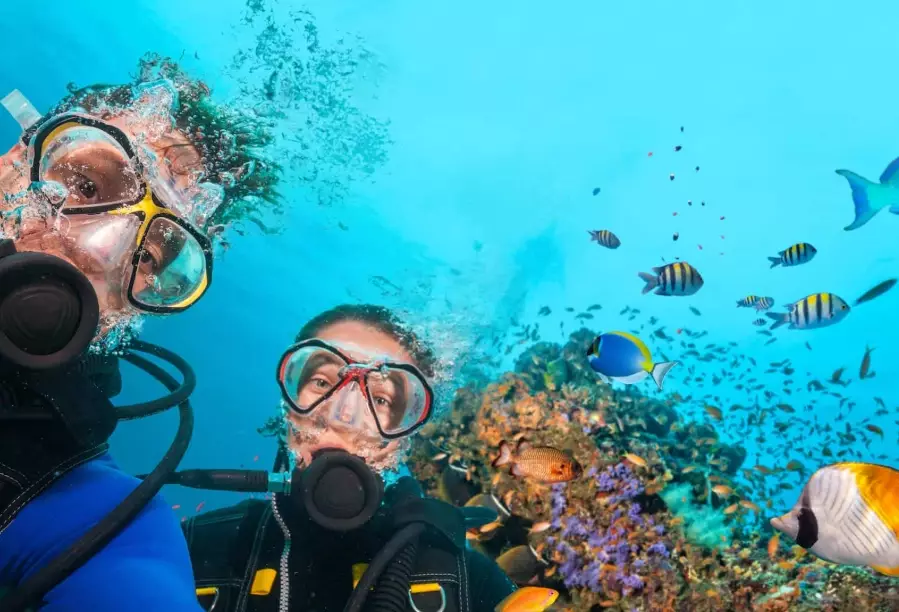
I remember a November trip to Bonaire a few years back. The island was quiet. We had entire dive sites to ourselves. The visibility was pushing 40 meters, and because the tourist rush was over, the local dive shops had more time for personalized service. It felt like we had the whole reef to ourselves.
But here's a point many blogs miss: November is prime time for specific marine events. In places like Mexico's Revillagigedo Islands, you're hitting the sweet spot for giant mantas and schooling hammerheads. In the Red Sea, the water is cooling just enough to bring in bigger pelagics without making you reach for a thick wetsuit.
Top Global Spots for Diving in November
Alright, let's get specific. Where should you actually go? This isn't a generic list. I'm breaking down the why and the what to expect for each, based on conditions I've seen or that are consistently reported by trusted operators.
| Destination | Why It's Great in November | What You'll See | Water Temp & Vis | Diver Level | Travel Tip |
|---|---|---|---|---|---|
| Egyptian Red Sea | Peak season for big animals. Summer heat & crowds are gone, winds calm down. Liveaboards to Brothers/ Daedalus are optimal. | Oceanic whitetip sharks, hammerhead schools, mantas, dolphins. Healthy reefs. | 26-28°C (79-82°F). Vis: 30m+. | Fly into Hurghada (HRG) or Marsa Alam (RMF). Book liveaboards well ahead. Sharm el-Sheikh is also a good base for day boats. | |
| Cozumel, Mexico | End of hurricane season, start of the dry season. Currents are reliable for drift diving, bringing nutrients and life. | Eagle rays, turtles, nurse sharks, massive coral formations (Palancar Reef). | 27-28°C (81-82°F). Vis: 30m+. | All levels (sites vary). Strong currents on some drifts. | Fly into Cozumel (CZM) or Cancun (CUN) + ferry. Stay in San Miguel. Great for combo trips with cenotes on the mainland. |
| Malapascua, Philippines | Transition from rainy season. Thresher shark sightings at Monad Shoal are near-guaranteed at dawn. Less rain = better vis. | Thresher sharks, mandarinfish, macro life, beautiful coral gardens. | 27-29°C (81-84°F). Vis: 15-25m. | All levels (shark dives require good buoyancy). | Fly to Cebu (CEB), then 4-5 hour drive + short boat to island. Budget-friendly accommodations. |
| Galápagos Islands, Ecuador | Start of the warm season. Water warms up, seas calm. A fantastic window before peak tourist season hits. | Hammerhead schools, whale sharks (tapering off), sea lions, penguins, marine iguanas. | 21-25°C (70-77°F). Vis: 10-20m (can be less). | Advanced only. Strong currents, cold water, challenging conditions. | Liveaboard is essential. Expensive but unparalleled. Fly to Guayaquil (GYE) then to San Cristóbal (SCY) or Baltra (GPS). |
| Sipadan, Malaysia | Between monsoon seasons. Often considered one of the best months: calm seas, excellent visibility. | Turtle tornadoes, barracuda tornados, reef sharks, bumphead parrotfish. | 28-30°C (82-86°F). Vis: 20-30m+. | Intermediate (some current). | Permits are limited—book months in advance. Stay on Mabul or Kapalai. Fly to Tawau (TWU) from Kuala Lumpur or Kota Kinabalu. |
Beyond the Big Names: A Few Underrated Picks
Everyone talks about the above, and for good reason. But if you want to dodge the slightly bigger November dive crowd, consider these:
Bonaire: The shore diving capital. November sits nicely in its dry season. It's all about easy, unlimited diving on your own schedule. The marine park is pristine, and the lack of rain means runoff isn't clouding the water. Perfect for photographers and those who hate crowded boats.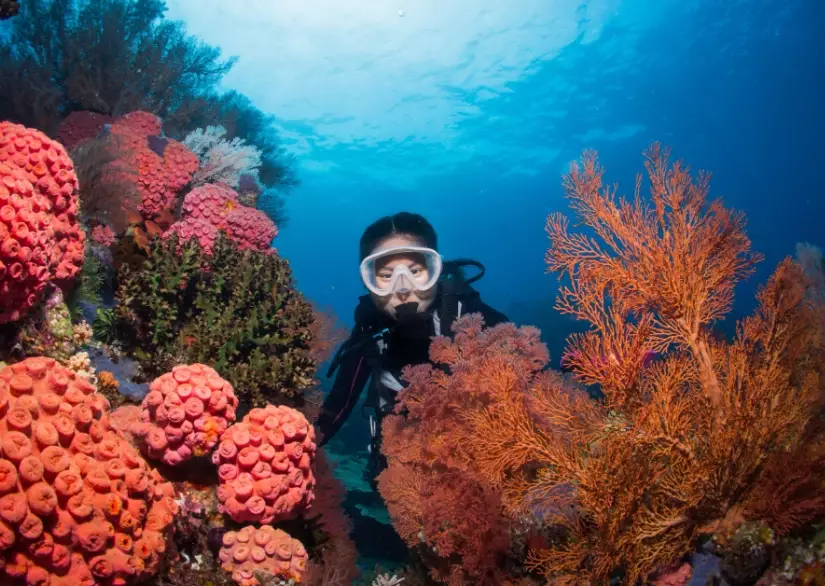
Bay Islands, Honduras (Roatán/Utila): The rainy season is ending. It's affordable, the reefs are recovering well in many areas, and you still have a good chance for whale shark encounters off Utila, though the peak is technically ending. The vibe is super laid-back.
Great Barrier Reef, Australia: November is the start of the stinger season (box jellyfish), but don't let that scare you off. On the outer reef liveaboards from Cairns, you're in stinger-free territory. It's pre-cyclone season, so conditions are often excellent. Water is warming up, and coral spawning can sometimes occur late in the month—a true bucket-list event.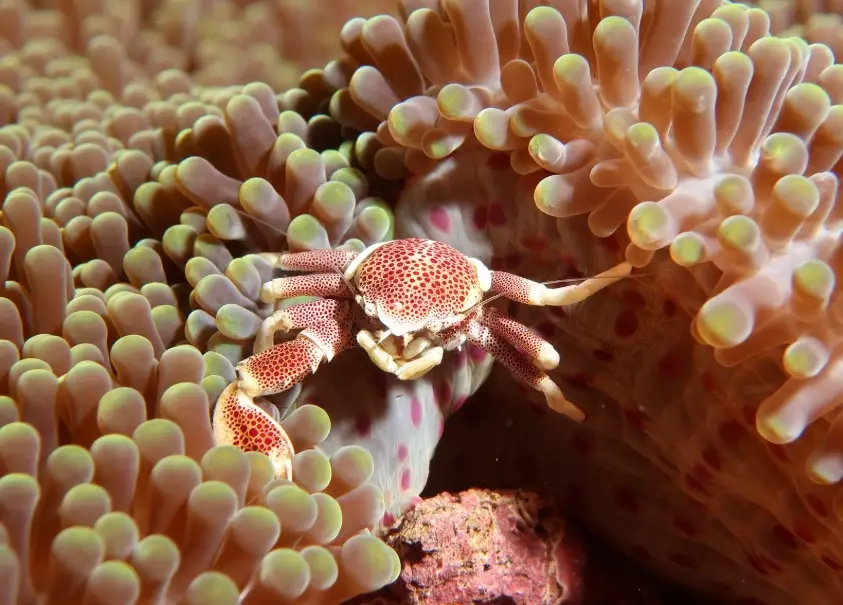
How to Choose Your November Dive Spot
Picking from this list isn't about what's "best." It's about what's best for you. Ask yourself these questions:
- What's your comfort level? A new diver shouldn't book a Galápagos liveaboard. Cozumel or Bonaire are far better fits. Be brutally honest about your skills and air consumption.
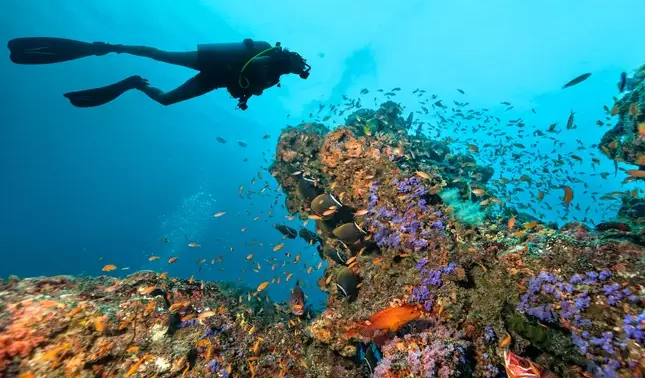
- What's on your underwater wishlist? Sharks? Go Red Sea or Malapascua. Crazy coral? Cozumel or Sipadan. Unique macro? Philippines or Indonesia.
- What's your budget and trip style? Southeast Asia and Central America offer better value. The Red Sea and Galápagos are bigger investments. Do you want a resort, a liveaboard, or a backpacker island vibe?
Here's a mistake I see often: divers choose a location based solely on water temperature, ignoring visibility and seasonal currents. In November, a place like the Red Sea might be slightly "cooler" than the Caribbean, but the animal action and viz are frequently superior. Prioritize what you want to experience, not just how warm you'll be.
November Dive Trip: Planning & Packing
You've picked your spot. Now, lock it in. November is popular with in-the-know divers, so good liveaboards and resorts fill up.
- Book Early: Aim to secure your dive operator/accommodation at least 3-4 months in advance, especially for limited-permit places like Sipadan or premium liveaboards.
- Flight Strategy: Since November is shoulder season in many regions, you can sometimes find decent flight deals. Use flexible date searches.
- Insurance is Non-Negotiable: Get proper dive travel insurance (like DAN or DiveAssure). A medical evacuation from a remote island in November is just as expensive as in July.
What to Pack Specifically for November Dives
Your packing list needs a November twist. Even in warm water destinations, evenings can be cooler, and you might get the occasional rain shower.
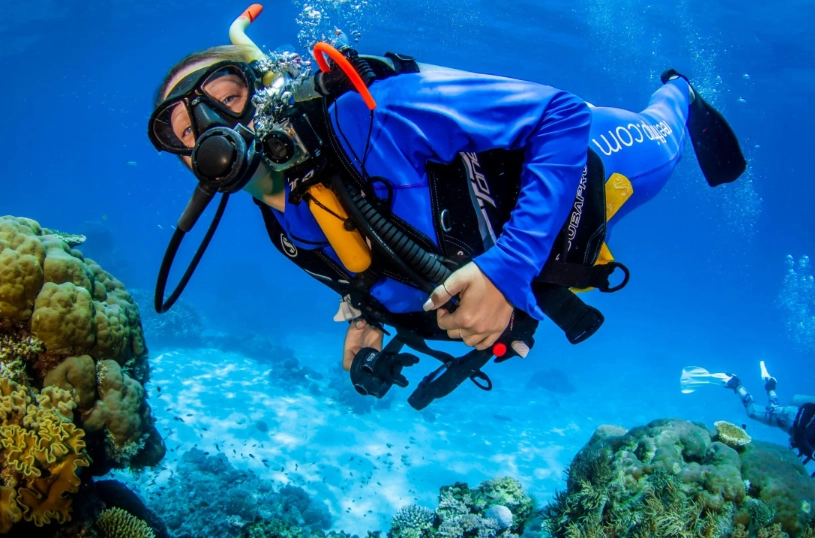
- A 3mm wetsuit is your friend. Even in 28°C water, multiple dives a day can get chilly. A full 3mm provides comfort and protection. For the Red Sea or Galápagos, a 5mm or even a 7mm is wise.
- Pack a light, packable rain jacket. It's the end of the wet season in many tropics. A sudden shower won't ruin your surface interval.
- Bring a sweater or hoodie for the boat/evenings. That post-dive breeze can be surprisingly cool.
- Reef-safe sunscreen and a hat. The sun is still strong. Protect yourself and the environment.
Your comment