Let's cut straight to it. When divers ask "where is the cheapest place to scuba dive?", they're usually picturing crystal clear water, vibrant reefs, and a price tag that doesn't require a second mortgage. The good news? Those places exist. The catch? "Cheapest" is a tricky word. A $20 dive in murky, lifeless water isn't a bargain—it's a waste of money. True value means maximizing underwater time and experience for every dollar spent.
Based on over a decade of organizing dive trips and coaching new divers, I've seen the budget pitfalls. The biggest mistake isn't picking the wrong country; it's forgetting to budget for the extras—the park fees, the equipment rental, the tank fills for that unexpected amazing site you just have to dive again. This guide won't just list places. We'll dissect the real, total cost of diving in the world's most affordable regions, highlight the hidden gems (and the overhyped spots), and give you a framework to plan your own budget-friendly adventure.
Your Quick Dive Guide
What "Cheap Diving" Really Costs: Breaking Down the Numbers
Forget the advertised "per dive" rate for a second. To compare apples to apples, you need to look at the total daily cost. This includes accommodation, food, local transport, and, crucially, all diving-related fees. A destination with slightly higher per-dive costs might have incredibly cheap rooms and street food, making it the overall winner.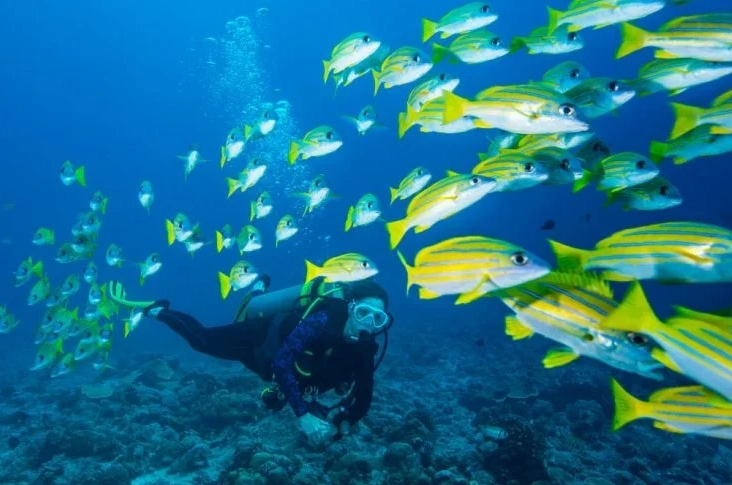
Here’s a realistic look at the main cost components:
- Dive Packages: This is your biggest lever. Booking 10 dives is always cheaper per dive than booking 2. Many shops offer unlimited weekly packages.
- Accommodation: Southeast Asia wins here. A basic, clean fan room steps from the beach can be $10-15/night. In the Caribbean, that might be $50+.
- Food & Drink: Local warungs, food markets, and family-run cafes are your best friends. Avoiding imported Western meals can cut your food budget by 70%.
- Seasonality: Traveling in shoulder season (just before/after peak season) can slash prices for flights and lodging. The sea conditions are often still great.
Top 3 Budget Diving Destinations for Maximum Value
These aren't just cheap; they offer phenomenal diving for the price. I've ranked them based on the overall value equation: cost vs. quality of marine life and infrastructure.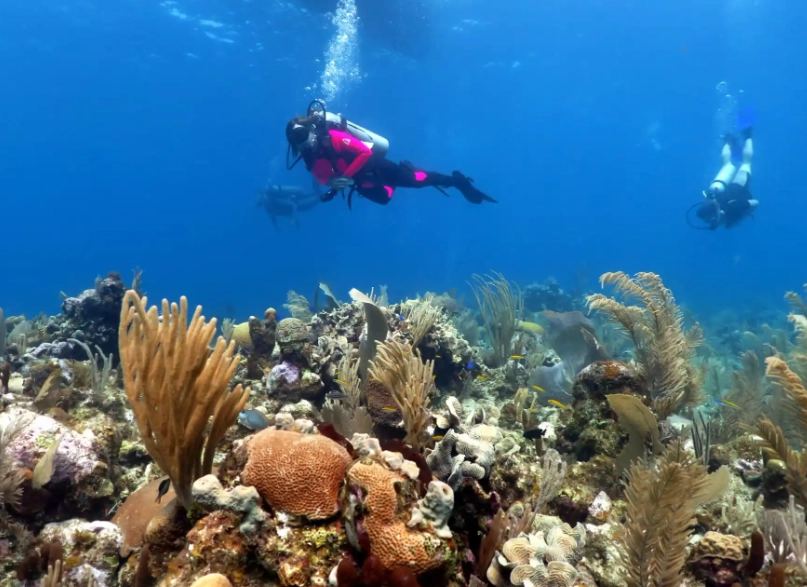
1. Southeast Asia: The Undisputed King of Value
This region is a budget diver's paradise for a reason. Countries like Thailand, Indonesia, and the Philippines have decades of dive tourism infrastructure, fierce competition keeping prices low, and some of the planet's most biodiverse waters.
Go-To Spot: Koh Tao, Thailand. Love it or hate it (it's busy), Koh Tao is a factory for affordable diver education and fun diving. You can find two-dive boat trips for $50-70 including gear. Budget bungalows are plentiful. The island is perfect for beginners and those wanting a social scene. For more advanced divers, the nearby sail rock is worth the extra cost.
Hidden Gem: Alor, Indonesia. Forget Bali. Alor, in East Nusa Tenggara, is remote, raw, and spectacularly cheap once you get there. You won't find party hostels, but you will find pristine reefs, insane muck diving, and a sense of adventure. Daily dive costs are low, and homestays are incredibly affordable. The journey there is part of the cost—factor that in.
2. The Red Sea, Egypt: Cheap Flights, World-Class Diving
For Europeans, this is the ultimate cheap getaway. For others, relatively affordable flight-and-hotel packages make it compelling. The real value is in liveaboards. A week on a budget liveaboard diving the legendary reefs of the northern Red Sea or the pelagic-filled depths of the southern Brothers/Elphinstone can cost less than a week of land-based diving in the Caribbean.
Base Camp: Hurghada or Sharm el-Sheikh. These resort towns offer endless budget hotel and dive package deals. The diving is reliable, with easy reef and wreck access. The coral isn't as pristine as remote sites, but the fish life is abundant. It's a fantastic, low-stress option for a winter sun-and-dive fix.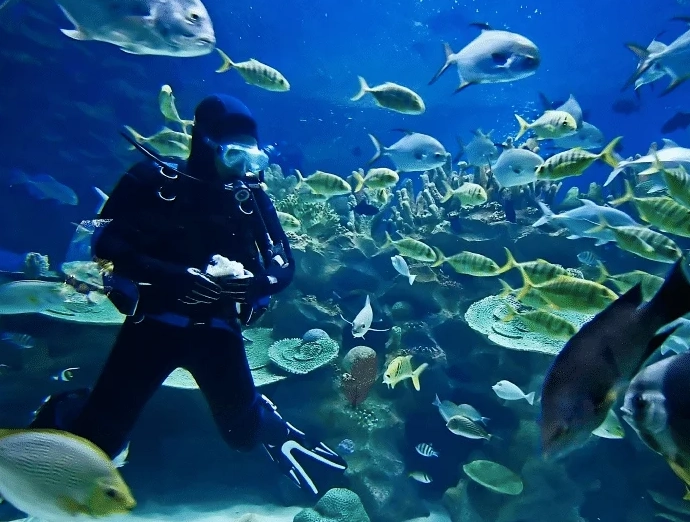
My Liveaboard Advice: Don't automatically book the cheapest boat. Check reviews specifically for food quality, safety briefings, and compressor maintenance. A slightly more expensive boat that serves edible food and has a well-maintained rib is worth every extra penny.
3. Utila, Honduras: The Caribbean's Budget Pocket
While most of the Caribbean is pricey, the Bay Islands of Honduras (Utila and Roatan) are a notable exception. Utila is famously one of the least expensive places in the world to get your PADI Open Water certification. That low-cost ethos extends to fun diving.
The island has a laid-back, backpacker vibe. You can find dive-and-stay packages that seem too good to be true. The diving is all about whale sharks (seasonally), healthy coral walls, and playful seahorses in the seagrass. It's not as developed as Southeast Asia, so manage your expectations for luxury—you're here for the water.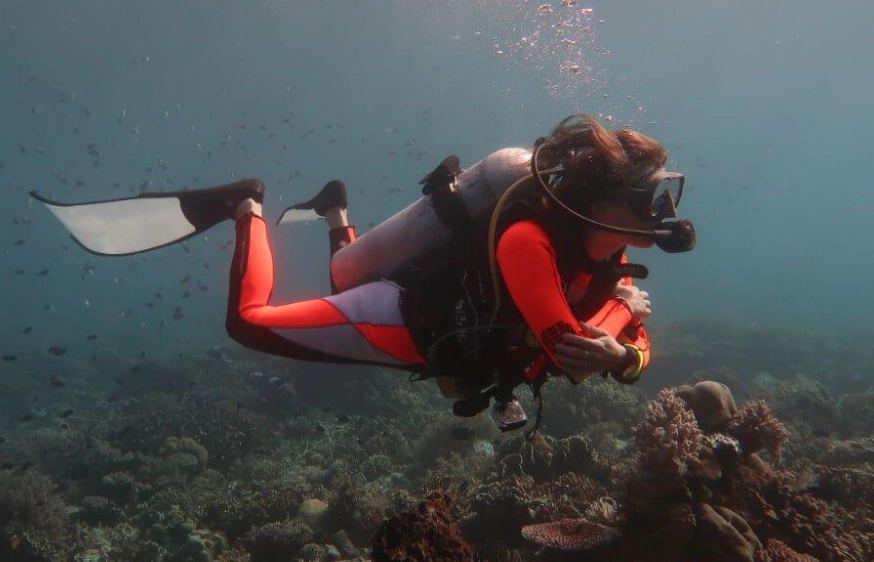
| Destination | Avg. Cost per Dive (with gear) | Budget Room/Night | Best For | Hidden Cost to Watch |
|---|---|---|---|---|
| Koh Tao, Thailand | $25 - $35 | $10 - $20 | Beginners, Social Divers, Courses | Marine Park Fees ($15-20) |
| Hurghada, Egypt | $30 - $45 | $25 - $40 (all-inclusive deals common) | European Travelers, Liveaboards, Reliable Reefs | Equipment Rental if not included |
| Utila, Honduras | $35 - $50 | $15 - $30 | Whale Sharks, Caribbean on a Budget, Certifications | Boat Transfer from Mainland |
| Bali (Amed), Indonesia | $40 - $60 | $15 - $25 | Muck Diving, Macro Life, Cultural Trips | Transport between distant sites |
How to Save Serious Money on Your Dive Trip
Location is half the battle. Your habits are the other half.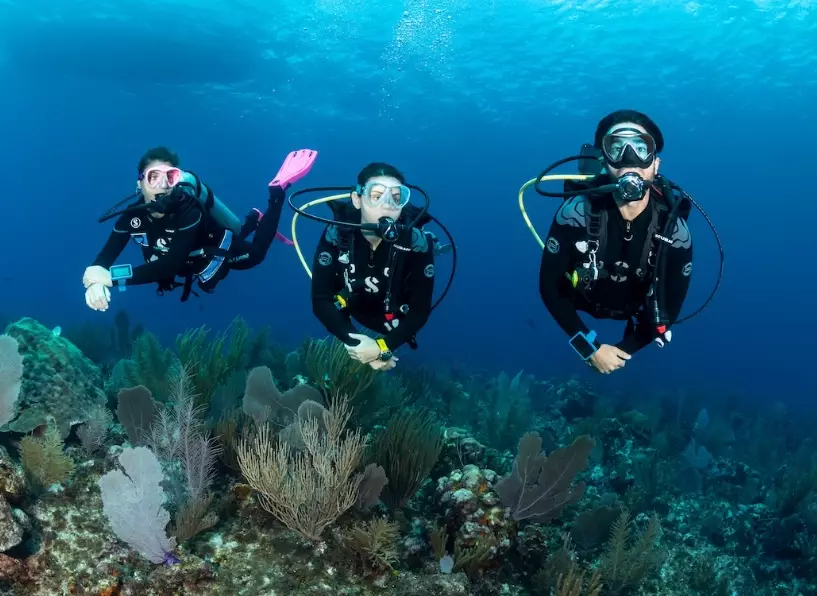
Book Longer and Bundle. Dive shops make their money on volume. A 10-dive package will have a much lower per-dive rate than a single dive. Ask about "unlimited" weekly packages if you plan to dive multiple times a day.
Travel in a Small Group. Even a buddy pair can sometimes negotiate a small discount, especially for multi-day bookings. Groups of 4-6 can often get a private boat for the price of joining a crowded one.
Consider Your Own Gear. This is a big upfront cost, but if you dive regularly, owning your mask, snorkel, fins, and computer saves on rental fees ($10-20/day) and ensures comfort. I'd prioritize a well-fitting mask and a computer above all else.
Eat and Drink Local. This is the single biggest non-diving saver. The $3 bowl of phenomenal pho in Vietnam or $5 massive nasi goreng in Indonesia is part of the experience. The $15 burger at the expat bar is not.
Look for Shore Diving. Destinations with good shore diving (like parts of Bali, Aqaba in Jordan, or Dahab in Egypt) eliminate boat costs entirely. You can do two tanks for the price of the air fills.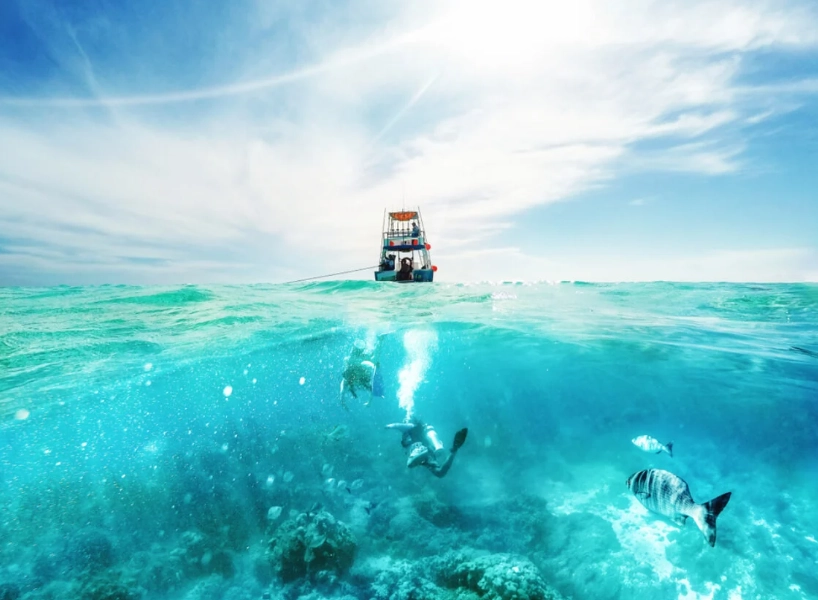
Budget Diving Questions Answered
Is it safe to choose a dive shop based solely on the lowest price?
It's a major risk. Scuba diving has inherent risks managed by safety protocols. A shop cutting corners on price often cuts corners elsewhere—maintenance, guide-to-diver ratios, or guide training. Look for online reviews mentioning "safety," "briefings," and "boat condition." Visit the shop. Are the tanks in good shape? Is the equipment organized? A reputable, slightly more expensive shop is always the better investment.
What's the biggest hidden cost when diving in Southeast Asia?
Marine park fees. Places like the Similan Islands (Thailand), Komodo (Indonesia), or Sipadan (Malaysia) have mandatory conservation fees ranging from $15 to $50 per day. These are almost never included in the initial dive trip quote. Always ask: "Is the marine park fee included in this price?"
Can I work to pay for my diving, like a "dive for work" program?
Be extremely cautious. Many "internship" or "work exchange" programs, especially in places like Koh Tao, are designed to get cheap labor for menial tasks (tank filling, cleaning) with the promise of free diving. You often work long hours for little actual diving. If you're serious, get a professional rating like Divemaster through a legitimate course, where you pay for education and certification. The "free" path rarely works out as hoped.
Is a cheap liveaboard a good idea?
It depends on your tolerance. The cheapest boats often have the most basic cabins (shared, bunk beds), simple food, and shorter dive times due to schedule crowding. They can be a blast for the young and resilient. If you need good sleep, privacy, or have dietary needs, spending 20-30% more for a mid-range boat dramatically improves the experience. Always check the number of dives per day offered.
How much should I budget per day for a true budget dive trip?
In the cheapest destinations (Koh Tao, Utila, parts of Indonesia), a realistic daily budget for a frugal diver is $50-75. This covers a basic room, local food, 2 boat dives with gear rental, and a couple of drinks. For $75-100 per day, you get more comfort, better food options, and maybe a third dive. This excludes your initial flight and dive insurance, which are non-negotiable costs.
The cheapest place to scuba dive isn't a single pin on a map. It's a combination of an affordable region, smart travel timing, and savvy booking habits. Focus on the total daily cost, not just the per-dive sticker price. Prioritize safety and reliability over the absolute lowest bid. With the right planning, the breathtaking world beneath the waves is far more accessible than most people think. Now go find your budget-friendly bubbles.
Your comment