You've seen the photos. Crystal clear water, schools of neon fish, a sea turtle gliding past a pristine coral head. Scuba diving the Caribbean is a bucket list item for good reason. But here's the thing most blogs don't tell you: the Caribbean isn't a single, uniform dive destination. Picking the wrong island for your skill level or interests can turn a dream trip into a frustrating, expensive letdown. After over a decade of guiding trips and exploring these waters from the Bahamas down to Bonaire, I've learned that the magic lies in the details—the specific site, the time of year, and frankly, knowing which spots are worth the hype and which to skip.
This guide isn't just another list of "top 10" sites. It's a strategic blueprint. We'll match islands to diver profiles, break down exactly what you'll see and spend, and I'll share the little mistakes I see even experienced divers make that can ruin a dive day.
In this guide, you'll find:
How to Choose Your Caribbean Dive Destination
Picking an island because it's cheap or has a nice resort is the first misstep. The Caribbean's dive offerings are wildly diverse. You need to ask yourself: what do I want from this trip?
Are you a new diver looking for calm, shallow reefs to build confidence? A photographer obsessed with macro life? A thrill-seeker wanting to drift alongside sharks in strong currents? Your answer changes everything.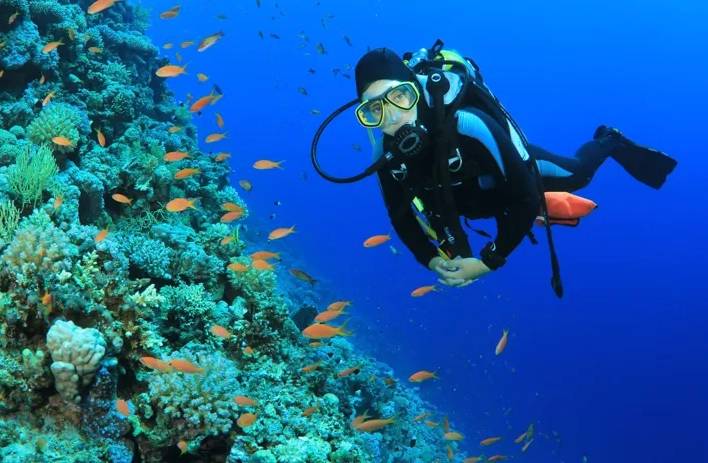
A common mistake I see: Advanced divers booking a week in Grand Cayman for the walls, but only doing boat dives. They miss the incredible, easy shore diving along Seven Mile Beach that's perfect for a casual afternoon. Conversely, beginners heading to Cozumel for its famous drifts might find themselves overwhelmed if they're not comfortable with current management. Match the place to your profile.
Diver Profiles & Island Matches
Let's get specific. Here’s a breakdown of three classic Caribbean diving profiles and where they fit best.
| Diver Profile | Top Island Picks | Why It Works | Watch Out For |
|---|---|---|---|
| Beginners & Families (Less than 30 dives, comfort-focused) |
Grand Cayman (Seven Mile Beach area), Bonaire, Turks & Caicos (Grace Bay) | Protected conditions, abundant shore diving (Bonaire is king here), excellent dive operators used to new divers. Visibility is consistently stellar, reducing anxiety. | Peak holiday weeks get crowded. Some sites in Cayman/Bonaire can have mild current—always listen to the brief. |
| Advanced & Wreck Lovers (Comfort with currents, deep dives) |
Cozumel, Bahamas (Nassau/Freeport), Curacao, St. Lucia | Cozumel's drifts are world-class. Bahamas offers shark encounters and deep wrecks like the SS Sapona. The Superior Producer wreck in Curacao is a must. St. Lucia's volcanic walls are dramatic. | Currents can be strong. Wreck penetration requires proper training. Trips here are often more about the diving than the topside luxury. |
| Underwater Photographers (Macro or wide-angle focus) |
Bonaire, Little Cayman, Roatan (Honduras) | Bonaire's macro life (seahorses, frogfish) is legendary. Little Cayman's Bloody Bay Wall offers pristine wide-angle scenes. Roatan has healthy reefs and reliable animal encounters at a lower cost. | You'll want a dive operator that understands photographers—slower pace, good briefs. Shore diving (Bonaire) means you can dive on your own schedule. |
The Top Dive Spots (And What Makes Them Special)
Forget generic "best of" lists. These are spots that have earned their reputation, but I'll tell you what you really need to know to dive them right.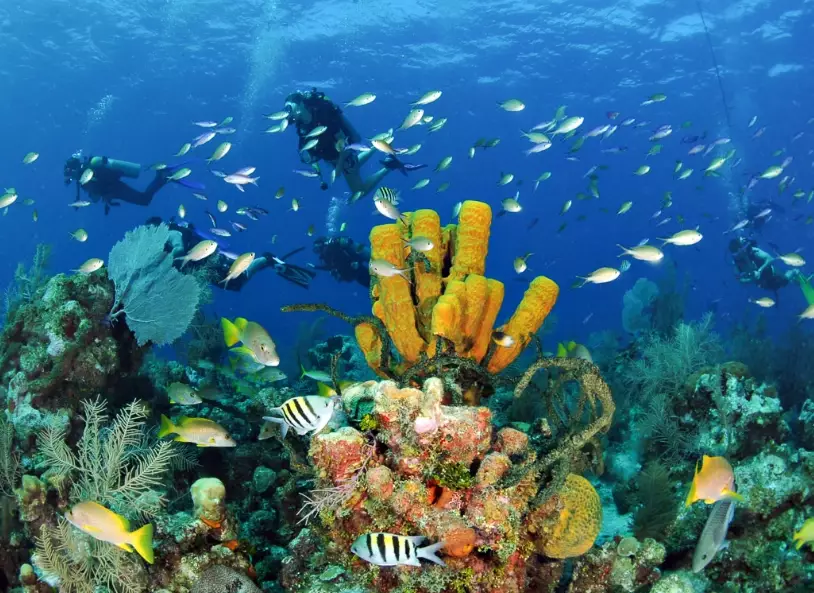
1. Bloody Bay Wall, Little Cayman
It's the poster child for a reason. The wall starts as shallow as 18 feet and plummets straight down. The coral coverage is still exceptional compared to many Caribbean sites. You'll see towering sponges, schools of horse-eye jacks, and if you're lucky, an eagle ray.
The insider tip: Most boats go to well-known sites like "Great Wall East." Ask your operator about "Marilyn's Cut" or "Randy's Gazebo"—slightly less visited sections of the same wall system. The difference in crowd pressure is noticeable.
2. The Wrecks of Bonaire
Everyone talks about Bonaire's shore diving, but its wrecks are a masterclass in artificial reef creation. The Hilma Hooker, a 240-foot cargo ship, sits perfectly upright in 100 feet of water. It's completely encrusted. The M/V is a shallower, easier wreck teeming with life.
You can often shore-dive to these wrecks, which is a unique and cost-effective experience. Check conditions with a local shop first.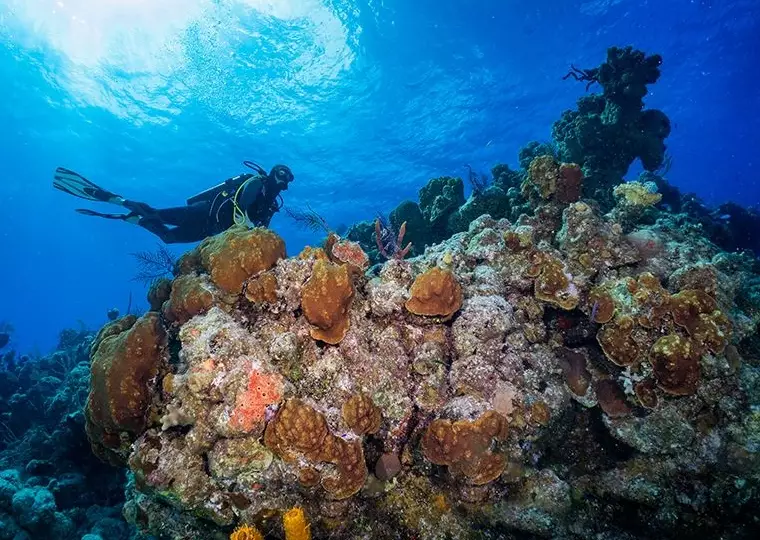
3. Shark Dives in the Bahamas
If you want guaranteed, close-up shark action, this is it. Operators in Nassau and Freeport run organized feeds where Caribbean reef sharks, and sometimes tigers or lemons, circle in clear water. It's a controlled, thrilling experience.
My take: It's controversial. Some argue it alters natural behavior. If you go, choose an operator with a long-standing, safety-focused reputation. It's a spectacle, not a natural encounter, so set your expectations accordingly.
Planning Your Caribbean Diving Trip: From Budget to Packing
Let's get practical. A great dive trip falls apart with poor planning.
Budget Realities
Caribbean diving isn't cheap, but value varies. An all-inclusive liveaboard in the Bahamas might run $3,000+ for a week. A shore-diving focused week in Bonaire at a diver-friendly condo, with a rental truck and tank package, could be $1,800-$2,200 per person, excluding flights. Cozumel often offers good mid-range packages.
Always factor in:
- Marine Park Fees (e.g., Bonaire $45, Cayman $25)
- Tips for crew ($10-$20 per dive day)
- Equipment rental if needed ($30-$50 per day)
- Transportation on island (taxis add up fast)
A Sample 5-Day Diving Itinerary for Bonaire
This is a real, actionable plan based on how I'd do it.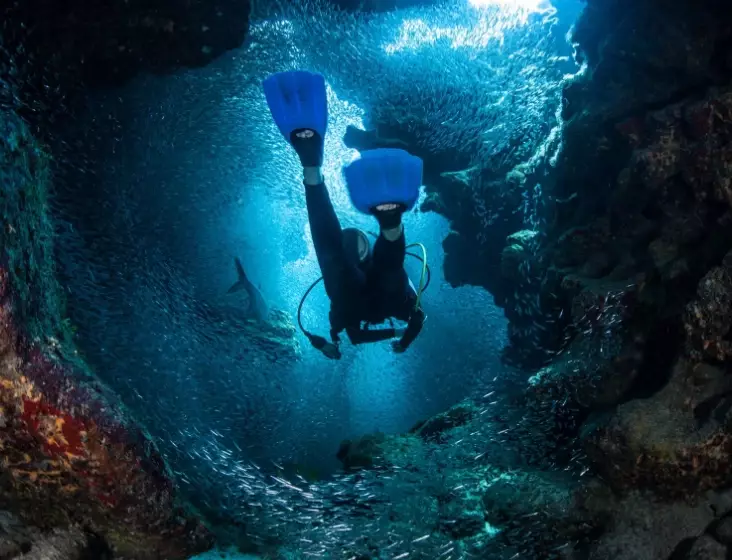
Day 1: Arrive, settle into your south island condo (like something in Belnem). Pick up truck and tanks from a shop like Dive Friends Bonaire or Great Adventures. Afternoon check-out dive at 18 Palms or Something Special—easy, close shore dives.
Day 2: Morning boat dive with your shop to the north, hitting Karpata or Rappel. Afternoon, drive south and shore dive the Salt Pier (check if open) for incredible photography.
Day 3: Self-guided day. Drive to the north end, dive 1,000 Steps (there aren't really 1,000). Post-dive lunch at Kite City food trucks. Late afternoon dive at Cliff to see seahorses.
Day 4: Boat dive to the east coast (Klein Bonaire) for pristine reefs like Forest or Sampler. Rest. Night shore dive at Oil Slick Leap (enter from the cliff—it's a rite of passage).
Day 5: Two-tank morning boat trip, then return gear. Fly home exhausted and happy.
Diving Sustainably: It's More Than Just "Don't Touch"
We all know not to touch the coral. But sustainable diving in the Caribbean goes deeper.
Choose a dive operator that actively participates in reef conservation. Ask them: Do you run coral restoration projects? Do you use mooring buoys instead of anchoring? How do you handle diver buoyancy training? Operators like Reef Renewal in Bonaire or the Cayman Islands Department of Environment partner with shops you can support.
Your sunscreen matters. Many islands, like Aruba and Bonaire, have banned oxybenzone and octinoxate. Use mineral-based, reef-safe brands. And please, resist the urge to feed the fish. It disrupts their natural foraging and can make them aggressive.
The biggest impact? Your own buoyancy control. One errant fin kick can destroy coral that took decades to grow. If you're rusty, take a refresher or a buoyancy specialty course before you go. It's the single best investment for the reef.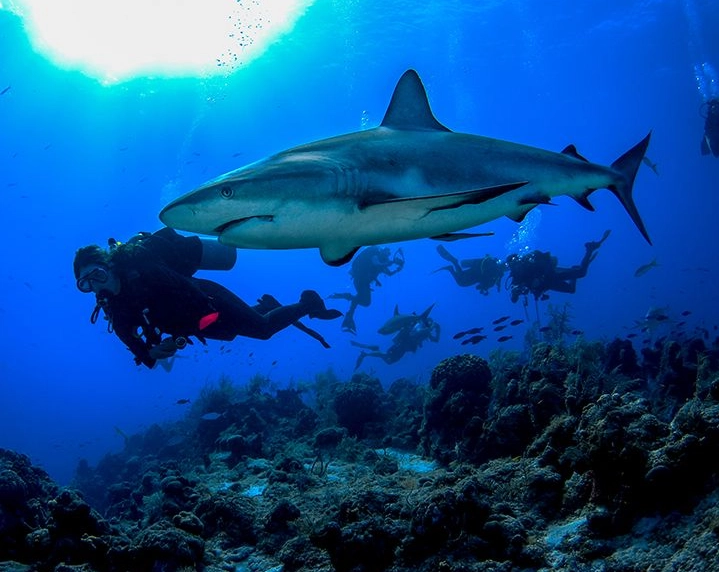
Your comment