Where is the best place to dive in the Caribbean? Let's cut to the chase: after over ten years of diving these waters, I've learned it's not about one single spot. It's about finding the right match for your skills, budget, and what you want to see. But if I had to pick, destinations like the Cayman Islands, Belize, and Bonaire consistently blow divers away with their visibility, marine life, and variety.
Here's a Quick Look at What's Inside
Top 5 Caribbean Dive Destinations You Can't Miss
These places aren't just popular—they deliver. I've dived each multiple times, and here's the real scoop, from costs to crowds.
| Destination | Best Season | Avg Visibility | Key Highlights | Skill Level | Estimated Cost per Dive |
|---|---|---|---|---|---|
| Cayman Islands | Nov-Apr | 100+ ft | Stingray City, wall dives | Beginner to Advanced | $100-$150 |
| Belize | Mar-Jun | 80-100 ft | Great Blue Hole, barrier reef | Intermediate to Advanced | $120-$200 |
| Bonaire | Year-round | 60-100 ft | Shore diving, macro life | All levels | $80-$120 |
| Cozumel, Mexico | May-Sep | 70-100 ft | Drift diving, coral gardens | Intermediate | $90-$140 |
| Turks and Caicos | Apr-Jul | 100+ ft | Wall dives, whale sharks (seasonal) | Beginner to Advanced | $110-$180 |
The Cayman Islands: Wall Diving and Stingray City
Grand Cayman is where I took my first Caribbean dive, and it's still a favorite. Stingray City, located in the North Sound (about a 30-minute boat ride from George Town), is a must-do. It's a sandbar where southern stingrays gather—you can snorkel or dive with them. Entry is free, but guided tours run $60-$100 for snorkeling or $120-$180 for diving. Boats depart daily from 9 AM to 4 PM; book ahead in peak season (December to April).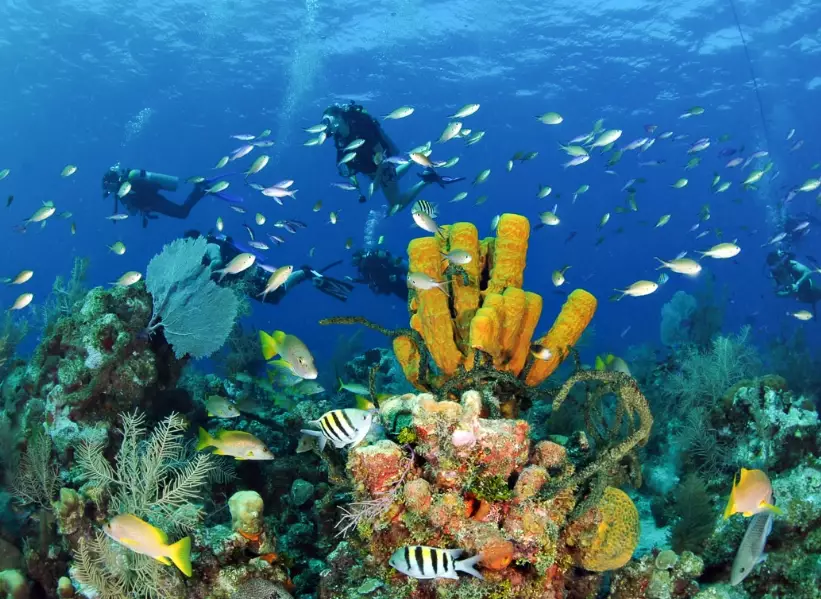
The walls here, like Bloody Bay Wall in Little Cayman, drop to thousands of feet. Visibility often exceeds 100 feet. A two-tank dive with a local operator like Divers Down costs around $130. Flights into Owen Roberts International (GCM) connect via Miami or Atlanta. Stay in Seven Mile Beach for convenience.
One tip: avoid wearing shiny jewelry—the stingrays might mistake it for food. I learned that the hard way when a ray got too curious about my bracelet!
Belize: The Great Blue Hole and Barrier Reef
Belize is home to the Great Blue Hole, a giant marine sinkhole about 60 miles off the coast of Belize City. It's a bucket-list dive, but hear me out: it's deep (over 400 feet) and best for advanced divers due to nitrogen narcosis risks. Day trips from Ambergris Caye or Caye Caulker cost $300-$400 per person, including multiple dives. The flight from Belize City to the hole takes about 45 minutes.
The barrier reef, a UNESCO site, is more accessible. Hol Chan Marine Reserve near San Pedro has shallow dives with turtles and sharks for $80-$120. The best time is March to June for calm seas. Ferries from Belize City run hourly; a taxi from the airport to the water taxi costs $25.
I've seen divers rush into the Blue Hole without proper deep-dive training. Don't be that person—get certified first.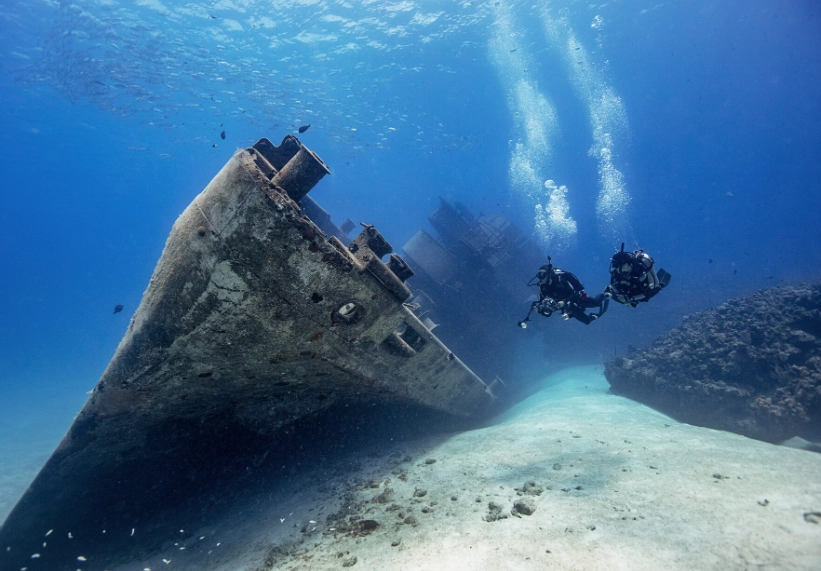
Bonaire: Shore Diving Paradise
Bonaire is all about convenience. You can drive up to a site, gear up, and walk in. Sites like Salt Pier and Karpata are famous for macro life—seahorses, frogfish. A dive tag, required for all diving, costs $45 for the year from STINAPA, the park authority. Shore diving is free after that, but boat dives run $70-$100.
Flights land at Flamingo International (BON), often via Miami or Amsterdam. Rent a truck for about $60 a day to access sites. The island is arid, so bring water. I love Bonaire for its sustainability focus—they've banned spearfishing and anchor damage, which keeps reefs healthy.
Cozumel, Mexico: Drift Diving Thrills
Cozumel's currents make for exciting drift dives along Palancar Reef. It's a 40-minute ferry from Playa del Carmen ($15 each way). Dive shops like Scuba Tony offer two-tank dives for $90-$140. The best visibility is May to September, but watch for hurricane season.
Santa Rosa Wall is a highlight, with swim-throughs and big sponges. Cozumel is budget-friendly; hotels start at $80 a night. But it can get crowded—go early to avoid cruise ship crowds.
Turks and Caicos: Pristine Walls and Big Animals
Providenciales has walls like West Caicos that plummet to the abyss. Whale sharks visit from January to April, but sightings aren't guaranteed. A two-tank dive with Dive Provo costs $110-$180. Flights into Providenciales (PLS) connect via Miami or Charlotte.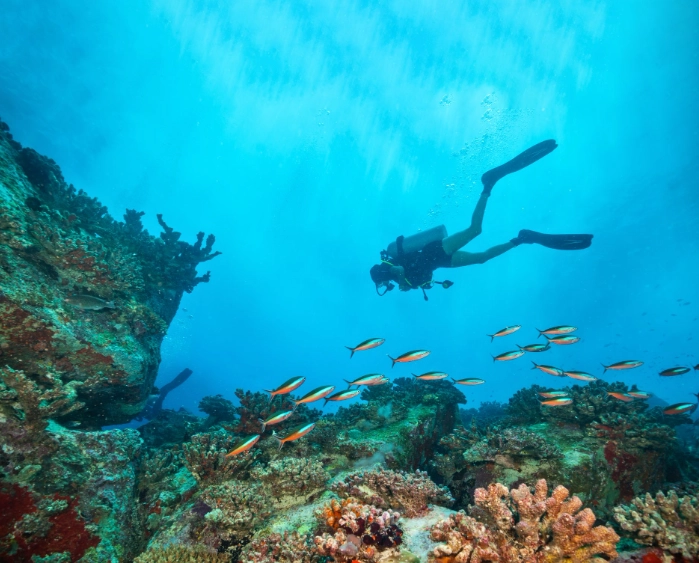
Grace Bay Beach is stunning, but diving is the real draw. The visibility is insane—I've seen 150 feet on good days. It's pricier than other spots, so budget accordingly.
How to Choose the Right Dive Spot for Your Skill Level
Picking a spot isn't just about beauty; it's about safety. Beginners often overlook currents and depth. Here's a quick guide.
For New Divers: Stick to shallow, calm sites. Bonaire's shore dives are perfect—you can go at your own pace. The Cayman Islands' Stingray City is also beginner-friendly, with guides holding your hand. Avoid Cozumel's strong drifts until you're comfortable.
For Intermediate Divers: You've got more options. Belize's barrier reef or Turks and Caicos' walls offer variety. Consider a refresher course if it's been a while. I recommend checking PADI's dive site ratings for difficulty.
For Advanced Divers: Go deep or technical. The Great Blue Hole in Belize requires advanced certification. Cayman's walls or Turks' offshore sites deliver adrenaline. Always dive with a buddy and monitor your air closely.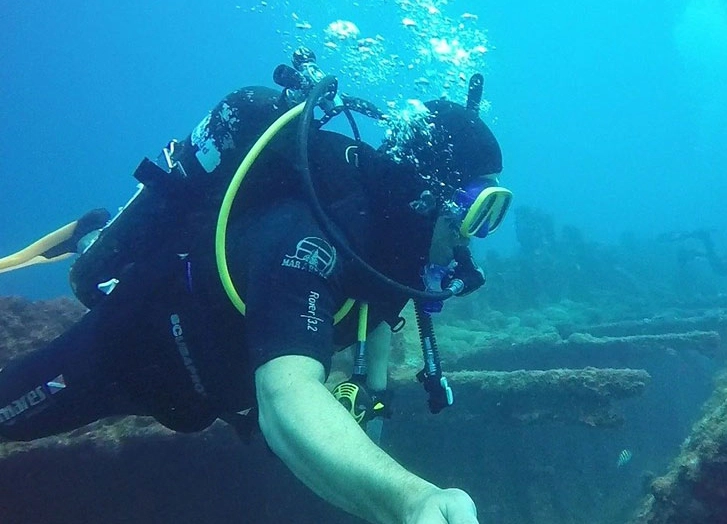
Pro tip: Many dive shops inflate skill requirements to sell courses. Be honest about your logbook dives. If you've only done 20 dives in a lake, the ocean is different—start easy.
Planning Your Caribbean Diving Trip: A Step-by-Step Guide
Let's make this practical. Here's how I plan my trips, from booking to packing.
Step 1: Set Your Budget
Diving isn't cheap. A week-long trip can cost $1,500-$3,000 per person, including flights, dives, and accommodation. Budget destinations: Bonaire and Cozumel. Luxury spots: Cayman Islands and Turks and Caicos. Factor in gear rental ($50-$100 per day) if you don't bring your own.
Step 2: Pick Your Season
Dry season (December to April) has the best weather but highest prices. Shoulder seasons (May-June, November) offer deals and fewer crowds. Hurricane season (June to November) risks storms—check forecasts and get travel insurance.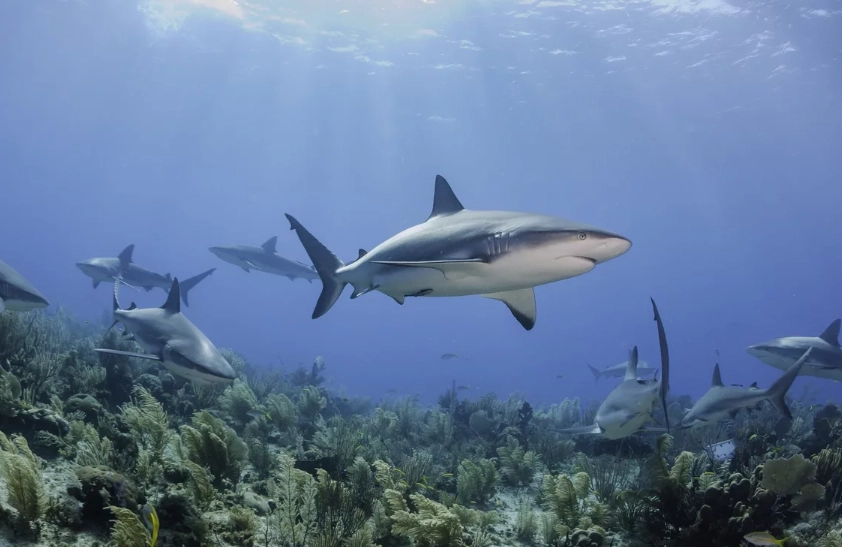
Step 3: Book Flights and Accommodation
Fly into major hubs like Miami, then connect to islands. Use Skyscanner for deals. For lodging, stay near dive operators. In Bonaire, Buddy Dive Resort offers packages. In Belize, try Ramon's Village on Ambergris Caye.
Step 4: Arrange Dives
Book dives in advance, especially for popular sites like the Great Blue Hole. Email operators to confirm group sizes—smaller groups mean better attention. Ask about equipment: some include computers, others charge extra.
Step 5: Pack Smart
Bring your certification card, logbook, and dive insurance (DAN is a lifesaver). Pack a rash guard for sun protection, and don't forget reef-safe sunscreen. I always carry a dive light for crevices.
Common Mistakes to Avoid When Diving in the Caribbean
After years of guiding trips, I've seen the same errors. Here's what to watch for.
Mistake 1: Overestimating Your Skills
Just because you're certified doesn't mean you're ready for strong currents. In Cozumel, I've seen divers get swept away. Start with a check-out dive to assess conditions.
Mistake 2: Ignoring Local Regulations
In Bonaire, you need that dive tag. In Belize, touching coral can net fines. Respect marine protected areas—they're there for a reason. Check with local authorities like the Belize Fisheries Department for rules.
Mistake 3: Skipping Dive Planning
Don't just show up. Research sites, tides, and operators. A poorly planned dive can ruin your trip. Use resources like NOAA's coral reef maps for info.
Mistake 4: Forgetting Non-Diving Days
Diving every day leads to fatigue. Schedule breaks for snorkeling or beach time. Your body will thank you.
Mistake 5: Chasing Cheap Deals
Budget operators might cut corners on safety. Read reviews on ScubaBoard or ask for recommendations. A few dollars saved isn't worth the risk.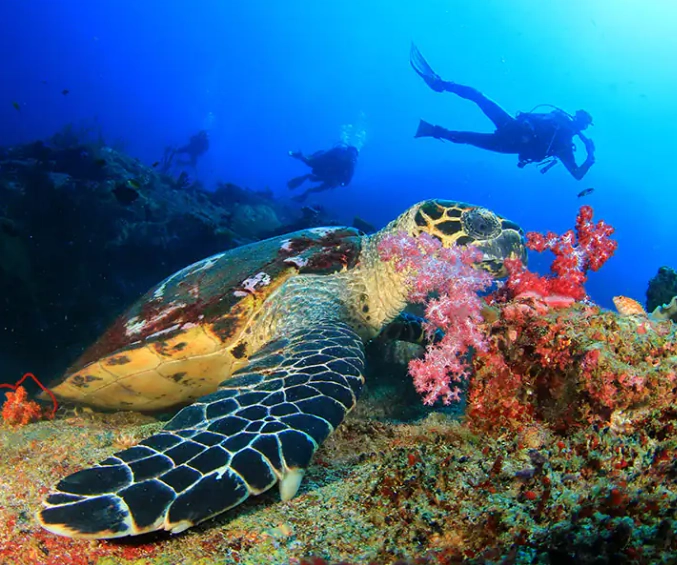
Your comment