Ask any seasoned diver about the Caribbean, and one name consistently rises to the top: Bonaire. It's not just a good spot; for many, it's the spot. While places like Cozumel have drift dives and the Caymans boast walls, Bonaire offers something uniquely accessible and endlessly fascinating – a sprawling, protected marine park where you can walk off the beach into a world-class dive site. This isn't hyperbole. The island's entire leeward coast is a designated national marine park, a sanctuary that has fostered an underwater culture unlike any other.
I've been diving here for over a decade, and what keeps me coming back isn't just the clarity of the water or the health of the reefs (though they are exceptional). It's the sheer ease and freedom. You rent a pickup truck, load your tanks, and the island is your oyster. No strict boat schedules, no giant groups. It's a diver's DIY paradise, and that ethos shapes the entire experience.
Your Dive Guide to Bonaire
Why Bonaire Stands Out From Other Islands
Let's cut through the marketing. Many islands are "known for diving," but Bonaire is engineered for it. The difference is systemic.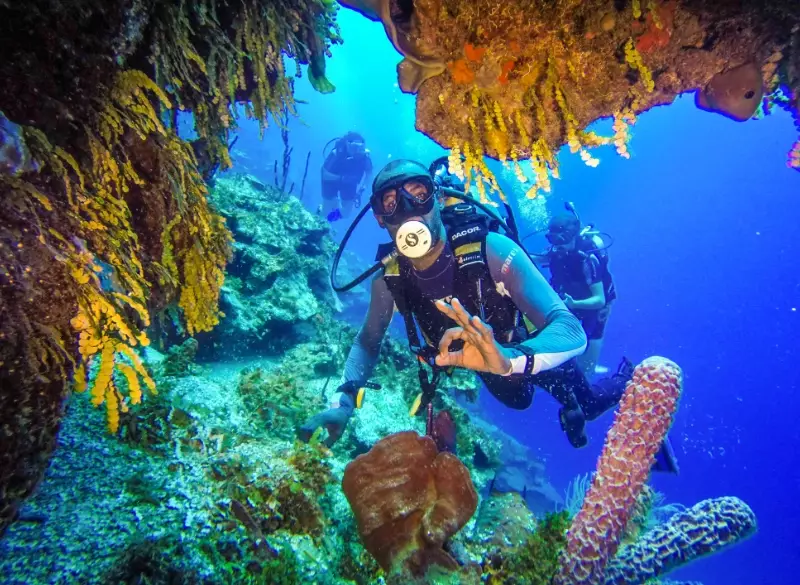
First, the Bonaire National Marine Park (BNMP) isn't an afterthought; it's the main event. Established in 1979, it's one of the world's oldest marine reserves. Every diver pays a nature fee (around $45 USD for a year tag), which directly funds conservation, mooring buoy maintenance, and patrols. You feel good diving here because you're directly contributing to the health you're witnessing. The park's management, often cited by organizations like the International Union for Conservation of Nature (IUCN) as a model, enforces strict no-touch, no-take policies.
Then there's the shore diving. This is Bonaire's signature. Over 60 official dive sites are accessible directly from the shore, marked by yellow painted rocks. You drive up, gear up, and walk in. It means unlimited diving on your own schedule. Fancy a sunset dive after dinner? You can do that. Want to do three short dives in a day across different sites? Easy. This freedom drastically changes the cost and pace of a dive vacation.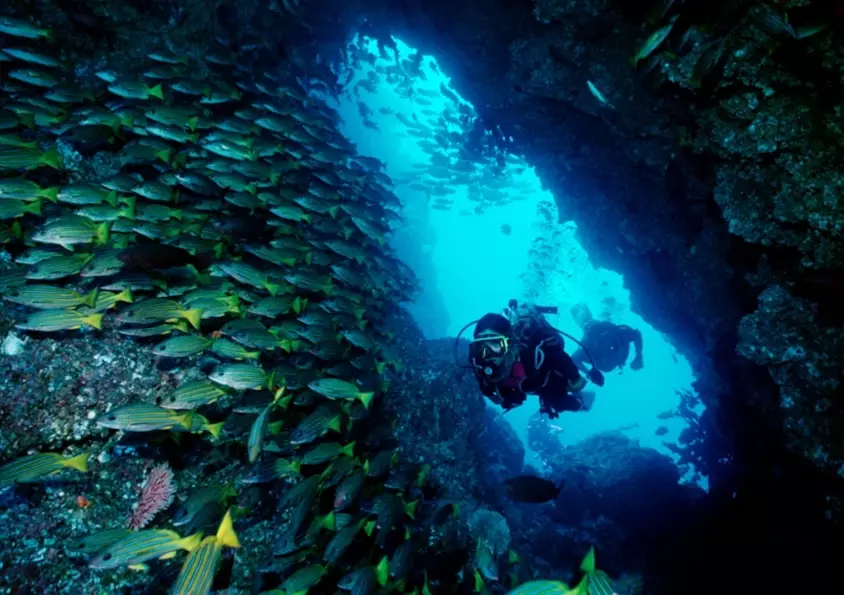
Here's a comparison that clarifies Bonaire's niche:
| Feature | Bonaire | Typical Caribbean Dive Destination |
|---|---|---|
| Primary Access | Shore Diving (DIY, 60+ sites) | Boat Diving (scheduled, 2-3 trips/day) |
| Cost Structure | Tank rentals + truck rental. Lower per-dive cost. | Boat dive packages. Higher fixed daily cost. |
| Flexibility | Total freedom. Dive any time, any site. | Tied to boat schedules and group itineraries. |
| Marine Focus | Macro life, healthy reefs, frogfish, seahorses. | Often geared toward big animals (sharks, rays). |
| Underwater Terrain | Gentle slopes, coral-covered rubble, walls close to shore. | Can vary widely; often deeper walls or drift dives. |
The water is consistently calm on the leeward side, visibility often exceeds 30 meters (100 feet), and currents are mild. This makes it spectacular for underwater photography and fantastic for beginners, but don't mistake it for boring – the biodiversity is staggering.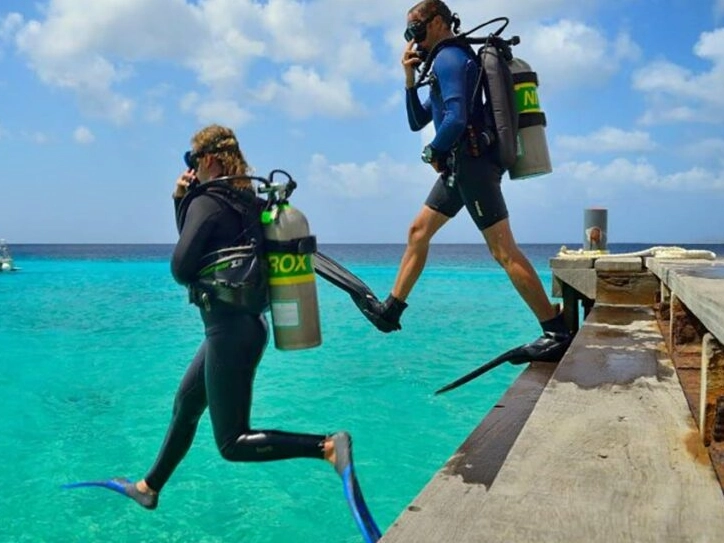
Top Bonaire Dive Sites: Shore & Boat
With so many sites, it's easy to get overwhelmed. These are my personal go-tos, split by experience level. Remember, the "best" site often depends on what you want to see that day.
For Beginners & Easy Shore Dives
1. Something Special (South of Salt Pier): Don't let the humble name fool you. A sandy slope leads to a mini-wall absolutely covered in colorful sponges and corals. It's a fish highway. I've seen more turtles here casually munching on sponges than anywhere else. Entry is a simple stride off a small platform.
2. 1000 Steps (North of the Airport): The name is a cruel joke – it's more like 70 steps. But the payoff is worth it. A beautiful, long coral slope that feels like flying over a garden. Great for long, relaxed dives. The stairway is located just north of the airport runway; look for the parking area.
3. Bari Reef (in front of Buddy Dive Resort): Considered one of the island's most biodiverse reefs. It's a shore dive right from the resort's dock. You can spend multiple dives here and not see it all. Perfect for a check-out dive or a lazy afternoon.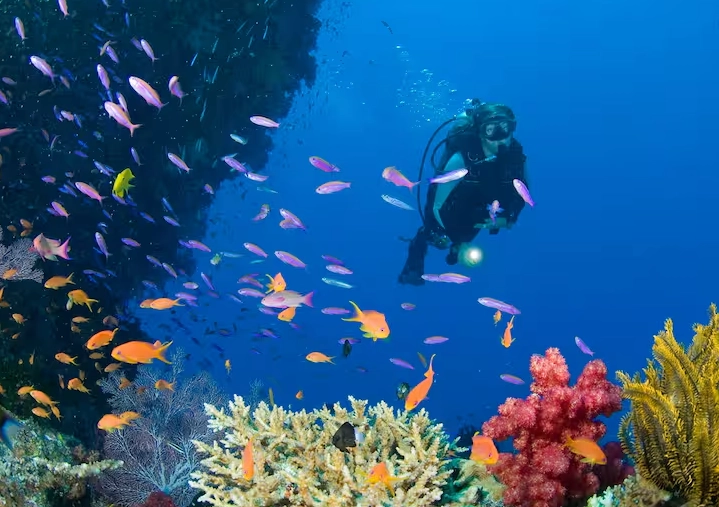
For the Experienced & Adventurous
1. Salt Pier: This is a Bonaire icon. Diving under a working pier might sound industrial, but the pilings create an artificial reef teeming with life. Massive schools of baitfish, tarpon, and incredible macro subjects like frogfish and seahorses. It's a boat-only site for safety, but operators like Great Adventures Bonaire or Dive Friends Bonaire run regular trips. You need a guided dive for access.
2. Hilma Hooker Wreck: A 70-meter freighter sitting upright in 30 meters of sand. It's an advanced dive due to depth, but it's majestic. The wreck is completely encrusted and home to huge barracuda and schools of snapper. It's a boat dive, usually paired with a nearby reef.
3. The North Coast (Karpata, 1000 Steps area): The sites get more dramatic as you go north. Slightly more surge and current, but the coral formations are bigger, and the drop-offs more pronounced. A truck with good clearance is recommended for these roads.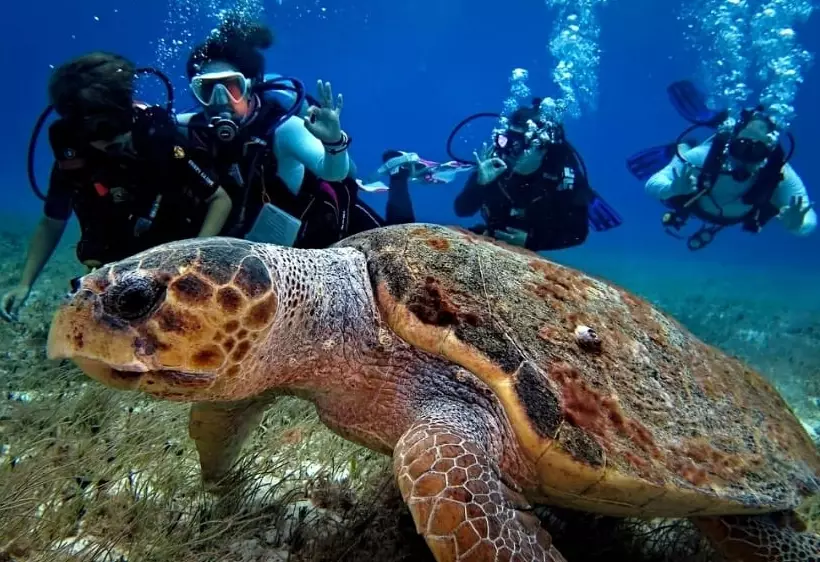
Local Insight: Most dive shops operate a "tank exchange" system. You get plastic tags with your tank rental. Leave your empty tank at any participating shop's drop-off rack, take a full one, and go. It's brilliantly simple and fuels the island's dive-anywhere culture. Shops like VIP Diving and Wannadive have multiple locations for convenience.
How to Plan Your Bonaire Diving Trip: A Realistic Blueprint
Planning is straightforward, but a few key decisions make all the difference.
When to Go: Bonaire is a year-round destination. Peak season is December-April (dry season, but higher prices). May-November is quieter and cheaper; water is warmer, and you might get brief afternoon showers. I prefer the shoulder months like May or October.
Getting There & Around: You'll fly into Flamingo International Airport (BON), often via Miami, Amsterdam, or Panama. You must rent a truck. A standard sedan won't handle the rocky roads to some sites. Budget for a pickup truck (like from AB Car Rental or Budget) – it's your gear locker and transport. They usually include a tank rack.
Where to Stay: Most resorts are dive-centric. Here's a quick breakdown:
- Buddy Dive Resort: The social hub. Has its own dock, multiple pools, and a great on-site dive shop. Perfect for first-timers who want everything in one place.
- Harbour Village Beach Club: More upscale, with a beautiful private beach and a fantastic house reef. Their dive operation is top-notch but quieter.
- Vacation Rentals (Airbnb/VRBO): In places like Belnem or along the coast. This is my preferred choice for longer stays. You get a kitchen, more space, and a truly local feel. You'll just drive to a dive shop to get your tanks.
A Sample 7-Day Diving Itinerary:
- Day 1: Arrive, check into accommodation. Pick up truck. Do a relaxed afternoon shore dive at a site like Bari Reef or Something Special to check your gear.
- Day 2: Southern sites. Hit Salt Pier (boat dive), then follow up with a shore dive at Invisibles or Red Slave.
- Day 3: Central sites. Explore 1000 Steps, then drive to Karpata for a more dramatic wall dive.
- Day 4: Boat dive to the Hilma Hooker wreck. Rest in the afternoon, maybe do a sunset dive at a house reef.
- Day 5: North Coast exploration. Sites like Oil Slick Leap or Playa Funchi. This is adventure diving.
- Day 6: Go macro hunting. Pick a sheltered, sandy site like Small Wall or Margate Bay to search for seahorses and frogfish.
- Day 7: Final morning dive, return tanks and truck, depart.
Budget Estimate (per person, 7 days): Flight ($500-$800), Truck Rental ($400-$600), Accommodation ($700-$1500), Unlimited Tank Rental ($200-$250), Marine Park Tag ($45), Food ($300-$500). It's not the cheapest trip, but the value per dive is unbeatable.
The Marine Life You'll Actually See (Not Just the Brochure Pics)
Forget the shark-centric marketing of other islands. Bonaire's magic is in the small, the weird, and the abundant.
You are virtually guaranteed to see: Parrotfish in every color, massive Tarpon lurking under piers, Sea Turtles (especially hawksbills), and endless schools of Blue Tangs and Yellowtail Snapper.
The real treasure hunt is for macro life. With a good guide or a keen eye, you can find: Frogfish (multiple species and colors), Seahorses (both longsnout and the rarer dwarf), Nudibranchs galore, Flamingo Tongue snails on gorgonians, and Octopus if you're lucky and patient.
A common mistake is rushing. The life here isn't always "in your face." Slow down. Look closely at sponges and coral heads. That lumpy bit might be a frogfish. That piece of seagrass might have a seahorse tail wrapped around it.
Common Mistakes Even Experienced Divers Make in Bonaire
I've seen these too many times.
1. Overlooking the Entry/Exit: Shore diving means dealing with waves, rocks, or stairs. Watch how others do it first. Enter and exit where it's sandy or has a defined platform. Slipping on algae-covered rocks is the quickest way to ruin a trip.
2. Ignoring the Wind: The leeward side is usually calm, but if a strong wind comes from the west, the south shore (like Salt Pier) can get choppy. Check the wind forecast and plan your sites accordingly. The north shore might be calmer on those days.
3. Trying to Do Too Much: With unlimited diving, it's tempting to do 4 dives a day. You'll burn out. Plan for 2, maybe 3 max, with long surface intervals. Enjoy the island above water too – visit the salt flats, the donkey sanctuary, or Rincon village.
4. Not Bringing a Dive Light, Even for Day Dives: This is my non-negotiable tip. Peering into crevices, under ledges, and looking at the true colors of sponges requires a light. A small, handheld torch will transform your dives.
5. Touching or Chasing Wildlife: The BNMP rules are strict for a reason. That seahorse will swim away if you get too close, stressing it. Buoyancy control is paramount. If you can't hover without finning, practice in a pool first or take a refresher.
Your Bonaire Questions, Answered
So, which Caribbean island is known for diving? If your definition includes unparalleled access, freedom, healthy reefs, and a culture built around underwater exploration, the answer is unequivocally Bonaire. It's not the flashiest island above water, but below the surface, it offers a pure, unadulterated diving experience that gets under your skin. You don't just visit Bonaire to dive; you dive to understand Bonaire.
Your comment