Ask ten divers, and you might get ten different answers. That's because the "best" diving is deeply personal. Are you a newbie looking for calm, shallow reefs? A photographer hunting for tiny seahorses? Or an adrenaline junkie craving sheer walls and big pelagics? The Caribbean, thankfully, has an island for every type of diver. But some stand out so consistently in their offerings that they become legendary. Let's cut through the hype and compare the top contenders based on what actually matters underwater—and on the logistics that make or break a dive trip.
Your Quick Dive Guide
How to Judge ‘Best’ Diving (It’s Not Just Coral)
Most listicles just talk about pretty fish. We need to go deeper. After guiding dives here for over a decade, I’ve seen divers get disappointed because they picked the wrong island for their style. The biggest mistake? Chasing a famous name without considering access and conditions.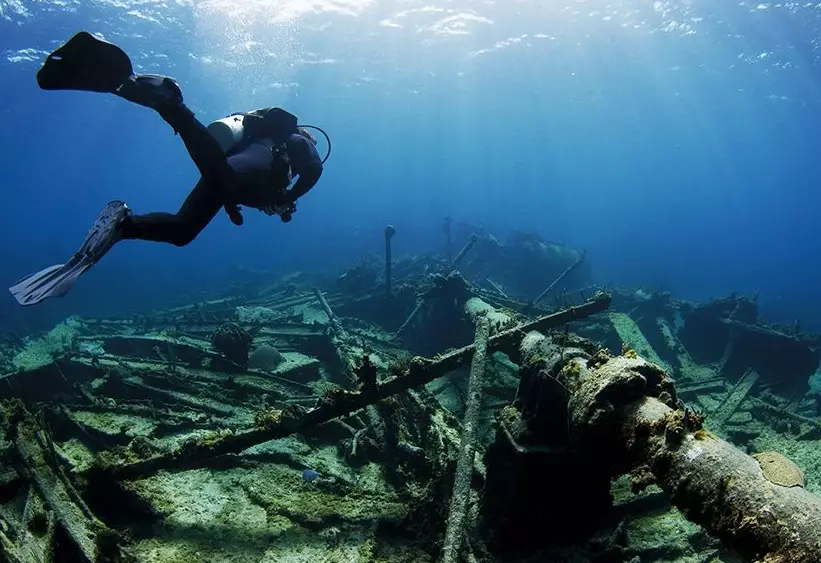
Here’s my practical scorecard for judging a dive destination:
- Reef Health & Biodiversity: This is the baseline. Staghorn coral forests, sponges, gorgonians. But also the critters—from arrow crabs to nurse sharks.
- Dive Site Variety: Walls, shallow reefs, wrecks, swim-throughs. Does it get boring after three days?
- Ease of Access & Logistics: Can you shore dive easily? Are boat dives well-organized? Is the rental gear decent? This is where many "dream" islands fall short.
- Consistency of Conditions: Year-round visibility, manageable currents. The Bahamas can be epic one day and blown out the next.
- "X-Factor": Something unique. Massive schools of fish, a unique geological feature, incredible macro life.
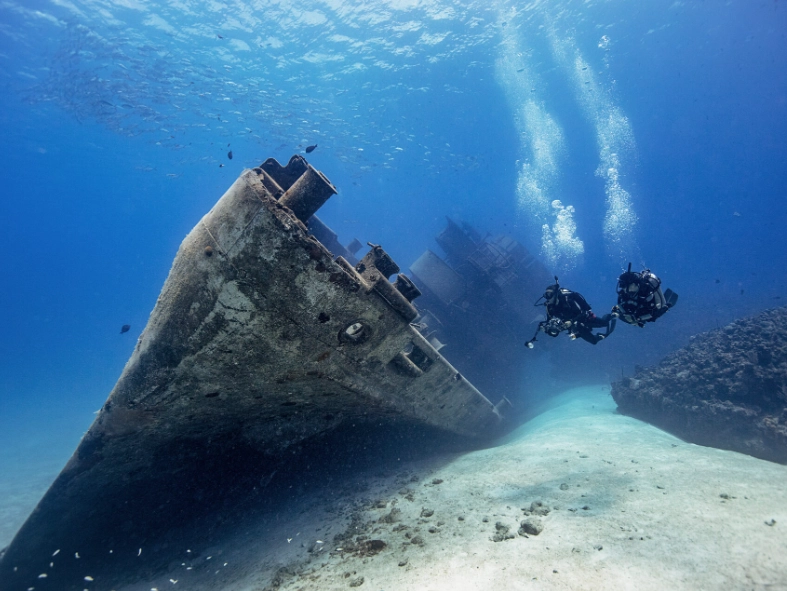
Top Contenders for Best Caribbean Diving
Based on the criteria above, three islands consistently rise to the top. They’re not the only good ones, but they offer the most complete package for most divers. Let's put them head-to-head.
| Island | Best For | Top Dive Sites | Typical Viz | Shore Diving? | Vibe & Cost |
|---|---|---|---|---|---|
| Bonaire | Independence, macro life, unlimited diving | Salt Pier, Hilma Hooker (wreck), Karpata | 60-100 ft | Exceptional (60+ marked sites) | Chill, eco-focused. Mid to high cost. |
| Roatán (Bay Islands) | Value, healthy reefs, big animal encounters | Mary's Place, West End Wall, Odyssey wreck | 80-120 ft | Limited (a few good spots) | Relaxed, backpacker-friendly. Great value. |
| Grand Cayman | Sheer walls, big pelagics, luxury amenities | Stingray City, Bloody Bay Wall (Little Cayman), Kittiwake wreck | 80-100 ft+ | Good (Seven Mile Beach area) | Polished, professional. High cost. |
See the pattern? Bonaire is about freedom, Roatán is about incredible value on pristine reefs, and the Caymans are about a premium, world-class experience. Now, let's get into the nitty-gritty details of each.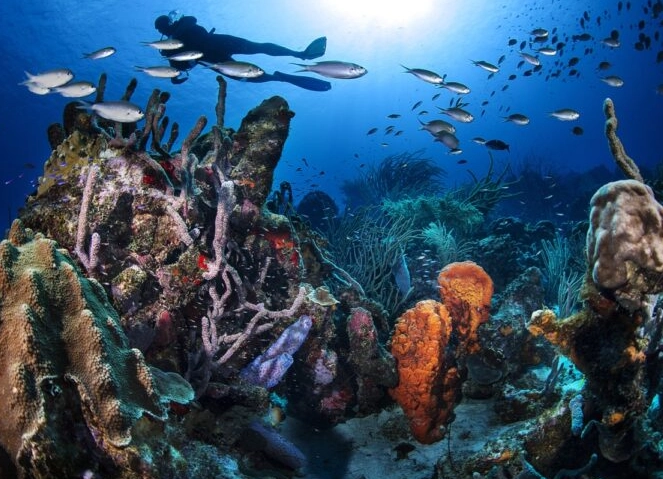
Bonaire: The Self-Serve Diver's Paradise
Bonaire isn't just a diving destination; it's a system. The entire leeward coast is a protected marine park, with over 60 official shore dive sites marked by yellow rocks. You rent a pickup truck, load your tanks from a drive-through tank farm, and go. It’s a diver's road trip.
What Makes It Special (Beyond the Obvious)
Everyone talks about the shore diving. The real magic is in the macro life. Because there's less current and surge than many islands, tiny creatures thrive. I’ve spent entire dives at a site like Salt Pier just watching seahorses, frogfish, and nudibranchs. It’s a photographer's dream. The Hilma Hooker wreck is perfectly encrusted and sits in shallow sand, making it accessible.
The Marine Park fee (around $45 for a year) is worth every penny and funds the conservation that keeps the reefs so healthy, as noted in their annual reports.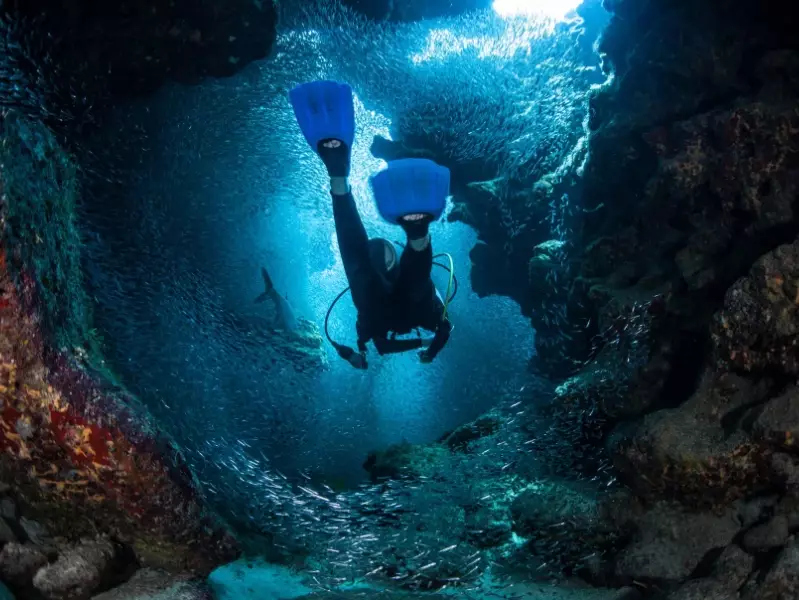
The Logistics: Making It Work
You must be a confident, self-sufficient diver to enjoy Bonaire fully. You're your own dive master. Budget for the truck rental and tank fills. Most hotels are dive-oriented (like Buddy Dive Resort) with on-site dive ops and house reefs. Flights can be tricky (often through Miami or Amsterdam).
The downside? It's arid, not a lush tropical paradise. Nightlife is quiet. And if you hate organizing your own dives, you might feel adrift.
Roatán: The Affordable All-Rounder
Roatán, part of Honduras's Bay Islands, sits on the second-largest barrier reef in the world. The value proposition here is staggering. You can get world-class boat diving for half the cost of the Caymans.
The Reefs Are Still Winning
Despite its popularity, the reefs off the west end are remarkably healthy. Sites like Mary's Place are geological wonders—deep fissures in the reef lined with deep-water sponges. The West End Wall starts shallow and plummets, often with eagle rays cruising by. I’ve seen more sea turtles here on a single dive than a week elsewhere.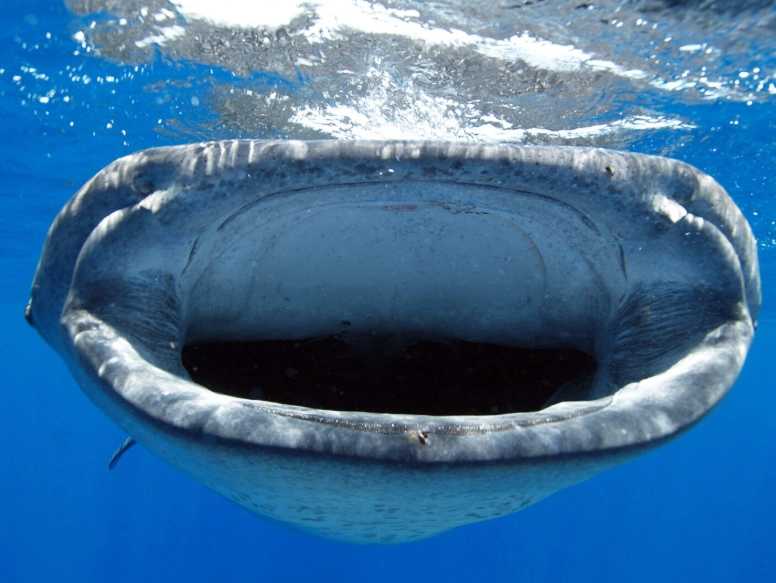
The island has done a decent job managing growth. Operations like Reef Gliders or West End Divers are professional and eco-conscious.
Real-World Trip Planning
Stay in West End for the best diving access and a fun, walkable village with restaurants. Sandy Bay is quieter. You can find everything from cheap hostels to nice eco-lodges. The airport (RTB) has direct flights from several U.S. hubs. A week of unlimited two-tank boat diving can cost under $300. It’s the number one pick for divers on a budget who don't want to compromise on quality.
The catch? Shore diving is limited. Infrastructure can feel rustic outside the main areas. And while safe in the dive areas, it requires more general travel awareness than, say, the Caymans.
The Cayman Islands: The Polished Classic
Grand Cayman, Little Cayman, and Cayman Brac are the Bentley of Caribbean diving. It's refined, reliable, and breathtaking. This is where wall diving was invented.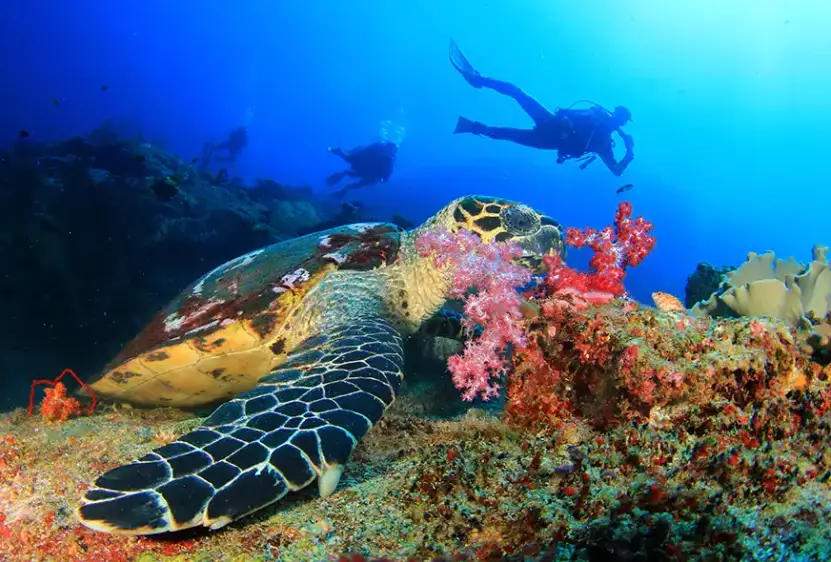
Sheer Drops and Big Animals
The North Wall of Grand Cayman and the legendary Bloody Bay Wall in Little Cayman are vertical masterpieces. You hover over an abyss covered in giant sponges. The chance to see bigger pelagics—like reef sharks and occasional hammerheads—is higher here due to the deep water close to shore.
Then there's Stingray City. Yes, it's touristy. But gliding through a squadron of 20 wild southern stingrays in crystal-clear sand is a uniquely Caribbean experience you shouldn't skip. Book a late afternoon trip to avoid the midday crowds.
The Premium Experience
Everything works. The dive boats are spacious and well-equipped (often with nitrox included). The guides are top-notch. Resorts like Little Cayman Beach Resort offer all-inclusive dive packages. You pay for it, of course. This is the most expensive option of the three.
Little Cayman is the pure dive getaway—one road, a few resorts, incredible peace. Grand Cayman has all the amenities, from five-star dining to grocery stores. Cayman Brac offers a mix of wall diving and fascinating wrecks like the MV Captain Keith Tibbetts.
Planning Your Caribbean Dive Trip
Okay, you're leaning towards one. Here’s how to lock it in.
For Bonaire: Book a package with a dive resort that includes a truck and unlimited air. Rent a good underwater flashlight for night shore dives. Bring your own dive computer and save the rental for a backup.
For Roatán: Look for "unlimited diving" packages. Consider getting your Advanced Open Water certification there to dive the deeper, more dramatic sites. Pack a light rain jacket; it can get a quick shower.
For the Caymans: If budget allows, split your time between Grand and Little Cayman. Book Stingray City as a separate sandbar trip, not as part of a reef dive. Make dinner reservations in advance on Grand Cayman.
A critical tip most miss: Check the cruise ship schedule for your intended island (especially Grand Cayman and Roatán). Try to plan your dives for days when fewer or no ships are in port. The popular sites get crowded, and the vibe changes completely.
Your Caribbean Diving Questions Answered
For a beginner, which Caribbean island is the least intimidating?
Roatán, specifically the West End. The reefs start shallow (often at 10-15 feet), the boat rides are short, and the conditions are typically calm. The dive community is very supportive of new divers. Avoid Bonaire as a total newbie—the self-guided nature adds complexity you don't need.
I'm an advanced diver who hates crowds. Where should I go beyond the "big three"?
Look at the sister islands. Little Cayman has far fewer divers than Grand. Cayman Brac is even quieter. Also consider Utila (next to Roatán), which is cheaper and has a great whale shark season. For a real adventure, the remote Silver Bank (Dominican Republic) for humpback whales is a once-in-a-lifetime trip, but it's liveaboard only.
What's the best time of year to dive the Caribbean for guaranteed good conditions?
There's no absolute guarantee, but the dry season from December to April offers the most stable weather, calm seas, and top visibility. This is also peak tourist season. The summer and fall months are warmer with calmer winds on the southern islands (like Bonaire), but it's Atlantic hurricane season (June-November). I've had fantastic dives in May and October—fewer people, better prices, and the water is warm.
Is it worth getting Nitrox certified before a Caribbean trip?
100%. It's the single most useful certification after Open Water. Longer bottom times, shorter surface intervals, and you feel less fatigued after multiple dive days. On islands like Bonaire where you might do 4-5 dives a day, it's a game-changer. Most good dive ops in these destinations offer and encourage Nitrox.
How do I choose between a dive resort and a liveaboard in the Caribbean?
Resorts offer flexibility, land exploration, and are better for mixed groups (divers and non-divers). Liveaboards (like the Aggressor or Explorer Ventures fleets) are for hardcore divers. You dive remote atolls like the Bahamas' Exumas or the Cayman walls that day boats can't reach, with 4-5 dives daily including night dives. If your sole goal is max diving, a liveaboard wins. If you want a vacation with diving, pick a resort.
So, which Caribbean island has the best diving? If you crave independence and critters, it’s Bonaire. If you want the healthiest reefs on a budget, it’s Roatán. If you desire iconic walls and a seamless, premium experience, it’s the Caymans. There’s no single right answer—just the right answer for you. Now go check flight prices.
Your comment