Let's be honest, searching for the best diving in the Western Hemisphere is overwhelming. You've got the entire Caribbean Sea, the Pacific coasts of Central America, remote islands, and everything in between. It's not just about clear water; it's about what you want to see, how much you want to spend, and what kind of experience you're after. Having logged dives from Baja California to the Turks and Caicos, I can tell you the "best" spot completely depends on you. This guide cuts through the marketing fluff. We'll look at specific sites, break down costs, talk about the best times to go, and I'll even point out a few places that might be overhyped for your particular skill level.
Your Dive Trip Blueprint
- Why the Western Hemisphere is a Diver's Playground
- The Top Dive Sites: A Detailed Breakdown
- How to Choose Your Western Hemisphere Dive Destination?
- What is the Best Time of Year for Diving in the Western Hemisphere?
- Planning Your Trip: Practical Tips Beyond the Brochure
- Your Burning Questions Answered (FAQ)
Why the Western Hemisphere is a Diver's Playground
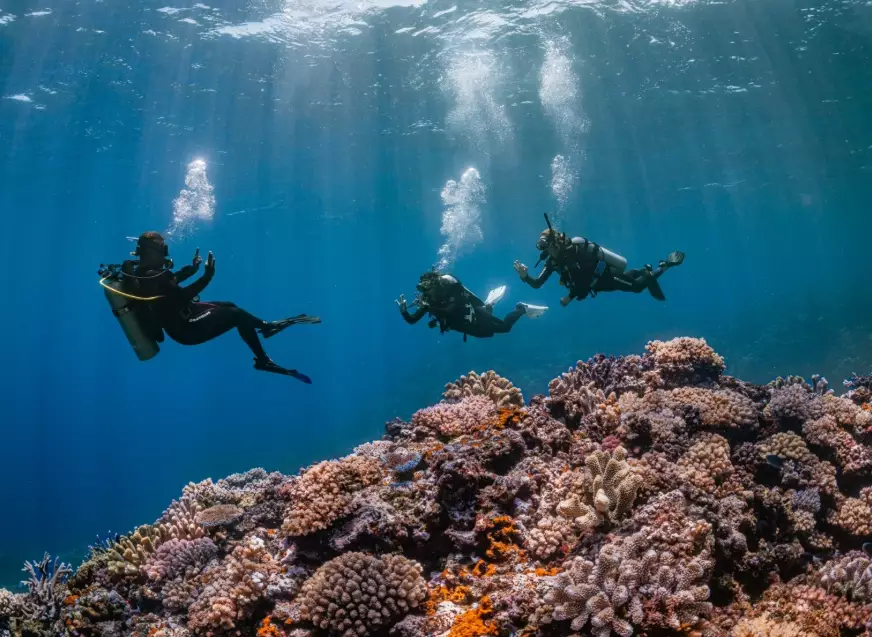
Forget flying 20 hours to Southeast Asia. Some of the planet's most biodiverse and accessible diving is right here. The combination of the Mesoamerican Barrier Reef (the second largest in the world), remote volcanic islands, and protected marine parks creates an insane variety. You can drift through effortless Caribbean diving destinations one week and be surrounded by hundreds of hammerheads in the Pacific the next. The infrastructure is also generally better for North and South American travelers—shorter flights, more familiar operators, and often easier logistics. But that doesn't mean every place is created equal.
The Top Dive Sites: A Detailed Breakdown
Instead of a vague list, here’s a concrete comparison. I'm including not just the names, but what you'll actually experience, who it's for, and the real cost.
| Destination & Location | Signature Experience & Marine Life | Best Time to Visit | Diving Type & Skill Level | Cost Estimate (Per Day) |
|---|---|---|---|---|
| The Great Blue Hole, Belize (Approx. 60 miles east of Belize City) |
The iconic aerial circle. Underwater, it's about the stalactites in the abyss (100+ ft). Expect reef sharks, occasional bull sharks. The surrounding Lighthouse Atoll reefs are the real stars. | April to June (calm seas, good vis). Avoid the rainy season (July-Nov). | Deep diving (130ft+). Advanced due to depth. The Blue Hole itself is a bucket-list dive, but the atoll offers fantastic shallower reefs. | $$$$. Primarily liveaboard trips. A 3-day liveaboard starts around $900-$1200. Day trips from the mainland are long (~3hr boat ride) and rough. |
| Cocos Island, Costa Rica (340 miles off the Pacific coast. Access by liveaboard only from Puntarenas) |
Big animal pelagic action. Schools of hundreds of hammerhead sharks, whale sharks (seasonally), mantas, dolphins, and massive tuna. It's remote and wild. | June to November (calmer seas, more hammerhead sightings). December to May can be rougher. | Advanced to expert. Strong currents, deep walls, and often low visibility (50-80ft) due to nutrients. Not a place for new divers. | $$$$$. Liveaboard mandatory. 10-day trips range from $5,500 to $8,000+. Includes park fees ($50/day). |
| Cozumel, Mexico (Island off the Yucatán Peninsula, fly to CUN then ferry) |
World-class drift diving along stunning vertical walls. Incredible coral health (especially at sites like Palancar). Eagle rays, turtles, nurse sharks. The drifts are effortless. | Year-round. Best vis: May to September. Whale shark season (nearby) is June-Aug. Rainy season is Sept-Nov. | Beginner to Intermediate. The drift does the work, but buoyancy control is key. Many easy, shallow sites too. | $$. Very affordable. 2-tank boat dive: $80-$110. Shore diving is also an option and cheap. Accommodation and food are plentiful. |
| Little Cayman & Cayman Brac, Cayman Islands (Fly via Grand Cayman (GCM) to smaller islands) |
Pristine walls and the legendary Bloody Bay Wall. Incredible visibility (100ft+ consistently). Healthy reefs, friendly groupers, tarpon, and macro life. Less crowded than Grand Cayman. | December to April (dry season, best weather). May-Nov is warmer water but chance of storms. | All levels. Walls start shallow, offering something for everyone. Great for underwater photographers. | $$$. Not cheap. 2-tank dive: $120-$140. Smaller islands mean fewer, more boutique (pricier) resorts. Peace and quiet cost extra. |
| Galapagos Islands, Ecuador (Fly to Quito/UIO or Guayaquil/GYE, then to islands GPS or SCY) |
Unparalleled unique wildlife both on land and underwater. Marine iguanas, penguins, sea lions, schooling hammerheads, whale sharks (seasonally). It's a cold-water, current-rich adventure. | Two distinct seasons: Warm/Wet (Dec-May) for whale sharks & mantas. Cool/Dry (Jun-Nov) for hammerheads & penguins (but colder water, ~65-72°F). | Advanced. Strong currents, cold water, and often challenging conditions demand experience. Liveaboard is the best way to see the major sites. | $$$$$. High cost. Liveaboards are the standard for serious divers, ranging from $5,000 to $8,000+ for a week. Land-based diving is possible but limited. |
You'll notice a pattern. The remote, pelagic-focused sites (Cocos, Galapagos) are expensive and demanding. The Caribbean reef sites (Cozumel, Caymans) are more accessible and affordable. Belize sits in the middle with a unique feature dive.
How to Choose Your Western Hemisphere Dive Destination?
Stop looking at pictures and start asking yourself these questions.
What's your #1 priority? Is it seeing big sharks? Then Cocos or Galapagos. Is it relaxing, easy dives with great vis? Little Cayman. Is it a mix of culture, food, and good diving on a budget? Cozumel or Roatan, Honduras.
Be brutally honest about your skill level. If you have less than 30 dives, Cocos Island will be stressful, not fun. A common mistake is overestimating comfort in current. I've seen advanced-certified divers with 50 dives struggle in strong Galapagos currents because they'd only dived calm lakes or quarries.
Budget beyond the diving. A $500 flight to Central America looks great until you need a $400 domestic flight and a $200 boat transfer to your remote lodge. Factor in everything: park fees (huge in places like Galapagos), equipment rental, tips, and the cost of food/drink at isolated resorts.
Travel time tolerance. Getting to the best scuba diving Central America hotspots like the Bay Islands (Honduras) or Utila might involve multiple flights and a ferry. Are you okay with that for potentially cheaper, less crowded diving?
What is the Best Time of Year for Diving in the Western Hemisphere?
There is no single best time. It's a trade-off.
The Caribbean & Gulf of Mexico: Peak season is December to April (dry, sunny, crowded, expensive). The sweet spot is often late April to early June—shoulder season with good weather, less crowding, and lower prices. Hurricane season is officially June to November, with highest risk August-October. I've had phenomenal diving in September, but you must be flexible and have trip insurance.
The Pacific Coast (Costa Rica, Cocos, Galapagos): This is driven by ocean currents and wildlife migrations, not just rain. The "warm" season often has calmer seas but less predictable big animal action. The "cool" season brings the nutrients that attract massive schools of sharks but can mean rougher seas and colder water. You pick your priority.
Always check seasonal wildlife patterns. Want to dive with whale sharks? Isla Mujeres (Mexico) is June-September. Socorro Islands (Mexico) for mantas? November to May.
Planning Your Trip: Practical Tips Beyond the Brochure
Here's where experience pays off.
Book dive operators early, especially for liveaboards. The good ones sell out 6-12 months in advance for peak seasons. Don't just pick the cheapest. Email them. Ask about boat size, guide-to-diver ratio, and their policy if conditions change. A good operator will reroute to a great backup site.
Pack smart. Besides your gear, bring a reef-safe sunscreen (mandatory in many places now), a dive computer you know how to use, and a spare mask strap. A lightweight surface marker buoy (SMB) is a good safety practice, especially in currents. I always pack a small first-aid kit and ear drops.
Health and safety. Get DAN insurance or equivalent. It's non-negotiable. Check if you need any vaccinations (Yellow Fever for some South American destinations if coming from an endemic area). Know the location of the nearest hyperbaric chamber. Your dive operator should have this info, but verify.
Sustainable diving matters. Choose operators with Green Fins or equivalent affiliations. Don't touch anything. Be mindful of your fins. Your photos shouldn't come at the cost of the reef. This isn't just feel-good advice; it ensures these sites remain the best diving western hemisphere has to offer for future generations.
Your Burning Questions Answered (FAQ)
The best diving in the Western Hemisphere is out there waiting, but it's not a one-size-fits-all label. Match the destination to your personal checklist—skills, budget, and dreams. Do that, and you're guaranteed an unforgettable trip, no matter which spot you pick.
Comments