Ask ten seasoned divers where the diving capital of the world is, and you'll likely get one answer more than any other: Dahab, Egypt. Forget the fancy resorts and crowded liveaboards for a second. Dahab is different. It's a dusty, wind-swept Bedouin town on the Sinai Peninsula where the desert meets the Red Sea. The vibe is laid-back, the costs are low, and the diving is, quite simply, legendary. This isn't just my opinion after multiple trips there; it's the consensus in the diving community. The title isn't about luxury—it's about unparalleled access to world-class sites, a year-round diving season, and a culture that breathes diving.
Dive Right In: Your Guide to the Diving Capital
Why Dahab Earns the Title ‘Diving Capital of the World’
So, what makes a place the capital? It's usually the center of activity, the most accessible hub, the place with the deepest history. Dahab checks all these boxes for diving.
The Blue Hole. Let's start with the obvious. The Blue Hole is arguably the most famous dive site on the planet. It's a sinkhole that drops to over 100 meters, with its iconic archway at about 56 meters. Its reputation is double-edged—it's a magnet for technical divers and a sobering site due to past accidents. But its sheer fame puts Dahab on the map irrevocably. You can literally sit at a shoreline cafe and watch bubbles rise from it.
Shore Diving Paradise. This is the real clincher. Most of Dahab's iconic sites are shore dives. You gear up at a simple bedouin-style dive center, walk a few meters, and descend. No boats, no schedules, no extra costs. Want to do a 60-minute dive at the Canyon for $25? You can. This accessibility is unmatched. It democratizes world-class diving.
Culture and Cost. Dahab has been a backpacker and diver haunt since the 70s. The town is strung along a coastal promenade called the Masbat. It's a mix of cheap hostels, family-run dive centers, and seafood restaurants. A week of diving here costs a fraction of what it would in the Maldives or Palau. The community is tight-knit. Instructors and guides often stay for years, becoming local experts. You're not a tourist on a conveyor belt; you're part of the scene.
Local Insight: Many new divers make the mistake of heading straight for the Blue Hole because of its fame. Most local guides will gently steer you towards the Canyon or the Islands first. The Blue Hole's deep, sheer walls offer little for recreational divers under 30 meters except a view into the abyss. The real magic for most of us is in the shallower, more vibrant sites.
Top Dive Sites in Dahab: Beyond the Blue Hole
Focusing only on the Blue Hole is like going to Rome and only seeing the Colosseum. Dahab's coastline is a treasure trove.
The Canyon
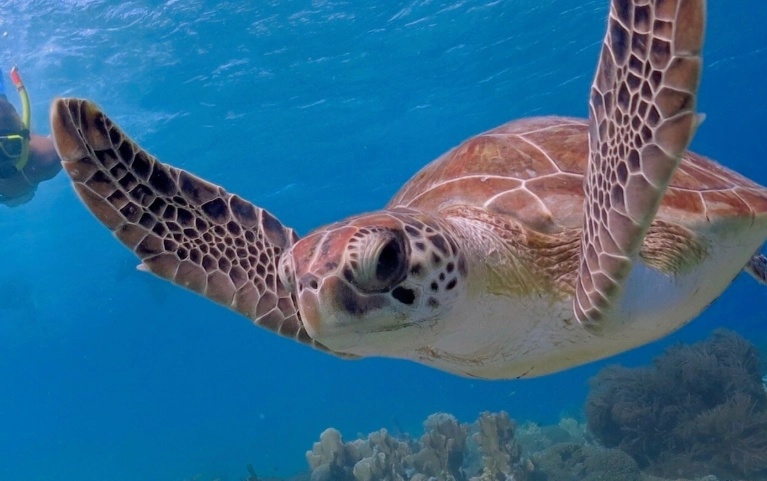
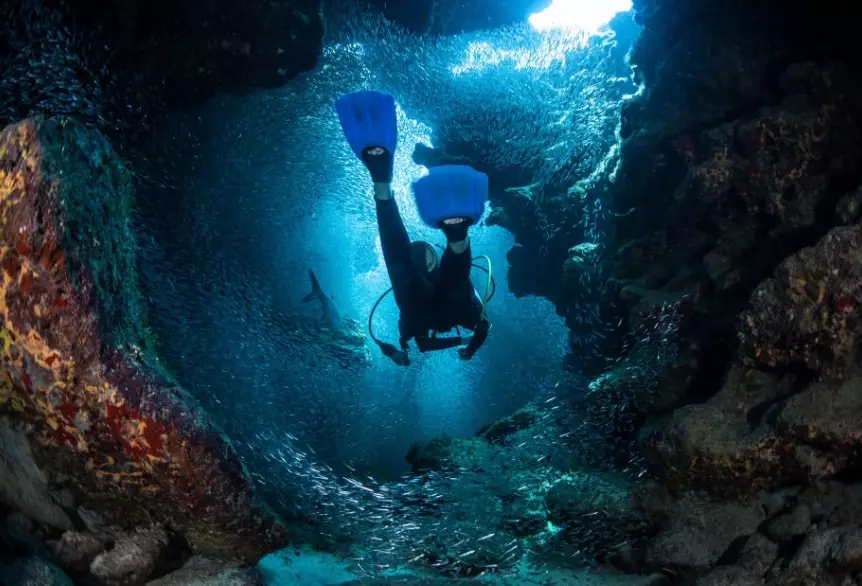
My personal favorite. You swim over a sandy plateau at 18-20 meters, then a crack in the reef appears. You descend through this narrow chimney, which opens into a vast cavern at about 30 meters. Sunbeams slice through the entrance. It feels like a secret underground cathedral. You exit through a different tunnel. It's a thrilling, safe dive for advanced open water divers. The marine life on the plateau outside is also fantastic—morays, crocodilefish, and sometimes turtles.
The Islands (also called the Eel Garden)
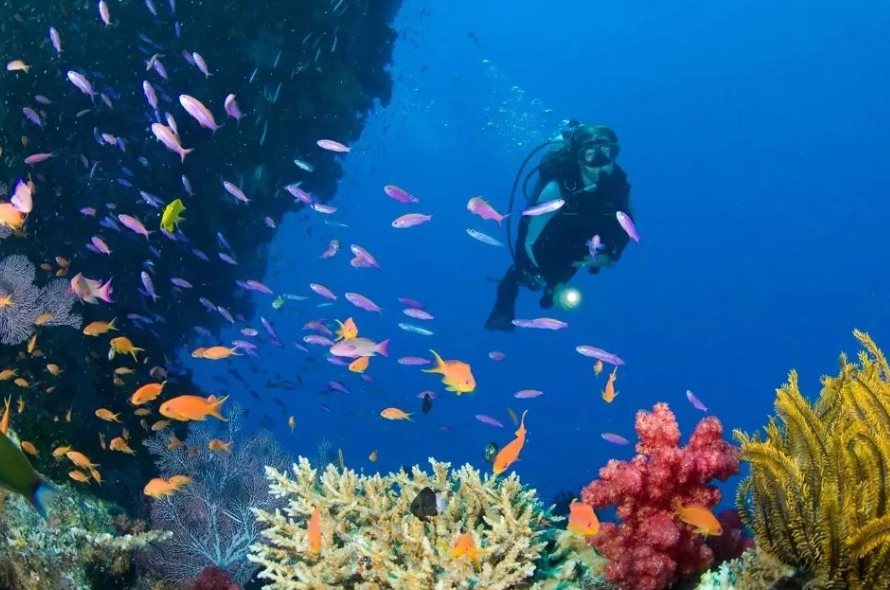
A perfect second dive or a spot for beginners. A vast field of garden eels pokes from the sandy bottom at around 15 meters. Further out, a series of coral pinnacles (the "islands") are packed with life: anthias, triggerfish, and octopus. It's a gentle, colorful dive with great visibility.
The Lighthouse Reef
Literally steps from the main promenade. A huge, sloping reef starts in the shallows and goes deep. It's Dahab's training ground. You'll see students everywhere. But don't let that fool you—the coral is healthy, and there are amazing macro critters in the shallows. Perfect for a checkout dive or a relaxed afternoon snorkel.
Other notable sites include the Bells (a sinkhole leading to the Blue Hole, for tech divers), the Golden Blocks, and the Moray Garden.
How to Plan Your Diving Trip to Dahab
Let's get practical. How do you actually do this?
Getting There: Fly into Sharm El-Sheikh International Airport (SSH). The drive to Dahab is about 90 minutes. Pre-book a transfer with your hotel or dive center (cost: ~$30-40 per car). Taxis are available but agree on the price first.
Where to Stay: Dahab is small. Staying near the Masbat (the waterfront) means you're walking distance to most dive centers and restaurants.
- Budget: Penguin Village or Dahab Paradise. Basic but clean, with pool and beach access. ($15-30/night).
- Mid-Range: The Dahab House Hotel or Sunshine Beach Hotel. More comfort, great locations. ($40-70/night).
- Boutique: Ali Baba Hotel or Blue Beach Club. Right on the water, excellent service. ($80-120/night).
Choosing a Dive Center: This is crucial. Look for centers with a long-standing reputation. Red Sea Diving College (PADI) and Desert Divers (SSI) have been there for decades. H2O Divers and Dive Urge are also highly respected. Walk in, chat with the staff, check their equipment room. A good center will ask for your cert card and logbook, and will brief you thoroughly on local conditions, especially the wind and currents.
Sample 5-Day Diving Itinerary & Budget:
- Day 1: Arrive, check into hotel. Afternoon checkout dive at Lighthouse Reef.
- Day 2: Morning two-tank boat trip (or shore dive combo) to the Islands and the Canyon. Cost for two guided shore dives: ~$50-$65.
- Day 3: Morning dive at the Eel Garden. Afternoon off for windsurfing or a trip to the Blue Lagoon.
- Day 4: Dedicated day for the Blue Hole (often a two-tank trip that includes the Bells). This is for advanced divers only. Cost: ~$70-$90.
- Day 5: Relaxed morning dive at a site of your choice, depart in the afternoon.
- Estimated Total Cost (excl. flights): $500-$800 for a week, including modest accommodation, food, and 8-10 dives. It's incredibly good value.
Dahab vs. Other Famous Dive Destinations
Why Dahab over other places? This table breaks it down.
| Destination | Key Strength | Typical Cost (per dive) | Access Style | Best For |
|---|---|---|---|---|
| Dahab, Egypt | Legendary shore dives, culture, value | $25 - $40 | Shore (mostly) | Independent divers, budget travelers, tech divers |
| Sharm El-Sheikh, Egypt | Liveaboard access to Straits of Tiran & Ras Mohammed | $40 - $60 (boat dive) | Boat | Liveaboards, reef lovers, easier logistics |
| Maldives | Pelagics (mantas, sharks), luxury resorts | $80 - $150+ | Boat (from resort or liveaboard) | Big animal encounters, honeymooners |
| Palau | Wall diving, sharks, WWII wrecks | $70 - $100 | Boat | Advanced divers, adventure seekers |
| Great Barrier Reef, Australia | Biodiversity, sheer scale | $80 - $120 | Boat (long trips) | Marine life enthusiasts, once-in-a-lifetime trips |
Dahab wins on raw accessibility and cost. You're not tied to a boat schedule. You can decide at 10 am to go for a dive, be in the water by 11, and be back at your favorite cafe by 1 pm. That freedom defines a capital.
Your Dahab Diving Questions Answered
So, what is the diving capital of the world? It's the place where diving isn't just an activity; it's the heartbeat of the town. It's where world-class sites are a stroll away, where the community lives and breathes the sport, and where you can immerse yourself in it all without going bankrupt. That place is Dahab. It's not the fanciest, but it's the realest. And for countless divers, that's exactly what makes it the capital.

Comments