Let's be honest. Most divers think about safety as a checklist: get certified, service your gear, don't hold your breath. But real diver safety isn't a list you tick off. It's a mindset, a continuous conversation you have with yourself and your buddy from the moment you book a trip until you're back on the boat, drying off. I've been diving for over a decade, and the close calls I've seen—or narrowly avoided—rarely came from dramatic shark encounters or cave collapses. They came from a series of small, seemingly insignificant decisions that snowballed. A skipped equipment check. A rushed descent to keep up with the group. Ignoring a slight headache because you didn't want to miss the dive. This guide is about connecting those dots.
Your Safety Checklist: Navigate This Guide
The Safety Mindset Shift: From Reactive to Proactive
Stop thinking of safety as rules that restrict fun. Start seeing it as the framework that enables deeper, longer, and more rewarding exploration. The proactive diver doesn't just ask "Is my tank full?" They ask, "Is my tank filled by a reputable shop, and when was its last visual inspection?" They don't just plan a maximum depth. They plan the dive profile, including a slower ascent rate and a deeper safety stop if conditions are rough. This shift turns safety from a burden into a skill—arguably the most important one you'll ever develop underwater.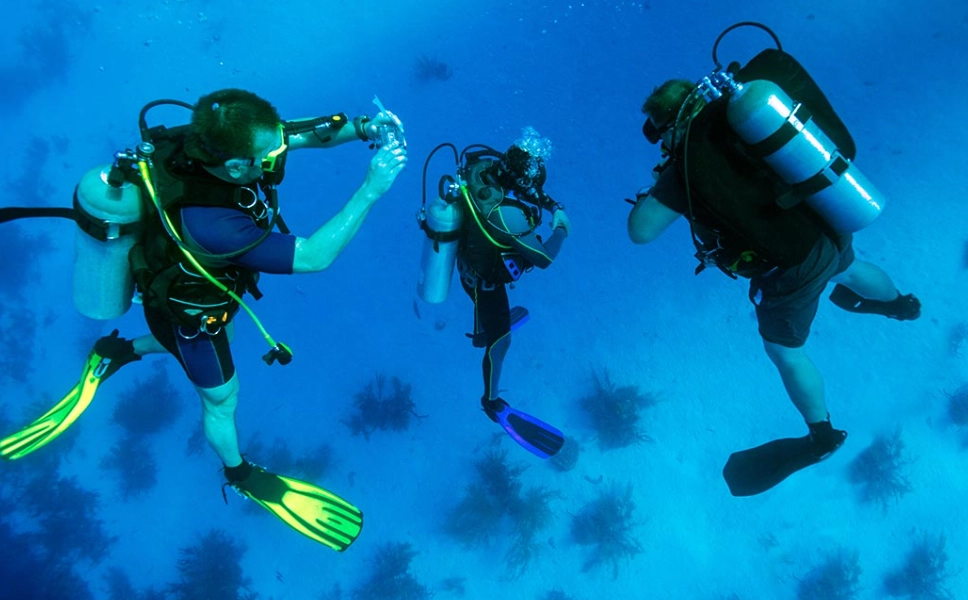
Gear Integrity: Your Personal Life Support System
Your gear is not just equipment; it's a life support system. Treating it as such changes how you maintain and check it.
The Pre-Dive Check That Actually Works (BWRAF Isn't Enough)
We all learn BWRAF (BCD, Weights, Releases, Air, Final OK). It's a start, but it's superficial. Let's add depth.
BCD: Don't just inflate/deflate. Inflate it fully and leave it for a minute. Listen for the faintest hiss. Check all dump valves—the shoulder, the bottom, the overpressure. A slow leak you discover on the surface is a non-issue. One you discover at 20 meters as you struggle to stay neutral is a problem.
Regulators: Take a few breaths from your primary and alternate. Feel for any resistance or irregular airflow. Purge them. Now, here's the step most skip: with the air OFF, take a breath from the primary. You should get nothing. If you get a slight breath, your regulator's first stage has an internal leak (a "cracked seat"), which can lead to a freeflow underwater. I've seen this cause panic.
Computer & Gauges: Sync your computer with your buddy's. If you're starting a multi-day trip, ensure your battery isn't on its last legs. A computer failure mid-dive isn't just an inconvenience; it mandates an immediate, controlled ascent, ending your dive.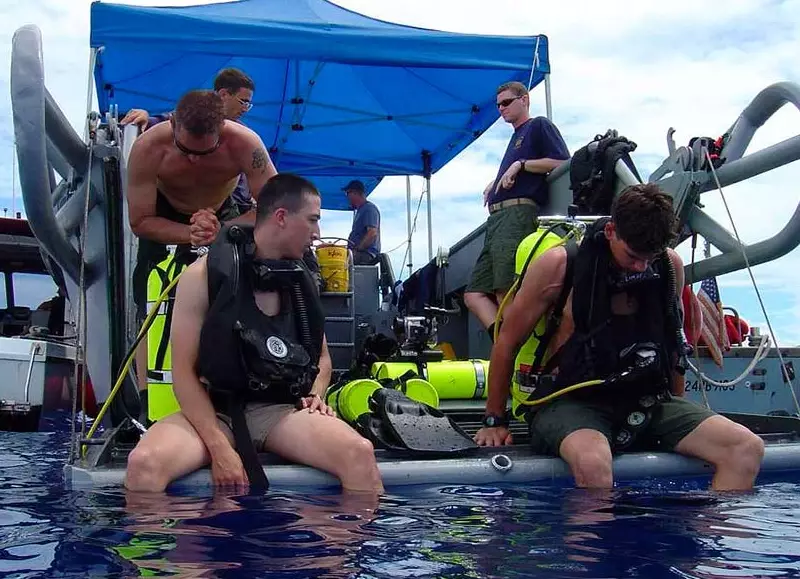
Maintenance: The Unseen Killer
Servicing your regulator annually isn't a suggestion; it's insurance. Salt, silt, and time degrade O-rings and seals. More critical than the regulator is your cylinder visual inspection (VIP) and hydrostatic test. Don't just trust the shop sticker. Ask to see the record if you're renting. A compromised tank is a bomb.
The Non-Negotiable Dive Plan: A Case Study
Let's make this concrete. You're diving a reef wall in Cozumel. The current is running north to south. Here’s what a robust plan looks like, moving beyond "40 minutes, 18 meters."
| Plan Element | Basic Plan | Proactive Safety Plan |
|---|---|---|
| Objective | See the wall. | Drift along the wall between 15-18m, focusing on sponge formations. Turn the dive at 100 bar or 40 minutes, whichever comes first. |
| Entry/Exit | Boat drop. | Negative entry as a group, regroup at 5m. Exit signal: the boat will deploy a trailing line with a buoy; ascend near the line. |
| Communication | Hand signals. | Agree on specific signals: "Ear not clearing" (point to ear, flat hand), "Current too strong" (arm swept back), "End dive due to air" (flat hand across throat). |
| Separation Procedure | Look for 1 minute, surface. | Look around for 1 minute (360 degrees, below). If no buddy, safely ascend to 5m, wait 1 minute, surface. Use an audible surface signal (whistle). Upon reuniting on boat, do NOT re-descend. |
| Contingencies | None specified. | If current exceeds comfort, abort and ascend near the anchor line. If a diver is low on air early, that diver ascends with the buddy or a designated buddy team, NOT alone. The boat captain's radio channel is 72. |
See the difference? The second plan is executable. Everyone knows not just what to do, but what to do when things don't go as planned.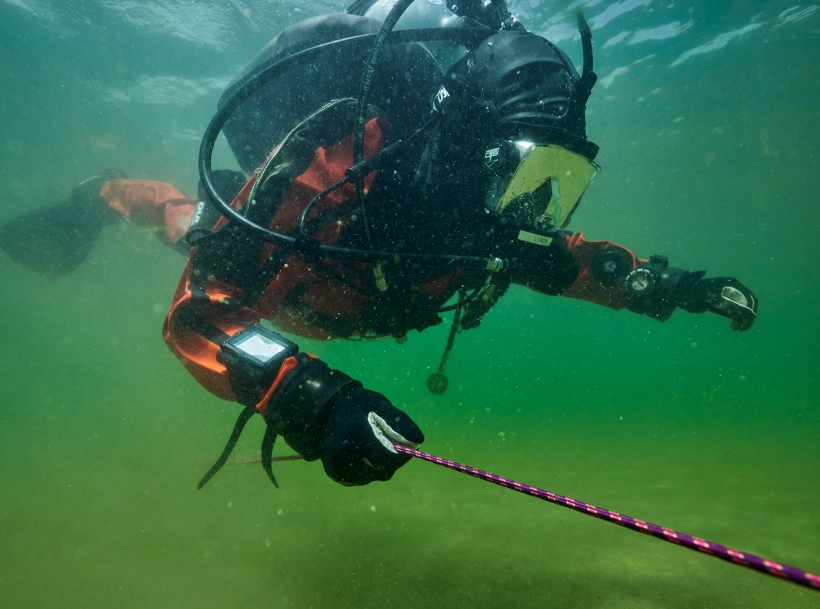
Health, Fitness & The Silent Threat: Decompression Illness
You can have perfect gear and a perfect plan, but if your body isn't ready, none of it matters.
Hydration is the biggest pre-dive factor everyone underestimates. Flying to a destination dehydrates you. Alcohol the night before dehydrates you. Diving is a diuretic. Being dehydrated thickens your blood, theoretically increasing the risk of decompression sickness (DCS) by reducing efficient off-gassing. Drink water consistently, not just a gallon right before the dive.
Fatigue: Diving on a red-eye flight is stupid. Your body is stressed, your judgment is impaired, and your off-gassing efficiency is compromised. Schedule a recovery day after long travel.
The DCS Conversation: Dive computers are brilliant, but they're statistical models, not oracles. They track theoretical nitrogen loading. Your actual physiology varies daily. The computer says you have plenty of no-deco time left, but you feel unusually tired or have a vague, persistent joint ache after the dive? That's your body talking. Listen to it. Report it. Don't "sleep it off." The Divers Alert Network (DAN) is an essential resource for pre-trip advice and emergency support.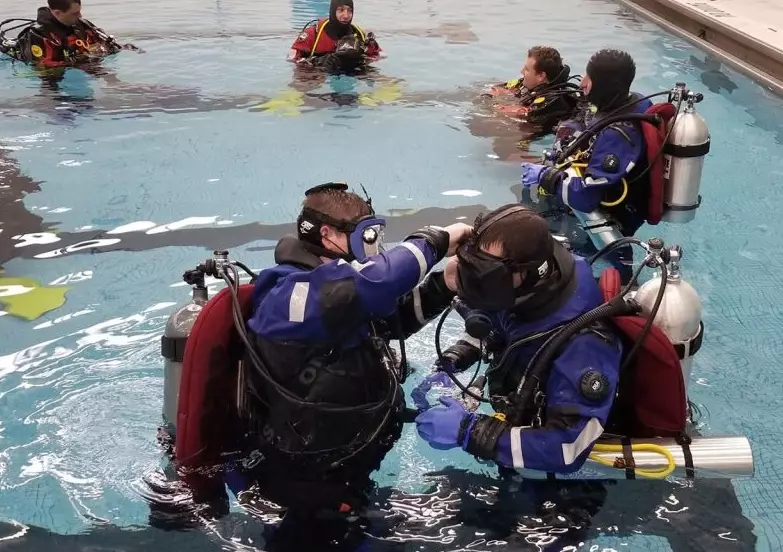
Emergency Response: Staying Calm When Things Go Wrong
Panic kills. The only antidote is practice and mental rehearsal.
Out of Air Drill: Practice this with your buddy in a pool or shallow water quarterly. Not just the standard CESA (Controlled Emergency Swimming Ascent). Practice donating air and swimming horizontally to a line or the anchor chain. The vertical ascent should be a last resort.
Freeflow Regulator: The instinct is to rip it out of your mouth. Don't. You can still breathe from a freeflowing regulator; it's just noisy and bubbles a lot. Practice breathing from a simulated freeflow (have a buddy gently press the purge button). Know how to shut down your tank valve if it's a first-stage issue.
Lost Buddy: The 1-minute search rule exists for a reason. After that, the increasing risk of you getting lost or exceeding no-deco time outweighs the benefit of a blind search. Surface, use your whistle, regroup. The dive is over. This is hard for teams to accept, but it's the safe protocol.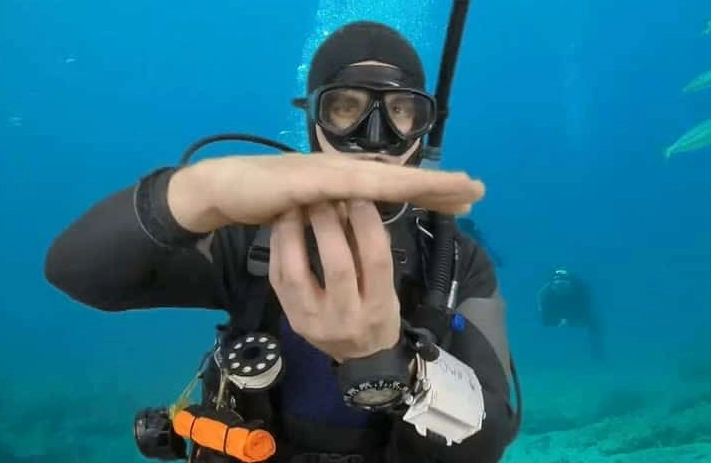
Common Pitfalls Even Experienced Divers Miss
- The "Just One More Look" Ascent: You're at your safety stop, see a turtle below, and dip down 5 meters to get a photo. You've just partially reloaded your tissues with nitrogen, invalidating your stop. Stay disciplined.
- Ignoring Post-Dive Fatigue: Feeling wrecked after a routine dive isn't normal. It's a potential symptom of marginal DCS or other issues. Note it in your logbook and consider it for future dive planning.
- Gear Familiarity on Day One: Renting new or different gear (especially a BCD with different dump valve locations) requires a dedicated orientation dive in a pool or very shallow, calm water. Don't learn its quirks at depth.
- Peer Pressure: The hardest skill is to say "I'm not comfortable with this dive" when everyone else is suiting up. A true diving community respects a no-go decision more than reckless bravado.
Your comment