Let's cut to the chase. Playa del Carmen isn't just a spring break town with nice beaches. It's one of the most versatile and accessible dive hubs on the planet. You're literally standing at a crossroads. Look east, and you have the open Caribbean Sea with the legendary reefs of Cozumel a short ferry ride away. Look inland, and you have the Yucatán Peninsula's unique network of freshwater cenotes—sunken caves and caverns that feel like another planet. Most guides will tell you that. What they often miss is the practical reality of stitching these two vastly different worlds into one seamless trip without wasting time or money. I've been diving here for over a decade, and I'll show you exactly how to do it.
Your Quick Dive Trip Navigator
Two Worlds of Diving: Cenotes vs. The Sea
This is the fundamental decision you need to make. They're not the same experience, and your skill level matters.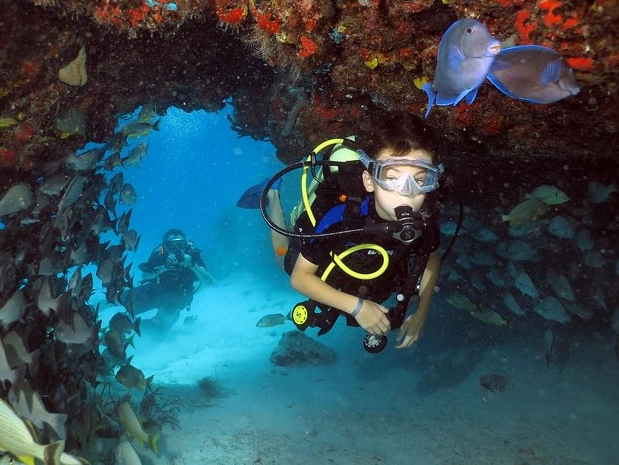
Cenote Diving: The Inland Adventure
Imagine swimming through crystal-clear freshwater where beams of sunlight pierce through jungle roots, illuminating ancient rock formations. That's cenote diving. It's primarily cavern diving (you always have a direct line of sight to the entrance and natural light), not full cave diving (which requires technical training). The visibility is often an insane 100+ meters. The water is fresh, around 24-25°C (75-77°F), so a 5mm wetsuit is comfortable year-round.
Who is it for? If you're a newly certified Open Water diver, you can do specific, easy cenotes. But honestly, you'll get more out of it if you have about 20 dives under your belt and good buoyancy control. You're often hovering over fragile silt or maneuvering through tight-ish spaces. Kicking up silt isn't just rude; it ruins the visibility for everyone.
Ocean Diving: Cozumel's Drift Diving Paradise
From Playa, ocean diving almost always means taking the 40-minute ferry to Cozumel. The currents here create a famous drift dive: you glide along the reef with minimal effort, surrounded by towering coral formations, sea turtles, eagle rays, and massive schools of fish. The water is warmer (26-29°C / 79-84°F) and saltier. Visibility is typically 30+ meters.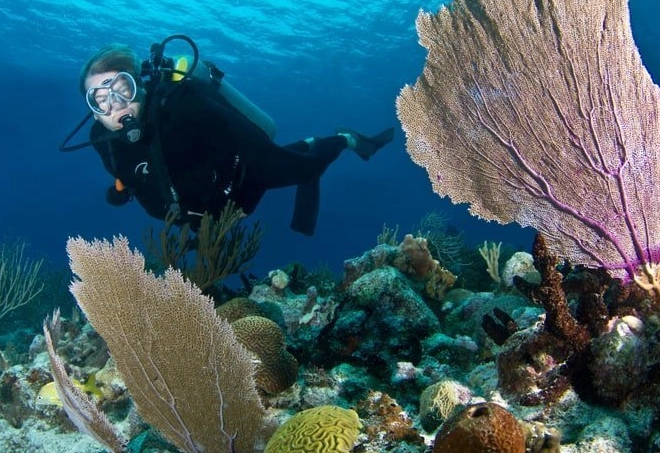
Who is it for? It's fantastic for all levels. Beginners can stick to shallow, protected reefs. Advanced divers can hit the famous walls like Palancar and Santa Rosa. The drift can be strong, so being comfortable in current is key, but a good guide will manage the group's pace.
Top Cenotes for Every Diver Level
Not all cenotes are created equal. Picking the right one for your experience is crucial for safety and enjoyment.
| Cenote Name | Best For | Key Features & Experience | Approx. Cost (2-tank dive) |
|---|---|---|---|
| Dos Ojos ("Two Eyes") | Beginners, First-timers, Photographers | The most famous. Two circular caverns connected. Incredible light beams in the "Barbie Line." Very open, minimal restrictions. | $120 - $140 USD |
| The Pit (El Pit) | Advanced Beginners+, Deep Dive Training | A deep, sheer sinkhole. You descend along a "cloud" of hydrogen sulfide at around 30m. Dramatic light effects. Requires good buoyancy. | $130 - $150 USD |
| Angelita | Advanced Divers, Unique Phenomena | Famous for its underwater "river"—a cloud of hydrogen sulfide at 30m that looks like a flowing river with "trees" (branches) sticking out. Surreal and deep. | $140 - $160 USD |
| Car Wash (Aktun Ha) | All Levels, Wildlife | Shallow, open cenote with lush freshwater plants and often freshwater turtles. Great for a relaxed second dive or a refresher. Less cavernous. | $110 - $130 USD |
Costs typically include gear, guide, park entrance fees, and sometimes snacks/water. Transportation from your hotel in Playa is almost always extra ($10-$20). Always confirm what's included.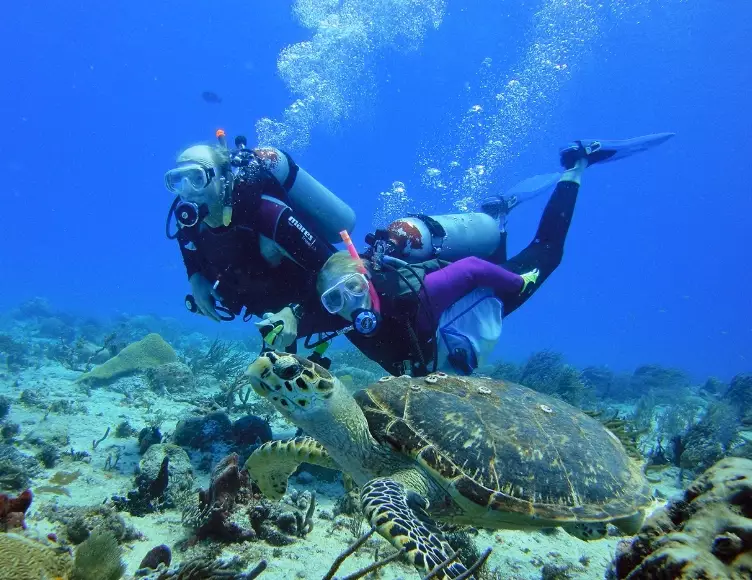
Diving the Cozumel Reefs from Playa del Carmen
Here's the logistical key: You don't need to stay overnight in Cozumel. Reputable dive shops in Playa will handle everything. The standard day trip looks like this:
7:00 AM – Meet at the dive shop in Playa, gear up.
7:30 AM – Van to the Playa del Carmen ferry terminal.
8:00 AM – Ferry crossing to Cozumel (buy your ticket in advance online to save time).
8:45 AM – Meet the Cozumel-based boat crew at the marina, load gear.
9:30 AM – First dive (e.g., Palancar Gardens, Paradise Reef).
11:30 AM – Surface interval with snacks on the boat.
12:15 PM – Second dive (e.g., Santa Rosa Wall, Yucab).
~2:00 PM – Return to marina, rinse gear, get back to ferry.
~4:00 PM – Back in Playa del Carmen.
Pro Tip on Currents: Cozumel is known for its drifts. A common mistake is fighting the current to stay with the group or see something. Don't. Streamline your body, relax, and go with the flow. Your guide will be watching. Over-exerting yourself burns air fast and increases risk. Let the current do the work.
Expect to pay $150 - $180 USD for a two-tank Cozumel boat dive from Playa, including ferry tickets, guide, tanks, weights, and sometimes a light lunch. It's a long day but incredibly efficient.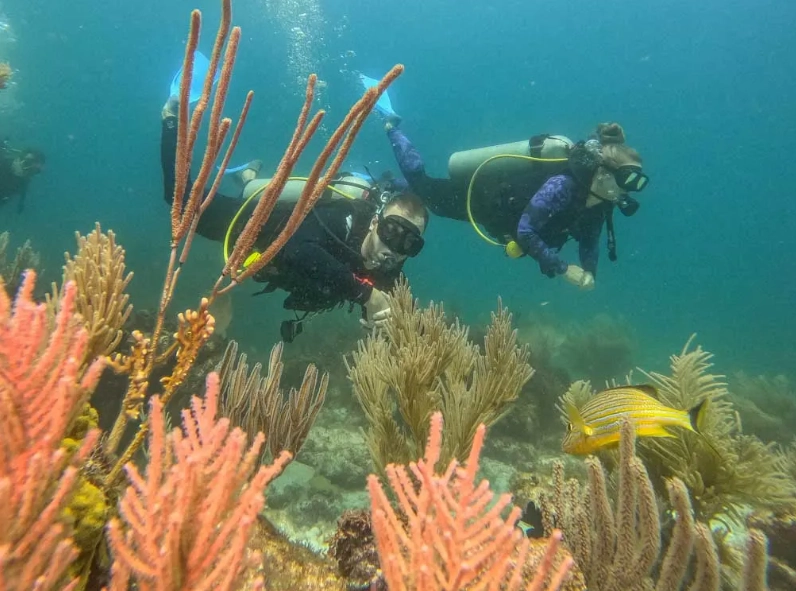
Planning & Logistics: Costs, Shops, and Timing
Choosing a Dive Shop in Playa del Carmen
Skip the big, impersonal storefronts on 5th Avenue. Look for smaller, owner-operated shops with a focus on small groups. Read recent reviews specifically about guide attentiveness and safety briefings. A good shop will ask for your certification card and logbook, and will honestly assess if a dive site is right for you. I've had great experiences with shops that are a block or two off the main tourist drag—they often have more experienced guides who aren't rushing to herd 20 people.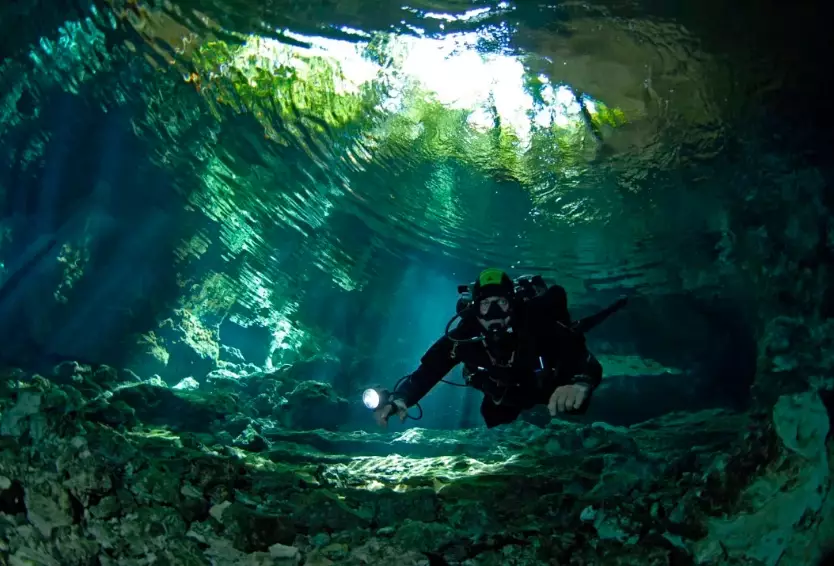
When to Go
Best Diving Conditions: May through September. Seas are calmest, water is warmest, and visibility is typically at its peak. Yes, it's hotter and there's a chance of rain, but the underwater conditions are superior.
Shoulder Season (Good): October, November, April. Still very good, fewer crowds.
Challenging Season: December to March. This is when the famous "Nortes" (northern winds) can blow in, causing rough seas and shutting down Cozumel boat trips for days. Cenote diving becomes the only reliable option. It's also the busiest and most expensive tourist season.
Crafting Your Perfect 3-Day Dive Itinerary
Here’s a balanced plan that mixes both worlds without burnout.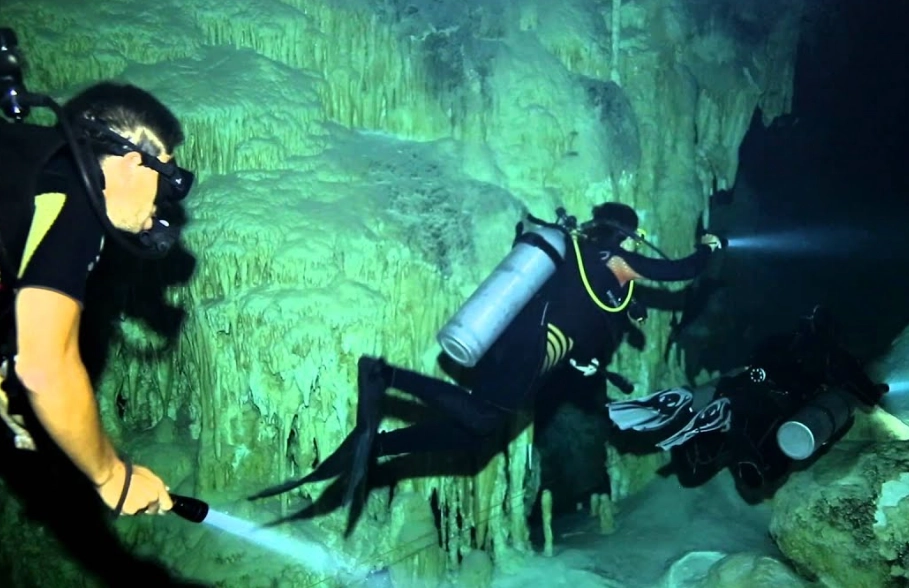
Day 1: Cenote Introduction. Morning two-tank dive at Dos Ojos. It's stunning but not intimidating. Spend the afternoon relaxing in Playa, maybe snorkeling at Playacar Reef right from the beach. Easy day to get your bearings.
Day 2: Cozumel Reef Day. The full-day trip as described above. You'll be tired. Plan a casual dinner.
Day 3: Advanced Cenote or Repeat Favorite. If you loved Day 1 and feel confident, try The Pit for a deeper adventure. If you're ocean-obsessed, do another Cozumel trip, perhaps focusing on different reefs like Columbia or Maracaibo. Or, take a day off diving and visit the Tulum ruins.
Common Mistakes First-Timers Make (And How to Avoid Them)
I see these every season.
1. Overpacking the Schedule: Diving is physically taxing. Don't book 4 days of 2-tank dives back-to-back, especially with cenotes which can be mentally draining. Schedule a rest day or a snorkel day in the middle.
2. Not Verifying What's Included: "Two-tank dive" can mean just that—tanks and guide. Ask: "Does this price include gear rental (BCD, regulator, computer), park fees, transportation from my hotel, and lunch?" Get it in a message/email.
3. Ignoring the Halocline in Cenotes: When you hit that blurry layer in a cenote, it can temporarily distort your vision and depth perception. The trick? Stay calm, keep your regulator in your mouth, and make slow, deliberate movements. It passes quickly.
4. Forgetting the Ferry Logistics for Cozumel: If you book a Cozumel trip independently (not through a Playa shop), you are responsible for getting yourself, your gear, and your ticket to the right ferry and meeting point on time. It's stressful. Let a local shop handle it.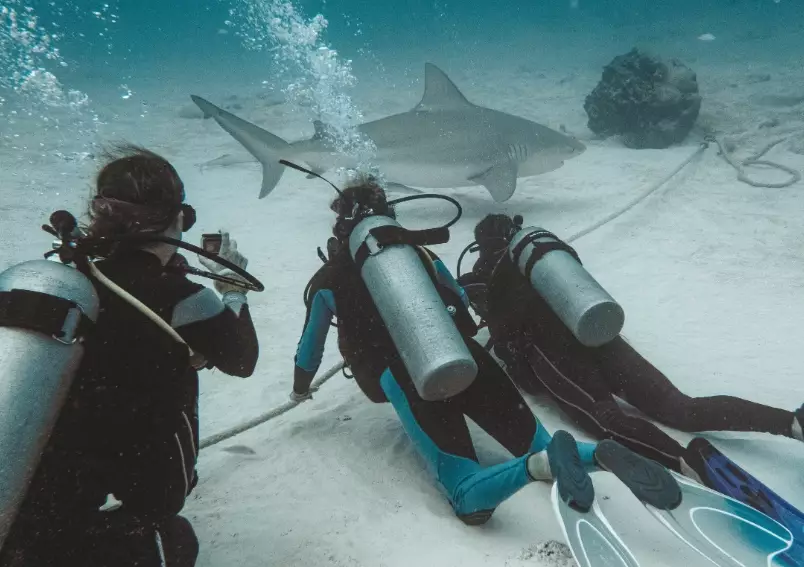
Your comment