Let's cut to the chase. You're thinking about scuba diving in Cozumel because you've heard the legends. You've seen pictures of towering coral walls, heard stories about effortless drift dives, and maybe you're dreaming of swimming with eagle rays. The hype is real, but planning the trip can feel overwhelming. Which dive sites are right for you? How do you handle the famous Cozumel current? Is it just for experts? After countless dives there, I can tell you it's a world-class destination that lives up to its reputation, but a little local knowledge goes a long way. This guide isn't just a list of dive sites; it's your blueprint for an incredible Cozumel diving trip, from choosing an operator to navigating the island like a pro.
Your Quick Guide to Diving Cozumel
Why Cozumel is a Diving Mecca
Cozumel sits in the Caribbean Sea, off the eastern coast of Mexico's Yucatán Peninsula. Its entire western shore is protected as part of the Cozumel Reefs National Marine Park, established in 1996. This protection is the secret sauce. The park fees (around $5 USD per day) fund conservation, and the rules—no touching, no gloves—mean the reefs are healthier than in many other Caribbean spots.
The main event is the drift dive. You jump in, the current takes you, and you fly along the reef with minimal effort. It's exhilarating and efficient, letting you cover more ground. But here's the non-consensus bit everyone misses: the current isn't always a roaring river. On many days, especially on the more protected reefs, it's a gentle push. Beginners get scared off by the "drift diving" label, but a good guide will match the site to your comfort level.
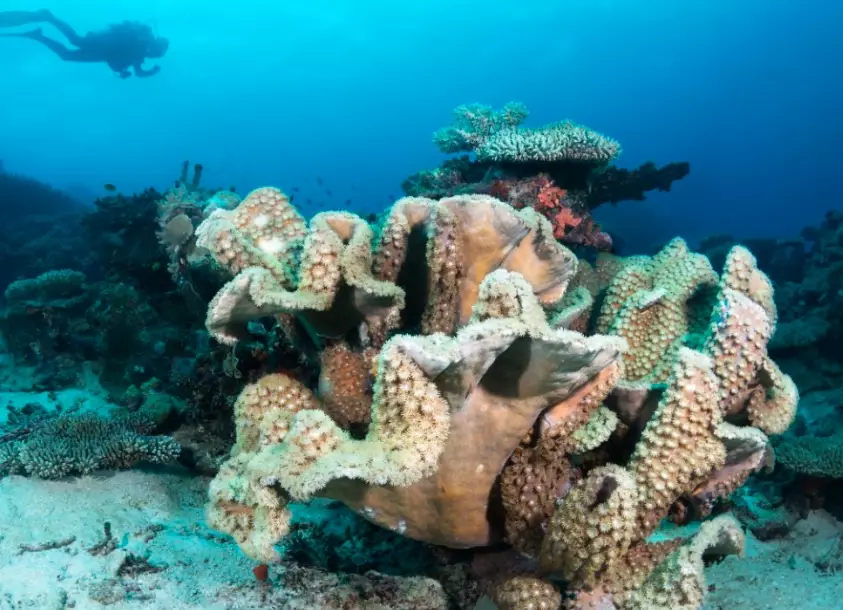
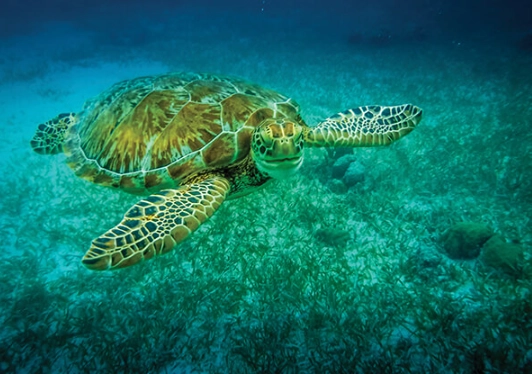
The marine life is ridiculous. We're talking about healthy stands of elkhorn and staghorn coral, giant barrel sponges the color of red wine, and green morays peeking out from crevices. The big animal sightings—eagle rays, turtles, nurse sharks—are common enough that you have a real shot on almost every dive.
Cozumel's Must-See Dive Sites
Dive shops group sites by location and difficulty. Southern sites tend to be deeper and have stronger currents, while northern and central sites are often shallower and calmer. Don't just ask for "the best" site; ask for the site that matches what you want to see and your skill level.
| Dive Site | Depth Range | Key Features | Best For |
|---|---|---|---|
| Palancar Reef | 40-100 ft | Massive coral formations, canyons, swim-throughs. The iconic Cozumel dive. | All levels (different sections vary). Photography. |
| Santa Rosa Wall | 60-100+ ft | Sheer vertical wall, dramatic drop-offs. Eagle ray hangout. | Advanced divers due to depth/current. |
| Columbia Reef | 50-100 ft | Incredible coral pinnacles, intense sponge growth. High current area. | Experienced drift divers. |
| Tormentos Reef | 30-50 ft | Shallow, coral gardens teeming with fish. Sea horses often spotted. | Beginners, macro photography, second dives. |
| Chankanaab Reef | 20-40 ft | Very shallow, easy shore dive. Perfect for check-out dives or a casual afternoon. | Absolute beginners, training, snorkelers. |
My personal sleeper hit is Paso del Cedral. It's a shallow sand channel between two reefs, absolutely packed with life. You'll see garden eels, spotted eagle rays cruising the sandy bottom, and huge schools of grunts. It rarely gets top billing, but it's a consistently fantastic dive.
How to Choose the Right Dive Operator
This is the most important decision you'll make. A great operator ensures safety, finds the best sites for the conditions, and enhances your whole experience. A bad one can ruin your trip.
Pro Tip: Don't book the absolute cheapest option. The dive park fee is fixed, so a rock-bottom price often means they're cutting corners on boat maintenance, guide ratios, or tank fills. A difference of $10-20 per day is worth it for peace of mind.
Look for operators that ask about your experience level and logbook count before they start talking price. Good questions to ask them:
- What is your maximum guide-to-diver ratio? (6:1 is decent, 4:1 is excellent).
- Do you group divers by experience? (This is crucial for safety and enjoyment).
- What size are your boats? (Smaller, faster boats get to sites quicker).
- Is gear rental included, and how new is it?
Some well-regarded operators with different vibes:
- Scuba Tony: Known for small groups and personalized service. Great for divers who want attention.
- Deep Blue: Larger, professional operation with big boats. Efficient and reliable.
- Liquid Blue Divers: Eco-focused, with a strong emphasis on marine park guidelines and education.
Most operators are based along the marina area in San Miguel, Cozumel's main town. You'll typically meet at their shop, gear up, and take a short van ride to the dock.
Planning Your Cozumel Diving Trip
When to Go
You can dive Cozumel year-round. The dry season (November to April) has the calmest seas and best visibility (often 100+ feet). It's also peak tourist season, so prices are higher. The summer and fall (May to October) are warmer, with a higher chance of afternoon rain and slightly less visibility, but you'll find fewer crowds and better deals. Hurricane season peaks August-October, but storms are usually forecast well in advance.
Cost Breakdown
Let's talk numbers so there are no surprises. Prices are approximate in USD.
- Two-Tank Boat Dive: $90 - $120 (includes tanks, weights, guide). Park fee ($5) is usually extra.
- Full Gear Rental: $25 - $40 per day.
- Nitrox: Adds $10 - $15 per day.
- Resort Course (Discover Scuba): $120 - $150.
- Certification Course (Open Water): $450 - $600.
Most shops offer multi-day packages that bring the per-dive cost down. A 3-day, 2-tank package might run $250-$300.
Sample 5-Day Diving Itinerary
Day 1: Arrive at Cozumel International Airport (CUN). Taxi to your hotel. Do a check-out dive at Chankanaab or a shallow boat dive to get acclimated. Briefing with your dive op.
Day 2: Morning two-tank boat dive. Likely Palancar Gardens (easy section) and Tormentos. Afternoon: Explore San Miguel, visit the Museo de la Isla de Cozumel.
Day 3: Morning two-tank boat dive. Maybe Santa Rosa Wall and Paso del Cedral. Surface interval is often on the boat or at a beach club. Evening: Dinner at a downtown *palapa* restaurant.
Day 4: Options: A third day of diving (perhaps Columbia Deep), a snorkeling trip to El Cielo sandbar, or a ferry trip to Playa del Carmen for the day.
Day 5: Final morning dive or a relaxed breakfast. Fly home.
Diving Safely: Handling Currents & More
The current is Cozumel's signature. To dive it safely, you need a slightly different mindset.
Listen to the briefing. Your guide will explain the entry, the planned route, and the exit procedure. They'll tell you the hand signals for "stop," "go up," and "problem." This isn't the time to zone out.
Streamline everything. A dangling pressure gauge or a floppy snorkel will catch the current and spin you around. Tuck everything in. Keep your fins up to avoid kicking the reef—in a current, a small kick can become a powerful, damaging swing.
The golden rule: Never fight the current. If you miss the boat or get separated, surface safely, deploy your surface marker buoy (SMB), and float. The boat will find you. Swimming against the current is exhausting and pointless.
A common mistake I see: divers inflating their BCDs too much to try to stay down in a down-current. This leads to a runaway ascent when the current eases. Use your breath and finning to make minor depth adjustments. Trust your buoyancy skills.
Beyond the Dive: Cozumel on Land
You can't dive 24/7. Cozumel has more to offer than just piers.
San Miguel is the main town. The waterfront malecón is great for evening strolls. For authentic Yucatecan food, skip the flashy tourist traps and head a few blocks inland. Try Los Otates for cochinita pibil (slow-roasted pork).
The east side of the island is wild and undeveloped, with dramatic rocky shores and beach clubs like Coconuts that are perfect for a post-dive beer with a view. Rent a car or jeep for a day to explore.
Need a non-diving day? Take the ferry to Playa del Carmen (about 45 minutes) for shopping and a different vibe, or visit the mainland ruins of Tulum or Coba.
Your Cozumel Diving Questions Answered
Cozumel delivers. The reefs are vibrant, the dives are exciting, and the island culture is warm. Do your homework on a dive operator, respect the current, and protect your skin. Do that, and you'll understand why divers keep going back. It's not just a dive vacation; it's a benchmark for what a healthy, thrilling reef system can be. Now go plan your trip.
Comments