Dive Guide Highlights
- Mexico's Diving Regions: Two Coasts, Two Worlds
- The Caribbean Coast (Quintana Roo) Dive Season
- The Pacific & Sea of Cortez Dive Season
- Regional Dive Season Cheat Sheet
- Beyond the Calendar: Water Temp, Vis, and Marine Life Cycles
- The Rainy Season & Hurricanes: Should You Really Avoid It?
- Answers to Your Burning Questions (The FAQ We All Need)
- Putting It All Together: How to Choose Your Dates
- Wrapping Up: It's About Your Adventure
Let's cut to the chase. You're dreaming of crystal clear water, massive schools of fish, maybe a whale shark or two, and you've set your sights on Mexico. Smart move. But then the question hits you: when is the actual best time to go? You'll get a dozen different answers if you ask a dozen different divers. I've been there, staring at weather charts and forum posts until my eyes crossed.
The truth is, there's no single perfect month that works for the entire country. Mexico's diving is as diverse as its food. Asking when to scuba dive in Mexico is like asking when to visit Europe for good weather—it depends entirely on whether you're headed to the Mediterranean coast or the Norwegian fjords. You need to think in terms of regions and what you want to see.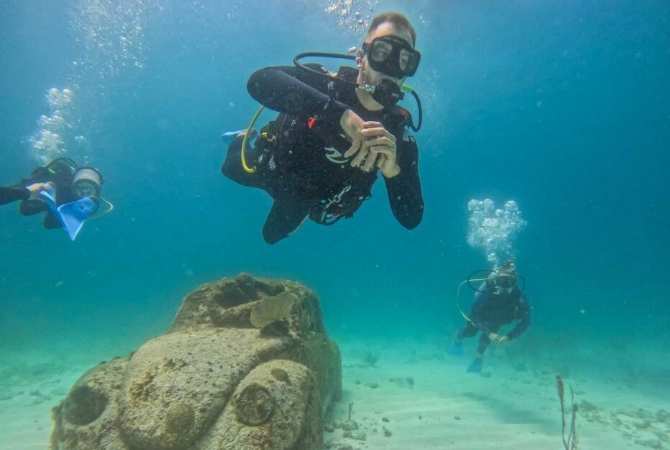
I learned this the hard way. I once booked a trip to Cozumel for September, lured by lower prices. What I got was stellar diving... interspersed with afternoons of torrential rain and one very bumpy boat ride back to the marina. The diving itself was fantastic, but the surface intervals? Not so much. It taught me that timing is about balancing underwater conditions with surface logistics and your own comfort.
So, let's break it down, coast by coast, season by season. We'll look at the Caribbean side (Quintana Roo), the Pacific side (Baja, Revillagigedo), and the Sea of Cortez. By the end, you'll know exactly when to pack your fins.
Mexico's Diving Regions: Two Coasts, Two Worlds
First, you have to understand the basic geography. Mexico is blessed with two completely different coastlines.
On the east, you have the Caribbean Sea. Think warm, bath-like water, sprawling coral reefs, gentle currents (well, mostly gentle—I'm looking at you, Cozumel's Palancar), and incredible visibility. This is where you find Cancun, Cozumel, Playa del Carmen, Tulum, and the island of Holbox. The vibe here is classic tropical diving.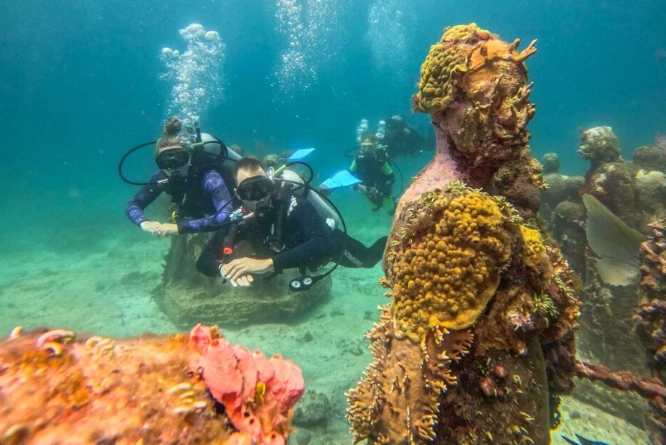
Flip to the west, and you're on the Pacific. The water is cooler, often richer in nutrients, which means bigger stuff. We're talking giant mantas, schooling hammerheads, sea lions, and, seasonally, whales. This is the realm of Cabo San Lucas, the Socorro Islands (Revillagigedo Archipelago), and the Sea of Cortez, which is technically the Gulf of California separating Baja from mainland Mexico. The Pacific side is wilder, more pelagic, and for many, more adrenaline-filled.
Their weather patterns are opposites. This is the single most important thing to grasp when planning when to scuba dive in Mexico.
The Golden Rule of Timing
Here's the simplest way to remember it: When it's peak season on the Caribbean, it's the rainy/windy season on the Pacific, and vice versa. This isn't a hard and fast rule for every single spot, but it's a fantastic starting point for planning. It also means there's almost always somewhere in Mexico with great diving conditions.
The Caribbean Coast (Quintana Roo) Dive Season
This is where most people start their Mexican diving journey. The water is reliably warm (78-84°F / 26-29°C year-round) and clear. The main variables are rain, wind, and hurricanes.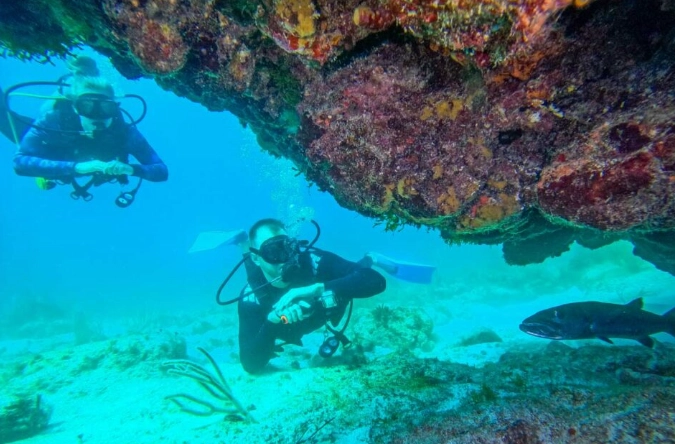
My personal favorite time here is late May. The winter crowds have thinned, the summer rains haven't fully settled in, the water is warming up, and the whale sharks are just starting to show up near Holbox and Contoy. It feels like you have the reef a bit more to yourself.
Prime Season (Dry Season): December through April
This is the classic high season. Skies are mostly sunny, rain is minimal, and the winds are generally calm, especially from February to April. This means more dive sites are accessible, boat rides are smoother, and visibility can be stellar, often exceeding 100 feet. The downside? Everyone knows it. Resorts and liveaboards book up early and prices are at their peak. It's also the coolest water you'll find here, though "cool" is still very swimmable. This is arguably the most reliable and crowd-pleasing answer to when to scuba dive in Mexico's Caribbean.
Shoulder Seasons: May-June & November
These months are gems. May and June see rising water temperatures, fewer tourists, and the beginning of the whale shark season (generally May to September). You might get a brief afternoon shower, but it usually clears quickly. November is similar—the hurricane season is winding down, the water is still warm from summer, and the Christmas rush hasn't begun. I've had some of my best Cozumel drift dives in early November.
Green Season (Rainy/Hurricane Season): July through October
This is the tricky one. Let's be honest: this is hurricane season in the Atlantic basin. The statistical peak is mid-August to mid-October. It's also the wettest period, with higher humidity and a greater chance of prolonged rain. Now, here's the nuance—the diving can still be excellent. The water is at its warmest. Rain doesn't instantly ruin visibility on offshore reefs (though it can affect cenotes and coastal sites). Storms often pass quickly.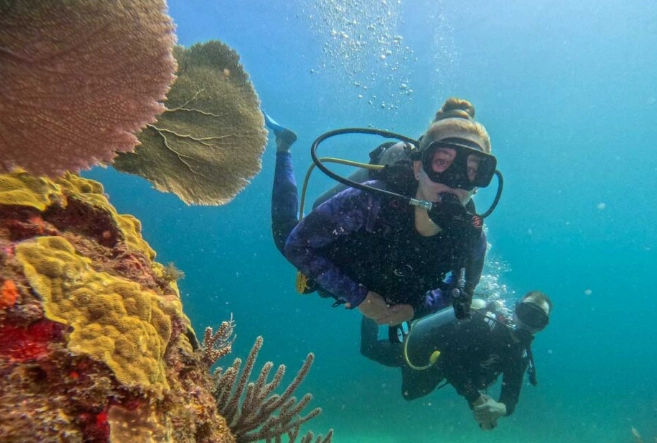
The real issue isn't daily rain; it's the potential for tropical storms or hurricanes that can shut down operations for days and churn up the sea. If you book during this time, trip insurance is non-negotiable. Also, some marine life shines: this is the time for coral spawning (often around August/September, following full moons) and it's the peak of the whale shark season around Isla Mujeres and Holbox.
So, when to scuba dive in Mexico's Caribbean? For guaranteed easy conditions, choose the dry season. For better deals and unique events like whale sharks, brave the shoulder or early green season with insurance in hand.
The Pacific & Sea of Cortez Dive Season
This is a world apart. Water temperatures have a much wider range, and the seasons are defined more by wind and migrating megafauna than by rain.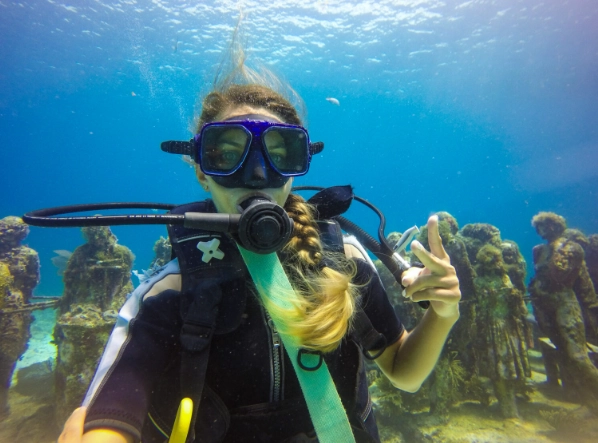
Sea of Cortez (La Paz, Loreto, Cabo San Lucas):
The Sea of Cortez, famously called "the world's aquarium" by Jacques Cousteau, has two distinct faces. The southern part (around La Paz and Cabo) is warmer, while the northern part gets cooler.
- Best Overall Conditions: June to November. The water is warmest (into the 80s°F / high 20s°C), seas are calmer, and visibility improves. This is the time for diving with sea lions at Los Islotes, spotting whale sharks (October to April, but best chance in winter), and enjoying comfortable conditions.
- Winter & Spring (December to May): The water cools down significantly, especially in the north (can dip to low 60s°F / 16-18°C). You'll need a good 7mm wetsuit or even a semi-dry. Why go then? Whales. This is the prime time for gray whale watching in Magdalena Bay and humpback whales throughout the region. The cooler, nutrient-rich water also brings different pelagic life. It's less about casual reef diving and more about specific animal encounters.
The Socorro Islands (Revillagigedo Archipelago):
This is bucket-list, liveaboard-only diving. The season is strictly limited by the Mexican government and weather. Liveaboard trips typically run from November to May. This is when the giant Pacific manta rays are most reliably present, and you have chances for schooling hammerheads, dolphins, and whales. The water is cooler (70-78°F / 21-26°C), and trips can be subject to oceanic swells. It's not for beginners, but for those seeking the big stuff, this is the window.
A local dive guide in Cabo once told me, "We don't have a bad season, we have different seasons. You just need to put on the right suit and look in the right place." That really stuck with me. It frames the question of when to scuba dive in Mexico's Pacific not as right or wrong, but as a choice of experience.
Regional Dive Season Cheat Sheet
This table should help visualize the best times for different activities and regions. Remember, "best" is subjective, but this shows peak probability periods.
| Region / Activity | Prime Season | What You'll Likely See | Water Temp Range | Things to Watch For |
|---|---|---|---|---|
| Caribbean (Cozumel, Playa) - Reef Diving | Dec - Apr | Eagle rays, turtles, healthy corals, great visibility | 77-82°F (25-28°C) | Highest crowds & prices |
| Caribbean - Whale Sharks | Jun - Sep | Whale sharks (snorkeling), manta rays | 82-84°F (28-29°C) | Rain, hurricane risk, surface chop |
| Sea of Cortez - Sea Lions & Whalesharks | Jun - Nov | Sea lions, whale sharks (La Paz), mobula rays | 75-85°F (24-29°C) | Can be hot on surface |
| Sea of Cortez - Whale Watching | Jan - Mar | Gray whales, humpback whales | 62-70°F (17-21°C) | Cold water, need thick wetsuit |
| Socorro Islands - Giant Mantas & Sharks | Nov - May | Giant mantas, hammerheads, dolphins, whales | 70-78°F (21-26°C) | Liveaboard only, can be rough seas |
| Cenotes (Freshwater) - All Year | Any time | Stunning haloclines, rock formations, fossils | 75°F (24°C) constant | Weather irrelevant, need guide |
Beyond the Calendar: Water Temp, Vis, and Marine Life Cycles
If you're still wondering when to scuba dive in Mexico, let's dig deeper than just "dry" and "wet" seasons. Your perfect time might be dictated by something specific.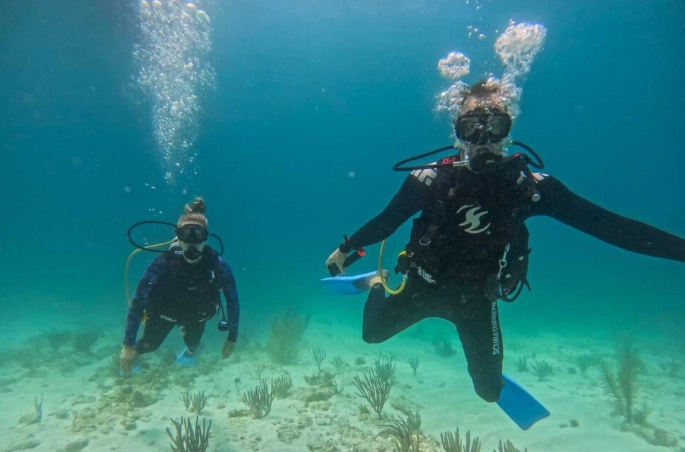
Water Temperature & Visibility
On the Caribbean side, visibility is generally great year-round (60-100+ ft), but it can be affected by heavy, sustained rain run-off or storm-generated swell. Winter offers the crispest visibility. Water temperature is least a concern here—a 3mm wetsuit or even a rash guard often suffices.
The Pacific is a different story. Visibility is more variable (40-80 ft on average, less during plankton blooms) and is often best in the late summer/fall. Water temperature dictates your gear. A 5mm to 7mm wetsuit is standard for much of the year, and a hood is highly recommended in winter, especially in the Sea of Cortez or Socorro. Don't underestimate this—being cold ruins a dive faster than anything.
The Wildlife Calendar
This is the real magic. Timing your trip to coincide with a natural event is next-level planning.
- Whale Shark Aggregations: Caribbean (Isla Mujeres, Holbox) peaks July-August. Sea of Cortez (La Paz) runs October to April, best in winter.
- Manta Rays: Socorro Islands are famous for giant mantas November to May. In the Caribbean, you can see reef mantas (smaller) year-round, with no strict season.
- Humpback Whales: Pacific coast (Puerto Vallarta, Cabo, Socorro) December to March. You can often hear their songs while diving!
- Gray Whales: Magdalena Bay on the Pacific side of Baja, for calving and breeding, January to March. This is primarily a whale-watching, not diving, activity.
- Coral Spawning: A spectacular, brief event on Caribbean reefs. Usually occurs 3-10 nights after the August and September full moons. It's unpredictable but incredible if you catch it.
- Bull Shark Season (Playa del Carmen): These impressive predators are most reliably seen from November to March. Dive operators run specific bull shark dives during this period.
See? Asking "when to scuba dive in Mexico" is just the first question. The next one is, "...to see what exactly?"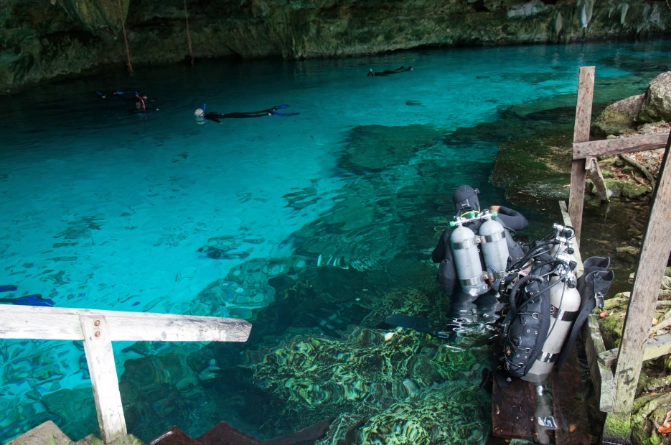
The Rainy Season & Hurricanes: Should You Really Avoid It?
I used to say "avoid at all costs." Now I'm more nuanced. The official Atlantic hurricane season runs June 1 to November 30. The Pacific hurricane season is similar (May 15-Nov 30).
The risk is real. A hurricane will cancel your diving trip, full stop. But the statistical chance of your specific week being hit is low. The bigger practical issue in the Caribbean "green season" is often seaweed (sargassum). Massive influxes of sargassum can plague beaches, particularly from April to August, affecting smell and beach access, though it rarely impacts offshore reef diving.
I dove Cozumel in early October once. We had one washed-out day due to a passing storm, but the other four days were sunny with incredible, warm-water diving. The boat was half-full, and the crew was relaxed. It was a risk that paid off, but I was glued to the National Hurricane Center website for weeks beforehand. The stress is part of the package.
If you have inflexible dates, limited vacation time, or get seasick easily, stick to the dry season. If you're flexible, have good insurance, and don't mind a rainy afternoon, the shoulder and green seasons offer value and unique opportunities.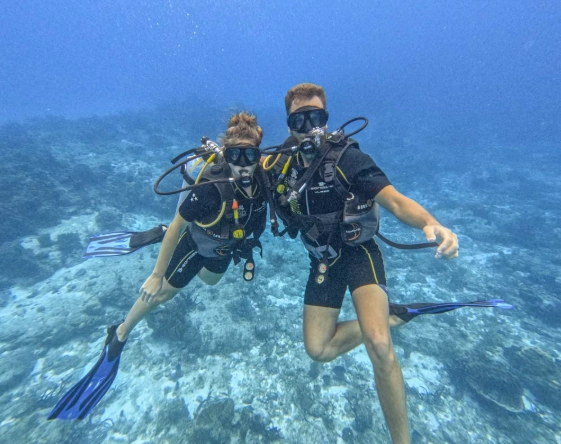
Answers to Your Burning Questions (The FAQ We All Need)
Let's tackle the specific stuff that pops up in forums and Google searches.
Can you scuba dive in Mexico year-round?
Absolutely, yes. There is no month where diving is completely impossible everywhere. However, "year-round" doesn't mean "uniformly great everywhere." In December, the Caribbean is in high season while the northern Sea of Cortez is cold and windy. You can always find good diving somewhere; you just have to pick the right region for the month.
What is the worst time to scuba dive in Mexico?
If I had to pick, I'd say September and early October for the Caribbean, as it's the peak of hurricane season. For the Pacific's Socorro Islands, the worst time is the off-season (summer), when liveaboards don't run due to hurricane risk and less predictable conditions. For mainland Pacific spots like Puerto Vallarta, the rainiest months (July-September) can mean reduced visibility from runoff.
Do I need a wetsuit to dive in Mexico?
Always. Even in the bathtub-warm Caribbean, a 3mm shorty or full suit is recommended for protection from sun, jellyfish, coral nicks, and to extend your bottom time. In the Pacific, you'll need a 5mm to 7mm, and a hood in winter. Cenote diving requires a wetsuit too, as the 75°F water will suck heat from you over multiple dives.
Is Cozumel diving better in summer or winter?
They're different. Winter (Dec-Apr) offers the most stable weather, calmer seas, and the best visibility. Summer (Jun-Sep) offers warmer water, fewer crowds, lower prices, and the chance to combine reef diving with whale shark snorkel trips. I prefer the shoulder months, but if forced to choose for a first-timer, I'd recommend winter for the guaranteed ease.
What documents do I need to dive in Mexico?
You need a valid diving certification card (C-card) from a recognized agency (PADI, SSI, NAUI, etc.). Most reputable shops will ask to see it. While not always strictly enforced, having dive insurance (like DAN) is highly, highly recommended. Your regular travel insurance often excludes scuba diving.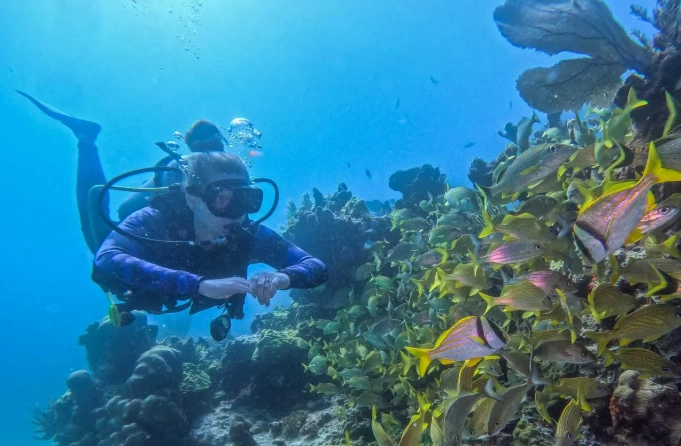
Putting It All Together: How to Choose Your Dates
Stop spinning in circles. Follow this decision tree:
- Pick Your Priority: Is it guaranteed calm weather, seeing a specific animal (whale shark, manta, whale), or getting the best deal?
- Choose Your Coast: Caribbean for warm, relaxed reef diving. Pacific/Sea of Cortez for bigger, cooler-water pelagic action.
- Narrow the Region & Site: Cozumel? Socorro? La Paz? This will dictate your seasonal options.
- Check the Wildlife Calendar: If you're dreaming of a specific creature, make sure your dates overlap with its likely presence.
- Book with Flexibility & Insurance: Especially if traveling near a shoulder or green season.
For example: "I want to see giant mantas and don't mind a liveaboard." That points you to Socorro Islands, which means your travel window is November to May. Then you'd look within that window for the best deals or specific manta activity reports.
Another: "I want an easy, warm-water resort dive trip with my new certification." That's the Caribbean dry season, December to April. To avoid the highest crowds, aim for January (after New Year's) or late April.
One final, practical tip: Once you've narrowed down your region and ideal month, call or email a few dive shops directly in that area. Ask them, "What's it really like the first week of November?" or "How rough are the boat rides to the sites in February?" Local operators give the most honest, ground-level advice. I've had them tell me, "Yeah, that week is usually fine, but last year we had a lot of seaweed," which is info you won't get from a general guide.
Wrapping Up: It's About Your Adventure
So, when to scuba dive in Mexico? The boringly accurate answer is: it depends. But now you know what it depends on. You're equipped to move beyond a simple calendar and think about oceans, wildlife migrations, and your own comfort level.
Mexico's underwater world is waiting year-round.
Whether you're drifting over the vibrant reefs of Cozumel in the winter sun, shivering slightly in a thick wetsuit while a humpback whale sings in the distance in Baja, or holding onto a reef hook as a school of hammerheads circles in the blue off Socorro, you'll find your moment. The key is matching that moment to the right place on the map. Do that, and you've answered the question perfectly for yourself.
Now go check those flight prices. Your tank is waiting.
Comments