Figuring out the best months for scuba diving isn't about finding one perfect calendar. It's a puzzle with pieces like water temperature, marine life migrations, weather patterns, and even local holiday crowds. A month that's paradise in Thailand could mean storms in the Caribbean. I've planned over a hundred dive trips, and the single biggest mistake I see is people booking flights based on a generic "best time" list without matching it to their specific goals.
Your Quick Dive Planning Guide
Understanding Global Diving Seasons
Forget just "summer" and "winter." Dive destinations operate on wet/dry seasons, monsoon cycles, and specific wildlife calendars. The key is aligning your trip with the conditions that matter for what you want to see.
The Weather Trifecta: Wind, Rain, and Storms
This is the deal-breaker. High winds create surface chop and surge, making boat rides miserable and underwater visibility poor. Rain doesn't just ruin your surface interval; heavy runoff from land can cloud coastal dive sites with silt and freshwater for days. In tropical regions, the wet season often coincides with the risk of tropical storms or cyclones, which can shut down operations entirely.
I learned this the hard way in the Philippines one November. The forecast showed "scattered showers," but what it meant was daily torrential downpours that turned the bay near Puerto Galera into a murky soup. The diving was underwhelming, and half the boat trips were canceled due to swell.
Water Temperature and Thermoclines
Your comfort dictates your bottom time. A 3mm wetsuit might be fine in 28°C (82°F) water, but drop to 24°C (75°F) and you'll be shivering on a long dive. Many tropical locations have a narrower range, but places like South Africa, California, or the Galapagos have dramatic seasonal shifts. Thermoclines—sudden layers of colder water—are more pronounced in certain seasons. In the Red Sea, summer thermoclines can surprise divers who only packed a shorty.
The Marine Life Calendar is Everything
This is where timing gets precise. You don't just go to see "fish." You go for specific events.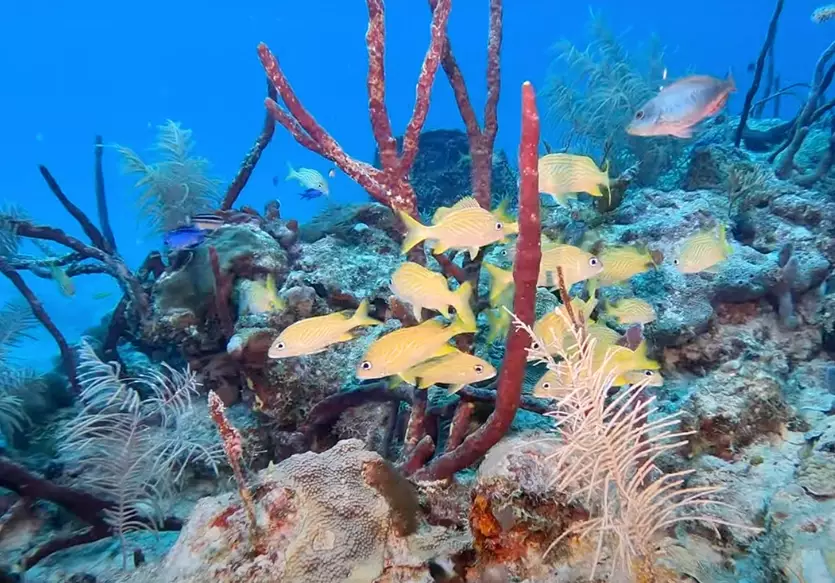
- Mating & Aggregations: Manta rays in Hanifaru Bay, Maldives, gather during the southwest monsoon (May to November). Nassau grouper spawn in the Bahamas around the full moons of December and January.
- Migratory Species: Whale sharks in Isla Mujeres, Mexico, peak from June to September. Humpback whales in Tonga are present from July to October.
- Macro Life Cycles: Muck diving hotspots like Lembeh Strait, Indonesia, have seasonal oddities. The Hairy Frogfish might be more commonly seen at certain times, though the critters are year-round.
Missing these windows by a couple of weeks can mean missing the show.
A Month-by-Month Scuba Diving Calendar
Here’s a practical, region-by-region breakdown. Think of this as your first draft itinerary planner.
| Time of Year | Caribbean & Atlantic | Asia Pacific | Red Sea & Indian Ocean | Pacific & Americas |
|---|---|---|---|---|
| Jan-Mar | High Season. Dry, sunny. Bahamas for sharks, Cayman walls. Peak prices. Water: 25-27°C (77-81°F). | Variable. Great in Thailand (Similans), Philippines (vis clarity improves). Indonesia rainy in parts. Manta rays in Maldives (west). | Egypt (North): Cooler water (22°C/72°F), epic visibility. Pelagics in Brothers Islands. Maldives (East): Best season. | Galapagos: Warm season. Hammerheads, mantas. Rough seas possible. Great Barrier Reef: Stinger season (wear suits). |
| Apr-Jun | Shoulder Season. Weather still good, crowds thin. Florida Keys warming up. Bermuda becomes pleasant. | Prime Time. Indonesia dry (Komodo, Raja Ampat). Philippines excellent. Thailand's Similans close mid-May. Whale sharks in Philippines (Donsol until May). | Egypt: Water warming. Excellent conditions. Socotra (Yemen): Accessible window begins. Maldives: Transition period. | Palau: Great visibility. Fiji: Soft coral capital shines. California: Sea lion pupping, better conditions. |
| Jul-Sep | Hurricane Season. Risk in Caribbean. Still good in ABC Islands (Aruba, Bonaire, Curaçao) south of belt. Bahamas for shark diving. | Monsoon Season. West coast Thailand (Andaman) rough. East coast (Gulf) good. Indonesia still decent in many areas. Mola Mola in Bali (Nusa Penida) July-Oct. | Hot & Busy. Egypt very warm (28°C/82°F+), thermoclines. Less predictable winds. Maldives (West): Southwest monsoon brings plankton & mantas. | Cocos Island (Costa Rica): Peak for huge schools of sharks. Hawaii: Calm summer seas. Tonga: Humpback whales (Jul-Oct). |
| Oct-Dec | Recovery & High Season. Hurricane season tapers off. Caribbean becomes prime again. Bonaire's constant conditions are reliable. | Shoulder to High. Philippines visibility improves. Thailand's Andaman coast reopens (Oct/Nov). Muck diving in Lembeh great. Whale sharks in W. Australia (Ningaloo) for a short season (Mar-Jul). | Egypt: Still fantastic. Water starts to cool. Sudan: Classic season for liveaboards. Maldives: Manta season on west atolls. | Galapagos: Cooler season (Jun-Nov) has nutrient-rich water, more active sharks & whales. Mexico (Sea of Cortez): Whale sharks (Nov-May), mobula rays (spring). |
Pro Tip from a Liveaboard Chef: The "best" month is often the one just before or after the absolute peak. You get 90% of the wildlife action with 50% fewer divers and sometimes significantly lower prices. For example, aiming for late April in Indonesia or late October in the Caribbean can be a sweet spot.
How to Choose Your Dive Months Based on Your Profile?
Your experience level and interests should filter the calendar.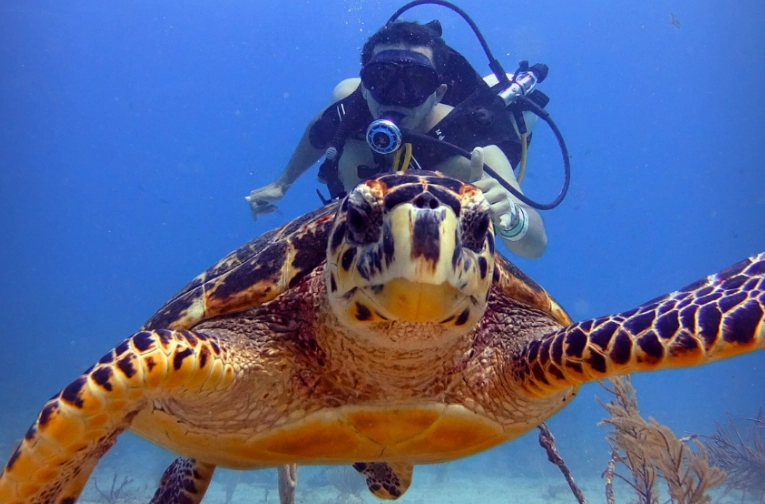
| Diver Type | Priorities | Recommended Season & Destinations |
|---|---|---|
| New Divers ( | Calm seas, easy conditions, warm water, good visibility for confidence building. | Caribbean Dry Season (Dec-Apr): Bonaire (shore diving), Cayman Islands, Roatan. Red Sea Summer: Sharm El Sheikh sheltered sites. Avoid monsoon surges and liveaboards. |
| Macro & Muck Diving Enthusiasts | Critter sightings, willing to trade perfect viz for biodiversity. | Shoulder/Wet Seasons can be great. Lembeh Strait (Indonesia) is year-round but less crowded in rainy months. Anilao (Philippines) excellent Oct-May. Muck sites are often sheltered from weather. |
| Pelagic & Shark Seekers | Timing migrations and aggregations precisely. | Hyper-specific windows. Cocos Island (Jul-Nov), Bahamas (Nov-Mar for tigers), Isla Mujeres whale sharks (Jun-Sep), Socorro (Nov-May for mantas & dolphins). Plan well in advance. |
| Underwater Photographers | Topside light, water clarity, animal behavior, fewest particles in water. | Dry season peak visibility. Red Sea (Mar-May), Palau (Apr-Jun), French Polynesia (May-Oct). Avoid periods of heavy runoff. |
I once guided a group of new divers to Komodo in August, technically within the "good" season. The currents were stronger than usual, and it turned a fun trip into a stressful one for them. Matching the site's character to the group's skill during that specific month is crucial.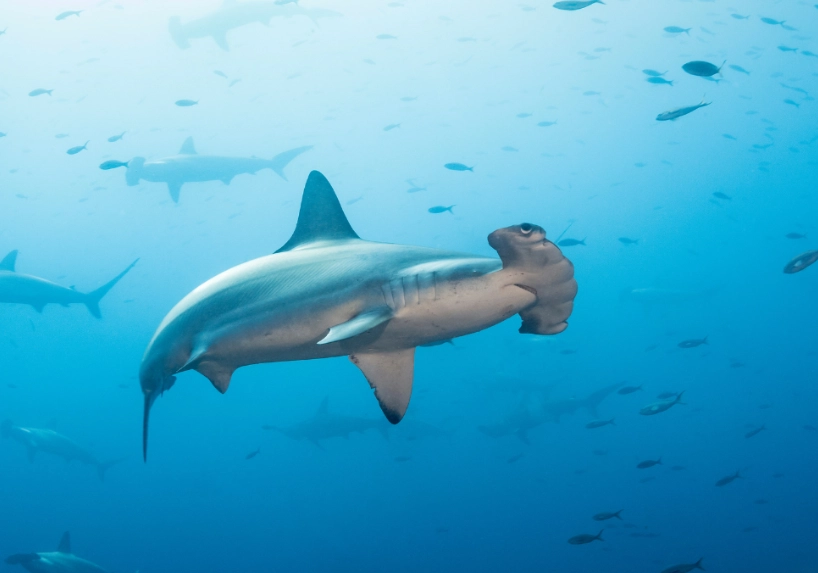
Frequently Asked Questions About Scuba Diving Seasons
Picking your months is the first major step in crafting a memorable dive adventure. It's not about finding a universal answer, but about aligning the ocean's rhythms with your personal diving dreams. Start with the marine life you can't miss, filter it through the weather you're willing to tolerate, and then see what the calendar and your budget allow. Sometimes, the slightly less-perfect month on paper delivers the most perfect stories.
Your comment