Let's cut to the chase: Mexico is one of the planet's absolute best scuba diving destinations. It's not just good; it's a continent-spanning buffet of underwater experiences that can satisfy any diver's craving. You've got the world's second-largest barrier reef system, mysterious freshwater cenotes, pelagic giants in the Pacific, and everything in between. But with so many options—Cozumel, the Cenotes, Socorro, the Sea of Cortez—how do you even begin to plan? That's where most blogs stop, leaving you with pretty pictures but no real roadmap.
I've been diving here for over a decade, leading trips and making every mistake so you don't have to. This guide isn't just a list of sites. It's the manual I wish I'd had: a detailed, opinionated, and practical breakdown of where to go, when, and how to do it right—without blowing your budget or falling for tourist traps.
Your Quick Dive Guide
Why Mexico is a World-Class Diving Destination
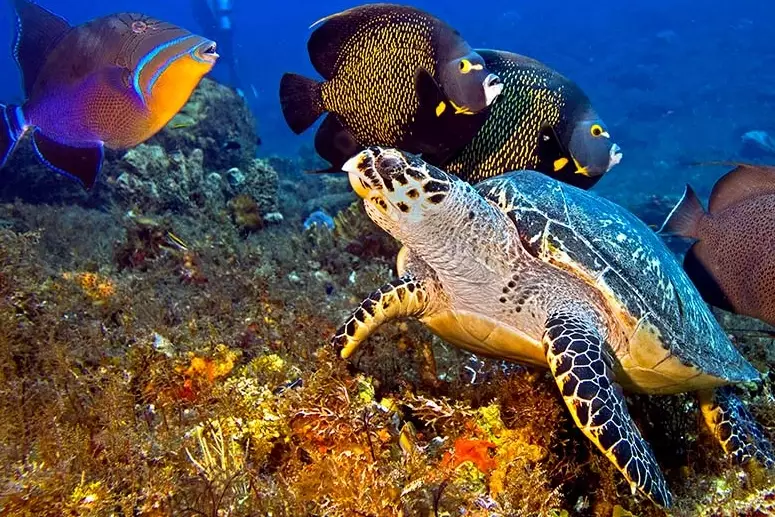
Think of Mexico's diving scene like its cuisine—incredibly diverse, rich in flavor, and with something for every palate. The geography does the heavy lifting. The Caribbean coast, with states like Quintana Roo, sits on the Mesoamerican Barrier Reef. This is warm, clear, relatively calm water, perfect for colorful coral gardens, leisurely drifts, and mind-bending cavern dives. Cross over to the Pacific side—Baja California Sur, Revillagigedo—and you're in a different universe. Cooler, nutrient-rich waters attract the big stuff: mantas, sharks, dolphins, and from December to April, whale sharks near La Paz.
Then there are the cenotes. Nowhere else on Earth offers this. These flooded limestone sinkholes are portals to a surreal, sun-dappled underworld of stalactites, haloclines (where fresh and saltwater visually mix), and absolute silence. Diving one feels more like floating through a cathedral than a reef.
The practical perks are huge. The water is warm year-round (78-84°F / 25-29°C on the Caribbean side), visibility often exceeds 100 feet, and the dive infrastructure is mature. You'll find everything from rustic, expert-only liveaboards to all-inclusive resort dive shops. And let's talk value. Compared to destinations like the Maldives or Galapagos, diving in Mexico offers a staggering return on investment. You can have world-class dives without a world-class budget.
Top Scuba Diving Destinations in Mexico: A Detailed Comparison
To make sense of it all, here’s a side-by-side look at Mexico’s heavy hitters. This table is your starting point for narrowing down the “where.”
| Destination & Region | Best Diving Time | Diving Type & Highlights | Top Marine Life | Best For | Gateway City & Travel Notes | Unique Selling Point |
|---|---|---|---|---|---|---|
| Cozumel, Quintana Roo (Caribbean) | Year-round (May-Sep calmest, Oct-Jan chance of norte winds) | Drift diving along vertical walls, coral gardens, swim-throughs. Sites: Palancar Reef, Santa Rosa Wall. | Eagle rays, turtles, nurse sharks, massive sponges, prolific reef fish. | All levels (strong currents on walls), macro photographers, drift diving lovers. | Fly to Cozumel (CZM) or Cancun (CUN) + 45-min ferry from Playa del Carmen. | The quintessential Caribbean reef experience with reliable, exhilarating drift dives. |
| Playa del Carmen / Tulum, Quintana Roo (Caribbean) | Year-round (Cenotes: always; Ocean: avoid norte season Oct-Jan) | Bull Shark season (Nov-Mar), reef diving, and CENOTE diving (cavern zone, requires guide). Top Cenotes: Dos Ojos, The Pit, Angelita. | Bull sharks, turtles, cenote speleothems (formations), freshwater fish. | Adventurous divers, cavern/cave training, shark enthusiasts. | Fly to Cancun (CUN). Playa is 45 min south; Tulum is 1.5 hrs south. | Dual-environment diving: open ocean predators and mystical freshwater caverns within a single day. |
| La Paz / Cabo San Lucas, Baja California Sur (Pacific/Sea of Cortez) | Sea Lions: year-round. Whale Sharks: Oct-Apr. Water warmest Jul-Oct. | Island diving (Espíritu Santo), sea lion colonies, sandfalls at Cabo Pulmo (a protected national marine park). | Sea lions, whale sharks (La Paz Bay), schooling jacks, mobula rays, humpback whales (winter). | Animal interactions, underwater photography, eco-conscious divers. | Fly to La Paz (LAP) or Los Cabos (SJD). Cabo Pulmo is a 2-hr drive from Cabo San Lucas. | The "Aquarium of the World" (Sea of Cortez) with playful marine mammals and the chance to snorkel with whale sharks. |
| Revillagigedo Islands ("Socorro"), Pacific Ocean | Liveaboard season: Nov-May (peak for mantas & humpbacks Jan-Apr) | Advanced open ocean pelagic diving. Strong currents, deep blue water. Sites are remote islands: San Benedicto, Roca Partida, Socorro. | Giant Pacific Manta Rays, sharks (hammerhead, silky, Galapagos), dolphins, humpback whales. | Advanced divers only, big animal enthusiasts, liveaboard veterans. | Liveaboards depart from Cabo San Lucas (SJD). 24-hour crossing to the islands. | Mexico's ultimate big animal safari. The closest you'll get to Galapagos-style diving without leaving North America. |
Now, let's get specific. You need details you can actually use.
Diving Cozumel: More Than Just the Resort Strip
Everyone talks about Palancar Reef. It's stunning. But the secret to a great Cozumel trip is downtown San Miguel. The southern hotel zone is convenient, but the ferry terminal, better restaurants, and local dive shops with more personality are downtown. A shop like Deep Blue or Scuba Tony (no affiliation, just respect) will get you on the best boats for conditions.
Palancar is actually a series of reefs. Palancar Gardens (shallow, intricate) is perfect for a first dive or photography. Palancar Caves (mid-depth, swim-throughs) is where the fun begins. And Palancar Deep (the wall) is for when you want to feel the full force of the current flying past gorgonians. A non-negotiable is Santa Rosa Wall. It's deeper, often with stronger current, but the sheer density of life and dramatic topography is worth the effort.
Logistics: Most dive ops run two-tank morning trips, back by 1-2 pm. Afternoon dives are usually shore dives at shallower sites. A 10-dive package will run you $350-$450 USD. Stay at a place like Hotel B or an Airbnb in town, rent a scooter, and explore the east side of the island on your surface interval.
Cenote Diving: A Step-by-Step Primer
This is where I see the most confusion. Cenote diving is not cave diving for tourists. You'll be in the "cavern zone," where natural light is always visible from the entrance. It's perfectly safe with a certified guide. But you must listen to them.
The gear is different: no fins touching the silt (often frog kick or no kicking), no gloves, and you'll likely wear a wetsuit even though the water is a constant 77°F (25°C)—it's for buoyancy and protection from stalactites.
Dos Ojos ("Two Eyes") is the classic first-timer cenote. Two circular routes (the Barbie and Bat lines) offer stunning light beams and incredible visibility. The Pit is more advanced (deep, with a hydrogen sulfide cloud at 90ft that looks like a ghostly river). Calavera (Temple of Doom) has a fun 10-foot jump to enter. A two-tank cenote trip from Playa or Tulum costs $120-$160 USD, including guide, tanks, weights, and sometimes lunch.
Book with a dedicated cenote operator like CenoteXperience or Phantom Divers. Avoid the guys on the beach in Playa offering "cenote tours"—they're often just reselling and you get a crowded, rushed experience.
The Pacific Big Animal Experience: La Paz vs. Socorro
If your dream is to swim with friendly sea lions, La Paz is your spot. Day trips to Isla Espíritu Santo are affordable ($150-$200 USD) and magical. The sea lions at Los Islotes are puppies of the sea. But the water can be chilly (68-75°F / 20-24°C), so a 5mm wetsuit or semidry is essential.
Socorro is the big league. This is a liveaboard trip, period. A 10-day trip costs $5,000-$7,000 USD. You're paying for the remoteness and the guarantee of action. The dive briefings are serious: current management, deco procedures, and respecting the animals. It's not a casual vacation; it's an expedition. Operators like Solmar V or Nautilus have this down to a science. If you have 50+ dives and are comfortable in blue water, it's life-changing. If you're newer, build experience in La Paz first.
How to Plan Your Scuba Diving Trip to Mexico
Okay, you're sold on a region. Here's the nitty-gritty of making it happen.
Timing is Everything: The "best" time is a trade-off. Caribbean: December to April has perfect weather but is peak tourist season (prices up, crowds). May to September is hotter, with a chance of afternoon rain, but the water is glassy calm, and you'll have sites to yourself. Pacific/Baja: For whale sharks and humpbacks, target October to April. For the warmest water and sea lions, summer is great.
Choosing a Dive Operator: Don't just book the cheapest package from your hotel. Email a few shops. Ask:
- What's the maximum number of divers per guide? (Aim for 6 or fewer).
- What size/type of boat? (Smaller pangas vs. larger cruisers).
- Do they include marine park fees? (These can be $5-$25 per day).
- What's their protocol for strong currents or lower-visibility days?
Budgeting Realistically: A mid-range 7-day diving trip (excluding international flights) might break down like this:
- Accommodation: $70-$150/night = $490-$1050
- Two-Tank Dive Packages (6 days): $400-$600
- Cenote Tour (1 day): $140
- Food & Local Transport: $50/day = $350
- Marine Park Fees/Tips: $100
Gear to Bring: Most things can be rented, but I never travel without my own mask, computer, and wetsuit (for fit and hygiene). If diving cenotes, a 3mm full wetsuit is ideal. For the Pacific, a 5mm or 7mm is necessary. A reef-safe sunscreen and a surface marker buoy (SMB) are also smart adds.
Essential Safety Tips and Conservation Practices
Diving is safe if you're smart. Get dive insurance. DAN or DiveAssure are industry standards. A chamber ride is expensive, and your travel insurance might not cover "hazardous activities." Be honest about your health and recent dives. The altitude of Mexico City (if you have a layover) or driving over mountain passes in Baja requires proper surface intervals.
In cenotes, the rule is simple: follow your guide, stay in the light, and maintain perfect buoyancy. One fin kick in the silt can ruin visibility for everyone behind you.
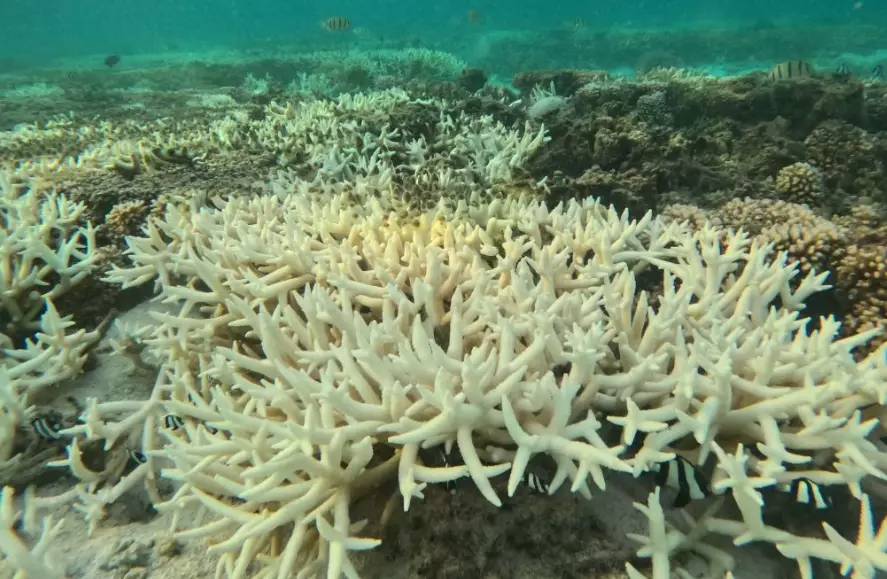
On the reefs, practice good buoyancy—coral is alive and takes decades to grow. Don't wear gloves; it removes the temptation to grab things. The Mexican government and organizations like Amigos de Sian Ka'an are working hard to protect these ecosystems. Choose operators who are members of Green Fins or who visibly practice good habits (picking up trash, using mooring lines instead of anchors).
Your Mexico Diving Questions, Answered
There you have it. Mexico's underwater world is waiting, and it's more accessible than you think. Do your research, pick your paradise, and go make some bubbles. You won't regret it.
Comments