Quick Navigation
Mexico tops the list for divers because it's got everything—warm water, insane visibility, and sites for every level. If you're asking where the best diving in Mexico is, the answer isn't one spot. It's a mix of coral reefs, freshwater caves, and marine life hotspots. I've been diving here for over a decade, and let me cut through the noise: most blogs just repeat the same old info. I'll give you the real details you need to plan, like exact locations, costs, and those little mistakes beginners make.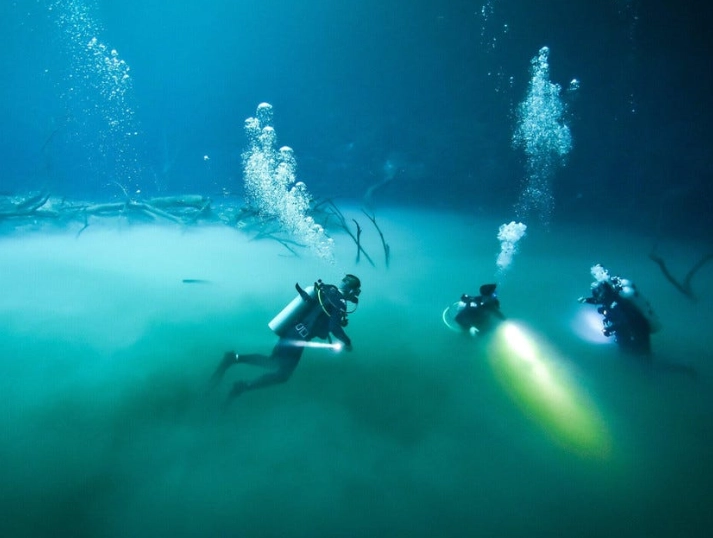
Why Mexico is a Diving Powerhouse
Mexico sits where the Caribbean Sea, Pacific Ocean, and Gulf of Mexico meet. That means diverse ecosystems. Water temps hover around 77-84°F (25-29°C) year-round. Visibility? Often 100 feet or more. Plus, it's affordable compared to places like the Maldives. But here's something most guides miss: the peak season varies by region. Cozumel is best December to April, but the Sea of Cortez shines in summer. If you go in the wrong season, you might miss the big stuff like whale sharks or mantas.
Pro tip: Don't just book based on price. Check seasonal marine life migrations. For instance, diving in Cabo Pulmo from June to November gives you a shot at hammerhead schools, but summer hurricanes can disrupt plans. Always have a backup.
Top Diving Destinations in Mexico
I've narrowed it down to three must-visit areas. Each offers something unique. Instead of a generic list, here's a table with the essentials to compare at a glance.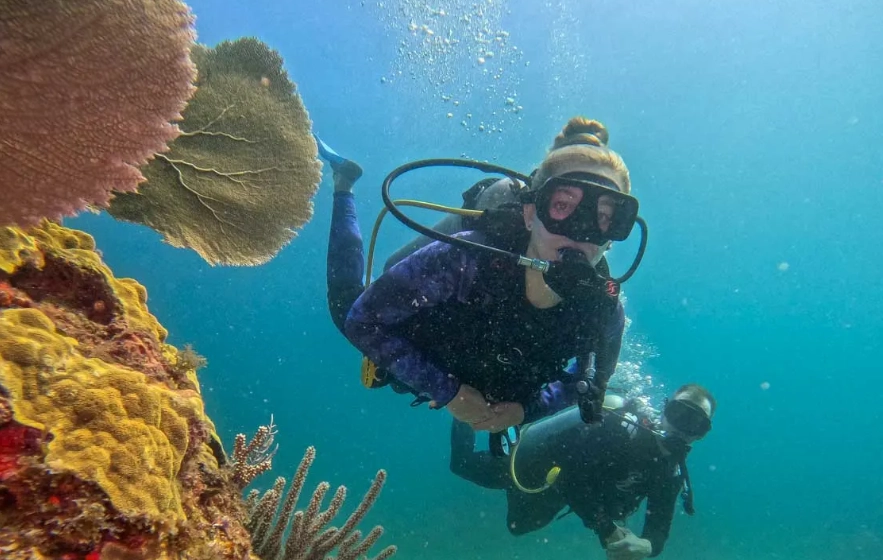
| Destination | Best For | Access Point (Nearest Town) | Approx. Cost per Dive (USD) | Key Marine Life |
|---|---|---|---|---|
| Cozumel | Wall Drifts & Coral Reefs | San Miguel de Cozumel | $80-$120 (2-tank dive) | Eagle Rays, Turtles, Nurse Sharks |
| Yucatan Cenotes | Freshwater Cave & Cavern Diving | Playa del Carmen or Tulum | $100-$150 (guided tour) | Stalactites, Light Beams, Blind Fish |
| Sea of Cortez | Big Animal Encounters | La Paz or Cabo San Lucas | $90-$130 (2-tank dive) | Whale Sharks, Sea Lions, Mantas |
This table gives you a snapshot, but the devil's in the details. Let's dive deeper into each spot.
Cozumel: The Reef Diver's Paradise
Cozumel is an island off the Yucatan coast. It's part of the Mesoamerican Barrier Reef, the second-largest in the world. Most dives are drift dives along walls, so you float with the current—minimal effort, max scenery. Palancar Reef is the star, but everyone goes there. My advice? Try Punta Sur or Columbia Reef for fewer crowds. The marine park fee is included in dive packages, usually around $4 per day.
Getting there: Fly into Cozumel International Airport (CZM) or ferry from Playa del Carmen (40-minute ride, about $15 each way). Ferries run every hour from 6 am to midnight.
Dive shops: Operators like Scuba Tony or Dive Paradise are reliable. A 2-tank boat dive typically costs $80-$120, including gear. Book ahead in peak season (December to April).
Hidden gem: Santa Rosa Wall. It's deeper, around 80-100 feet, but the sponge formations are unreal. Not for beginners though.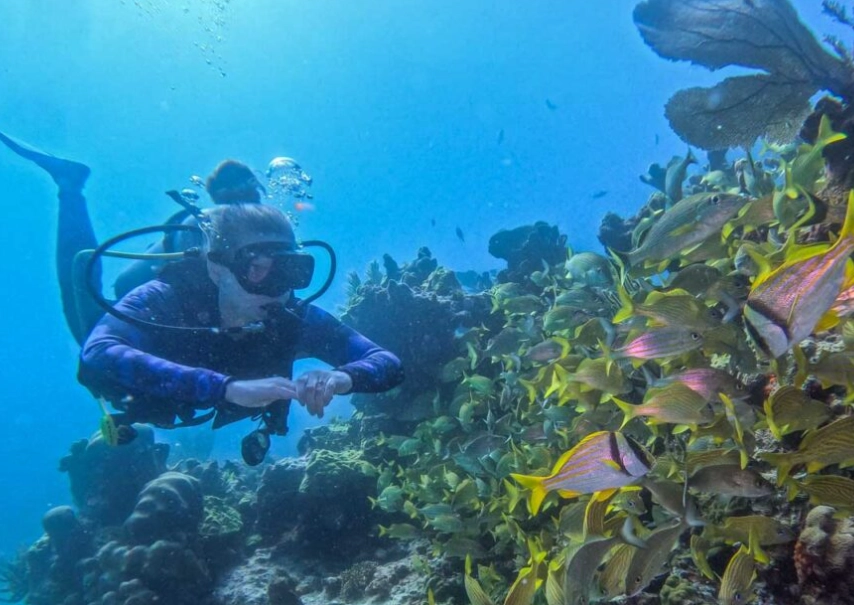
Yucatan Cenotes: Freshwater Cave Diving
Cenotes are natural sinkholes filled with freshwater. They're unique to the Yucatan Peninsula. This isn't ocean diving—it's cavern and cave diving in crystal-clear water with visibility over 200 feet. You need a guide; it's not a DIY thing. Dos Ojos is the most famous, but it gets packed. I prefer Angelita or The Pit for that eerie, mystical feel.
Location: Most cenotes are near Tulum or Playa del Carmen. For example, Dos Ojos is about 15 miles south of Playa del Carmen. Address: Carretera Federal 307, Km 245, Tulum, Quintana Roo.
Cost: A guided cavern dive runs $100-$150 per person, including gear and transport from town. Full cave diving requires certification and costs more.
Safety note: Many divers overestimate their skills here. If you're not certified in cavern diving (like a PADI Cavern Diver course), stick to guided tours. The overhead environment is no joke.
Sea of Cortez: The Aquarium of the World
Jacques Cousteau called it the "Aquarium of the World" for a reason. The Sea of Cortez, between Baja California and mainland Mexico, teems with life. La Paz is the gateway for whale shark encounters (seasonal, October to April). Cabo Pulmo, a UNESCO site, has the only hard coral reef in the region.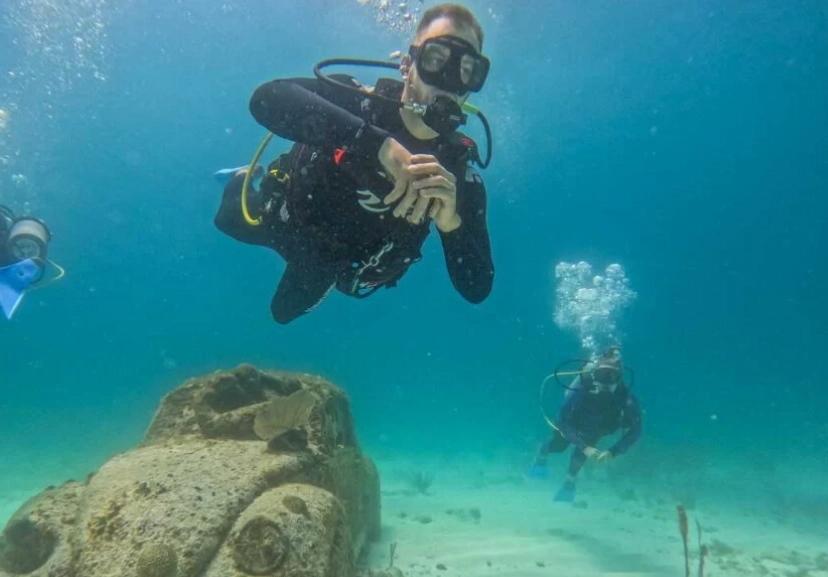
Access: Fly into Los Cabos International Airport (SJD). From there, it's a 2-hour drive to La Paz or 1.5 hours to Cabo Pulmo. Renting a car is best; public transport is limited.
Dive details: In La Paz, operators like Baja Diving and Service offer trips. A whale shark snorkeling tour (it's snorkeling, not diving) costs around $120. Diving with sea lions at Los Islotes is about $100 for a 2-tank dive. Cabo Pulmo dives range from $90-$130, but the park fee is extra ($5 per day).
Timing: Summer (June to September) has warmer water and more big animals, but it's also hurricane season. Winter is cooler but calmer.
How to Plan Your Mexico Diving Trip
Planning makes or breaks your dive trip. Here's a step-by-step based on my own screw-ups over the years.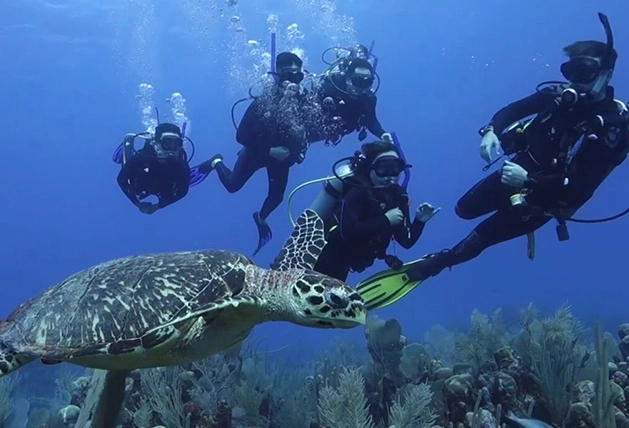
Step 1: Choose your focus. Are you after reefs, caves, or big animals? That decides your destination. Mixing Cozumel and cenotes in one trip is doable—they're close.
Step 2: Check seasons. I mentioned this earlier, but it's worth repeating. Use resources like the NOAA for marine forecasts. For example, whale sharks in Holbox (north of Yucatan) peak June to September, while in La Paz, it's October to April.
Step 3: Budget realistically. Beyond dive costs, factor in accommodations. Cozumel has options from $50/night hostels to $200+ resorts. Cenote areas like Tulum are pricier, averaging $100-$150/night for mid-range hotels.
Step 4: Get certified if needed. For cenotes, a basic open water cert works for guided cavern dives, but advanced or cavern certs open more sites. In Cozumel, some deep walls require advanced certification.
Step 5: Pack smart. Bring a dive computer—many rental shops have old models. A reef-safe sunscreen is a must; some parks ban chemicals. And don't forget a waterproof camera; the photo ops are insane.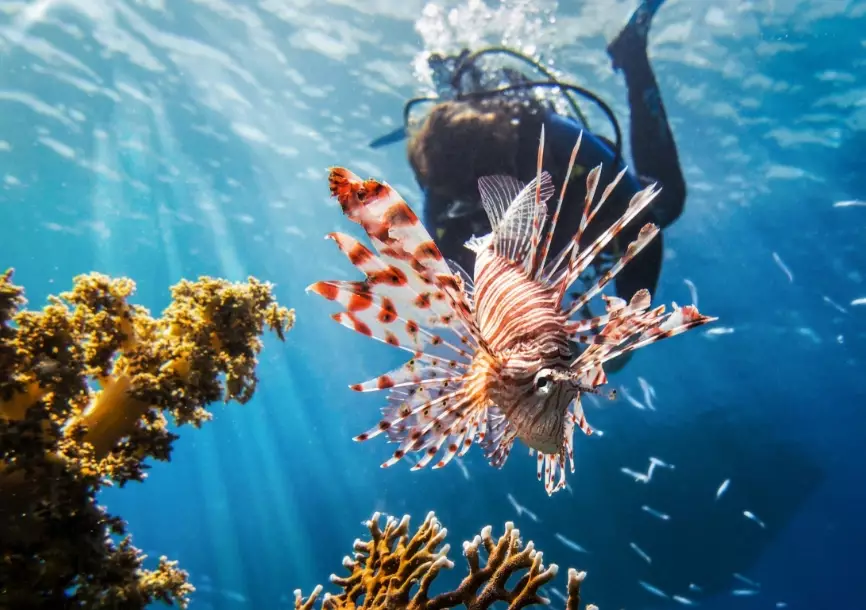
Personal story: On my first trip to Cozumel, I skipped booking dives ahead, thinking I'd wing it. Big mistake. All the good boats were full for days. Now, I book at least a month in advance, especially for popular spots like Palancar Reef.
Frequently Asked Questions
Mexico's diving scene is vast, but with this guide, you're set to explore the best spots. Remember, the "best" is subjective—match the destination to your interests and skill level. Dive safe, respect the marine environment, and enjoy those underwater wonders. If you have more questions, drop a comment below; I'm happy to share from my years of diving here.
Your comment