Let's get straight to it. Mexico isn't just a good diving destination; it's a world-class one that punches far above its weight. Think about it: you've got the world's second-largest barrier reef system on the Caribbean coast, a network of surreal freshwater cenotes that exist nowhere else on this scale, and on the Pacific side, dramatic walls and encounters with the ocean's biggest pelagics. I've been diving here for over a decade, guiding trips from Tulum to Cabo, and I still find new corners that surprise me. The mistake most first-timers make is trying to see it all in one go. You can't. This guide breaks down Mexico's diving regions so you can pick the adventure that matches your fins.
Navigate Your Dive Adventure
The Yucatán Peninsula: Cenotes & Caribbean Reefs
This is where Mexico's diving gets truly unique. Forget the ocean for a moment. Inland from Playa del Carmen and Tulum lies the Riviera Maya's secret weapon: thousands of cenotes. These are natural sinkholes where the limestone bedrock has collapsed, revealing crystal-clear groundwater. Diving them is like floating through a cathedral of light and shadow.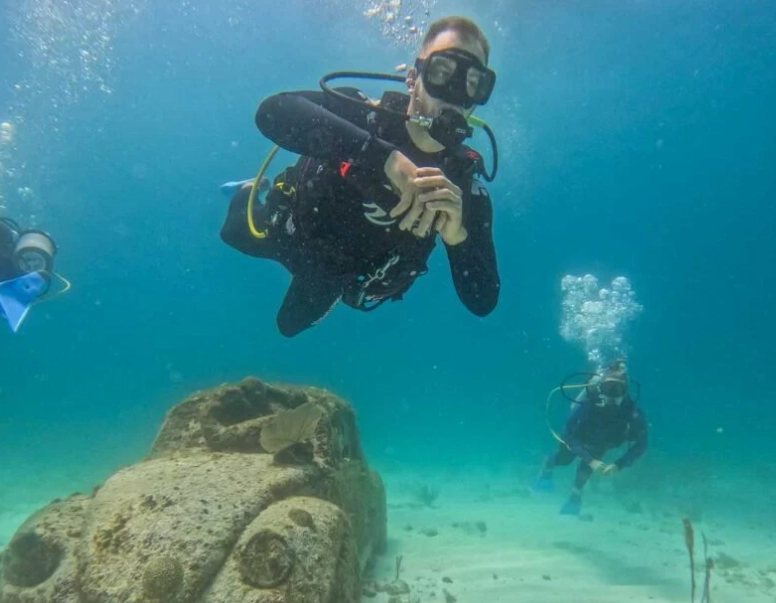
Top Cenote Dives for Different Levels
The Cavern Zone (For Beginners): This is where open water divers can safely experience cenotes. You're always in sight of natural light. Dos Ojos (“Two Eyes”) near Tulum is the classic. Two adjacent cenotes connected by a long cavern, with beams of sunlight piercing the water, illuminating stalactites. It's otherworldly. Most shops in Playa or Tulum run trips here. Expect to pay around $120-$150 USD for a two-tank cenote dive including gear, guide, and park fees.
The Cave Zone (Certified Cave Divers Only): This is serious technical diving. Systems like Sac Actun or Dos Pisos stretch for hundreds of kilometers. Don't even think about it without full cave certification. I've seen too many “experienced” ocean divers underestimate the training needed.
The Mesoamerican Barrier Reef
Back in the saltwater, the coast from Cancún down to Mahahual sits on the Mesoamerican Reef. The diving here is more relaxed than Cozumel's currents. A standout is the MUSA (Museo Subacuático de Arte) off Cancún and Isla Mujeres. Over 500 life-sized sculptures create an artificial reef. It's shallow (8-10 meters), perfect for newer divers or snorkelers, and fascinating for underwater photography. Book through operators in Cancún hotel zones or downtown.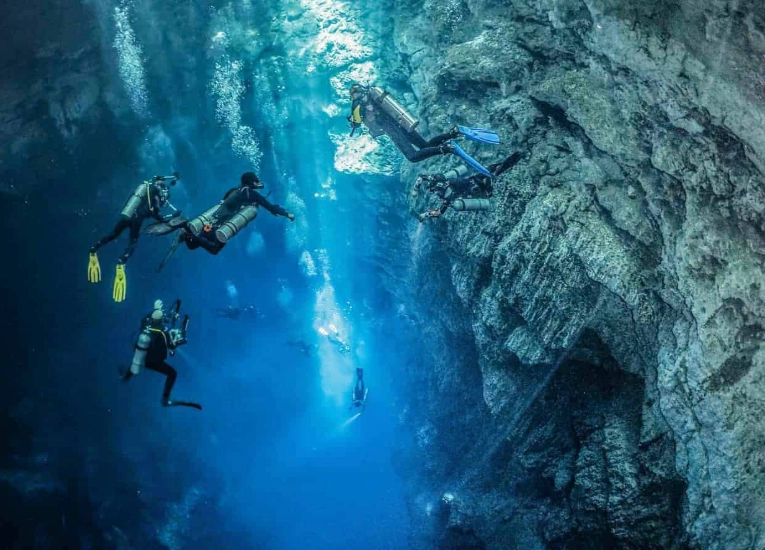
Local Insight: Most dive shops in Playa del Carmen are clustered on 10th Avenue (La Décima). Shop around. Some focus on fast boats to Cozumel, others specialize in cenotes. Ask about their guide-to-diver ratio for cenotes—4:1 is standard and safe. Avoid the touts on 5th Avenue selling the cheapest trip; you often get what you pay for.
Cozumel Island: Drift Diving Paradise
A 45-minute ferry from Playa del Carmen, Cozumel is a dive-centric island. Its west coast is protected as a marine park, and the diving is almost all drift diving along stunning vertical walls. The current does the work; you just fly along and watch the show.
Palancar Reef is the famous one, a massive coral formation with canyons, swim-throughs, and huge sponges. Santa Rosa Wall is my personal favorite—it plummets into the blue, often with stronger currents that bring in bigger fish like eagle rays and the occasional shark. For something different, the Columbia Reef dive often includes a swim through the “Columbia Deep” area, a sand chute between coral formations.
You'll dive from a *panga* (a small, fast boat). Boats leave from the main marina in San Miguel. A typical two-tank dive costs $90-$130 USD. The island is small; you can stay in town or at a southern resort. Cozumel is also a major cruise port, so reefs can get busy midday. Morning dives are quieter.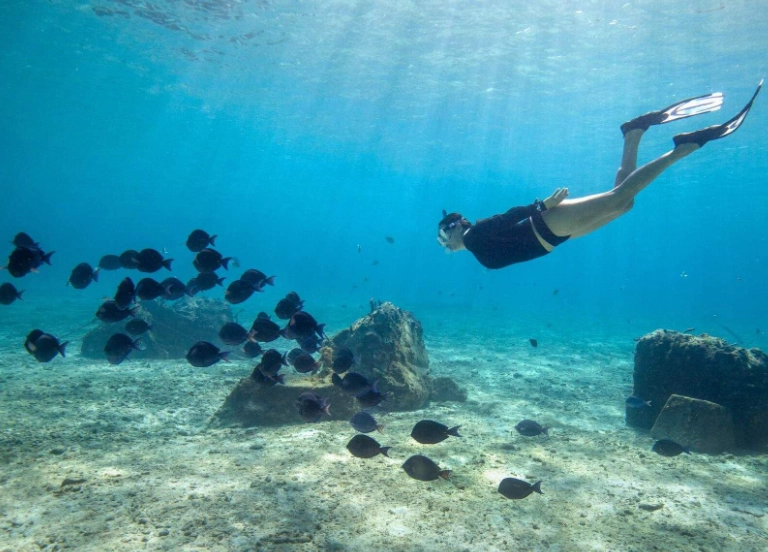
Cabo San Lucas & the Sea of Cortez
Flip to the Pacific. The water is cooler (18-26°C / 64-79°F), visibility is different (15-30 meters on a good day, not the Caribbean's 30+), but the drama is unmatched. This is big animal country.
Cabo San Lucas: The main event here is sand falls at Cabo Pulmo, a couple hours' drive north. It's a national marine park and the only hard coral reef in the Sea of Cortez. From July to November, you have a real chance to dive with huge schools of jack crevalle, bull sharks, and even whale sharks. In Cabo itself, Land's End offers dives around the famous rock arches, with sea lions often playing in the surge.
La Paz: Further north up the Baja peninsula, La Paz is quieter. From October to March, it's the prime base for swimming with whale sharks in the bay (snorkeling only, by law). It's also the jump-off point for Isla Espíritu Santo, where you can dive with playful sea lion colonies. The sea lions will look you right in the mask. It's a profound experience.
Comparing Mexico's Major Diving Regions
| Region | Water Temp | Visibility | Key Attractions | Best For | Sample 2-Tank Dive Cost |
|---|---|---|---|---|---|
| Yucatán Cenotes | 24-25°C (75°F) year-round | Extreme (60m+) | Geological formations, light beams, caverns | Unique experience, photography, training | $120 - $160 USD |
| Cozumel Reefs | 26-29°C (78-84°F) | 30-40m (100-130ft) | Drift diving, vibrant coral walls, marine life | Relaxed divers, coral lovers, consistent conditions | $90 - $130 USD |
| Cabo / Sea of Cortez | 18-26°C (64-79°F) | 15-30m (50-100ft) | Big pelagics, sea lions, whale sharks (seasonal) | Adventure seekers, animal encounters | $110 - $150 USD |
How to Plan Your Mexico Diving Trip
Picking the right spot is half the battle. The other half is logistics.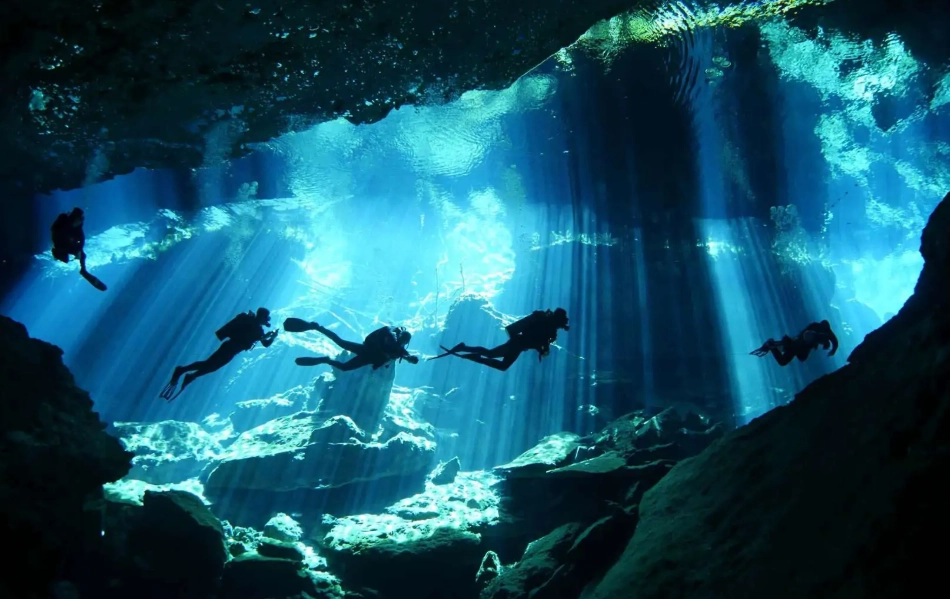
When to Go:
Caribbean Side (Cozumel, Riviera Maya): Year-round. Peak season is December-April (dry, sunny). June-November is rainy/hurricane season, but you get fewer crowds, warmer water, and often great visibility. Storms are usually forecasted well in advance.
Pacific Side (Cabo, La Paz): For whale sharks: October-April. For water temp and general diving: June-September. Winter water can be chilly (low 70s°F).
Getting There & Around:
For the Caribbean, fly into Cancún International Airport (CUN). For Cozumel, you can sometimes find direct flights to Cozumel International (CZM). For the Pacific, fly into Los Cabos International Airport (SJD) for Cabo, or La Paz International (LAP). Renting a car is highly recommended for exploring the Yucatán or Baja beyond the main towns. Local colectivos (shared vans) are cheap and efficient for short hops along the Riviera Maya.
Dive Operator Due Diligence:
Don't just book the cheapest. Email a few shops. Ask: • Is the gear rental included in the price? What brands/models? • What's the maximum group size per guide? (6:1 is good, 4:1 is excellent). • What's the boat like? (Panga vs. larger cruiser). • Do the guides speak clear English/Spanish? • What's the protocol if someone gets seasick or needs to abort a dive? Their response time and detail tell you a lot.
Sample Itinerary Ideas
The Cenote & Reef Combo (7 Days): Fly into Cancún. Stay 3 nights in Playa del Carmen. Do 1 day of cenote diving (Dos Ojos, The Pit) and 1 day taking the ferry to dive Cozumel. Then move south for 3 nights in Tulum, dive more advanced cenotes (like Angelita), and relax on the beach.
The Pacific Big Animal Adventure (5 Days): Fly into Los Cabos. Stay in La Paz. Dedicate 2 days to diving Isla Espíritu Santo with the sea lions. Spend 1 day on a whale shark snorkeling tour (if in season). Optionally, take a day trip to Cabo Pulmo if conditions permit.
Diving in Mexico: Your Questions Answered
I'm a new Open Water diver. Are Mexico's dive sites too advanced for me?
What's one mistake divers make when planning a cenote dive?
Is it safe to dive in Mexico? I hear mixed things about safety standards.
What's the best time of year to avoid crowds but still get good conditions?
How much should I budget for a week of diving in Mexico, excluding flights?
Your comment