Let's be real. When you think of scuba diving Cancun, you probably picture colorful fish and maybe a sunken statue or two. That's there, sure. But after a decade of guiding trips here, I can tell you the real magic—and the real challenges—lie in the details most blogs gloss over. We're talking about navigating the choice between the crowded underwater museum and pristine, lesser-known reefs, or deciding if you're truly ready for the eerie silence of a cenote dive. This guide cuts through the marketing fluff. I'll give you the specific sites, operators, costs, and my own hard-earned advice to plan a Cancun diving trip that's genuinely unforgettable, not just a checkbox on a tourist itinerary.
What's in This Guide?
Best Scuba Diving Sites in Cancun: Reefs vs. Wrecks vs. Museums
The coastline here is split into two main scenes: the ocean and the inland freshwater caverns (cenotes). Most operators will offer a mix. Here’s the breakdown of what you're actually signing up for.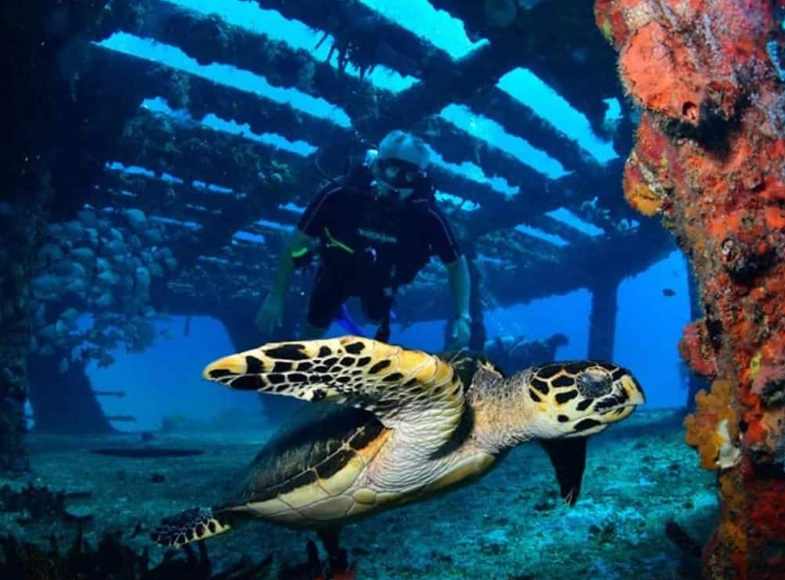
The Ocean Dives: MUSA, Reefs, and Shipwrecks
MUSA (The Underwater Museum of Art): This is the headline act. Over 500 life-sized sculptures sitting on the sandy bottom at about 30 feet. It's unique, no doubt. The sculptures have become artificial reefs, covered in sponges and coral. But here's my non-consensus take: it can feel like diving in a crowded art gallery. Boats line up, and you might be sharing the space with 30 other divers and snorkelers. Go for the novelty, but don't make it your only ocean dive. Best for: Beginners, photographers, non-diver companions (who can snorkel above).
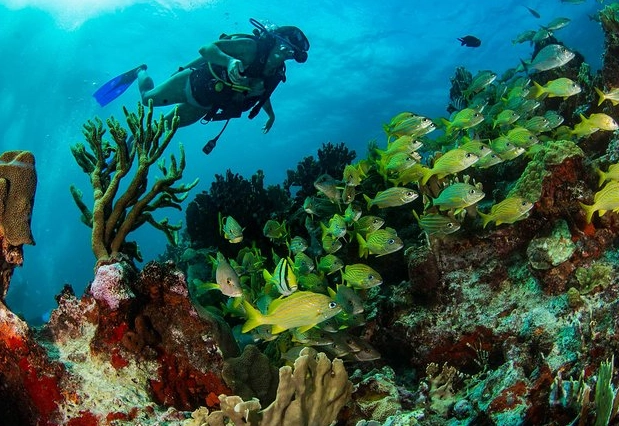
Manchones Reef & El Meco: These are the natural coral reefs. Manchones is deeper (50-70ft) with bigger coral formations and more marine life—eagle rays, turtles, and bigger schools of fish. El Meco is shallower (25-40ft), brighter, and perfect for longer, relaxed dives. Personally, I prefer El Meco on a sunny day; the light is incredible. The health of these reefs varies, but they're a truer representation of Caribbean diving than MUSA.
Shipwrecks (C-58 & C-59): Two former Mexican Navy minesweepers deliberately sunk to create artificial reefs. They sit upright in about 80 feet of water. Advanced beginners can do the top decks, but penetrating the wrecks requires proper training. They're now home to massive groupers, barracuda, and impressive coral growth. Current can be strong here, so this isn't a first-day dive.
| Site Name | Depth Range | Best For | What You'll See | Skill Level |
|---|---|---|---|---|
| MUSA (Underwater Museum) | 15-30 ft | Photography, Beginners | Sculptures, juvenile fish, snorkelers above | Open Water Diver |
| Manchones Reef | 50-70 ft | Marine Life, Experienced Divers | Eagle rays, turtles, large coral heads | Open Water Diver (good buoyancy) |
| El Meco Reef | 25-40 ft | Light & Color, Long Bottom Time | Bright corals, tropical fish, lobsters | Open Water Diver |
| C-58 / C-59 Wrecks | 60-80 ft | Adventure, Wreck Enthusiasts | Big fish, military wreck, advanced coral | Advanced Open Water Recommended |
How to Plan Your Cancun Diving Trip: A Realistic 3-Day Itinerary
You don't need a week. A focused long weekend can cover the highlights. Here’s a sample schedule based on how I'd guide a friend.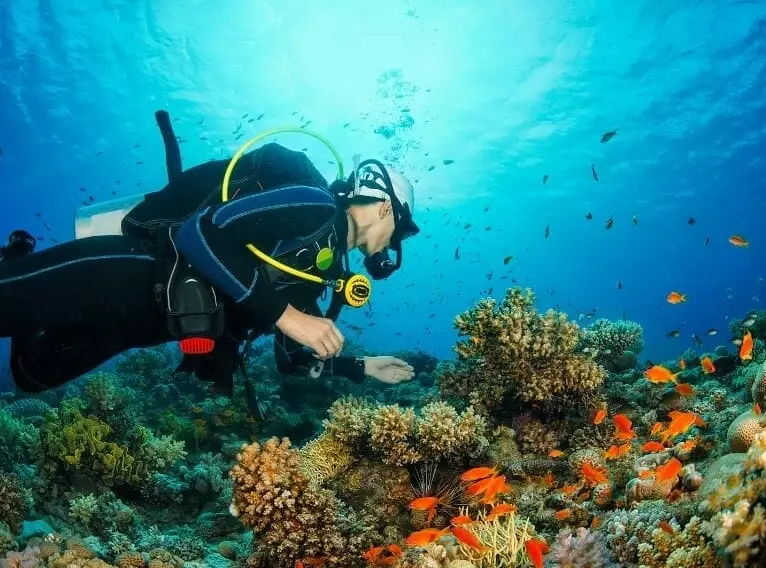
Day 1: Ocean Warm-Up. Morning two-tank boat dive. Do a shallow reef (like El Meco) first to check your gear and buoyancy, followed by MUSA in the afternoon when the light is best for photos. Most operators leave from Marina El Cid or Marina Costa Bonita around 8:30 AM, returning by 2 PM. Afternoon: rinse gear, relax.
Day 2: Cenote Day Trip. This is a full-day commitment. You'll be picked up around 7 AM for the 60-90 minute drive inland to the Riviera Maya. You'll do two different cenote dives (like Dos Ojos and The Pit). You'll be back at your hotel by 5 PM, exhausted and amazed.
Day 3: Advanced Ocean or Relax. Option A: Do a deeper two-tank trip to the wrecks and Manchones Reef. Option B: If you're certified, consider a bull shark diving trip (seasonal, Nov-March). Option C: Call it. Your logbook will be full. Go eat tacos.
Budgeting: A standard two-tank ocean dive costs between $100-$140 USD. A two-tank cenote trip is more, around $150-$180 USD, because it includes transport, park fees, and often a guide with cave diving credentials. Don't forget to budget $15-$25 per day for gear rental if you're not bringing your own. Tips for guides and boat crew are customary (10-15%).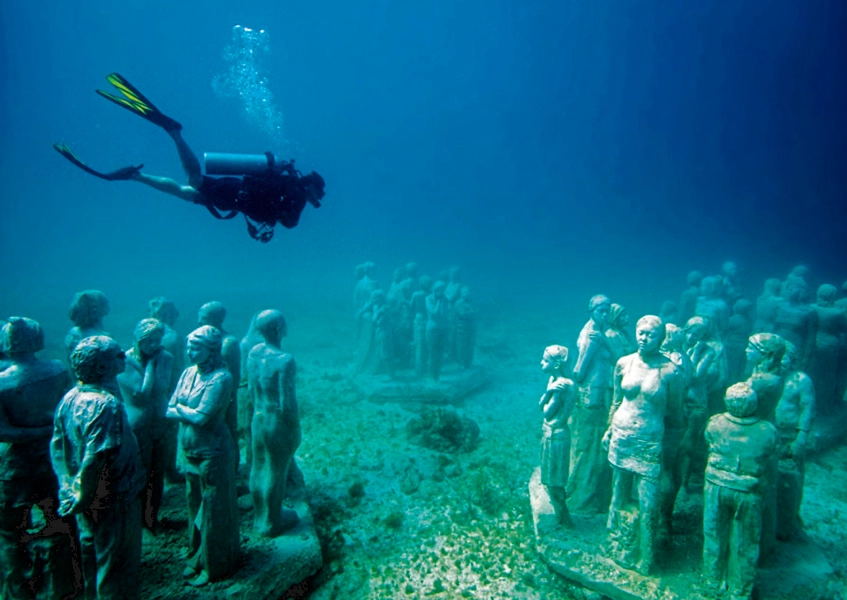
The Truth About Cenote Diving: Is It Right for You?
This is the secret weapon of diving in this region. Cenotes are freshwater sinkholes connected to vast underground river systems. Diving here is nothing like the ocean.
The water is crystal clear—visibility often exceeds 200 feet. You swim through caverns (where you can always see the entrance light) with stunning haloclines (where fresh and salt water meet and create a shimmering blur) and breathtaking light rays piercing through jungle roots. It's silent, weightless, and otherworldly.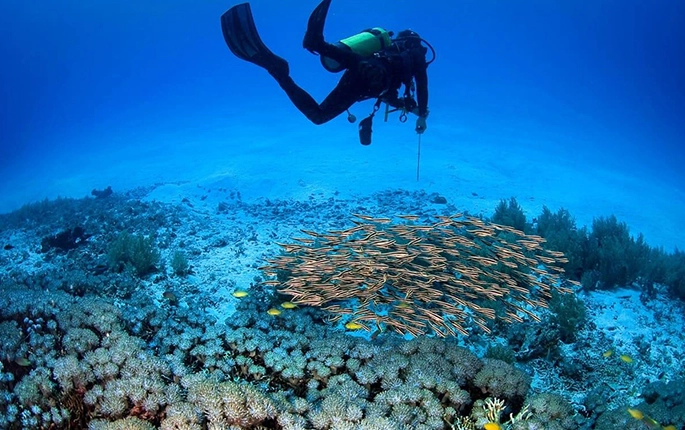
But here's the critical, rarely stated warning: Cenote diving is overhead environment diving. While recreational dives stay in the "cavern zone," the psychological factor is real. There is no direct ascent to the surface. You must have excellent buoyancy control to avoid kicking up silt (which stays suspended forever) and a calm mindset. If you panic in open water, you shoot to the surface. Here, you can't. Most operators require at least 10-15 logged dives for a good reason. I've seen confident ocean divers get spooked. Be honest with yourself and your guide.
Top Cenotes for Divers:
- Dos Ojos ("Two Eyes"): The most famous. Gentle, beautiful, with iconic features like the "Bat Cave." Perfect for a first cenote experience.
- The Pit: Deeper (up to 130ft for the adventurous), with a stunning hydrogen sulfate cloud layer you descend through. Light rays here are legendary.
- Car Wash (Aktun Ha): Shallower, with unique freshwater lily pads on the surface and even small fish. A brighter, less intimidating option.
Picking Your Dive Operator: What Really Matters
Forget just comparing prices online. The operator makes or breaks your trip. Here’s what to dig into.
Group Size: This is my number one filter. Ask directly: "What is the maximum diver-to-guide ratio on your boat?" Anything over 6:1 for ocean diving or 4:1 for cenotes is a red flag. Smaller groups mean more attention, safer diving, and a better experience. I'd pay a 20% premium for a 4-person group over an 8-person one, easily.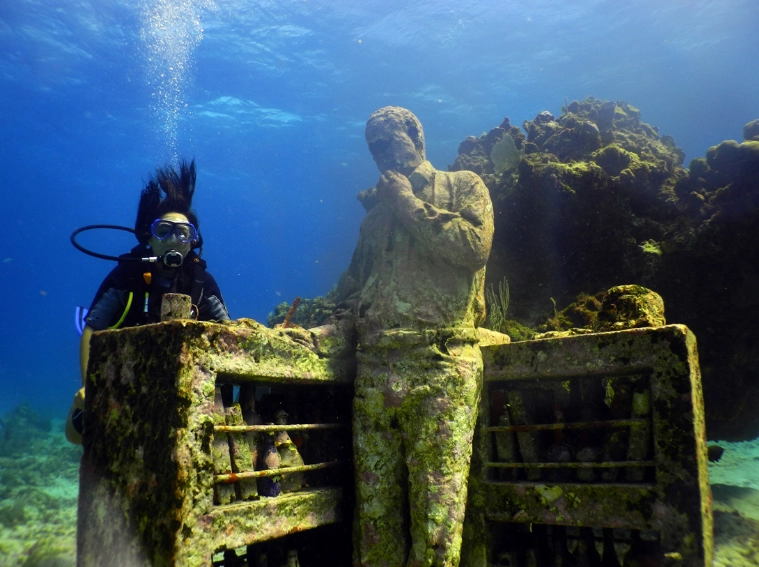
Boat Quality & Logistics: Look for photos of their boats. Larger, covered vessels (called "pangas" with shade canopies) are more comfortable for the 30-45 minute ride to the sites than tiny speedboats. Do they provide water, fruit, and towels? It sounds minor, but after a dive, it matters.
Guide Credentials: For cenote diving, ensure the lead guide is a full cave diver (not just "cenote certified"). This level of training from agencies like GUE or NACD is a serious commitment and speaks volumes about their safety culture. Don't be shy to ask.
Environmental Practices: Do they brief against touching corals or stirring silt in cenotes? Do they use reef-safe sunscreen? The good ones do. It shows they care about the resource.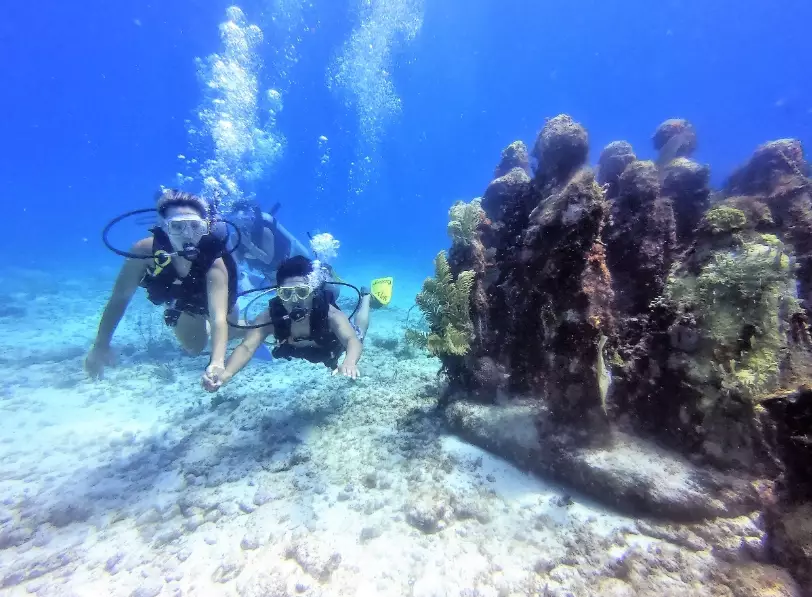
Based on my experience and local chatter, operators like Phantom Divers (known for small groups) and Dive Mike (excellent for cenotes and tech diving) have consistently good reputations. But always do your own fresh research—things change.
Your Cancun Diving Questions Answered
I'm a new diver with just my Open Water certification. Is Cancun diving safe for me?
Generally, yes—if you pick the right dives and are honest about your nerves. Stick to the shallow reefs (El Meco, parts of MUSA) for your first day. The conditions are usually calm. Absolutely avoid the wrecks and any "drift dives" until you have more experience. The biggest risk for new divers here isn't wildlife; it's buoyancy control on the reef and managing boat traffic during entry/exit. Tell your guide it's your first dive post-certification. A good one will stick close and give you a more thorough briefing.
What's the one piece of gear most divers forget for Cancun but really need?
A good dive computer and knowing how to use it. Rent one if you don't own it. On reef dives, you'll be at different depths, and it's easy to chew through your no-deco time without realizing it. For cenotes, the computer is your lifeline for managing your ascent in an overhead environment. The rental computers are often basic. Bringing or renting a modern one gives you crucial safety data.
Is it better to stay in Cancun Hotel Zone or Playa del Carmen for diving?
It depends on your priority. Cancun Hotel Zone is best if your focus is ocean diving (MUSA, reefs, wrecks). The marinas are close, and you can be on a boat in 10 minutes. Playa del Carmen is closer to the cenotes (saving you 30-45 mins of drive time each way) and has its own excellent ocean diving (cozumel ferries nearby). But for Cancun's specific ocean sites, you'll have a longer commute. If you want a 50/50 mix, Playa might edge out. If it's 80% ocean, stay in Cancun.
When is the absolute worst time to go diving in Cancun?
The hurricane season, specifically September and October. It's not just about storms hitting directly. The sea can be rough for weeks, leading to canceled boats, poor visibility from churned-up sediment, and strong currents. It's cheap for a reason. The "shoulder" months of November and May offer better odds of good weather and fewer crowds. Prime time is December-April, but that's also peak tourist season everywhere.
How do I avoid the crowds and find a more authentic dive experience?
Two ways. First, book the earliest boat of the day (usually 7:30 AM). You'll be the first on the site. Second, ask your operator about less-frequented sites like "El Jardin" or "Bandera." They might not have the fame of MUSA, but the reefs are often healthier because they see fewer fins. Be prepared for a slightly longer boat ride. This is where a good relationship with a small operator pays off—they'll take you to their favorite spots, not just the tourist conveyor belt.
Honestly, diving Cancun can be as generic or as profound as you make it. You can hop on a packed boat, see the statues, and check the box. Or, you can seek out a small operator, communicate what you really want to see (big life? crazy light? total silence?), and be willing to adapt. The water is warm, the options are diverse, and with a bit of planning—using this guide as your real-talk starting point—you'll have stories that go way beyond "I saw a fish." Now go look at your calendar. The reefs aren't getting any less busy.
Your comment