So you're heading to Cancun and the idea of scuba diving has crossed your mind. The turquoise water, the promise of colorful fish, maybe even a turtle—it's incredibly tempting. But if you've never done it before, the whole thing can feel a bit intimidating. I get it. I've been teaching diving here for over a decade, and I've seen every kind of nervous first-timer transform into a grinning, bubble-blowing enthusiast by the end of the day. Let's cut through the confusion. Cancun isn't just for pros; it's one of the best places on the planet to take your first breath underwater.
Your Quick Dive Guide
- Why Cancun is Perfect for Your First Dive
- What You Really Need to Start (No, You Don't Have to Be a Pro Swimmer)
- The Top 3 Dive Spots in Cancun for Beginners
- How to Pick a Dive Shop That Won't Let You Down
- A Realistic 3-Day Beginner Diving Itinerary for Cancun
- 5 Safety Tips Your Instructor Wishes You Knew
- Your Burning Questions, Answered
Why Cancun is Perfect for Your First Dive
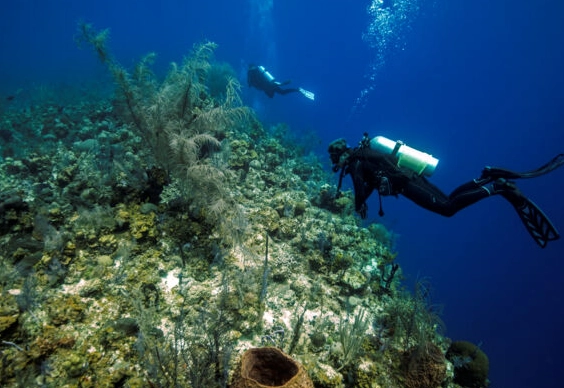
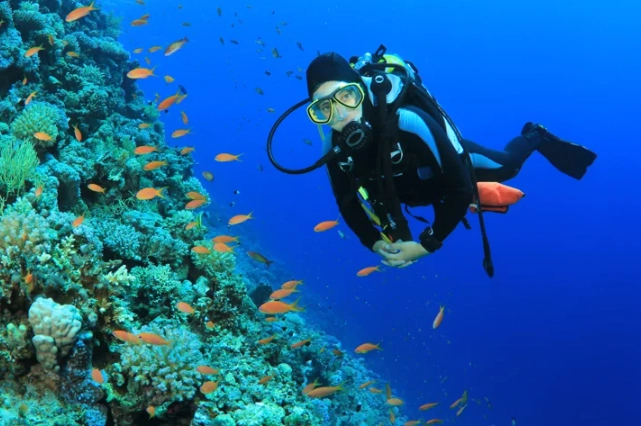
It's not hype. The geography here is beginner-friendly in a way few other major dive destinations are. You have the Mesoamerican Barrier Reef, the second-largest in the world, sitting right offshore. This means the underwater landscape is protected, teeming with life, and—crucially—often has very gentle currents, especially on the west side of Isla Mujeres and in the Cancun National Marine Park areas.
Then there's the water. Visibility routinely hits 60 to 100 feet. For a new diver, this is a game-changer. You're not peering through a murky haze; you're in a giant, sunlit aquarium. The water temperature hovers between 77°F and 84°F year-round. You'll be plenty warm in a standard 3mm wetsuit, or even a shorty.
Here's the insider angle most blogs miss: Cancun's dive industry is built on tourism. Dive shops here are experts at handling first-timers. Their entire business model revolves around making your introductory dive safe, easy, and fun. The equipment is newer, the boats are more comfortable, and the instructors are more accustomed to calming nerves compared to shops in more hardcore, remote dive locales.
What You Really Need to Start (No, You Don't Have to Be a Pro Swimmer)
Let's clear up the biggest myth first.
Physical Requirements: The Truth
You do not need to be an Olympic swimmer. You need to be reasonably comfortable in the water. Can you float, tread water, and swim maybe 50-100 yards? That's usually enough. The real requirement is a medical questionnaire. Be honest on it. Issues like asthma, heart conditions, or recent surgeries need to be discussed with a doctor beforehand. Most dive shops will require a sign-off from a physician if you answer "yes" to certain questions.
Age: Most operators require you to be at least 10-12 years old for a beginner program.
Your Two Main Options as a New Diver
You have a clear choice, and it depends on your commitment level.
- The Discover Scuba Diving (DSD) Experience: This is a one-day try-dive. You get a brief pool or confined water lesson, then head out for one or two shallow ocean dives with an instructor holding onto you most of the time. It's fantastic for the "let's just see if I like it" crowd. It's not a certification, but it counts as credit if you later decide to get certified.
- The Open Water Diver Certification (PADI/SSI): This is the real deal. It's a 3-4 day course involving theory, pool skills, and four open water dives. You finish as a certified diver, able to dive anywhere in the world (within depth limits) with a buddy. If you know you want to dive on future vacations, this is the way to go. In Cancun, you can often do the e-learning before you arrive, saving vacation time for the fun in-water parts.
The Top 3 Dive Spots in Cancun for Beginners
Not all reefs are created equal for new divers. You want shallow, calm, and interesting. These three deliver.
| Dive Site | Max Depth (for beginners) | What Makes it Special | Best For |
|---|---|---|---|
| MUSA (Underwater Museum of Art) | 30 feet | Over 500 life-sized sculptures on the sandy bottom. It's surreal, artistic, and the sculptures are now covered in coral. The sandy bottom means no tricky reef navigation. | Anyone who wants a unique, non-intimidating first dive. Great for photos. |
| El Meco Reef | 40 feet | A classic, vibrant coral garden within the National Marine Park. Expect schooling fish, lobsters, moray eels, and maybe a turtle. The reef structure is healthy and the currents are minimal. | Beginners who dream of a "traditional" colorful reef dive. |
| Playa Norte (Isla Mujeres) | 25 feet | Incredibly shallow, sun-drenched sandy slopes with patches of seagrass and coral. The water is often crystal calm. This is where you'll reliably see gentle nurse sharks and stingrays resting on the bottom. | Extremely nervous divers or those who just want a super relaxed, wildlife-focused dive. |
Most beginner dives will stick to the 25-40 foot range. That's plenty deep enough to feel the magic and see amazing things without worrying about complex procedures.
How to Pick a Dive Shop That Won't Let You Down
This is the most important decision you'll make. A good shop makes your day; a bad one can ruin it.
Look for these signs:
- PADI 5-Star or SSI Diamond Center: This indicates a professional operation with high standards.
- Small Group Sizes: Ask about the student-to-instructor ratio. For beginners, 4:1 is good. 2:1 is excellent. Avoid shops that pack 8 people with one instructor.
- Newer, Well-Maintained Boats & Equipment: Check reviews for mentions of boat condition and gear. You don't want to be struggling with a leaky mask or a fin strap that breaks.
- Emphasis on Safety Briefings: They should spend real time explaining hand signals, what to do if you feel uncomfortable, and the dive plan—not just rush you into the water.
Here are two reputable operators I've personally seen do great work with beginners over the years (note: I'm not affiliated with either).
Scuba Cancun: Located right in the Hotel Zone marina. They run a tight ship, have great boats, and their instructors are known for being patient. Perfect for the DSD experience. You can find them at Blvd. Kukulcán Km 5.
Dive Mike: A smaller, more personalized operation based in Puerto Juárez (near the Isla Mujeres ferry). Mike and his team are fantastic teachers. They focus on full certification courses and take their time. Ideal if you're serious about getting your Open Water card.
Prices vary, but expect to pay roughly $100-$140 for a Discover Scuba Diving experience and $450-$600 for a full Open Water Diver certification course. Always confirm what's included: gear, boat trip, park fees, and photos.
A Realistic 3-Day Beginner Diving Itinerary for Cancun
Let's make this concrete. Here's how a perfect first-time diving trip could unfold.
Day 1: Dip Your Toes In
Morning: Arrive at your chosen dive shop (booked in advance). Complete paperwork and a brief medical check. Spend 1-2 hours in their pool learning the basics: how to breathe from the regulator, clear your mask, and use your buoyancy control device (BCD).
Afternoon: Your first ocean dive! Likely at a shallow site like the MUSA or a protected part of the reef. Depth: 20-25 feet. Focus is purely on breathing and enjoying the view. One dive only.
Evening: Relax. Your body will be tired in a good way. No flying for 24 hours after diving.
Day 2: Building Confidence
Morning: Two-tank boat trip. First dive might be a bit deeper, maybe 30 feet at El Meco. You'll practice a couple more skills underwater. Second dive is purely a fun dive, exploring another section of reef.
Afternoon: Back on land by 2 pm. Head to Playa Delfines to soak up the sun and process the incredible morning you just had.
Day 3: Go Deeper or Explore
Option A (For the newly hooked): If you did a DSD, you might do another fun dive or even start the first modules of your Open Water course.
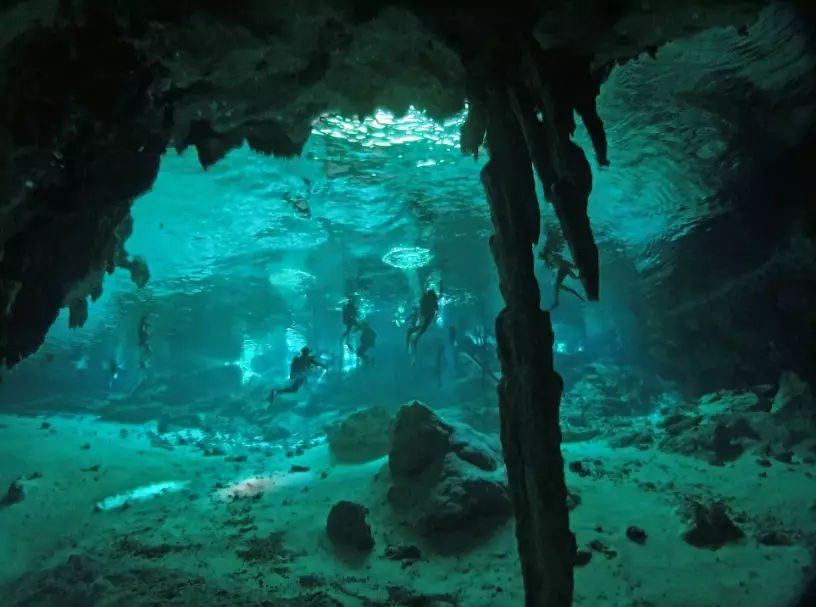
Option B (For the satisfied explorer): Take a non-diving day. Snorkel in the cenotes (like Cenote El Pit), visit Isla Mujeres by ferry, or simply enjoy Cancun's other delights. You've earned it.
5 Safety Tips Your Instructor Wishes You Knew
- Equalize Early and Often. As you descend, pinch your nose and blow gently before you feel pressure. Do it every few feet. If it hurts, stop descending and signal your instructor. Don't force it.
- Breathe. Continuously. Never Hold Your Breath. This is the golden rule. Inhale, exhale. A slow, deep rhythm. Holding your breath while ascending can cause serious lung injury.
- Stay Close to Your Guide. It's easy to get mesmerized by a fish and drift away. Make a conscious effort to keep your instructor or dive master in sight at all times.
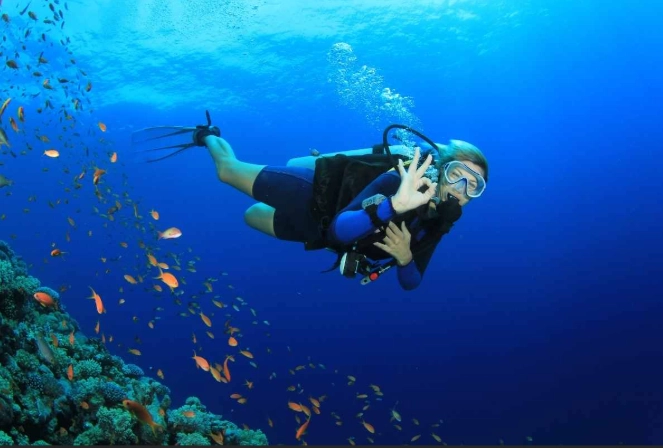
- Communicate. Use your hand signals. Point at cool things, give the "OK" signal, and immediately signal if something feels wrong (ear pain, feeling cold, anxiety).
- Hydrate and Avoid Heavy Drinking the Night Before. Dehydration and hangovers increase your risk of decompression sickness. Drink plenty of water and skip the big night out before a dive day.
Your Burning Questions, Answered
I'm claustrophobic and get panicky thinking about breathing underwater. Can I still dive?
It's more common than you think. The key is communication. Tell your instructor this before you get in the water. A good instructor will go extra slow in the pool, let you get used to the sensation of breathing while submerged in just 3 feet of water where you can stand up anytime. The ocean is vast and open, not claustrophobic at all. The panic usually comes from the initial unfamiliarity of the breathing apparatus. Taking 10 extra minutes in the pool to just breathe with your face in the water can make all the difference.
What's the one piece of gear I should consider buying even as a first-timer?
Your own mask. A mask that fits your face perfectly—no leaking, no fogging—is the single biggest upgrade to your comfort. Rental masks are one-size-fits-none. Go to a dive shop, try on a dozen, find one that seals comfortably without the strap being too tight. It doesn't have to be expensive. A good-fitting mask removes a huge point of potential stress and distraction.
Is diving in Cancun bad for the reef? I want to be a responsible tourist.
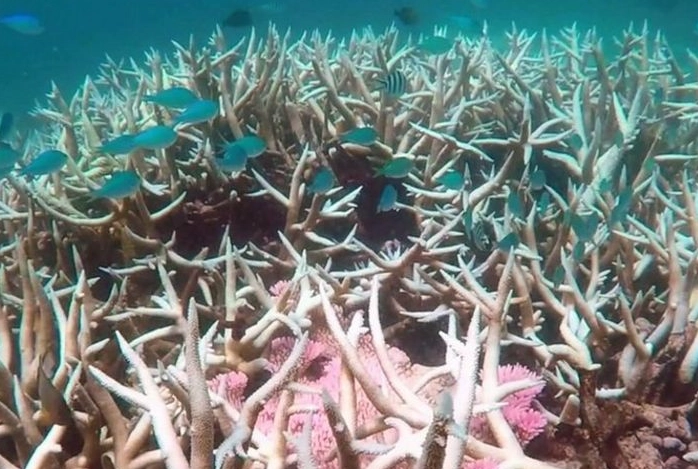
This is a fantastic question. Diving itself isn't inherently bad if done responsibly. The problem is poor behavior. Choose operators who enforce good practices: no touching anything (coral, animals), no kicking up sand with fins, and who use mooring buoys instead of dropping anchors on the reef. Your personal responsibility is buoyancy control. If you're crashing into the coral, you're damaging it. A good beginner course will emphasize this. Consider using a reef-safe sunscreen (mineral-based, like zinc oxide) that won't wash off and harm the marine ecosystem.
How do I deal with sea sickness on the dive boat?
Take medication like Dramamine or Bonine the night before and again in the morning, as directed. The "non-drowsy" formulas work for most people. On the boat, stay on deck in the fresh air, look at the horizon, and avoid going inside. Don't eat a huge, greasy breakfast. If you start to feel queasy, tell the crew immediately—they see it all the time and can help. Often, once you get in the water and below the surface, the motion sickness completely disappears.

Comments