Let's cut to the chase. People don't just go scuba diving in Cozumel; they make pilgrimages. For decades, this island off Mexico's Yucatán coast has held a mythical status among divers. And for good reason. We're talking about the Mesoamerican Barrier Reef System, the second-largest coral reef on the planet. The water is so clear it feels like diving in air, and the marine life is so prolific it can feel overwhelming.
But here's the thing most generic guides won't tell you: Cozumel isn't just another pretty reef. It's a drift diving kingdom. The currents that flow through the channels here are the engine of the ecosystem, bringing in nutrients and creating the conditions for those breathtaking coral cathedrals. This also means diving here has a specific rhythm and requires a particular mindset. You don't fight the current; you ride it like an underwater express train, effortlessly gliding past endless landscapes of coral and fish.
I've lost count of my dives here over the years. I've seen newcomers get it perfectly and I've seen seasoned divers make subtle mistakes that turn a dream dive into a stressful one. This guide isn't a list of facts you can find anywhere. It's the distilled, practical knowledge you need to plan and execute an unforgettable Cozumel diving trip, covering everything from picking your sites to navigating the local dive culture.
What's Inside This Guide?
Why Cozumel is a World-Class Diving Destination
Forget the marketing fluff. Cozumel earns its stripes through a combination of geology and geography. The island sits on a limestone shelf, and the prevailing Caribbean currents have spent millennia carving dramatic walls and swim-throughs along its western coast. This creates a playground of vertical relief. One moment you're at 40 feet on a sandy patch, the next you're peering over the edge of a wall that drops into a mesmerizing blue abyss.
The visibility is legendary, often exceeding 100 feet. This isn't just about pretty pictures; it fundamentally changes the dive. You can see the entire structure of a reef, appreciate the scale of a school of fish, and spot larger creatures like eagle rays or turtles from a distance. The water is warm year-round, rarely dipping below 77°F (25°C), making it comfortable for repeated dives with just a 3mm wetsuit or even a rash guard.
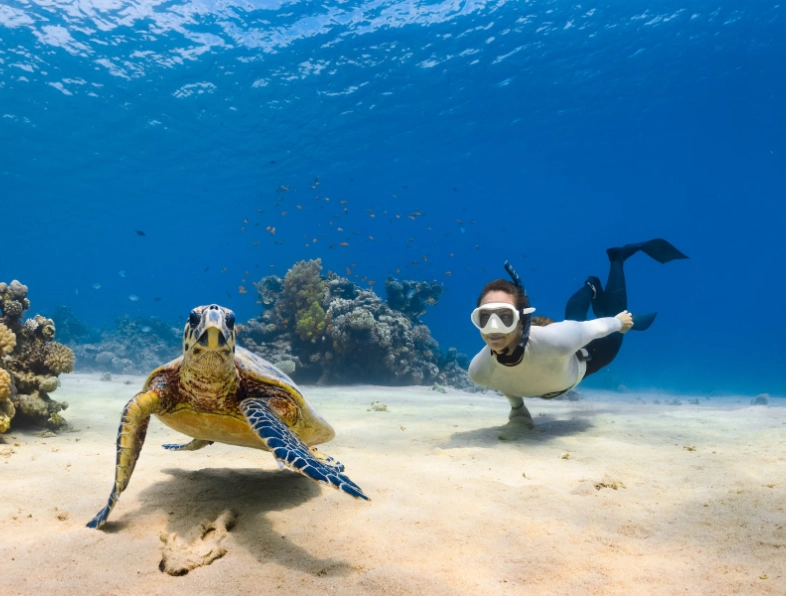
But the real star is the life. The healthy, strong currents mean the coral is fed constantly, leading to robust growth and incredible biodiversity. You're guaranteed a cast of characters: queen angelfish, midnight parrotfish, moray eels, and vast schools of grunts and snappers. With a bit of luck, the bigger players show up—nurse sharks resting under ledges, majestic eagle rays flying in formation, and the occasional dolphin passing by.
A Quick Reality Check
It's not all perfect. The very currents that make it great can be challenging for new divers. The most famous sites are on the southern reefs, which can have a 30-45 minute boat ride. And because it's so popular, some sites, especially the shallower ones, can feel busy during peak season. The key is knowing how to work with these factors, not avoid them.
Must-See Dive Sites in Cozumel: From Famous to Hidden
Dive shops will have their daily schedules based on conditions, but understanding what each site offers lets you have an informed conversation with them. Here’s a breakdown of the heavy hitters and a few lesser-known gems.
| Dive Site Name | Depth Range | Typical Visibility | Best For | The Big Draw |
|---|---|---|---|---|
| Palancar Reef | 40-100+ ft | 80-120 ft | All levels (sections vary) | Iconic coral formations, swim-throughs, sheer scale. |
| Santa Rosa Wall | 60-130+ ft | 80-100 ft | Advanced divers | Dramatic vertical wall, overhangs, big fish. |
| Columbia Deep | 70-130+ ft | 80-110 ft | Advanced divers | Incredible coral pinnacles, strong currents, pelagics. |
| Tormentos Reef | 40-70 ft | 70-90 ft | Beginner/Intermediate | Fish life! Turtles, rays, eels. A wildlife bonanza. |
| Paso del Cedral | 40-80 ft | 70-90 ft | All levels | Shallow, lush coral gardens, tons of photo ops. |
Palancar Reef is the poster child. It's not one reef but a series of colossal coral buttresses, canyons, and tunnels. The sections like Palancar Caves or Palancar Gardens offer different experiences. Don't try to see it all in one dive. Let the current take you and focus on the section you're in. A common mistake is kicking too much, trying to explore every nook—you'll exhaust yourself. Go with the flow.
Santa Rosa Wall is where you go for the thrill. You descend onto a sandy slope that just... ends. The wall is covered in black coral, sponges, and gorgonians. Look for sleeping nurse sharks in crevices. This is advanced due to depth and potential current. A common error here is divers getting too focused on the wall and losing track of their depth. Set your computer alarm.
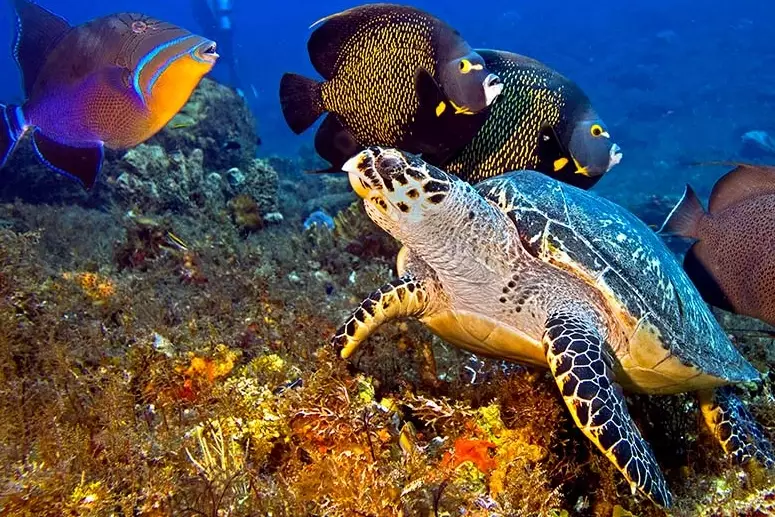
My personal favorite for action is Tormentos. It's shallower, which means longer bottom times and brighter colors. On a good day, it's a non-stop parade: a hawksbill turtle munching on sponge, a spotted eagle ray cruising by, a big green moray out hunting. It's the perfect second dive of the day.
The "Secret" Spot Most Dive Shops Won't Lead With
Ask about Punta Sur or Maracaibo. These are far south sites, often a longer ride, and are totally weather/current dependent. But if conditions align, they offer some of the most wild, pristine, and current-swept diving on the island. You might see larger pelagics. This is not for beginners, but for advanced divers looking for an adventure, it's worth inquiring.
How to Plan Your Cozumel Diving Trip: A 3-Day Sample Itinerary
Let's get concrete. Here’s how a typical 3-day diving-focused trip might look. This assumes you're flying into Cozumel International Airport (CZM) or taking the ferry from Playa del Carmen.
Day 1: Arrival & Checkout Dive
Morning: Arrive, transfer to your hotel. I recommend staying in the southern hotel zone or downtown San Miguel for easy access to marinas.
Afternoon: Do a checkout dive. Even if you're experienced, this is crucial. It lets the shop assess your skills and gets you used to Cozumel's conditions—the boat procedures, the current, the weighting you need. A great site for this is Chankanaab Reef or Paradise Reef. It's shallow, calm, and full of life.
Evening: Briefing for the next day's diving, gear prep, dinner in town.
Day 2: Southern Reef Adventure
Morning (8:30 AM): Boat departs for a two-tank dive on the southern reefs. A classic combo is Palancar Gardens (first dive, deeper) followed by Columbia Shallows or Tormentos (second dive, shallower).
Afternoon: Surface interval lunch (often provided on the boat or at a beach club). You'll be back by 2-3 PM. Relax, hydrate.
Evening: Maybe a night dive? Many operators offer them. Paradise Reef is fantastic at night.
Day 3: Walls & Wrecks
Morning: Two-tank dive focusing on walls. Santa Rosa Wall and Paso del Cedral make a great contrast.
Afternoon: Consider a non-diving activity. The Cozumel Pearl Farm tour is unique, or visit the Chankanaab Beach Adventure Park for snorkeling and sea lion shows.
Evening: Final dinner, settle bills with the dive shop.
Choosing a Dive Operator & Accommodation:
Don't just pick the cheapest. Look for shops with smaller boats (8-10 divers max), a focus on briefings, and a good safety reputation. Scuba Club Cozumel is a veteran, all-inclusive option right on the water with its own pier. For a more boutique hotel/dive package, try Blue Angel Resort or Hotel B Cozumel. A good mid-range hotel is Casa Mexicana (great breakfast, central).
- Budget Dive Package: ~$110-$140 USD for a two-tank boat dive, including gear.
- Mid-Range Hotel: ~$80-$150 USD per night.
- All-Inclusive Dive Resort: ~$200-$350 USD per night (includes room, food, 2-3 dives daily).
Practical Diving Information: Costs, Operators & Safety
When to Go: The best diving conditions are typically from April to September (calmer seas, warmer water). December to March can have stronger "nortes" (northern winds) that may limit which sites are accessible. Rainy season is summer, but rain rarely cancels dives—it's underwater that counts.
What You Need: Your certification card (PADI, SSI, etc.) and logbook. A dive computer is highly recommended, not just for safety but because drift diving makes traditional tables impractical. Most shops rent them. DAN or other dive insurance is a must.
Cost Breakdown (Approximate):
- Two-tank boat dive with guide: $90 - $130 USD.
- Full gear rental (BCD, regulator, wetsuit, computer): $25 - $40 USD per day.
- Marine Park Fee: ~$4 USD per day (often included in dive package).
- Tips for crew/guide: Standard is $5-$10 USD per tank per diver. If the crew is exceptional, tip more.
The #1 Safety Tip for Cozumel: Master buoyancy and streamline your gear before you come. In a current, anything dangling (an octopus, a pressure gauge) becomes a sail that can spin you around or catch on coral. Do a proper buddy check. Listen to the briefing—the divemaster will explain the current direction, the dive profile, and the exit procedure (usually following a line up to the boat's current line).
Always do a safety stop, even if you're well within no-decompression limits. The currents can sometimes push you up. Use that stop to look around—you'd be surprised what swims by at 15 feet.
Your Cozumel Diving Questions Answered
Scuba diving Cozumel is more than a vacation activity; it's an experience that redefines what a healthy reef can look like. By understanding the rhythm of the drift, choosing your sites wisely, and planning with the practical details in mind, you're not just going on a trip—you're setting yourself up for some of the best dives of your life. Now get your logbook ready.
Comments