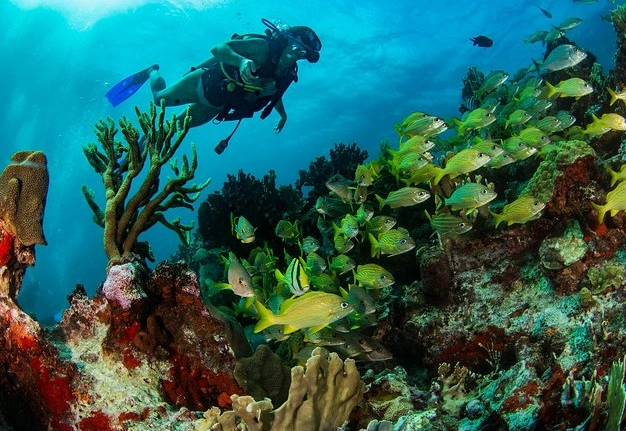
Let's cut to the chase. You're thinking about scuba diving in Cozumel for the first time. Your head is probably full of questions, maybe a bit of nervous excitement, and images of colorful fish. That's exactly how I felt over a decade ago before my first dive here. Now, after countless dives guiding beginners, I can tell you this: Cozumel is one of the best places on the planet to take that first plunge. The water is warm, the reefs are shallow and teeming with life, and the current does most of the work for you. But there's a right way and a wrong way to do it. This guide isn't just a list of facts; it's the blueprint I wish I had, packed with the nitty-gritty details you need to plan a safe, unforgettable, and surprisingly affordable adventure.
What's Inside This Guide?
Why Cozumel is a Beginner Diver's Dream
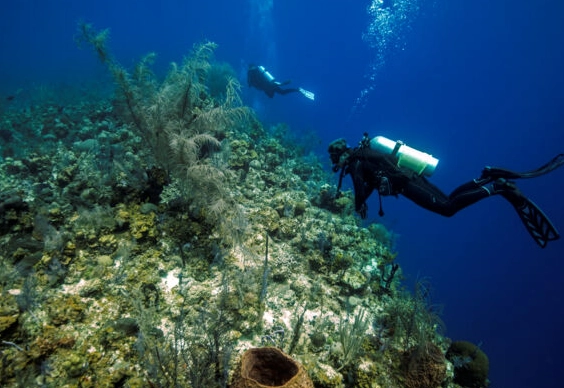
Most blogs will tell you about the clear water and marine life. That's true, but let's talk specifics. Cozumel sits on the Mesoamerican Barrier Reef, the second-largest in the world. For you, the beginner, this means the underwater landscape is a consistent, gradual slope. You're not dealing with sudden drop-offs that can be intimidating.
The water temperature hovers between 78°F (25°C) in the winter and 84°F (29°C) in the summer. You can comfortably dive in a 3mm wetsuit year-round, or even just a rash guard in the summer. This warmth matters more than you think—it keeps you relaxed, which is the single most important factor for a good first dive.
Then there's the visibility. Regularly 80 to 100 feet. You can see everything, which immediately reduces that "closed-in" feeling some new divers fear. Finally, the famous Cozumel current. It's a gentle, predictable drift along the reef. You literally float along with it, expending minimal energy. You get to focus on breathing and looking, not on kicking hard.
Your First Dive: Steps, Costs, and Choosing a Shop
You have two main paths: a Discover Scuba Diving (DSD) experience or getting a full Open Water Diver certification. Here’s the real breakdown, not the brochure version.
Discover Scuba Diving (The "Try-Dive")
This is a one-day introduction. You'll do a brief pool/confined water session in the morning to learn basics like breathing and clearing your mask, followed by one or two shallow ocean dives in the afternoon. It's perfect if you're on a tight schedule or just want to test the waters.
Cost: Typically $110 - $150 USD. This includes all gear, the instructor, and the boat trip. Always ask what's included.
Open Water Diver Certification
This is the full license, allowing you to dive anywhere in the world (with a buddy, always). In Cozumel, it's often a 3-4 day course. You'll combine eLearning (done before you travel) with pool sessions and four open water dives. Doing your certification here means your training dives are on beautiful reefs, not in a murky quarry.
Cost: $450 - $600 USD. This seems like a lot, but it's an investment in a lifetime hobby. It's often cheaper than doing it back home, and the environment is superior.
How to Pick a Dive Shop (This is Critical)
Don't just pick the cheapest or the one your hotel concierge pushes. They often get the highest commission, not the best shop.
- Group Size: Ask, point blank, "What is the maximum student-to-instructor ratio for a beginner DSD or course?" The answer should be 4:1 or lower. 2:1 is ideal. I've seen shops try to put 8 people with one instructor. It's unsafe and you get no personal attention.
- Boat Style: Smaller, faster boats (called "pangas") are better for beginners. You get to the sites quicker, and the groups are smaller. The big cattle-boats can be chaotic.
- Ask for Reviews: Don't just look at the 5-star reviews. Read the 3 and 4-star ones. Do they mention patient instructors? Good briefings? A focus on safety?
Based on my experience and consistent chatter among the dive community here, shops like Scuba Tony, Deep Blue, and Tres Pelicanos have maintained strong reputations for years for their beginner programs. They're not paying me to say this—I've just seen their boats, their briefings, and how they handle new divers. Do your own research, but start there.
Top Beginner Dive Sites in Cozumel (And What to Expect)
Not all reefs are created equal for a first dive. Your instructor will choose based on conditions, but these are the usual suspects. Here’s what you’ll actually see and feel.
| Dive Site Name | Max Depth (for beginners) | What Makes it Great for You | Marine Life You'll Likely See |
|---|---|---|---|
| Paradise Reef | 30-40 ft / 9-12 m | Very close to shore, often the first ocean dive site. Minimal current, lots of light. It's a confidence-builder. | Colorful sponges, sergeant majors, angelfish, maybe a friendly turtle munching on grass. |
| Chankanaab Reef (or "Chankanaab Bolones") | 40-50 ft / 12-15 m | A series of massive coral heads ("bolones") you can swim around and through. Feels adventurous but is very safe. | Schools of grunts, trumpetfish, moray eels peeking from holes, stunning elkhorn coral. |
| Tormentos Reef | 50-60 ft / 15-18 m | Classic Cozumel drift dive. You'll experience the gentle current carrying you past endless coral formations. It's effortless and mesmerizing. | Eagle rays gliding in the blue, large groupers, vibrant tube sponges in purple and red. |
| Palancar Gardens | 50-70 ft / 15-21 m | The shallow, southern section of the famous Palancar Reef. Less dramatic than the deep walls, but more life in the sunlight. A "greatest hits" reel. | Huge schools of snapper, spotted drum, lobsters, and if you're lucky, a nurse shark sleeping under a ledge. |
Remember, depth isn't the goal. Seeing stuff and being comfortable is. A great instructor will keep you shallower if you're nervous, even if the site "can" go deeper.
Planning Your Dive Trip: Itinerary, Logistics, and Gear
Let's build a sample 5-day trip for a beginner getting certified or doing a couple of try-dives.
Day 1 (Arrival): Fly into Cozumel International Airport (CUN). Take a taxi to your hotel in San Miguel (the main town) or the southern hotel zone. Settle in. Walk along the malecón (waterfront promenade). Have dinner. Do not dive today. Flying and diving need a 24-hour buffer.
Day 2 (Training/Pool Day): Morning start at your chosen dive shop. If doing a certification, this is your pool/confined water day. If doing a DSD, this is your theory and pool session, followed by an afternoon shallow dive at Paradise Reef. Rest afterwards.
Day 3 (Open Water Dives 1 & 2): Two morning boat dives to sites like Chankanaab and Tormentos. You'll be back by 1 pm. Spend the afternoon relaxing at a beach club like Playa Palancar or exploring the island in a rented Jeep.
Day 4 (Open Water Dives 3 & 4 or Fun Dives): Final certification dives or, if you're already certified, two more fun dives on different reefs like Palancar Gardens. Celebrate your new certification!
Day 5 (Departure or Relax): Last chance for souvenir shopping on Avenida Rafael Melgar. Remember the 24-hour rule: no diving before your flight home.
Safety First: Common Beginner Mistakes to Avoid
Here's the expert advice you won't get in the manual. I've seen these subtle errors cause more stress than anything else.
1. Not Equalizing Early or Often Enough.
You know you need to equalize your ears. But beginners wait until they feel pressure. By then, it's harder. Equalize the moment your head goes underwater, and every two feet on descent. Just pinch your nose and gently blow. If it doesn't work, signal your instructor and go up a foot. Never force it.
2. Holding Your Breath.
It's the #1 rule: breathe continuously, never hold your breath. The weird part? Beginners sometimes do it without realizing when they're focusing on a camera or a fish. Consciously check in with your breathing every minute. Slow, deep breaths in and out. This is your mantra.
3. Over-kicking and Fighting Buoyancy.
You'll wear a BCD (buoyancy jacket). A tiny puff of air from the inflator button goes a long way. Don't mash it. And on a drift dive, you barely need to kick. Flapping your fins like crazy exhausts you and scares the fish. Small, slow fin movements. Let the current carry you.
4. Ignoring the Briefing.
The instructor's briefing isn't small talk. They're telling you the depth, the current direction, what to do if you get separated, and what cool stuff to look for. Listen. Ask questions. This is the map for your dive.
FAQs for Nervous First-Time Divers
I'm a decent swimmer, but I'm claustrophobic. Will I panic underwater?
What if my mask fills up with water or I need to cough?
I'm nervous about the boat ride and jumping in. What's the procedure really like?
How can I be an environmentally responsible diver on my first try?
Is it worth getting certified in Cozumel vs. back home?
Cozumel has a way of turning hesitant beginners into lifelong divers. The combination of professional operations, ideal conditions, and breathtaking underwater scenery is hard to beat. Do your homework, pick a shop that values safety over volume, and listen to your instructor. Remember that every expert diver once took that first, unsure breath on a reef just like Paradise or Chankanaab. Your adventure is waiting.
Comments