Let's cut to the chase. Scuba diving the Riviera Maya isn't just another dive trip; it's a two-for-one underwater passport. On one side, you have the world's second-largest barrier reef, teeming with life. On the other, a labyrinth of sacred freshwater cenotes—limestone sinkholes that offer a dive experience found nowhere else on Earth. I've logged hundreds of dives here over the last decade, and I still get that kid-on-Christmas-morning feeling gearing up for a day here. But I've also seen plenty of divers make the same costly mistakes, from picking the wrong dive shop to misjudging their cenote readiness. This guide is here to make sure you don't.
Your Dive Trip Roadmap
Why the Riviera Maya is a Diver's Dream
Think of it as a choose-your-own-adventure book, but underwater. The Mesoamerican Barrier Reef runs parallel to the coast from Cancún down to Honduras. The stretch off Playa del Carmen and Cozumel is particularly vibrant. Then, just inland, the Yucatán Peninsula's porous limestone has collapsed into thousands of cenotes, creating crystal-clear freshwater pools connected by vast cave systems.
The variety is insane. One day you're drifting along a reef wall in Cozumel, watching eagle rays soar past. The next, you're suspended in the beam of sunlight piercing a cenote's cavern, feeling like you're floating in space. The water clarity in the cenotes often exceeds 100 feet—it's that good.
Pro Tip Most Guides Miss: The current in Cozumel is almost always running north to south. This means dive operators follow a standard drift dive pattern. If you're prone to seasickness, book a morning boat. The Caribbean is usually calmer then, before the afternoon winds pick up. Taking a non-drowsy motion sickness pill before you board is a game-changer.
Top Riviera Maya Dive Sites: Reefs & Cenotes
You can't do it all, so you need to prioritize. Here’s a breakdown of the must-see spots, with the gritty details you need to plan.
Iconic Reef Dives (Mostly from Playa del Carmen & Cozumel)
| Site Name | Location / Departure | Depth & Level | What You'll See | Approx. Cost (2-tank boat dive) |
|---|---|---|---|---|
| Palancar Reef | Cozumel (ferry from Playa) | 50-100ft, Intermediate | Massive coral formations, swim-throughs, turtles, big groupers. | $110 - $140 USD |
| Santa Rosa Wall | Cozumel (ferry from Playa) | 60-130ft, Advanced | Sheer wall dive, strong currents, eagle rays, sharks in the blue. | $110 - $140 USD |
| MUSA (Underwater Museum) | Cancún / Isla Mujeres | 15-30ft, All Levels | 500+ life-size sculptures, artificial reef, perfect for snorkelers too. | $90 - $120 USD |
| Barracuda Reef | Playa del Carmen (shore dive) | 40-70ft, Beginner+ | Easy access, resident green moray eels, lots of tropical fish. | $80 - $100 USD |
The ferry from Playa del Carmen to Cozumel takes about 45 minutes and costs around $15-20 USD each way. Most Cozumel dive ops will include this in a package, but always confirm.
Unforgettable Cenote Dives (Mainland Inland)
Cenote diving is a different beast. It's freshwater, often involves overhead environments (caverns, not full caves), and requires buoyancy control so good you could thread a needle. Don't let that scare you off—cavern diving in an open-water certified group is incredibly safe with a proper guide.
| Cenote Name | Nearest Town | Dive Profile | The Experience | Approx. Cost (2-tank cenote dive) |
|---|---|---|---|---|
| The Pit (El Pit) | Tulum | Advanced. Deep (up to 130ft), involves a descent past a hydrogen sulfide layer. | Eerie, beautiful. Light rays through the "mist," possible fossilized remains. | $130 - $160 USD |
| Dos Ojos | Tulum | Beginner/Intermediate. Two connected caverns, shallow (max 30ft). | The classic intro. Stunning light effects, crystal clear water, bats overhead. | >$120 - $150 USD|
| Angelita | Tulum | Advanced. Deep (100ft+). Features an underwater "river" of hydrogen sulfide. | Surreal. You dive through a cloudy "river" surrounded by dead trees. Truly unique. | $130 - $160 USD |
| Car Wash (Aktun Ha) | Tulum | Beginner. Very shallow (15-25ft), open and cavern areas. | Relaxing, lots of freshwater vegetation, lily pads on the surface, often see turtles. | $110 - $140 USD |
A critical note on cenote logistics: You'll meet your guide at a dive shop, then pile into a van for a 20-45 minute drive inland. You change at the cenote park (basic facilities). All gear is provided for these dives, including a 5mm wetsuit—the freshwater is cooler, around 75°F (24°C).
How to Plan Your Riviera Maya Dive Trip
Throwing a dart at a map of the Riviera Maya won't cut it. Where you stay dictates your daily dive commute.
Base Yourself in Playa del Carmen. This is my strongest recommendation for a first-time diving trip. It's the logistical sweet spot. You have dozens of reputable dive shops right in town for local reef dives. The ferry to Cozumel is a 10-minute walk from the main strip, Quinta Avenida. And you're only a 45-minute drive south to the Tulum cenotes. The town has all the amenities, great food, and you can walk almost everywhere.
Consider Cozumel if you're a hardcore reef enthusiast. Staying there means no ferry commute. You can be on the famous reefs in 15 minutes. But, your access to the mainland cenotes becomes a full-day expedition involving a ferry ride. It's less ideal for a mixed reef/cenote itinerary.
Tulum is for the cenote and eco-chic focus. You're closest to the best cenotes. The reef diving from Tulum itself is okay, but not as spectacular as Cozumel. You'll spend more time in vans to get to dive boats.
The Booking Hack: Don't book all your dives online months in advance from home. Book your first day or two with a highly-rated shop. Go dive with them. If you love the guide, the boat, and the vibe, book the rest of your week directly with them on the spot. You often get a better price, and you know exactly what you're getting. I've found my favorite dive masters this way.
A Sample 5-Day Diving Itinerary
Day 1 (Arrival/Check-out Dive): Land in Cancún (CUN). Transfer to Playa del Carmen (1 hr). Settle in. Do an afternoon shallow reef dive from Playa to check your gear and buoyancy. Barracuda Reef is perfect.
Day 2 (Cozumel Reefs): Early ferry to Cozumel. Two-tank boat dive on the southern reefs (Palancar, Columbia). Late afternoon ferry back. Exhausted. Eat tacos.
Day 3 (Cenote Introduction): Van pickup from your Playa hotel. Two-tank cenote dive at beginner-friendly sites like Dos Ojos and Car Wash. Back in Playa by 3 PM. Relax.
Day 4 (Advanced Cenote or Reef): Choose your adventure. Either a second cenote day at a site like The Pit (if certified/experienced), or another Cozumel day focusing on different sites like Santa Rosa Wall.
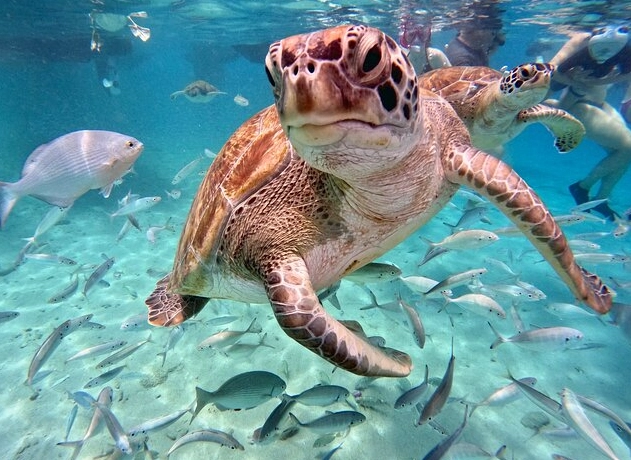
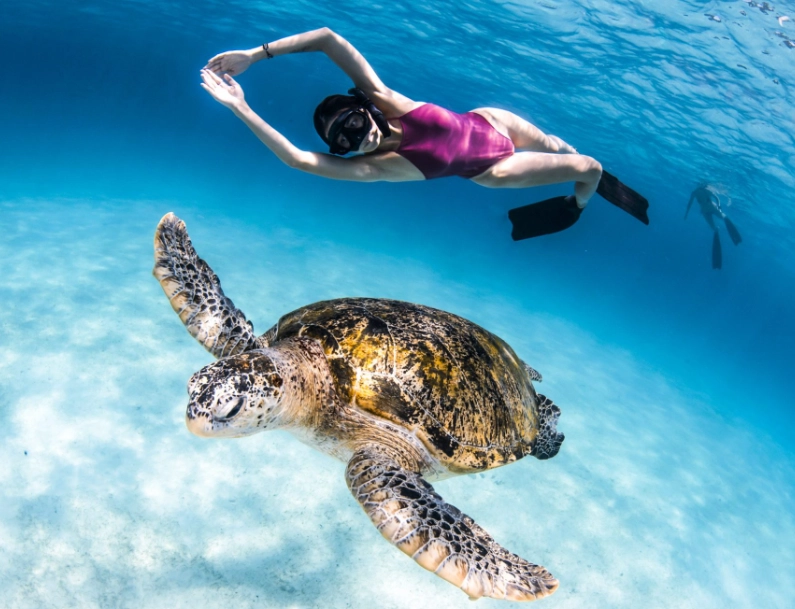
Day 5 (Flex Day): Maybe a fun dive, or a snorkeling trip to Akumal Bay to swim with sea turtles. Or just recover on the beach.
Common Mistakes to Avoid (From a Local's Eye)
I've seen these too many times.
Mistake 1: Underestimating the Cenote Freshwater Buoyancy Change. You sink faster in fresh water. Divers often forget to add a couple more pounds of weight. The result? They fight their buoyancy the whole dive, kick up silt, and ruin the visibility for everyone. A good guide will correct this, but test your buoyancy at the start of the dive.
Mistake 2: Not Verifying the Dive Operator's Credentials. Especially for cenotes. Ask: "Are your cavern guides SSI Cave Diver or GUE Cave 1 certified?" Any reputable shop will proudly say yes. This isn't the place for a bargain-bin operator.
Mistake 3: Trying to Pack Cozumel and Cenotes on Consecutive Days. It's draining. The ferry, the vans, the early starts. Put a beach or town day in between. Your body will thank you.
Mistake 4: Touching Anything in the Cenotes. The rock formations are fragile. The haloclines (layers of fresh and salt water) are delicate. Perfect buoyancy isn't just a skill here; it's an ethic.
Your Diving Questions Answered
I'm Open Water certified. Which cenotes are actually safe for me?
Stick to the designated "cavern zone" dives. Dos Ojos (the Barbie Line), Car Wash (Aktun Ha), and Chac Mool are perfect examples. You're always in sight of natural light and the entrance. A true cavern guide will brief you on the permanent guideline and the "rule of thirds" for air management. If a shop tries to take a new Open Water diver to The Pit or Angelita, walk away.
What's the one piece of gear I should bring for Riviera Maya diving?
A good dive computer you're familiar with. Rental ones are often basic. For cenotes, you'll want to clearly see your depth and no-fly time. For Cozumel reef drift dives, it helps the group stay together by monitoring bottom time. Second to that, bring a reef-safe sunscreen for the surface intervals. Many shops now require it.
How do I choose between all the dive shops in Playa del Carmen?
Ignore the big, flashy signs on Quinta Avenida. Look for shops that are a block or two off the main tourist drag. Read recent reviews focusing on guide competence and boat quality, not just "fun." Email them. Ask about their group size (6-8 divers per guide is ideal), their boat specs, and their cenote guide credentials. A thoughtful, detailed reply is a great sign.
Is the diving here still good given reports of coral bleaching?
It's a mixed picture, which is why responsible diving matters more than ever. The Cozumel reefs are generally healthier and more resilient than those closer to shore. You will see areas of bleaching, a stark reminder of climate change. But you'll also see vast areas of vibrant, colorful coral and huge fish populations. Supporting eco-conscious dive operators who practice proper buoyancy, avoid anchors, and educate divers is the best way to help.
The Riviera Maya delivers. It's that simple. With the right planning—picking the right base, choosing a professional dive shop, and balancing your dive days—you're set for an underwater adventure that ticks off two world-class diving environments in one trip. Just remember to look up from your dive computer every now and then. The view is pretty good down there.
Comments