You're planning a trip to Cancun and wondering if you should squeeze in a scuba diving trip. The short answer? A resounding yes, but with some important caveats. Having logged dives there over several seasons, I can tell you Cancun offers a unique and accessible gateway to the world's second-largest barrier reef. However, whether it's "worth it" for you depends entirely on what you're looking for, your experience level, and how you plan your dive.
This isn't a generic list of dive shops. We're going deep on what makes Cancun diving special, what can be disappointing, and how to ensure your money and time underwater are well spent.
What You'll Find in This Guide
Why Cancun Diving is a Top-Tier Caribbean Experience
Let's cut to the chase. Cancun sits on the northern tip of the Great Maya Reef (also called the Mesoamerican Barrier Reef System). This isn't some isolated patch of coral. It's a massive, living structure stretching over 600 miles. The water is consistently warm (78-84°F / 25-29°C) with visibility often exceeding 100 feet.
The real magic is the variety packed into a relatively small area. Within a 30-60 minute boat ride from the Hotel Zone, you can experience three distinct underwater worlds:
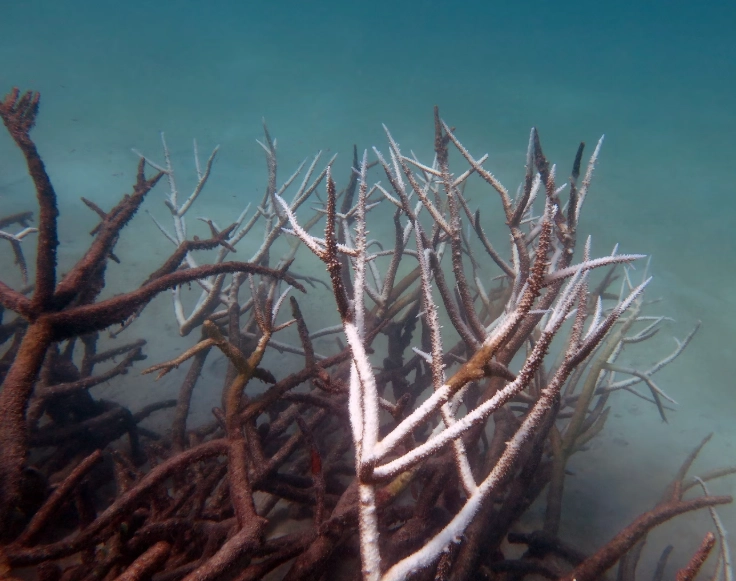
- The Reef: Vibrant coral gardens teeming with tropical fish, perfect for beginners and leisurely dives.
- The Shipwrecks: Purpose-sunk wrecks like the C-58 minesweeper, now artificial reefs covered in sponges and home to large schools of fish.
- The Freshwater Cenotes: A unique geological feature of the Yucatan Peninsula. Diving in these crystal-clear limestone sinkholes is like floating through submerged cathedrals with beams of light slicing through the darkness. This is world-class, bucket-list diving, though it requires advanced buoyancy skills.
One underrated aspect? The infrastructure. Cancun is built for tourism, which means finding a reputable dive operator, getting gear serviced, or taking a last-minute PADI course is incredibly easy. You won't find this level of convenience in more remote diving destinations.
My Take: The proximity of reef, wreck, and cenote diving is unmatched in the Caribbean. You can do a relaxed reef dive in the morning and be exploring a hauntingly beautiful cenote by the afternoon. That flexibility adds tremendous value.
Comparing Cancun's Must-See Dive Sites
Not all dive sites are created equal. Picking the right one for your skill level and interests is key. Here’s a breakdown of the headline acts.
| Dive Site Name | Type | Max Depth | Skill Level | What You'll See | The Vibe |
|---|---|---|---|---|---|
| MUSA (Underwater Museum of Art) | Artificial Reef / Sculptures | >30-40 ftBeginner+ | 500+ life-sized statues, coral growth, angel fish, snappers. | Unique, surreal, photogenic. Can feel crowded. | |
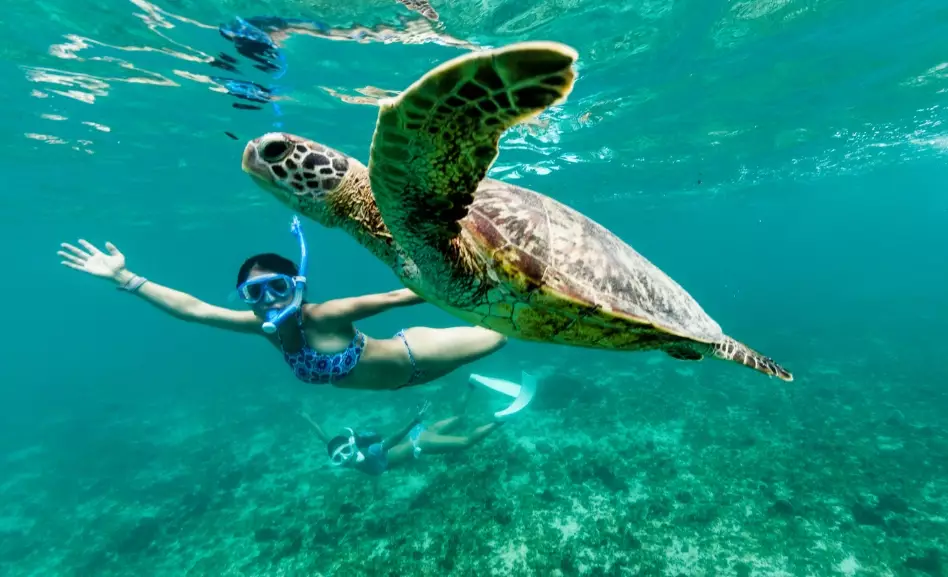
| El Garrafón (Isla Mujeres) | Shallow Reef | >20-40 ftBeginner / Snorkeler | Calm water, colorful brain corals, parrotfish, occasional turtles. | Relaxed, family-friendly. Part of a national park. | |
| C-58 Minesweeper Wreck | >Shipwreck >80 ft (deck at 55ft)Advanced Open Water | A 58-meter warship, giant barracuda, moray eels, schooling jacks. | Atmospheric, adventurous. Strong currents possible. | ||
| Manchones Reef | >Barrier Reef >40-60 ftAll Levels | Sponges, sea fans, eagle rays, nurse sharks, lobster. | Classic Caribbean reef diving. Reliable and beautiful. | ||
| The Pit Cenote (Tulum area) | >Freshwater Cenote >130+ ft (cavern zone ~40ft) >Full Cave/Advanced Cavern Cert. >Halocline, hydrogen sulfide cloud, fossil beds, light beams. >Otherworldly, advanced technical dive. Not for beginners.
The MUSA is fascinating, but here's a tip most blogs miss: go on the earliest boat possible. By 11 AM, it can feel like underwater rush hour with snorkelers and divers from countless boats. For a more serene wreck experience, the C-58 is superior to the more famous C-53 wreck, which often has silt issues from inexperienced divers.
How Much Does Scuba Diving in Cancun Really Cost?
Let's talk numbers. Cancun isn't the cheapest dive destination, but it's not the most expensive either. You're paying for convenience and well-maintained boats. Here’s a realistic breakdown for 2024.
Two-Tank Reef Boat Dive: $90 - $130 USD. This is the standard offering. Price varies by operator, boat size (smaller = pricier but better), and whether it includes park fees (e.g., for MUSA or El Garrafón).
Discover Scuba Diving (Beginners): $120 - $160 USD. Includes pool/confined water training and a guided ocean dive.
Cenote Dive (Two Tanks): $140 - $180 USD. Higher due to specialized guides, equipment (often includes a flashlight), and transportation to the cenote site, which can be an hour's drive south.
Equipment Rental (Full Set): $25 - $40 USD per day. Most dive packages include tanks and weights. Regulator, BCD, computer, and wetsuit are usually extra.
PADI Open Water Referral or Full Course: $400 - $600 USD. Many people do the classroom/pool work at home and complete their open water dives in Cancun (a "referral"), which costs less.
A common mistake is booking the absolute cheapest dive op you find online. That often means a crowded boat, rushed briefings, and a guide herding 8-10 divers. Spending an extra $20-30 for a smaller operation with a 6-diver max ratio dramatically improves the experience. It's worth it.
Who is Cancun Diving Perfect For (And Who Might Be Disappointed)
You'll Probably Love It If:
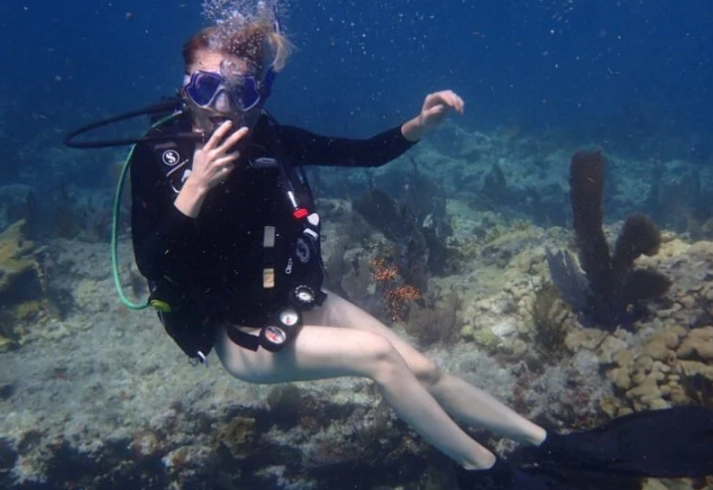
- You're a beginner or newly certified diver. The shallow, calm reefs are an ideal training ground.
- You're on a mixed-activity vacation with non-divers. You can do a morning dive and be back for lunch and beach time.
- You want to try cenote diving without a full cave diving commitment. Many operators offer "cavern" dives in cenotes like Dos Ojos, which stay within the daylight zone and are suitable for advanced open water divers.
- You value ease and logistics. Everything from booking to gear rental is streamlined.
You Might Be Disappointed If:
- You're a hardcore macro photography enthusiast seeking rare critters. The reefs are healthy but the biodiversity for tiny stuff isn't as rich as Southeast Asia or the Pacific.
- You crave complete isolation and pristine, untouched reefs. These are popular sites. For that, you'd need to take a liveaboard to more remote parts of the reef system.
- You're on an extremely tight budget. While not exorbitant, it's not a bargain-basement destination.
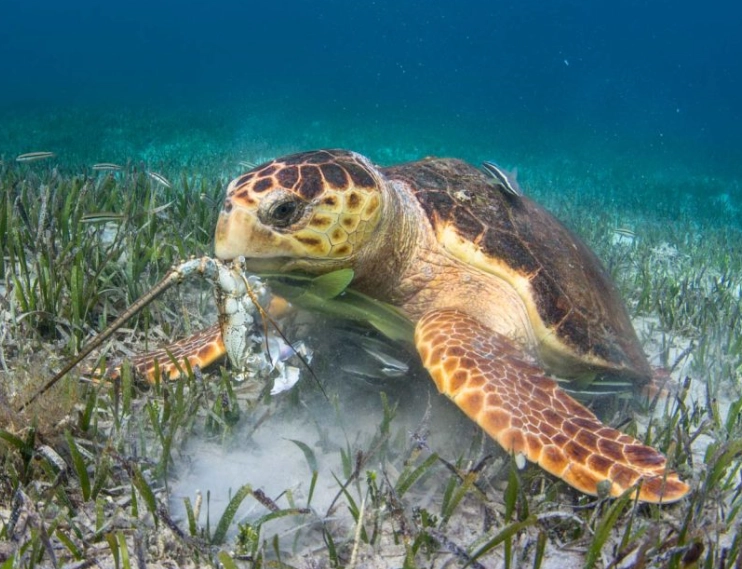
I once met a diver who was furious he didn't see a shark on his two-tank reef dive. Managing expectations is crucial. You might see nurse sharks, eagle rays, or turtles, but seeing large pelagics is less common on the standard reef dives close to shore.
Planning Your Dive: A Step-by-Step Guide
To make it worth it, you need a plan. Don't just show up.
1. Choose Your Operator Wisely. Look for shops with small groups (6-8 divers max). Read recent reviews on TripAdvisor and ScubaBoard. I lean towards operators that are also PADI 5-Star IDC Centers – it often indicates higher training standards for their staff. Reputable names include Phantom Divers, Scuba Cancun, and Dive Mike. Don't book through a generic hotel tour desk; go direct.
2. Book in Advance, Especially for Cenotes. Good guides for cenote dives get booked up. Secure your spot a week or two ahead.
3. Pack Smart. Bring your certification card, logbook, and a rash guard or thin wetsuit (3mm is plenty). The sun is intense; reef-safe sunscreen is a must for before/after the dive.
4. Consider the Season. December to April offers the best weather. June to November is hurricane season; diving can still be great, but trips are more likely to be canceled for weather.
5. Build a Sample Itinerary. Here’s what a perfect 3-day diving stint could look like:
Day 1: The Warm-Up
Morning: Two-tank boat dive to Manchones Reef and the MUSA. Get acquainted with the warm water and visibility.
Afternoon: Relax, hydrate. Wander around La Isla Shopping Village.
Evening: Dinner at Lorenzillo's (famous for lobster).
Day 2: Adventure Day
Full Day: Cenote diving trip to the Tulum/Riviera Maya area. A two-tank cenote dive (like Dos Ojos and The Pit or similar) with a professional guide. This is a full-day excursion with travel.
Evening: Low-key dinner back in Cancun.
Day 3: The Wreck & Wrap-Up
Morning: Advanced dive to the C-58 Minesweeper (if certified).
Afternoon: Final shallow reef dive or a snorkeling session at El Garrafón.
Evening: Celebrate with drinks at a rooftop bar.
Your Burning Questions About Diving in Cancun
So, is scuba diving in Cancun worth it? For the vast majority of divers, especially those looking for variety, convenience, and warm, clear water, the answer is yes. Its strength isn't in being the most remote or exotic destination, but in being a remarkably complete and accessible package. You get reliable reefs, fascinating wrecks, and access to the unique wonder of cenotes, all with the infrastructure to make it easy. Manage your expectations, choose your operator carefully, and focus on buoyancy. Do that, and your time underwater in Cancun will absolutely be worth it.

Comments