Let's cut to the chase: diving in a Mexican cenote isn't just another dive. It's like swimming through liquid sky inside the bones of the earth. I've been guiding divers here for over a decade, and the look on someone's face when they first drop into that blinding blue light of Gran Cenote never gets old. But here's the thing most blog posts gloss over—it's also a place where complacency gets you hurt. This guide won't just list cenotes; it'll give you the real, unvarnished details on how to do it right, safely, and without blowing your budget. We're talking exact prices, the cenotes that are actually worth your time (and the one that's massively overhyped), and the one safety rule I see divers break every single week.
Quick Dive Plan: What You'll Find Here
What Makes a Cenote So Special for Divers?
Forget everything you know about ocean diving. Cenotes are freshwater sinkholes formed when limestone bedrock collapses, revealing a connected network of flooded caves and caverns underneath the Yucatan Peninsula. There are thousands, but only a handful are set up for safe diving.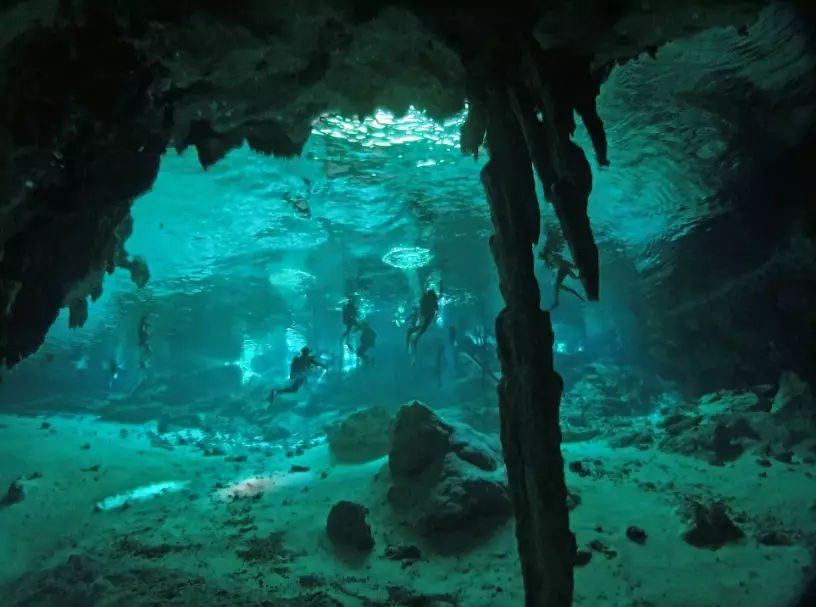
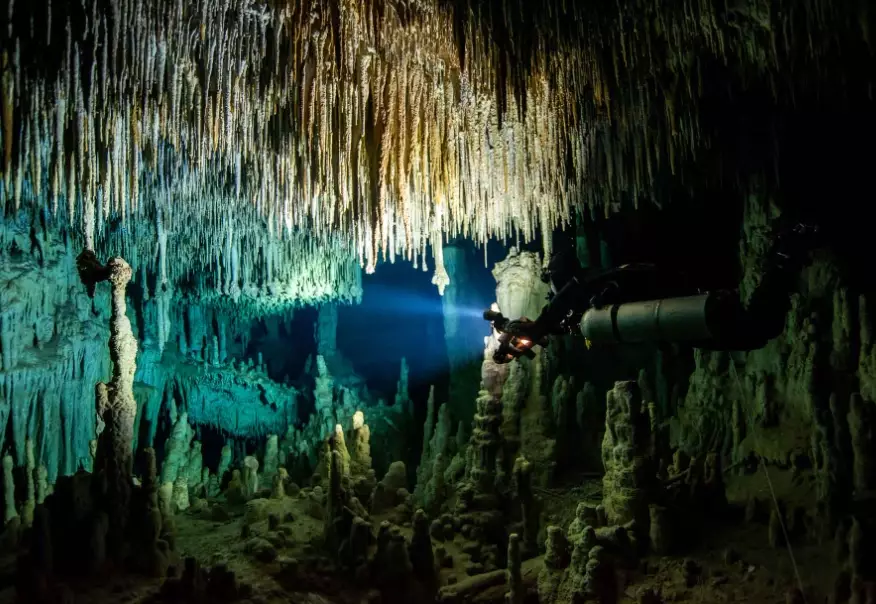
The magic is in the water. It's filtered through rock for centuries, resulting in visibility that can exceed 100 meters—you feel like you're floating in air. Then there's the halocline, a surreal layer where fresh water meets salt water, creating a shimmering, blurry distortion like a heat haze. Sunbeams spear down from jungle openings above, illuminating ancient stalactites and fossilized remains. It's a geological time capsule.
But this isn't a Disney ride. The environment is fragile. A single careless fin kick can cloud the water for hours or break formations that took millennia to grow. That's why reputable operators are so strict.
The Non-Negotiable Safety Rules for Cenote Diving
This is the most important section. I've pulled bodies out of caves. It's not pretty.
Here’s what you actually need to know:
- Certification: To do a guided cavern dive, you need at least an Open Water Diver certification. Any decent operator will require proof. For some more advanced cenotes like The Pit, an Advanced Open Water cert is often mandatory due to depth.
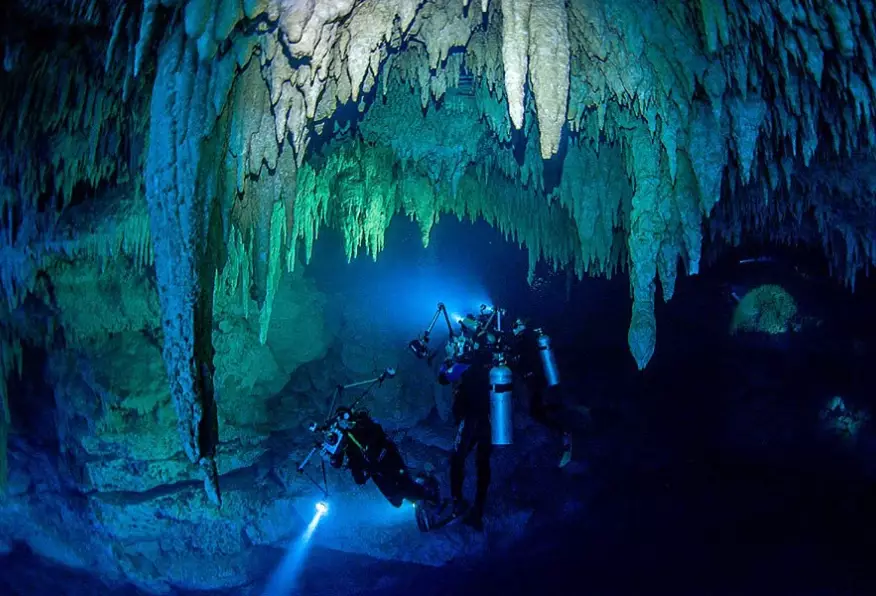
- The Guide is Law: You must dive with a local, certified cavern guide. No exceptions. They know the specific routes, hazards, and protocols. This isn't the place for a "do your own thing" mentality.
- Gear Protocol: You'll use slightly different gear. No dive computers on wrists—they get snagged. They're attached to your BCD. You'll likely use a simple, rugged regulator without extra hoses dangling. Gloves are usually forbidden to prevent you from grabbing things.
- The Golden Rule: Never, ever swim ahead of your guide. They control the pace, the route, and the air management. The most common mistake I see? Divers getting excited by the view and kicking ahead to get a photo. That's how you get lost in a side tunnel.
One specific, rarely mentioned tip: manage your buoyancy with your lungs, not your BCD. In the cavern zone, you're constantly moving up and down through arches and tunnels. Tiny, controlled breaths are your best tool for fine-tuning height. Fiddling with your inflator constantly creates bubbles that damage the ceiling.
The Top Cenotes for Diving in the Yucatan
Not all cenotes are created equal. Some are crowded snorkel pools, others are advanced cave systems. Here are the three that consistently deliver the best experience for divers, based on accessibility, wow factor, and overall value.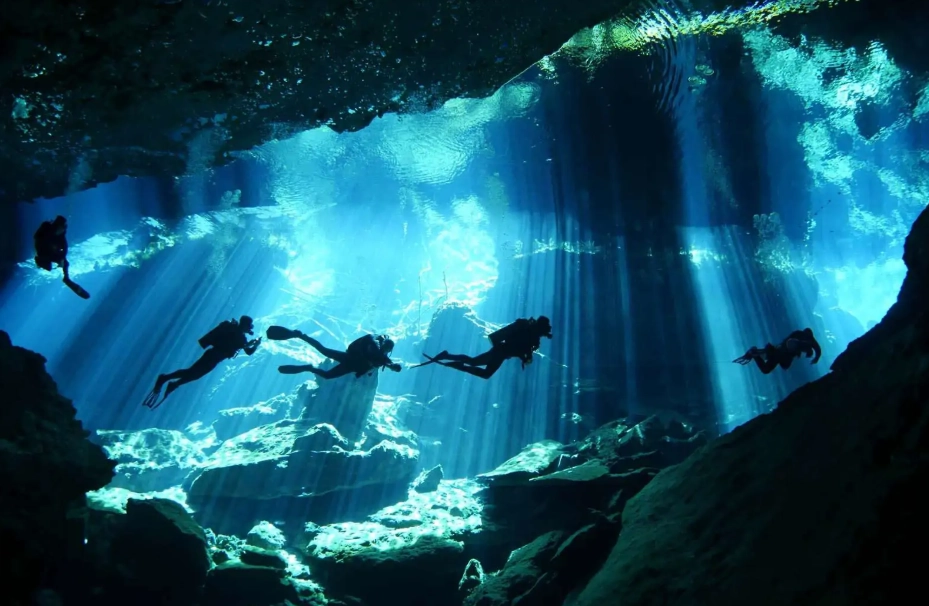
1. Gran Cenote (The Classic)
This is the poster child for a reason. It's perfect for a first cenote dive.
Location: About 4 km west of Tulum on the road to Cobá. The address is Carretera Federal, Cancun - Chetumal Km 2300, 77796 Tulum, Q.R. You'll see the signs.
What to Expect: It's a series of connected open pools and caverns. You'll swim through stunning underwater rock gardens, see massive stalactites, and almost always spot turtles. The light play is incredible. It's shallow (max depth around 10 meters), well-lit, and not too intimidating.
Logistics & Cost: Open daily from 8:00 AM to 4:45 PM. Entrance fee is around $20 USD for divers. A two-tank guided cavern dive here with a reputable shop like Cenote Xperts or Phantom Divers will cost between $120-$150 USD, including gear, guide, and entrance. Book at least a day in advance.
My Take: It can get busy with snorkelers by midday. Go for the earliest dive slot (8:30 AM) to have the place to yourself. The underwater photography opportunities here are unmatched for beginners.
2. Dos Ojos (The Adventure)
"Two Eyes" is a massive system and a step up in adventure from Gran Cenote.
Location: North of Tulum, off Highway 307. Follow signs for Dos Ojos. The parking and facilities are more developed.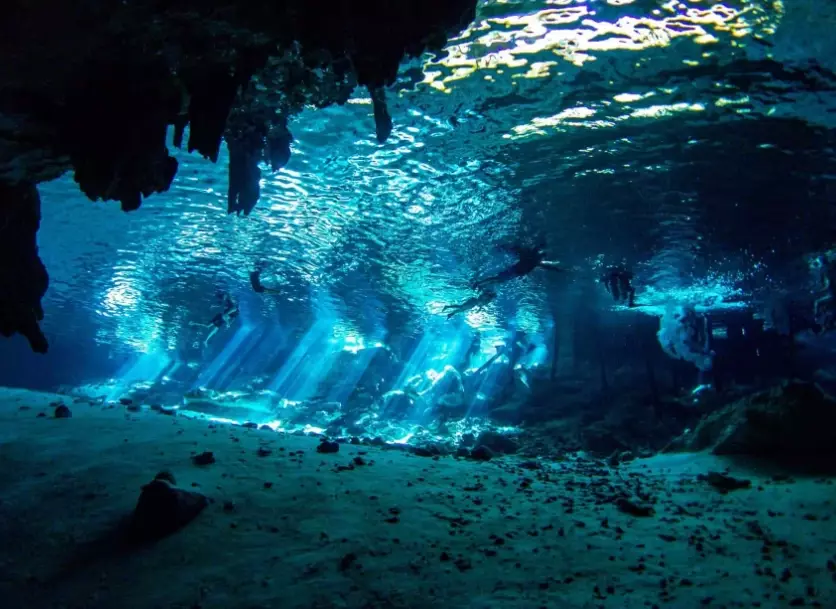
What to Expect: You dive between two main cenote "eyes" connected by a long, breathtaking cavern passage. The Barbie Line is the famous route, known for its ethereal blue light and crystal clarity. It feels more like a proper cave dive but remains in the cavern zone. Depth is still manageable, around 10-12 meters.
Logistics & Cost: Open 8:00 AM to 5:00 PM. Diver entrance is about $25 USD. A two-tank dive here is slightly more expensive, around $130-$160 USD. This is where you really appreciate a good guide—the route isn't linear, and they'll show you hidden chambers.
My Take: The water here is perhaps the clearest you'll ever see. It's a longer, more immersive dive. I prefer this over Gran Cenote for a second dive day because it feels more exploratory. Avoid the weekend rush.
3. The Pit (The Deep Dive)
This is for certified Advanced divers who are comfortable with depth. It's intense.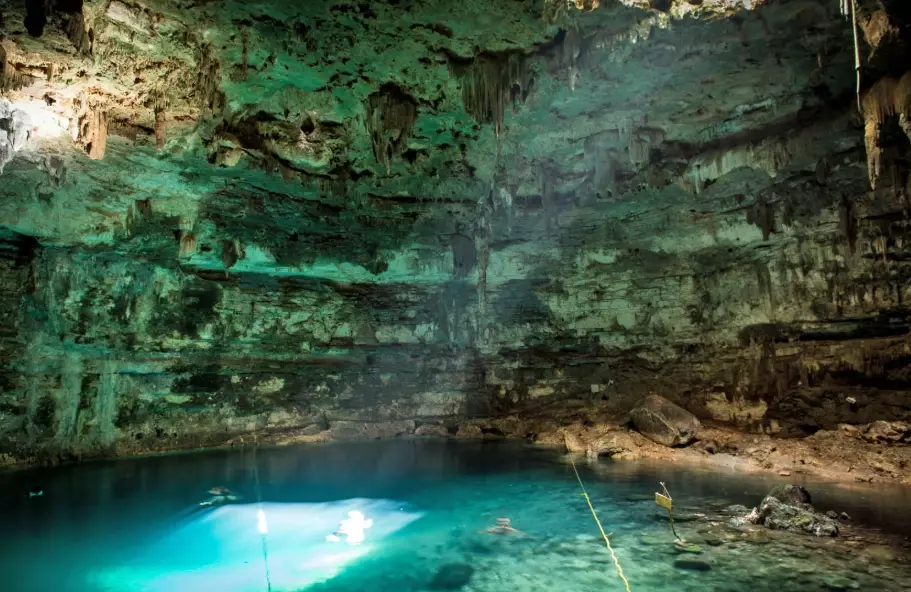
Location: In the same complex as Dos Ojos, but a different entry point.
What to Expect: A sheer, deep vertical shaft that drops down to about 40 meters. You descend along a guideline into gloom, passing through a haunting hydrogen sulfide cloud (looks like fog) around 30 meters. Below it, the water clears again, and you can look up to see the light from the entrance far above—a truly spine-tingling view. It's dark, deep, and serious.
Logistics & Cost: Requires Advanced Open Water certification, and many shops will want to see your deep dive specialty or recent deep dive experience. It's usually done as a single, deep dive paired with a shallower one at Dos Ojos. Total cost for the two-tank combo can be $150-$180 USD.
My Take: This is not a dive for buoyancy novices. The hydrogen sulfide layer can disorient you. It's spectacular, but overhyped for new divers. If depth makes you nervous, skip it. There's no shame in that. The best part is actually the view from below looking up.
How to Plan Your Cenote Diving Trip
Let's make this actionable. Here’s a sample 3-day diving itinerary based in Tulum, which is the undisputed hub for cenote access.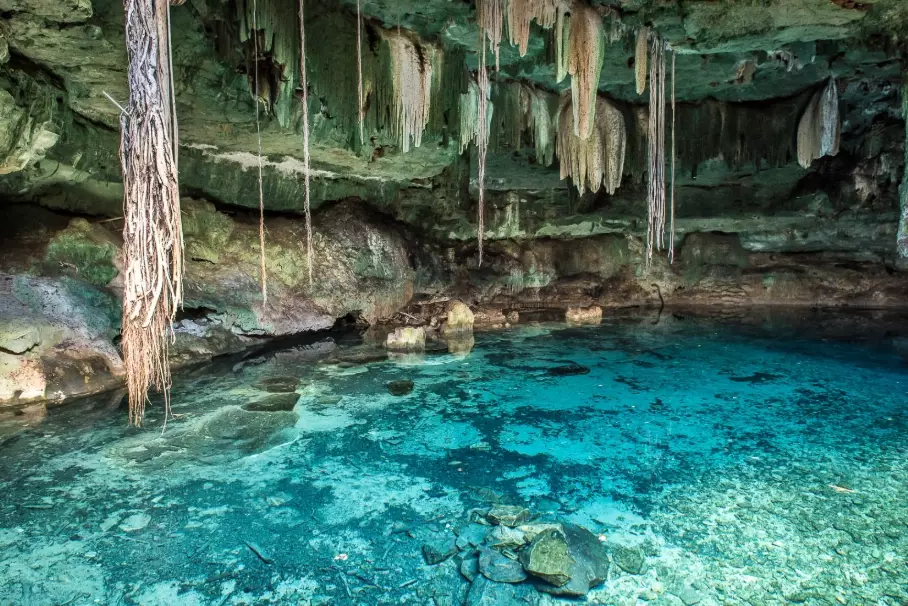
Base Yourself: Tulum town (not the expensive beach hotel zone). It's central, has affordable accommodation, and all the dive shops are here. Playa del Carmen is a second option, but you'll spend 45+ minutes in a van each way.
Sample 3-Day Plan:
- Day 1 (Arrival & Briefing): Fly into Cancun (CUN). Take the ADO bus (about $20, 2 hours) directly to Tulum. Check into your hotel. In the afternoon, visit your pre-booked dive shop for a briefing, gear fitting, and to show your certifications. Rest. No flying after diving tomorrow.
- Day 2 (First Dives - Gran Cenote): 7:30 AM pickup from your hotel. Dive two tanks at Gran Cenote. You'll be back in Tulum by 2:00 PM. Spend the afternoon relaxing at a beach club or visiting Tulum ruins.
- Day 3 (Advanced Dives - Dos Ojos & The Pit): Another early start. Dive The Pit first (deep dive when you're freshest), then do the Barbie Line at Dos Ojos. Back by mid-afternoon. Your last dive finishes by 1 PM, so you could theoretically take a late evening flight out, but I'd recommend one more night to be safe.
Budget Breakdown (Per Diver):
- Diving: $300-$400 for two days of two-tank guided dives (includes gear, guide, cenote entry fees).
- Accommodation (Tulum): $50-$100 per night for a decent hotel or Airbnb.
- Food: $30-$50 per day.
- Transport: ADO bus from Cancun Airport ~$20 each way. Local taxis/collectivos for dive days are usually included in the dive package pickup.
Your Cenote Diving Questions Answered
There you have it. Cenote diving is more than a checklist item; it's a shift in how you think about diving. It demands respect, precision, and a sense of wonder. Do your homework, choose your guide wisely, and you'll walk away with stories that beat any coral reef dive. Just remember to watch those fins.
Your comment