Forget everything you think you know about diving. Cave diving in Mexico's Yucatan Peninsula isn't just another dive; it's a journey into a liquid universe of light, shadow, and ancient geology. Imagine floating through crystal-clear freshwater, past million-year-old stalactites, where shafts of sunlight pierce the darkness like spotlights. This isn't the ocean. This is the Yucatan's secret world of cenotes – natural sinkholes that are the gateways to the world's most extensive underwater cave systems. I've logged hundreds of dives here over the years, and I can tell you, it's a pilgrimage every serious diver needs to make at least once.
Your Quick Dive Map
What is Cave Diving in Yucatan? It's Not What You Think
First, let's clear something up. When people say "cave diving in Yucatan," they're often talking about cenote diving. A cenote (pronounced seh-NO-tay) is a natural pit or sinkhole resulting from the collapse of limestone bedrock, exposing the groundwater underneath. The Yucatan has no rivers on the surface; all the water flows through this vast, porous limestone, carving out incredible caverns and tunnels. Most divers start in what's called the "cavern zone" – the area near the entrance still within natural light. True cave diving, venturing into the dark passages beyond the light, requires specialized technical training. For 95% of visitors, the breathtaking cavern dives are the main attraction.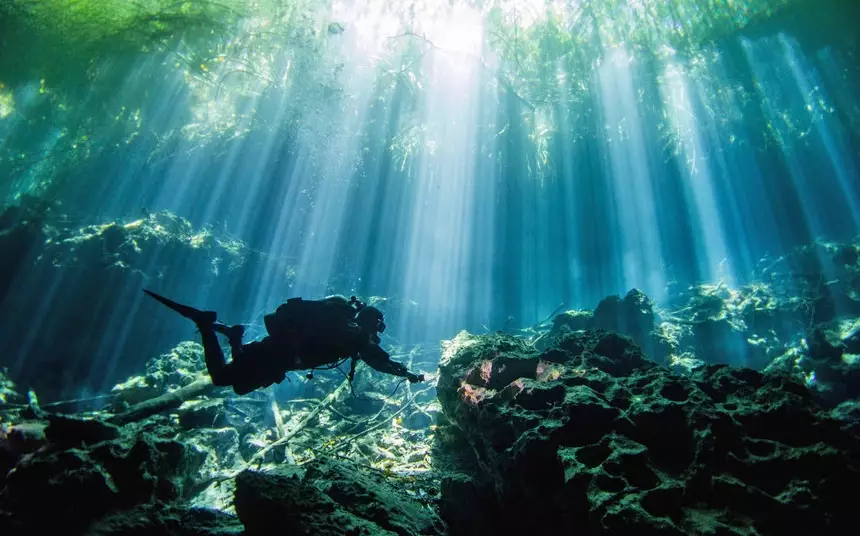
Key Difference: Cavern Diving = Always within sight of the entrance/exit and natural light. Requires an overhead environment specialty or guided tour. Full Cave Diving = Going beyond the light zone, requiring extensive technical certification (like TDI/ IANTD Cave Diver). Do not attempt the latter without proper training.
Why Yucatan Cenotes Are a Global Diving Phenomenon
The hype is real. The visibility often exceeds 100 feet (30 meters) year-round because it's filtered rainwater, not saltwater with plankton. The water is a constant, comfortable 77-78°F (25-26°C). But the real magic is the geology. You're swimming through history – past formations that grew drop by drop over millennia. The play of light creates scenes that feel otherworldly. One minute you're in a sun-dappled garden of underwater vines, the next you're watching a light beam so sharp you feel you could touch it. It's also incredibly accessible. The main cenote belt is a short drive from the tourist hubs of Playa del Carmen and Tulum.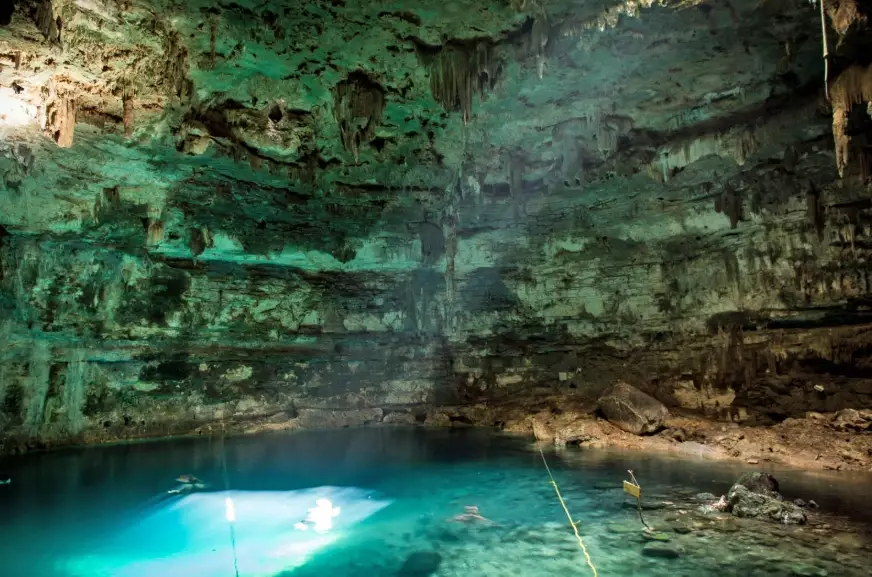
Top Cenotes for Every Diver Level: From First-Timers to Experts
Not all cenotes are created equal. Some are gentle, open pools perfect for a first try. Others are deep, complex systems. Here’s a breakdown of the must-visit sites, with the practical details you need to plan.
| Cenote Name | Location (Near) | Best For | Key Feature | Approx. Entry Fee & Hours |
|---|---|---|---|---|
| Gran Cenote | Tulum (10 min drive) | Beginners, Snorkelers | Two connected caverns, turtles, incredible light. Very popular. | $15-20 USD. 8:00 AM - 5:00 PM. |
| Dos Ojos ("Two Eyes") | Highway between Playa & Tulum | All levels, iconic dives | Two connected cenotes. The "Barbie Line" has stunning blue halocline effects. | $18 USD + guide fee. 8:00 AM - 5:00 PM. |
| The Pit | Same road as Dos Ojos | Advanced Open Water+ | Deep (40m+) cenote with a hydrogen sulfide cloud layer and eerie light beams. | Access usually via dive shop. Requires deep dive cert. |
| Calavera (Temple of Doom) | Tulum | Adventurous divers | Three holes in the ground. A fun, slightly spooky jump-in. Less crowded. | $10-15 USD. 9:00 AM - 4:00 PM. |
| Angelita | South of Tulum | Advanced/Technical divers | Famous for its "underwater river" – a cloudy hydrogen sulfide layer at 30m. | Access via guided dive only. Requires advanced certification. |
A common mistake I see? Divers try to rush 3 cenotes in a day. Don't. The travel, gearing up, and briefing eat time. Two dives max per day is the sweet spot. It lets you savor each site without becoming task-loaded.
My Personal Favorite: The Dos Ojos Barbie Line
If you do one dive, make it this. It's not deep, maybe 10 meters max. You swim along a guideline (the "Barbie Line" because it's pink) through a wide tunnel. The sunlight from the entrance behind you turns the water into liquid sapphire. Then you hit the halocline – where fresh water sits on top of saltwater, creating a surreal, wavy mirror effect that distorts everything. It feels like flying through a dream. I've done it two dozen times, and it never gets old.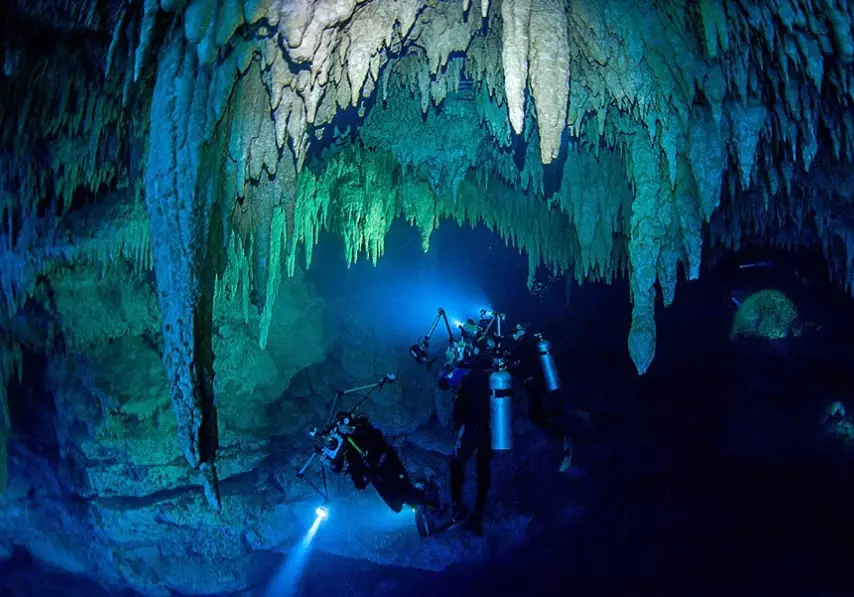
How to Plan Your Yucatan Cave Diving Trip: A Step-by-Step Guide
Planning is everything. You can't just show up.
Step 1: Certification Check. You need at least Open Water Diver for most guided cavern tours. For deeper or more complex sites like The Pit, Advanced Open Water is often mandatory. No shop worth its salt will take an uncertified diver into an overhead environment.
Step 2: Choose Your Base. Playa del Carmen is central, full of dive shops, and has more nightlife. Tulum is closer to many top cenotes but feels more rustic. I prefer Playa for the convenience and variety of operators.
Step 3: Pick a Dive Operator. This is critical. Look for shops that emphasize small groups (4-6 divers per guide max). Ask if the guide is a full cave diver (not just a DM) – their knowledge of the systems is deeper. Reputable local operators include Zero Gravity Divers and CenoteXperience. Always check recent reviews.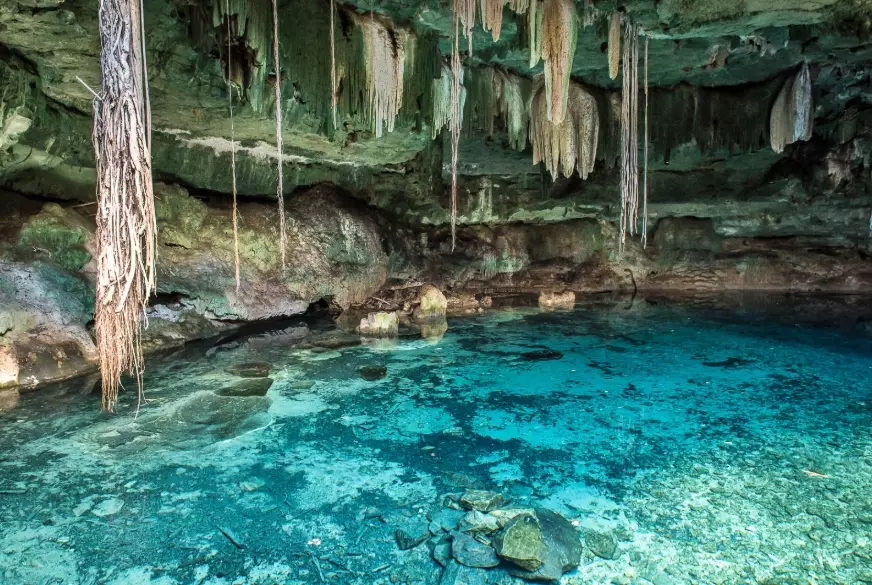
Step 4: Build Your Itinerary. A classic 3-day diving plan:
- Day 1: Morning check-out dive in a pool or easy cenote (like Gran Cenote) to get used to buoyancy in freshwater. Afternoon dive at a site like Casa Cenote (open, mangrove roots).
- Day 2: The famous Dos Ojos system. Do both the "Barbie Line" and the "Bat Cave" line if you're up for it.
- Day 3: Something more adventurous based on your skill. Calavera or a deeper dive like The Pit (if certified).
Budget around $120-$180 USD for a two-tank guided cenote trip, including gear, guide, and park fees. It's more expensive than ocean diving, but you're paying for expert guidance in a unique environment.
Safety First: The Non-Negotiables of Cave Diving
This is the most important section. The rules here are not suggestions.
1. Never Dive Alone. Ever. You must be with a qualified guide or certified cave-diving buddy. Full stop.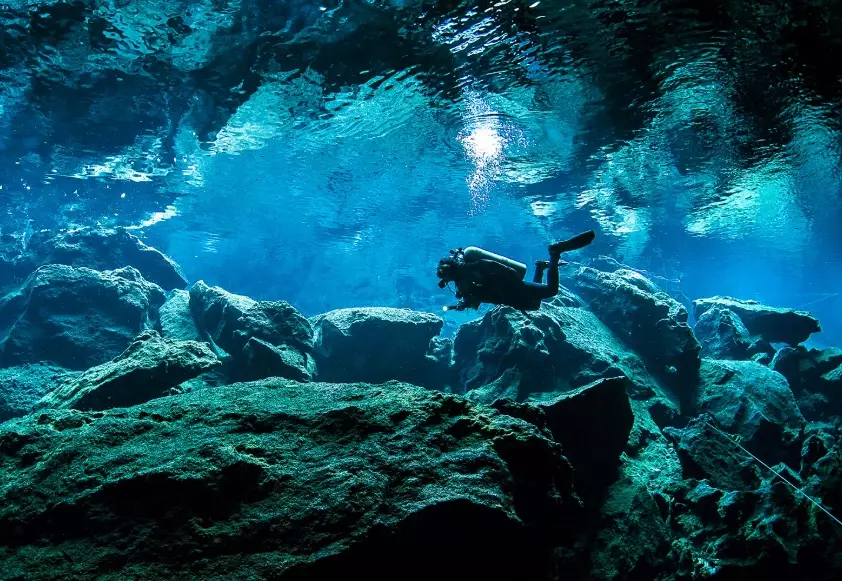
2. Buoyancy is King. You must have perfect neutral buoyancy. Kicking up silt destroys the visibility for everyone and can be disorienting. Practice in a pool first. If your buoyancy is shaky, do an ocean dive to tune it up before entering a cenote.
3. The Golden Rule: Do Not Touch Anything. Not the stalactites (they stop growing if you touch them), not the walls, not the tree roots. One errant fin kick can cloud the entire cavern. This is also for your safety – stirring up the silt on the bottom can cause a complete "blackout" in seconds.
4. Listen to Your Guide. They know the flow, the potential hazards, and the exit points. Their briefing is law.
5. Mind Your Gas. The rule of thirds is even more critical in overhead environments. Use a third of your air to go in, a third to get out, and keep a third in reserve. Your guide will monitor this.
Gear Essentials for Cenote Diving
Most shops provide standard gear, but a few personal items make a huge difference.
- A 5mm or 7mm Wetsuit: Even in 78°F water, you'll get cold after 45 minutes of minimal movement. I use a full 7mm.
- Powerful Primary Light: Even in the cavern zone, a good light brings the colors and textures of the rock to life. Rentals are often weak.
- Neoprene Booties: The walk to some cenotes is over rocky paths. Protect your feet.
- GoPro/Mount: But only if you can operate it without fumbling. If handling a camera distracts you from buoyancy and your guide, leave it behind.
Shops will typically provide tanks, weights, BCD, regulator, and a backup light. Always do a thorough gear check yourself.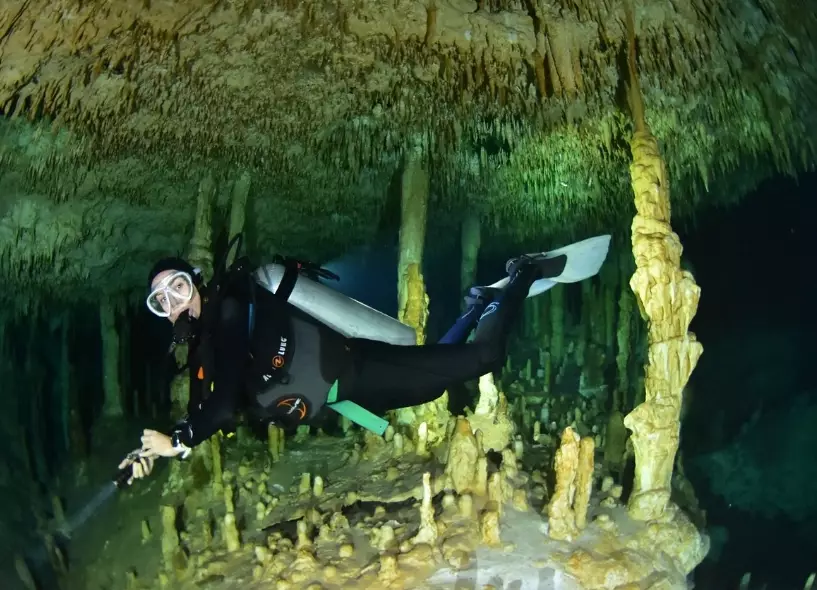
Your Cave Diving Questions Answered
Diving the cenotes of the Yucatan is more than a checklist item. It's a masterclass in buoyancy, a lesson in geological time, and a pure sensory experience. It demands respect and preparation. Get those right, and you'll unlock one of the most profound adventures the diving world has to offer. See you in the crystal.
Your comment