You've seen the photos. Sunbeams slicing through crystal water, illuminating ancient rock formations in an otherworldly blue. Cenote diving in Mexico's Yucatán Peninsula is a bucket-list experience. But that nagging question holds you back: is it safe?
Let's cut to the chase. Diving in cenotes can be conducted safely, but it is inherently riskier than open-water reef diving. Your safety hinges almost entirely on your preparation, your guide, and your ability to manage specific, unique hazards that don't exist in the ocean. I've logged hundreds of dives in these systems, from the easy, sun-drenched caverns to complex cave passages. I've seen divers thrive, and I've seen close calls that could have been avoided. This guide isn't about scaring you off; it's about giving you the clear, unvarnished information you need to make it an awe-inspiring and secure adventure.
What You'll Find in This Guide
Why "Is Cenote Diving Safe?" Is the Wrong Question
Asking if it's safe is like asking if driving a car is safe. It depends. Are you a trained, licensed driver on a clear day, or a novice speeding on an icy mountain pass? The activity has risks, but your actions dictate the outcome.
Most cenote diving for tourists is conducted in the "cavern zone." This is the area near the entrance where natural light is always visible. It's not full cave diving, but it's an "overhead environment." There's no direct ascent to the surface. That single fact changes everything. A minor gear issue or a lapse in buoyancy control that would be a nuisance in the ocean becomes a serious problem when you can't just shoot up.
The goal is to shift your mindset from "Is this safe?" to "What do I need to do to make this safe for me?" The rest of this article answers that.
The Real Risks: A Breakdown of Cenote Hazards
Understanding the specific dangers is the first step to mitigating them. Here’s what you’re actually dealing with.
1. The Halocline: A Dizzying Sensory Illusion
This is the big one few talk about in enough detail. Fresh rainwater sits on top of denser saltwater that has seeped in from the ocean. Where they meet, it creates a halocline—a blurry, shimmering layer that completely distorts your vision. Swimming through it feels like your mask is instantly smeared with vaseline.
The risk isn't the blur itself. It's the disorientation. I've watched divers panic, thinking their mask flooded. They bolt upwards, forgetting the ceiling is three feet above them. The key is to expect it, stay calm, and keep a hand on your guide's line if needed. Exhale slowly and push through; clarity returns on the other side.
2. Fragile Ecosystems and Zero Visibility
The cenote water is unbelievably clear because there's no current to stir up sediment. You kick up a single cloud of silt from the bottom or the wall, and it hangs there, utterly destroying the visibility for everyone behind you, sometimes for the rest of the dive. It's selfish and a sure sign of a poor diver. Perfect buoyancy isn't a nice-to-have; it's a non-negotiable requirement. Keep your fins high, your movements slow, and never touch anything.
3. Darkness and Psychological Pressure
Even in the cavern zone, you'll swim away from the entrance. The world gets darker, quieter. It's a profound experience, but it triggers primal nerves. Task loading increases—managing your buoyancy, your light, your position, your air—in an unfamiliar, confined space. This mental stress is a risk factor often overlooked in basic training.
A Personal Misstep: Early in my cenote diving, I was so focused on my trim that I neglected my air consumption. The cool, fresh water and the excitement made me breathe faster. I hit my turn-around pressure much sooner than expected, forcing an early exit that stressed my buddy. It was a humble reminder: cenotes demand you manage everything at once.
4. Navigational Complexity and Getting Lost
Cenotes aren't swimming pools. They are complex networks. At popular sites like Dos Ojos or The Pit, the routes are well-marked with permanent lines. Straying from the line or your guide in a less-frequented cenote, even for a "cool photo," can lead to a dangerous situation in minutes. The rock formations all start to look the same in the dim light.
Your Cenote Safety Checklist: From Certification to Guide Selection
Safety is a series of deliberate choices. Follow this actionable list.
Step 1: Certification & Prerequisites
Most reputable cenote dive operators in Playa del Carmen or Tulum will require, at a minimum, an Advanced Open Water Diver (AOWD) certification and proof of recent dives. This isn't a scam to upsell you. The AOWD's peak performance buoyancy training is critical.
The Unspoken Truth: Having 50 logged dives in warm, easy Caribbean conditions is not the same as having 20 dives in varied conditions (current, cold, low vis). Be honest about your comfort level. If you're a new Advanced diver with 15 total dives, choose an "easy" cenote like Casa Cenote or Gran Cenote for your first time.
Step 2: Choosing the Right Cenote (A Beginner's Guide)
Not all cenotes are created equal. Starting with an appropriate site is your biggest safety decision.
| Cenote Name (Near) | Difficulty Level | Key Features & Why It's Good for Beginners | Considerations |
|---|---|---|---|
| Gran Cenote (Tulum) | Easy | Multiple open areas with sunlight, minimal overhead, lots of marine life (turtles). Feels more like a swim-through garden. | Can get crowded. Good for a first-time confidence builder. |
| Casa Cenote (Tulum) | Easy | An open, mangrove-lined river-like cenote. No real overhead environment. Practically open water. | Great for buoyancy practice in fresh water before attempting caverns. |
| Dos Ojos (Tulum/Akumal) | Easy to Intermediate | World-famous for its beauty. The "Barbie Line" is a well-lit, straightforward cavern dive. Extremely professional operations. | The "Bat Cave" section is darker and more demanding. Communicate your comfort level. |
| The Pit (Tulum/Akumal) | Intermediate | Deep (up to 40m/130ft), with a stunning hydrogen sulfate layer. Requires excellent buoyancy and air management. | Not for new divers. Depth introduces narcosis and shorter dive times. |
| Angelita (Tulum) | Advanced | Famous for its "underwater river" cloud layer at 30m. A deep, technical dive profile. | Serious depth and potential for disorientation. For experienced divers only. |
Step 3: Gear & Guide – Your Two Most Important Tools
Your Guide is Everything. Do not shop by price alone. A good guide carries a primary reel and line, a backup light, and cutters. They brief you thoroughly on hand signals, emergency procedures, and the dive plan. They watch you like a hawk, especially during the first halocline passage. Ask questions before booking: What's the guide-to-diver ratio? (4:1 is good, 2:1 is better). Do they provide a primary light? (They must).
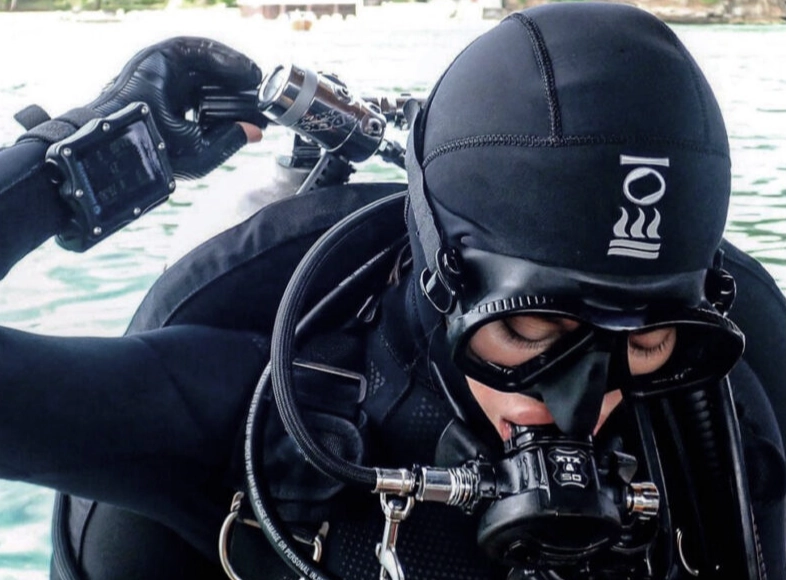
Gear Adjustments: You'll likely use a shorty wetsuit even if you dive in a rash guard in the ocean. The fresh water is cooler (around 24-25°C / 75-77°F) and you're less active. A powerful primary dive light is essential, not optional. It restores color and helps navigate shadows. Rent a high-quality one from the shop if you don't own one.
Step 4: The Pre-Dive Mental Run-Through
Before you jump in, internalize this:
- Buoyancy First: Your number one job. Test it in shallow water. Add weight if needed; fresh water requires less weight than saltwater.
- Air Management: Your turn pressure is not a suggestion. It's the law. Account for slower exits and potential delays.
- Touch Nothing: Not the ceiling, not the tree roots, not the skeleton you see. Preserve the place and your visibility.
- Communicate: Tell your guide if you're feeling anxious, cold, or having ear issues. It's their job to help.
Your Cenote Diving Safety Questions, Answered
What level of scuba certification do I really need for cenote diving?
I'm a certified diver but haven't dived in over a year. Can I do a cenote dive?
How do I choose a safe cenote diving operator in Playa del Carmen?
Is it safe to dive in cenotes if I'm not a strong swimmer?
What's the one piece of safety advice most divers ignore?
The final word? Cenote diving is an incredible, unique adventure that sits at the crossroads of nature, geology, and personal challenge. Respect its specific demands, prepare diligently, choose your team wisely, and you'll unlock one of the most breathtaking experiences the diving world has to offer—safely.

Comments