Mexico isn't just a single dive destination; it's a continent of underwater worlds packed into one country. The best diving in Mexico depends entirely on what you're after. Drift along a vibrant coral wall in Cozumel one day, then float weightlessly in a sun-dappled freshwater cenote the next. It's this insane variety that makes planning a trip both exciting and a bit overwhelming.
Your Quick Dive Guide
- The Caribbean Powerhouses: Cozumel & Beyond
- The Unique World of Cenote Diving
- The Pacific Coast: Giants & Remote Islands
- How to Choose the Right Dive Destination in Mexico?
- What is the Best Time of Year for Diving in Mexico?
- Practical Tips for Planning Your Mexico Dive Trip
- Your Mexico Diving Questions Answered
The Caribbean Powerhouses: Cozumel & Beyond
Let's start with the classic. The Mexican Caribbean, specifically the state of Quintana Roo, is what most people picture. The water is that impossible shade of blue, the reefs are lush, and the diving is reliably good year-round.
Cozumel: The Drift Diving Mecca
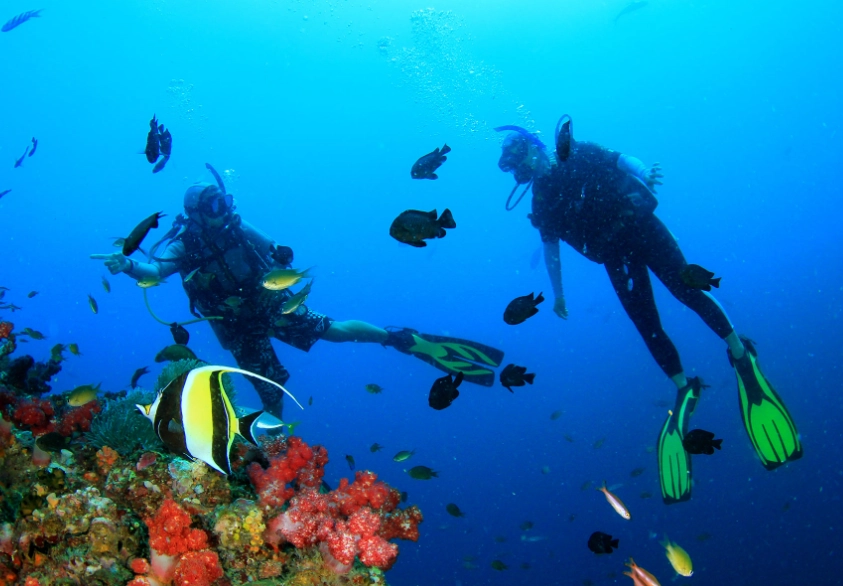
Cozumel is legendary for a reason. The entire west coast of the island is protected as a marine park, resulting in incredibly healthy coral ecosystems. The main attraction here is drift diving. You jump in, get picked up by the current, and fly along breathtaking walls like Palancar Reef and Santa Rosa Wall. You don't swim much; you just control your buoyancy and enjoy the ride. It's effortless and spectacular.
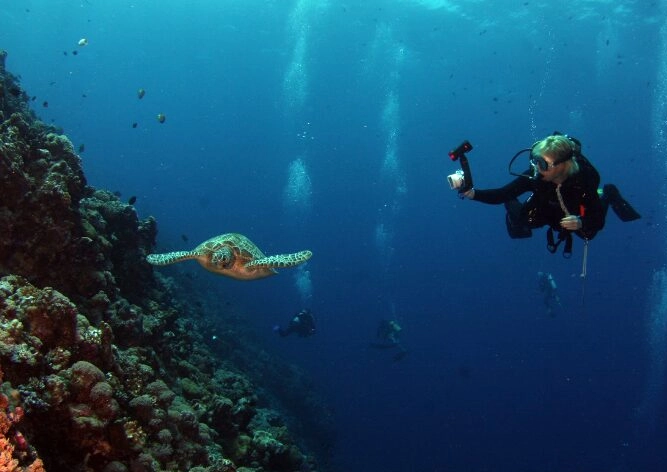
But here's a local tip everyone misses: the southern reefs. Most boats stick to the central and northern sites because they're closer to the main marina in San Miguel. If you book a trip that goes down to sites like Punta Sur or Maracaibo, you'll often have the place to yourself. The coral formations are more dramatic, and you have a better chance of seeing bigger pelagics like eagle rays and the occasional shark.
My Cozumel Reality Check
The town of San Miguel can feel very touristy. The diving is world-class, but the surface interval isn't a remote tropical paradise—it's a bustling cruise ship port. Don't let that deter you. The underwater experience completely overshadows it. Just manage your expectations for the time you spend on land.
The Mainland Coast: Playa del Carmen & Isla Mujeres
Diving from Playa del Carmen offers a different vibe. The reefs are closer to shore, and the dives are often shorter, making it great for beginners or multi-activity holidays. The star attraction here is the seasonal (May to September) whale shark aggregation. Swimming alongside these gentle, bus-sized filter feeders is a life-changing experience. Book with a reputable, eco-conscious operator—the Mexican Commission for Natural Protected Areas (CONANP) regulates this activity strictly to minimize impact.
Isla Mujeres, north of Cancun, shares the whale shark season and has lovely, easy reefs. It's more laid-back than Cozumel.
The Unique World of Cenote Diving
This is Mexico's secret weapon. Nowhere else on earth can you dive in these pristine freshwater sinkholes. Forget everything you know about ocean diving. Cenote diving is about crystal clarity (100m+ visibility is normal), surreal haloclines (where fresh and saltwater meet), and breathtaking geological formations.
You need a cavern diving specialty certification to go beyond the open, sunlit areas. But even the introductory dives in places like Dos Ojos or The Pit are mind-blowing. It's silent, weightless, and feels like flying through a cathedral made of rock and light.
| Cenote Name | Near Town | Best For | Key Feature | Skill Level |
|---|---|---|---|---|
| Dos Ojos | Tulum | td>First-timers, Photography td>Two connected cenotes, stunning light beamsOpen Water (Cavern tour) | ||
| El Pit | Tulum | Advanced divers, Deep diving | td>Deep hydrogen sulfide cloud, dramatic light shaftsAdvanced Open Water | |
| Angelita | Tulum | Unique phenomena | td>Underwater "river" of hydrogen sulfide at 30mDeep Diver Specialty | |
| Calavera (Temple of Doom) | Tulum | Adventure, Small groups | Three entry holes, challenging swim-throughs | Cavern Diver certified |
Most cenote diving is based around Tulum. You'll be assigned a guide—this is non-negotiable and for your safety. They know the systems intimately. A common mistake is touching the fragile stalactites. The oils from your skin can stop their growth forever. Buoyancy control isn't just a skill here; it's a responsibility.
The Pacific Coast: Giants & Remote Islands
Flip to the other side of the country, and the diving changes completely. The Pacific is about big animals, colder water, and a raw, wild feel.
La Paz & Cabo San Lucas: Sea of Cortez
From La Paz, the main draw is diving with whale sharks (October to April) and the incredible colony of California sea lions at Los Islotes. The sea lions are playful, curious, and will zoom around you. It's an interactive, energetic dive unlike anything in the Caribbean. Further north in the Sea of Cortez, you might find hammerhead schools, but that's more expedition-style diving.
Socorro Islands: The Big Animal Bucket List
This is the holy grail for serious divers. The Revillagigedo Archipelago (Socorro Islands) is a 24-hour boat ride from Cabo San Lucas. It's not a day trip; it's a week-long liveaboard adventure. Why go? From November to May, you have reliable encounters with mantas (both giant and oceanic), humpback whales, dolphins, and sharks. It's cold, it's challenging, and it's expensive. But if your dream is to be in the water with multiple mantas on a single dive, this is the place. Operators like the Professional Association of Diving Instructors (PADI) list approved liveaboard providers for this region.
How to Choose the Right Dive Destination in Mexico?
Stop looking for a single "best" spot. Match the destination to your personal dive profile. Ask yourself these questions:
- What's your certification level? New divers should stick to Playa del Carmen or Cozumel's easier sites. Cenotes require at least an Open Water cert for cavern tours, and Socorro needs Advanced Open Water with significant logged dives.
- What animals do you want to see? Coral and fish = Caribbean. Whale Sharks = Caribbean (summer) or La Paz (winter). Mantas and big pelagics = Socorro. Unique geological formations = Cenotes.
- What's your trip style? Resort-based with nightlife? Cozumel or Playa. Eco-chic and yoga? Tulum (for cenotes). Rugged adventure? Pacific coast.
- What's your budget? Cozumel and Playa offer great value. Cenote diving is moderately priced but requires guide fees. Socorro is a major investment.
What is the Best Time of Year for Diving in Mexico?
It's a trick question because Mexico has two coasts with different seasons.
Caribbean Coast (Quintana Roo): Diving is year-round. The absolute best conditions are typically May through September—calm seas, great visibility, warm water. This is also whale shark season. The "rainy season" (Oct-Jan) can have brief storms, but underwater visibility often remains excellent. I've had some of my best dives in November.
Pacific Coast (Sea of Cortez, Socorro): This is a winter/spring game. The prime window is November to June. That's when the water warms up enough for comfortable diving (it's still cooler than the Caribbean) and the big pelagics are present. Summer and early fall can have tropical storms and reduced animal activity.
Practical Tips for Planning Your Mexico Dive Trip
Book your diving in advance, especially if you want specific guides or are traveling during holidays. But don't book all your days consecutively at the start. Give yourself a buffer day for flight delays or if you need a rest.
Most dive shops in tourist areas speak excellent English. Tipping is customary for guides and boat crews (around $5-10 USD per tank dive).
Respect the marine environment. Use reef-safe sunscreen, maintain perfect buoyancy, and never touch anything. The Convention on International Trade in Endangered Species (CITES) protects many marine species, and taking any coral or shells is illegal.
Your Mexico Diving Questions Answered
Is diving in Mexico safe for beginners?
The Caribbean coast is one of the best places in the world to learn. The water is warm, currents are generally mild (outside of Cozumel's drifts), and there's a huge infrastructure for training. Choose a shop with small class sizes and good reviews. For a first dive after certification, ask for a "refresher" or a guided dive on a shallow, calm reef like those near Playa del Carmen.
Do I need to speak Spanish to dive in Mexico?
Not at all in the major dive hubs like Cozumel, Playa del Carmen, Tulum, or Cabo. Dive staff and instructors are almost always bilingual. In more remote areas or on local ferries, knowing basic Spanish phrases is helpful, but it's never a barrier to diving.
What's one common mistake divers make when planning a Mexico trip?
Trying to do too much. I see people book three days in Cozumel, two in Tulum for cenotes, and a day trip to see whale sharks. You'll spend half your trip in taxis and on ferries, stressed and tired. Pick one base for at least 4-5 days. If you want variety, Cozumel has great reefs and is a short ferry from Playa's whale sharks. Tulum is perfect for combining a few cenote dives with reef dives from nearby Akumal.
Are the cenotes very cold?
The freshwater in cenotes is a constant 24-25°C (75-77°F). It feels cooler than the Caribbean sea (28-30°C) because you're not moving as much. A full 3mm wetsuit is recommended, and many divers opt for a hood. You'll get used to it after a few minutes, and the visual payoff is worth any initial chill.
How can I ensure my diving is environmentally responsible?
Research your operator. Look for shops affiliated with Project AWARE or those that mention specific conservation practices like mooring buoy use, fish ID courses, or beach clean-ups. In cenotes, use biodegradable sunscreen and shower before entering. On the boat, refuse single-use plastics. Your choices directly support the health of these incredible ecosystems.

Comments