You typed that search for a reason. Is Mexico good for scuba diving in October? Let's cut to the chase: it can be one of the best months of the year, but you need to know where to go and what to expect. The short answer is a resounding yes, especially if you're eyeing the Caribbean coast. The water's still warm, the summer crowds have thinned, and the marine life is active. But there's a big 'if' hanging over the Yucatán Peninsula – hurricane season. I've been diving these waters for over a decade, and October trips have given me some of my most memorable dives, and also one trip that got rerouted last minute. This guide isn't just a list of spots; it's the real-world advice you need to plan a successful October dive trip to Mexico.
What's Inside This Guide
Why October is a Prime Time for Diving in Mexico
October sits in a sweet spot. The relentless heat and humidity of peak summer start to fade, particularly in the latter half of the month. Rain showers are still possible, but they're often brief and can actually improve underwater visibility by washing nutrients into the water, which attracts bigger fish. The key advantage? Fewer people. Families with kids are back in school, and the pre-holiday rush hasn't begun. This means more space on the boat, more attention from your dive guide, and often better deals on accommodation and dive packages.
Let's talk about the elephant in the room: hurricanes. The Atlantic hurricane season officially runs from June to November, with peak activity from mid-August to mid-October. This primarily affects the Caribbean side (Quintana Roo). It doesn't mean a storm will hit, but the statistical probability is higher. The Pacific coast (Sea of Cortez, Revillagigedo) has a different weather pattern and is largely out of the hurricane zone during this time, making it a fantastic, stable alternative.
October Diving Conditions at a Glance
Caribbean Sea (Cozumel, Playa del Carmen): Water temperature hovers around 82-84°F (28-29°C). Visibility is typically excellent, often 80-100+ feet. Sea conditions are generally calm, but watch for tropical weather systems.
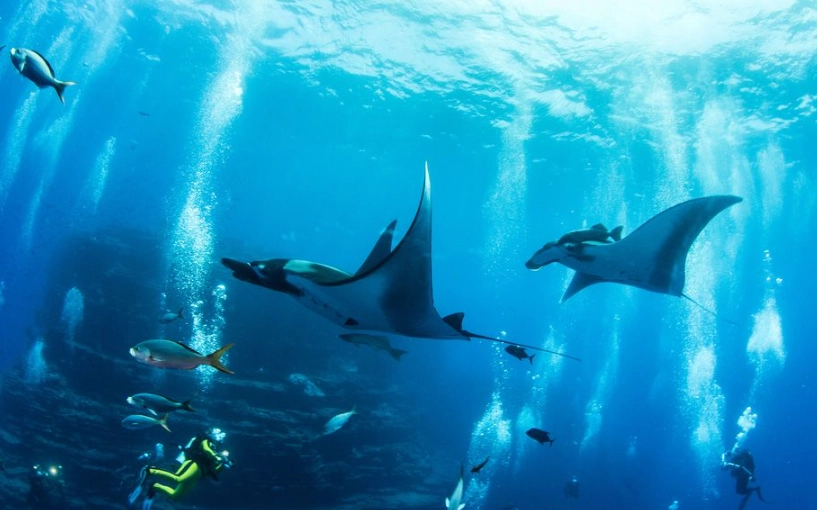
Pacific Ocean (Sea of Cortez, Cabo San Lucas): Water is cooler, around 75-78°F (24-26°C). Visibility varies more, from 40-70 feet. This is a prime time for pelagic action – think hammerheads, mantas, and dolphins.
Top Mexican Dive Destinations to Explore in October
Your choice of destination in October is everything. It's not just about picking a pretty reef; it's about risk mitigation and targeting specific experiences. Based on reliability and what's happening underwater, here’s where I'd send you.
1. Cozumel: The Consistent Caribbean King
If I had to pick one spot in Mexico for October diving, it's Cozumel. The island's location and the fact that most of its world-class sites are on the protected west coast make it more resilient to weather. The main attraction is the sheer wall diving along the Palancar and Columbia reefs. Drift diving here in October is sublime – the currents are alive, bringing in nutrients and massive schools of fish.
Must-Dive Sites: Palancar Gardens (great for all levels), Santa Rosa Wall (advanced, stunning drop-offs), Punta Sur (for the famous devil's throat swim-through, advanced only). A two-tank boat dive with a reputable operator like Scuba Tony or Deep Blue will cost around $100-$130 USD, including gear. Most boats depart from the main marina in San Miguel between 8-9 AM.
2. The Sea of Cortez (La Paz & Loreto): The Pacific Powerhouse
Want to completely avoid hurricane chatter? Head west. October is arguably the best month in the Sea of Cortez. The water is at its warmest, and the biodiversity is off the charts. This isn't colorful coral diving (it's more rocky reefs and seamounts); it's big animal diving.
From La Paz, you're a short boat ride from diving with whale sharks (season runs approx. October to April). It's a snorkeling activity, but it's a must-do. For scuba, the star is Isla Espíritu Santo, where sea lion colonies provide some of the most playful interactions you'll ever have. A day trip to the island with two dives costs about $120-$150. Operators like Cortez Club are well-established.
3. Playa del Carmen & Cenotes: The Two-Tank Adventure
Playa del Carmen on the mainland offers easy access to both the ocean and the unique freshwater cenotes. Ocean diving here is along the Great Maya Reef. Sites like Jardines and Moc-Che are packed with life. But the real October bonus? If a weather front makes ocean diving questionable, you can almost always dive the cenotes inland. They are unaffected by surface weather.
Diving a cenote like Dos Ojos or The Pit is a surreal experience. The halocline, where fresh and saltwater meet, creates a blurry mirror effect. It's cavern diving (not cave diving—you always see the entrance), requiring a special guide. A two-tank cenote dive with a shop like Zero Gravity will run about $130-$150. It's a perfect Plan B or a fantastic primary objective.
| Destination | Best For | Avg. Water Temp (°F/°C) | Key October Activity | Consideration |
|---|---|---|---|---|
| Cozumel | Drift diving, walls, coral reefs | 82-84°F / 28-29°C | Excellent visibility, active reef life | Monitor tropical weather forecasts |
| Sea of Cortez (La Paz) | Big animal encounters, sea lions, whale sharks (snorkel) | 75-78°F / 24-26°C | Peak season for whale sharks & sea lions | Water cooler, 5mm wetsuit recommended |
| Playa del Carmen & Cenotes | Reef diving + unique cenote experiences | 82-84°F (Ocean) / 77°F (Cenotes) | Cenotes are a reliable weather backup | Ocean conditions can vary more than Cozumel |
| Los Cabos | Pelagics, sand falls, advanced diving | 78-80°F / 25-27°C | Chance for hammerheads, mantas | Can be surgey; not for beginners |
What Marine Life Can You See in October?
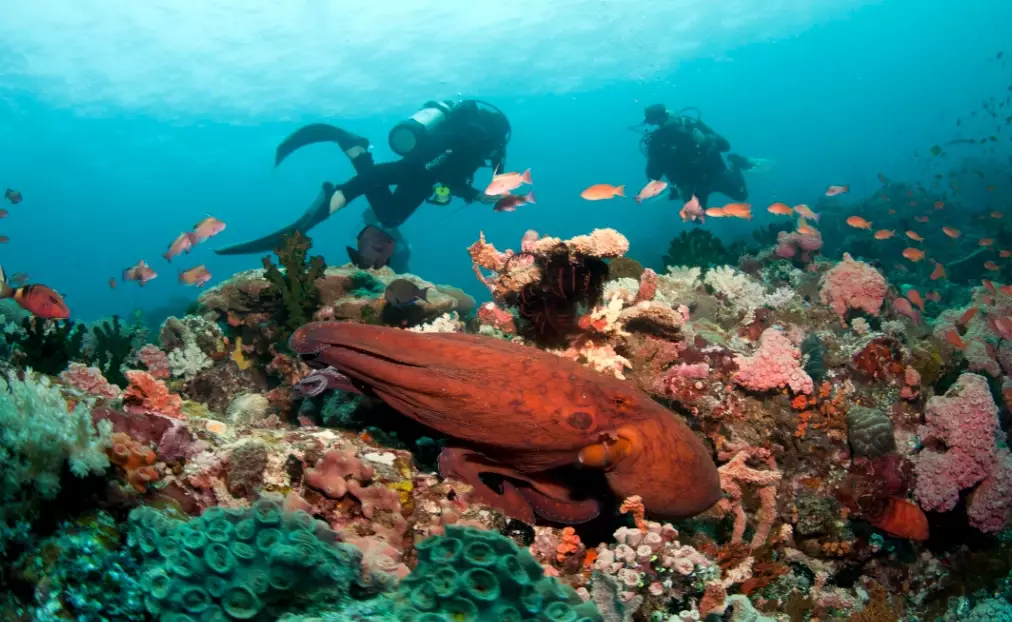
October isn't a sleepy month. The biological pump is still going. In the Caribbean, you're likely to see spotted eagle rays gliding by, large green moray eels out hunting, and schools of blue tangs and grunts. It's also a great time for macro life—seahorses, flamingo tongues on gorgonians. On the Pacific side, the action is larger. Beyond the guaranteed sea lions, you might encounter mobula rays, schooling hammerheads at remote sites like El Bajo, and dolphins. Humpback whales start arriving in the Sea of Cortez and Revillagigedo in late October, and while you can't dive with them, hearing their songs during your safety stop is magical.
How to Plan Your October Diving Trip to Mexico
This is where most blogs give you fluffy advice. Here's the tactical stuff that matters.
Booking Strategy: Book flights and accommodation that have good cancellation or change policies. Many airlines and hotels offer this flexibility now. For diving, don't pre-pay for all your dives online. Book your first day or two with a reputable shop, and then plan the rest based on the forecast and conditions. Good shops won't pressure you.
Insurance is Non-Negotiable: Get dive-specific travel insurance that covers trip cancellation/interruption due to hurricanes and, crucially, emergency medical evacuation and hyperbaric treatment. DAN (Divers Alert Network) is the gold standard in the diving community. A hurricane brewing in the Atlantic that never touches Mexico can still cause your connecting flight through Miami to be canceled. Insurance covers that.
Packing Pro-Tip: Bring a slightly warmer wetsuit than you think. A 3mm full suit is perfect for the Caribbean. For the Pacific, a 5mm or even a 7mm is comfortable. Also, pack entertainment—a book, downloaded shows. If you get weathered out for a day (it happens), you'll be glad you did.
A Sample 5-Day October Diving Itinerary (Cozumel Focus): Day 1: Arrive, check into a south hotel zone stay (like Presidente Intercontinental). Do a relaxed afternoon shore dive at Villa Blanca to check your gear. Day 2: Morning two-tank boat dive to Palancar reefs. Afternoon exploring San Miguel town. Day 3: Morning two-tank boat dive to the more northern sites like Yucab. Schedule a night dive for this evening. Day 4: Cross on the ferry to Playa del Carmen (40 mins) for a two-tank cenote dive day trip. Day 5: Final morning two-tank boat dive in Cozumel, or a repeat of your favorite site, then depart.
Your October Mexico Diving Questions Answered
Is it safe to dive in Mexico during hurricane season?
Safety is about management, not just statistics. Reputable dive operators prioritize client safety above profit. They monitor weather forecasts from the National Hurricane Center and Mexican authorities closely. If a storm is predicted to impact the area, they will cancel trips, often 48-72 hours in advance. The risk isn't being caught in a storm underwater—that won't happen. The risk is trip disruption. Choosing a destination with options (like Cozumel's reefs or mainland cenotes) and purchasing solid travel insurance transforms this from a safety concern into a manageable logistical one.
What's the one mistake first-timers make when diving Mexico in October?
They underestimate the sun and overestimate their hydration. October sun is still intense, and you're reflecting off the water all day. I've seen more people ruined by brutal sunburn on their first day than by anything else. Wear a rash guard or thin wetsuit even if you're hot, use reef-safe sunscreen on exposed parts, and drink way more water than you think you need. Dehydration amplifies fatigue and can increase susceptibility to decompression sickness.
Are dive shops and resorts still fully operational in October?
Yes, absolutely. October is not an "off-season" where things shut down. It's a shoulder season. All major dive shops run full schedules. Some smaller, boutique operations or restaurants in less touristy areas might take annual holidays in September or early October, but you'd hardly notice in hubs like Cozumel, Playa, or La Paz. In fact, you often get better service because staff aren't stretched as thin as in the December rush.
How does October compare to December or April for diving?
December through April is the traditional "high season" with guaranteed stellar weather, but also higher prices and more crowds. October offers 90% of the underwater quality for 70% of the price and 50% of the crowd density. The trade-off is that you need to be slightly more flexible. April has warmer air temps but can be windier on the Caribbean side, affecting conditions. For the value and experience, a well-planned October trip is hard to beat.
Can I get certified in Mexico in October?
Certainly. It's a great time to do it. You'll likely get more one-on-one attention from your instructor. The water is warm, making confined water sessions comfortable. Just factor in potential weather delays. Choose a shop that has a flexible schedule and perhaps an indoor pool for initial training. A 4-day Open Water Diver course in Cozumel with a shop like Dive Palancar typically costs between $450-$550 USD. Communicate your timeline clearly with the shop when booking.

Comments