Let's cut to the chase. Is Mexico good for scuba diving for beginners? In one word: yes. It's one of the best places on the planet to take your first breaths underwater. But that simple "yes" comes with a huge asterisk. It depends entirely on where in Mexico you go, when you go, and who you dive with. I've been guiding new divers here for over a decade, and I've seen the magic moments—and the avoidable mistakes. This isn't just a list of dive sites; it's a blueprint for an incredible first diving experience in Mexico.
Your Quick Dive Guide
Why Mexico is a Beginner Diver's Dream
Forget cold, murky water and expensive boat rides. Mexico, especially the Caribbean side, serves up ideal learning conditions on a silver platter.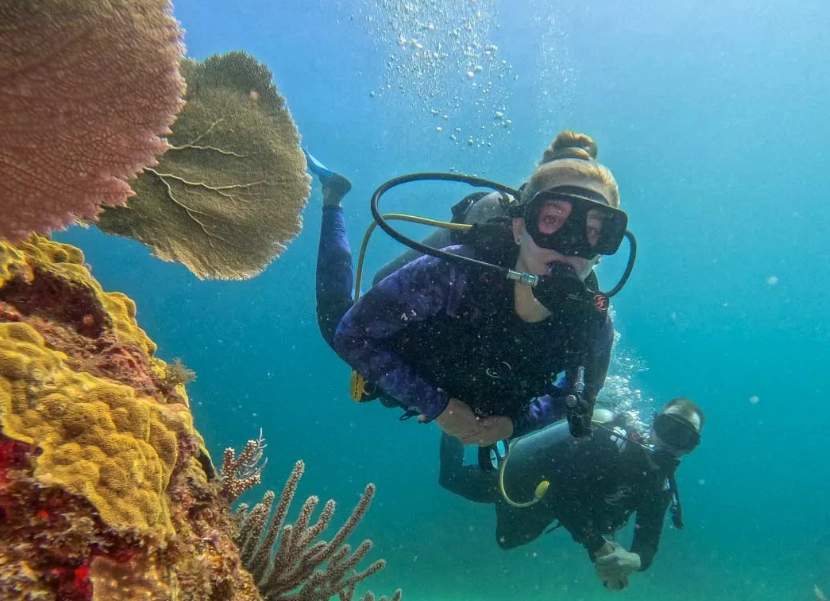
Warm, Clear Water Year-Round. Visibility in places like Cozumel and the Riviera Maya often exceeds 100 feet. You can see your instructor, your buddy, and incredible marine life without squinting. The water temperature hovers between 78°F and 84°F (26°C-29°C). That means a thin 3mm wetsuit or even just a rash guard is enough. No shivering, just comfort.
An Abundance of Calm, Sheltered Sites. This is the big one. While Mexico has famous drift dives and deep walls, it also has countless protected bays, shallow reefs, and lagoons. These areas have minimal current, are relatively shallow (15-40 feet), and are purpose-built for training and first dives. Places like Cozumel's Chankanaab Reef or the MUSA (Underwater Museum of Art) in Cancun offer interesting stuff to see without challenging conditions.
A pro tip most blogs miss: The "easy" sites can get crowded with other beginners. A good dive shop will either go early or know a less-congested, equally calm alternative. Don't be afraid to ask, "Do you have a site that's calm but not the main training site?"
Unbeatable Value. Compared to the Caribbean islands or the South Pacific, Mexico offers phenomenal value. A two-tank boat dive for beginners can range from $80-$120 USD, often including gear. Full Open Water certification courses are frequently $400-$550, which is significantly less than many U.S. or European destinations. Your money goes further on accommodation and food, too.
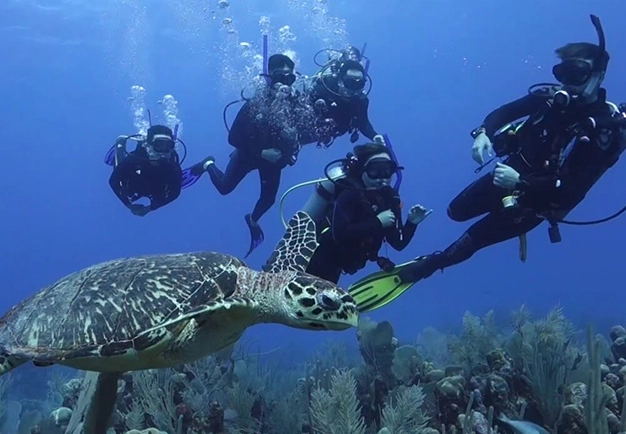
Instant Gratification Marine Life. You don't need 100 dives to see amazing things. On your very first open water dives, you're likely to see sea turtles, eagle rays, colorful parrotfish, angelfish, and maybe even a friendly nurse shark resting under a ledge. The reefs are alive and packed.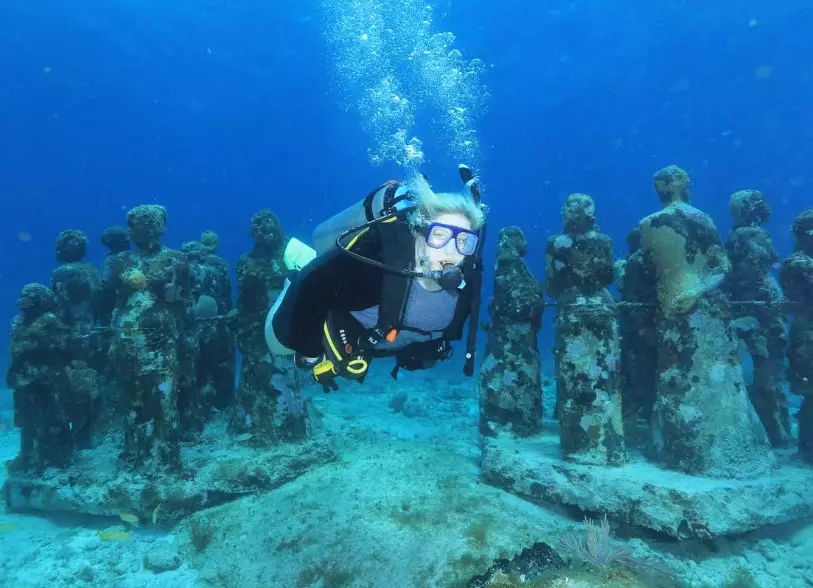
Top 3 Beginner-Friendly Dive Regions in Mexico
Not all of Mexico's coast is created equal for a novice. Here’s where you should focus your search.
1. Cozumel
Cozumel is the king of effortless diving. The island is surrounded by a protected marine park, and the dominant feature is a gentle, predictable current that carries you along the reef—this is drift diving. For a beginner, this is a gift. You barely kick. You float along, breathing easily, and the scenery rolls by. The depth stays manageable on the reef tops.
Best Beginner Sites: Paradise Reef and Chankanaab are the classic training grounds. Shallow, calm, and full of life. For a first boat dive, ask about Palancar Gardens (the shallow section of the famous Palancar Reef) or Tormentos.
The Caveat: The current can sometimes pick up. A good instructor will check conditions and choose the appropriate site. Always listen to the briefing.
2. Riviera Maya (Playa del Carmen, Puerto Morelos, Akumal)
This is the mainland counterpart to Cozumel. The diving here is mostly from the shore or very short boat rides to nearby reefs. It's incredibly convenient.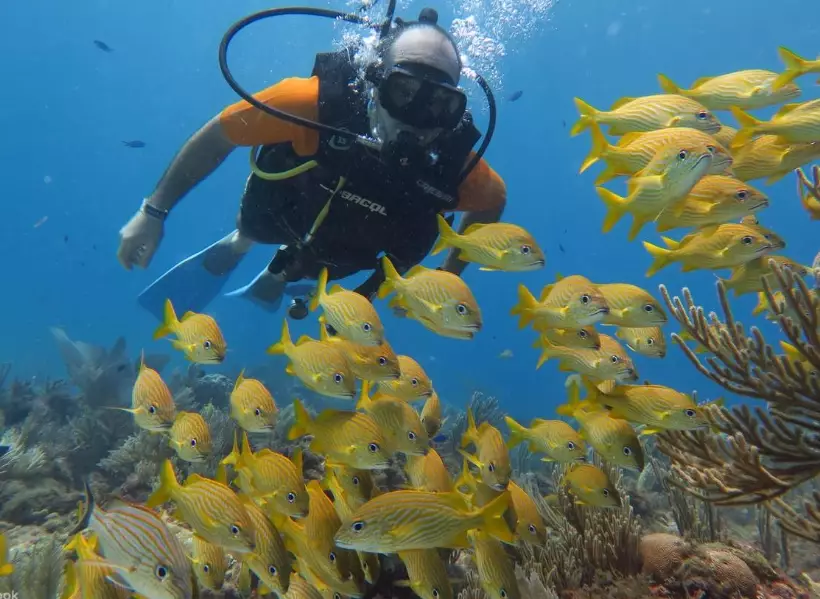
Playa del Carmen offers easy shore diving right from the town beach. You wade in and follow a rope out to the reef. It's cheap and flexible. Puerto Morelos has a stunning, shallow national park reef accessible by a 10-minute boat ride. It's less developed than Playa, so it feels more relaxed.
Akumal means "place of the turtles" in Mayan. The main attraction is snorkeling and diving in the bay with sea turtles, often in water so shallow you can stand up. It's a confidence-builder.
The Unique Factor: Cenotes. This is the industry hotspot for a reason. These freshwater sinkholes are like diving in a cathedral of light. For a beginner, a dedicated, guided cenote dive (like El Jardín del Edén or Chac Mool in the "open air" section) is absolutely doable and will blow your mind. It's zero current, crystal clear freshwater, and surreal. This is a controlled, guided experience—never go into a cenote alone.
3. The Sea of Cortez (La Paz, Cabo San Lucas)
The Pacific side is wilder, with cooler water and more diverse life. It's generally better for divers with a bit more experience. However, La Paz has a secret weapon: Espíritu Santo Island. Here, you can have gentle, shallow dives with playful sea lion pups. It's interactive, unforgettable, and the conditions are often very manageable from October to December. Water temps are cooler (low 70s°F), so a 5mm wetsuit is needed.
| Region | Best For Beginners Because... | Water Temp & Viz | Sample Cost (2-Tank Dive) |
|---|---|---|---|
| Cozumel | Gentle drift diving, minimal effort, stunning reefs | 78-84°F / 100+ ft viz | $90 - $110 USD |
| Riviera Maya | Shore diving, cenotes, turtle encounters, convenience | 78-84°F / 70-100 ft viz | $80 - $100 USD |
| Sea of Cortez (La Paz) | Sea lion interactions, unique Pacific life | 70-75°F / 50-80 ft viz | $100 - $130 USD |
Potential Pitfalls for New Divers in Mexico
It's not all perfect. Knowing the downsides lets you avoid them.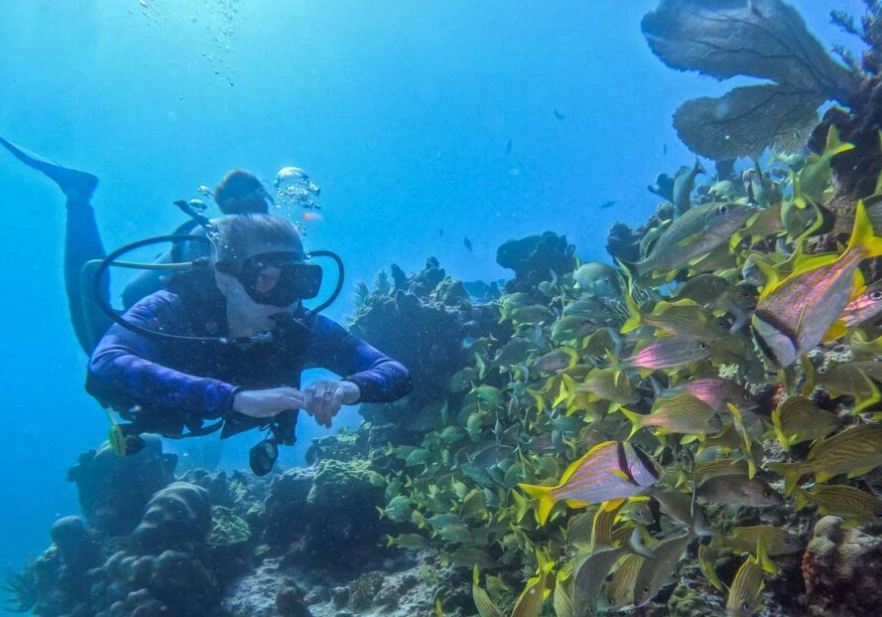
Overwhelming Choice of Dive Shops. In tourist towns, every hotel and street corner has a dive shop. Quality varies wildly. The cheapest option is often a bad idea. They might overcrowd the boat, use poorly maintained gear, or rush the briefing.
How to choose? Look for shops that are PADI 5-Star or SSI Diamond centers. Read recent reviews focusing on safety and patience with beginners. Email them beforehand. Ask: "What is your student-to-instructor ratio for beginner divers?" A good answer is 4:1 or lower.
A mistake I see constantly: People book a "great deal" on a resort excursion that includes a "try dive." These are often cattle calls with minimal instruction. For your first time, book directly with a reputable dive shop for a dedicated Discover Scuba Diving experience.
Assuming All Dives are Calm. Just because you're in Mexico doesn't mean there's no current or surge. Sites on the windward side of Cozumel or in the Pacific can be advanced. A trustworthy shop won't take beginners there.
Getting "Up-Sold" Too Fast. Some shops might push you to do a deep dive or a drift dive on your second day when you're not ready. It's okay to say no. Build your skills slowly.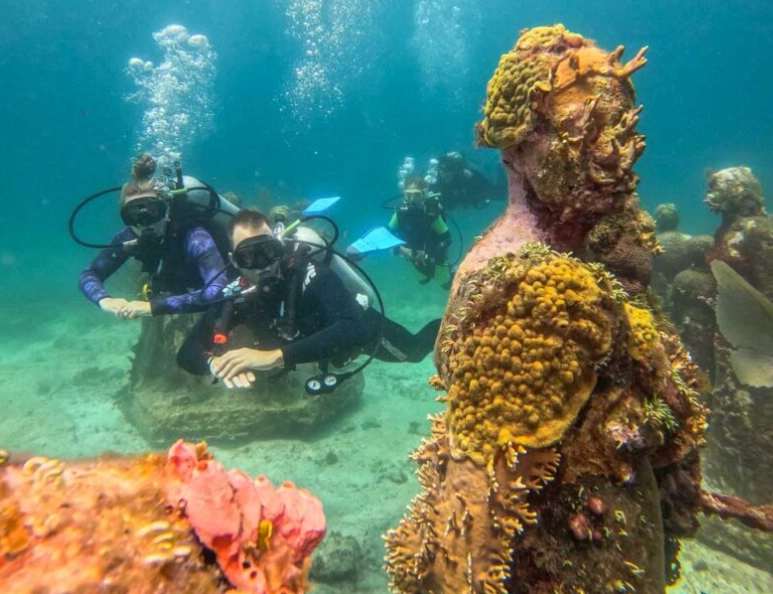
How to Plan Your First Mexico Dive Trip
Let's make this actionable.
Step 1: Choose Your Base. For a pure, easy first trip, I'd lean towards Cozumel or Puerto Morelos. Cozumel is dive-focused and seamless. Puerto Morelos is chill and has fantastic shallow reefs.
Step 2: Get Certified or Try First?
- Option A (Try First): Book a Discover Scuba Diving (DSD) program. It's a half-day pool/confined water session followed by a real ocean dive. It's perfect to see if you like it. Cost: ~$100-$140.
- Option B (Get Certified): Do the eLearning for your Open Water Diver certification at home. Then travel to Mexico to do the confined and open water dives with a local shop over 2-3 days. This is the most cost-effective and time-efficient way. You learn in paradise.
Step 3: Book Your Dives in Advance. Don't just show up. Contact 2-3 highly-rated shops via email. Tell them you're a beginner. Their response will tell you a lot. Book your first day or two. You can always add more later if you love it.
Step 4: Pack Smart. Must-haves: swimsuits, a rash guard for sun/jellyfish protection, reef-safe sunscreen, a logbook, and your eLearning completion paperwork if you started certification. Most shops provide all gear, but bringing your own mask that fits perfectly is a game-changer for comfort.
Step 5: Build a Sample 5-Day Itinerary (Riviera Maya Example):
- Day 1: Arrive, settle in Puerto Morelos. Afternoon: Pool session for DSD or Open Water course.
- Day 2: Morning: Two shallow ocean dives on the Puerto Morelos reef. Afternoon: Relax.
- Day 3: Day trip to a beginner-friendly cenote (e.g., El Jardín del Edén) for a guided cenote dive or snorkel.
- Day 4: Boat trip to dive with turtles in Akumal Bay (shallow, easy).
- Day 5: Optional second day of diving or cultural day (Tulum ruins).
Your Mexico Beginner Diving Questions Answered
Is Cozumel's drift diving scary for someone who has never dived before?
I'm not a strong swimmer. Can I still scuba dive in Mexico?
What's the one piece of gear I should invest in before my trip?
Are there any marine life encounters I should avoid as a beginner?
How much should I budget for a 5-day beginner diving trip to Mexico?
Your comment