Let's cut straight to the point. Mexico isn't just "good" at diving—it's a global powerhouse that consistently ranks in the top five destinations for scuba enthusiasts worldwide. I've been diving here for over a decade, guiding trips from the Pacific to the Caribbean, and the reasons are more profound than just "pretty fish." It's a perfect storm of unique geology, staggering biodiversity, and sheer accessibility that most other places can't match. Forget the brochures. We're talking about diving into underground rivers, swimming with the ocean's largest fish, and exploring reefs so alive they feel like a bustling city. The real question isn't why Mexico is good, but which incredible experience you'll have first.
What's Inside This Guide
Geological Marvels: The Cenotes
This is Mexico's ace in the hole, something you simply cannot find on this scale anywhere else on the planet. The Yucatán Peninsula is a flat slab of porous limestone. Over millions of years, rainwater seeped through, dissolving the rock and creating a vast, interconnected network of underground rivers and caves. Where the ceiling collapsed, you get a cenote—a natural swimming hole that's the gateway to this otherworldly realm.
Cenote diving isn't just a dive; it's a geological time machine.
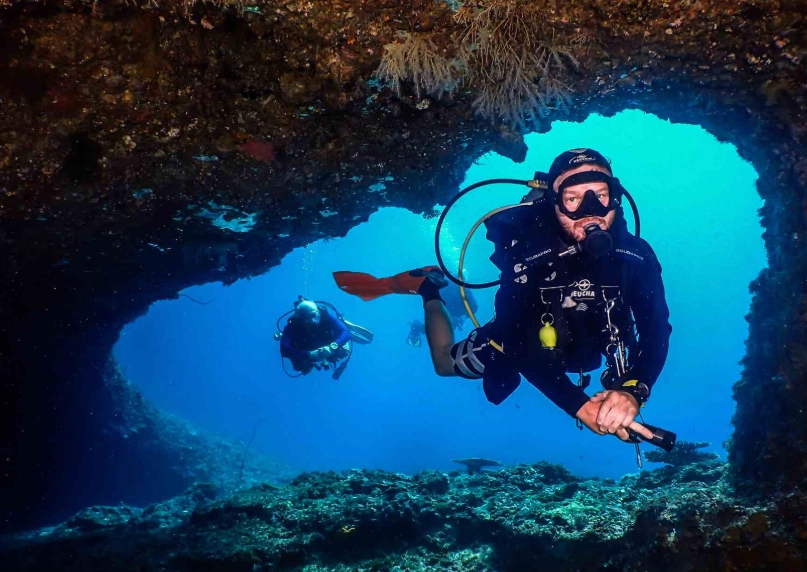
You drop into water so clear it feels like you're floating in air. Sunbeams slice through from above, creating cathedral-like light shows (they call it "the halocline"). You'll navigate between towering stalactites and stalagmites, some still dripping mineral-rich water. It's a totally silent, weightless experience. No current, no waves, just pure exploration.
Top Cenote Dives You Can Actually Book
Most cenote diving is centered around Tulum, Playa del Carmen, and Puerto Aventuras. You must use a certified cave diving guide—this is non-negotiable for safety. Here are two standout experiences:
The Pit (El Pit): This is for advanced open water divers. It starts as a wide opening, then you descend along a massive tree root to about 30 meters. Here, you hit a layer of hydrogen sulfide that looks like a ghostly, shimmering cloud. Swimming through it feels surreal. The light from above is dramatic. It's a deep, atmospheric dive that's technically straightforward but visually unmatched.
Dos Ojos (Two Eyes): The classic, and for good reason. Perfect for beginners to cavern diving. You follow a guideline through stunningly lit caverns. The "Barbie Line" is famous for its bright, electric blue light filtering through the water. It feels like you're in a James Cameron movie. The dive is shallow, calm, and absolutely mesmerizing.
Local Tip Most Guides Won't Tell You: The water in cenotes is fresh on top and saltier below (that's the halocline). When you pass through it, your vision gets wobbly, like a funhouse mirror. New divers often panic, thinking their mask is flooded. It's not. Just relax and keep breathing—it clears as you move through. Also, the freshwater is about 24-25°C (75-77°F), cooler than the sea. A 3mm wetsuit is a good idea, even if you usually dive in a rash guard.
Biodiversity Hotspot: The Sea of Cortez
Jacques Cousteau called it "the aquarium of the world." That wasn't hyperbole. On the Pacific side, the Sea of Cortez (Gulf of California) is where cold, nutrient-rich currents collide with the warm Gulf waters. This upwelling creates an explosion of life that's almost overwhelming.
I remember one dive off La Paz where we were surrounded by a swirling school of hundreds of jacks. Then sea lions started zipping through, playing with our bubbles. A few minutes later, a massive whale shark cruised by in the blue. All in one 50-minute dive. That's the Sea of Cortez.
The star here is the mobula ray. From late spring to early summer, thousands gather in massive schools. Seeing hundreds of these "flying rays" leaping out of the water or soaring beneath you in synchronized formation is a heart-stopping spectacle. You can dive with them near La Paz and Los Cabos.
Then there's Cabo Pulmo, a protected national marine park a few hours north of Cabo San Lucas. It's a conservation success story. Where overfishing had left a desert, the reef has recovered spectacularly. Now it's packed with huge schools of bigeye trevally, snapper, and grouper. You feel tiny. Bull sharks patrol the deeper areas. It's raw, powerful ocean diving.
| Sea of Cortez Dive Site | Key Species & Experience | Best Time to Visit | Skill Level Recommended |
|---|---|---|---|
| El Bajo Seamount (near La Paz) | Hammerhead sharks, giant mantas, dolphins. Deep water pelagic action. | May - November | Advanced (strong currents) |
| Los Islotes | Playful sea lion colonies. Underwater photography paradise. | Year-round (water cooler Dec-Apr) | Beginner to Intermediate |
| Cabo Pulmo National Park | Massive fish schools, bull sharks, healthy coral reefs. | June - November (calmest seas) | Intermediate to Advanced |
| La Paz Bay | Whale sharks (surface snorkeling), mobula rays, sea lions. | Whale Sharks: Oct - Apr Mobulas: May - July |
Beginner (for whale shark snorkel) |
The Caribbean Experience: Reefs and Giants
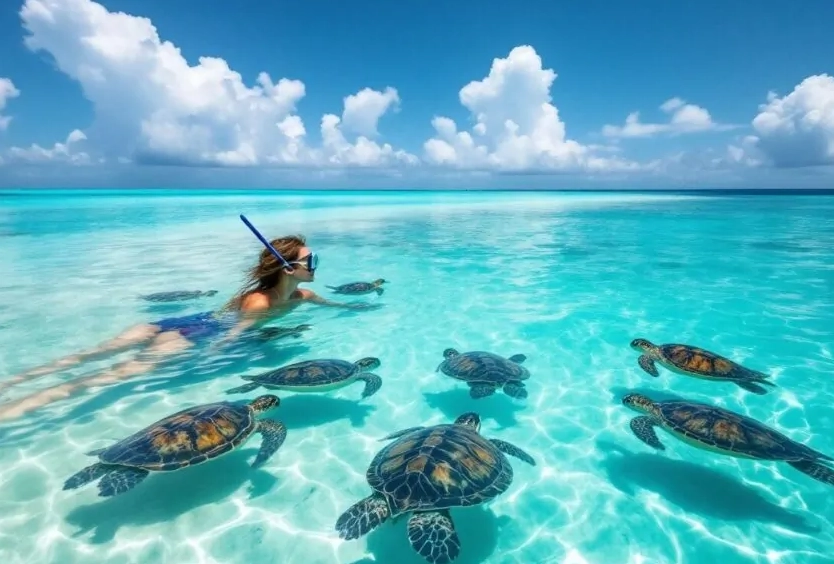
Mexico's Caribbean coast, particularly around Cozumel and Isla Mujeres, is the classic warm-water, high-visibility dive. The Mesoamerican Barrier Reef System runs along here—the second-largest in the world.
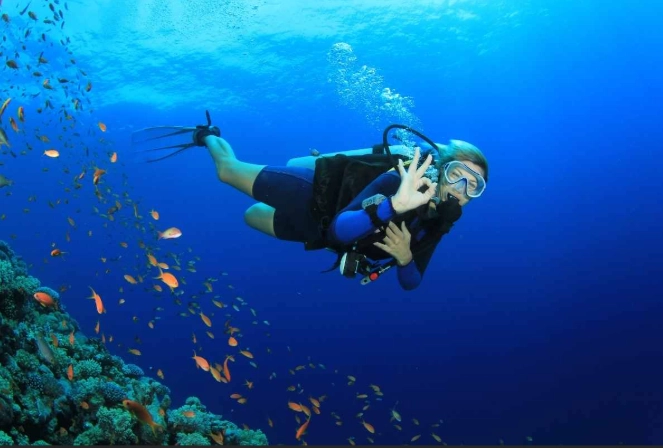
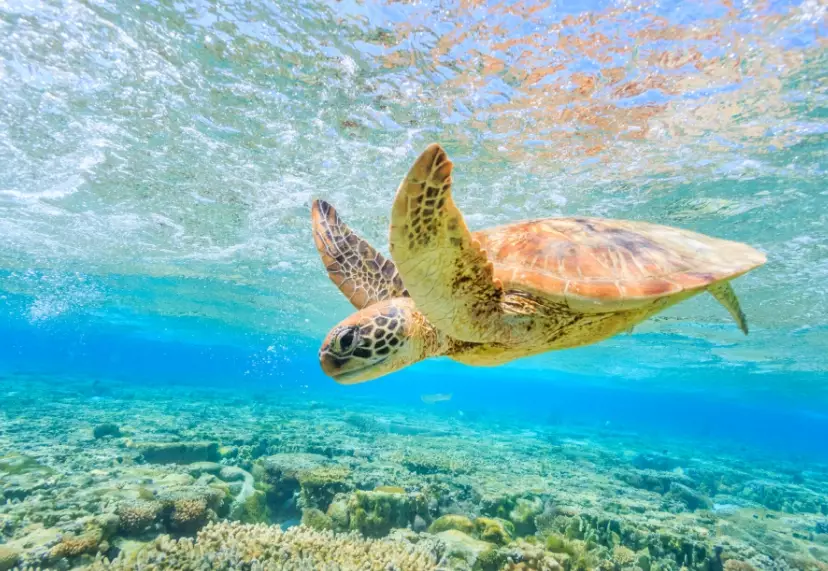
Cozumel is all about the drift dives. You jump in, and the current gently carries you along stunning walls like Palancar and Santa Rosa. It's effortless. You float past enormous sponges in psychedelic colors, eagle rays, and turtles that seem completely unbothered by your presence. The coral coverage is still relatively healthy here compared to other parts of the Caribbean. A typical two-tank boat dive trip from Cozumel will cost you around $110-$130 USD, including gear. Operators like Deep Blue or Scuba Tony are solid choices. The island is easy—fly into Cancun (CUN) and take a 45-minute ferry from Playa del Carmen.
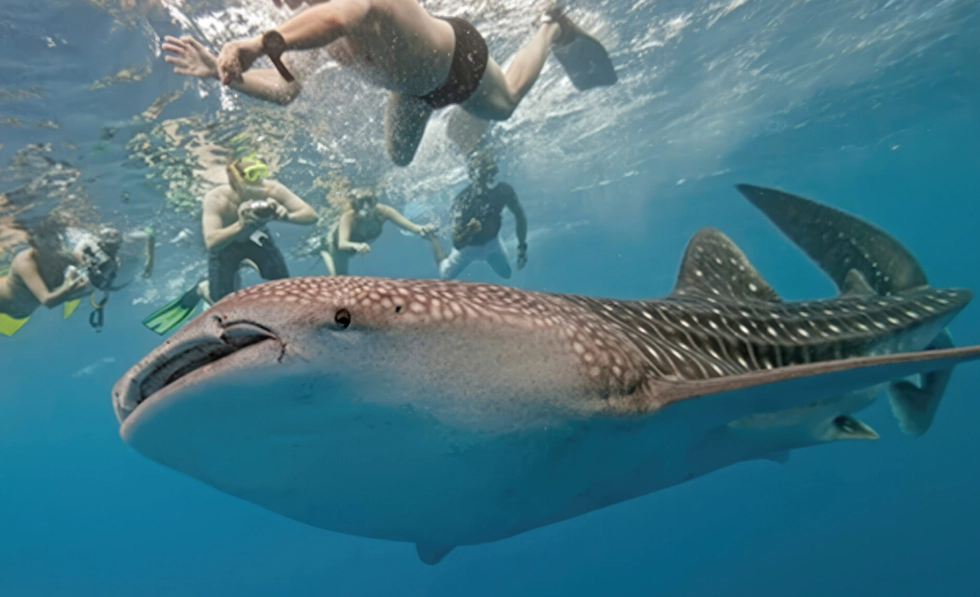
Then there's the whale shark phenomenon near Isla Mujeres and Holbox. From June to September, the world's largest congregation of these gentle giants feeds here. It's a snorkeling trip, not scuba. You ride out on a boat, and when the crew spots one, you slide into the water. Swimming alongside a 10-meter (30-foot) spotted behemoth as it filters plankton is humbling. It's regulated—only a certain number of boats per day, and you must keep your distance. Book with an operator committed to sustainable practices. Expect to pay $120-$150 USD for the full-day trip from Cancun or Isla Mujeres.
Planning Your Mexican Diving Adventure
So you're convinced. Here's how to turn this into an actual trip, not just a dream.
When to Go & What to Budget
Mexico diving is year-round, but seasons shift.
- Caribbean/Cenotes: Best visibility is typically April-August. Hurricane season is June-November, but storms are usually short notice. Winter (Dec-Mar) can have cooler water temps and occasional "nortes" (north winds) that cancel boats for a day or two.
- Pacific/Sea of Cortez: Water is warmest July-October. Whale shark season in La Paz is Oct-Apr. Mobula ray season is May-July. Winter water can be chilly (low 70s°F/ low 20s°C).
Budget-wise, diving is affordable. A two-tank boat dive averages $90-$130 USD. Cenote dives are $100-$150 for a two-tank trip, including park fees and guide. Add $30-$50 per day for gear rental if you don't bring your own. Accommodation runs from $50/night hostels to $300+ luxury resorts. Food is cheap and fantastic.
Choosing an Operator: Don't Just Pick the Cheapest
This is critical. A bad operator can ruin a great dive site. Look for:
- Small group sizes: 6-8 divers per guide is ideal. Avoid cattle boats packing 20+ people.
- Boat condition: Check reviews for comments on safety, equipment, and professionalism.
- Ecological ethos: Do they brief against touching coral or chasing animals? Do they support local conservation? This matters.
- Guide-to-diver interaction: A good guide tailors the dive to the group's skill level and interests.
For cenote diving, only use operators whose guides hold full cave diving certifications (not just "cavern guide"). Ask for their credentials. Reputable shops will proudly show them.
A Sample 5-Day Diving Itinerary: The Yucatán Classic
Day 1-2: Playa del Carmen/Tulum (Cenotes)
Arrive Cancun (CUN). Transfer south (1-1.5 hours).
Day 1: Check in, do a refresher dive in a calm cenote like Casa Cenote if you're rusty.
Day 2: Full day of cenote diving. Do Dos Ojos in the morning and The Pit (if qualified) or another like Calavera in the afternoon.
Day 3-4: Cozumel (Reef Drifts)
Morning ferry from Playa del Carmen to Cozumel (40 mins).
Day 3: Afternoon check-in. Do a late afternoon shore dive at Villa Blanca or similar to get oriented.
Day 4: Full day two-tank boat dive on the southern reefs (Palancar, Columbia).
Day 5: Whale Sharks or Departure
Option A (June-Sept): Pre-book a whale shark snorkel tour from Cozumel or return to Playa for a tour from there.
Option B: Ferry back to Playa, last-minute shopping, transfer to Cancun airport (1 hour).
Your Mexico Diving Questions Answered
Is cenote diving safe for beginners with only open water certification?
What scuba certification do I need for the best Mexico diving?
What's the one month I should absolutely avoid for diving in Mexico?
How do I choose between Cozumel and the Sea of Cortez?
Mexico's diving supremacy isn't an accident. It's geography, climate, and conservation efforts (in places like Cabo Pulmo) coming together. You get three completely different worlds in one country: the silent, mystical cenotes; the bustling, fish-packed reefs; and the wild, big-animal Pacific. That range is unmatched.
You can spend a lifetime exploring just one of these regions. Most divers do. Start with one. Get your advanced cert, pick a coast, and go see for yourself why the question isn't if Mexico is good for diving, but how soon you can get back.
Comments