Let's be honest. When you search for "best scuba diving in Mexico Cancun," you're not just looking for a list of dive sites. You're looking for that perfect, unforgettable underwater experience. The kind you'll be bragging about for years. Cancun delivers, but with so many options—from eerie shipwrecks to bustling reefs—it's easy to feel overwhelmed. I've been diving here for over a decade, and I still discover new corners. This guide cuts through the noise. I'll show you exactly where to go, how to pick an operator that doesn't treat you like cargo, and share a few local secrets most blogs miss.
Your Cancun Diving Roadmap
Why Cancun is a Diving Powerhouse
Forget the spring break image. Offshore, Cancun sits on the northeast tip of the Yucatan Peninsula, where the Caribbean Sea meets the Gulf of Mexico. This geography creates a unique mix of conditions. You get the calm, clear waters of the Caribbean alongside fascinating geological formations and a huge variety of marine life. The Mesoamerican Barrier Reef, the second-largest in the world, stretches down from here, meaning the reef ecosystems are healthy and vibrant.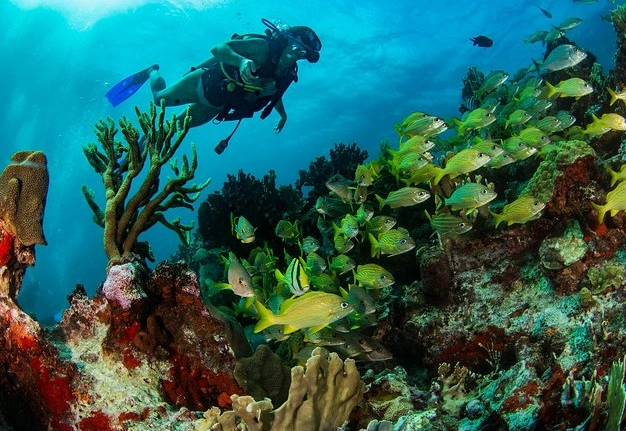
But what makes a dive in Cancun truly "the best"? It's the diversity. In one trip, you can explore intricate coral gardens teeming with life, descend onto massive sunken ships, and drift along walls where eagle rays soar. It's a one-stop shop for underwater adventure.
A Local's Tip: Most divers head straight for Cozumel (which is fantastic). But that means Cancun's own reefs and wrecks are often less crowded. You can have a world-class dive without the cattle-boat feeling, especially if you go with a smaller, local operator.
The Unmissable Dive Sites of Cancun
Here’s the breakdown of where you should be spending your time underwater. I've ranked these not just by popularity, but by the consistency of great conditions and unique experiences.
MUSA – The Underwater Museum of Art
This isn't just a dive site; it's an experience. Over 500 life-sized sculptures are submerged between 4 to 8 meters (12-26 feet), designed to promote coral life. It's surreal, thought-provoking, and perfect for snorkelers and new divers.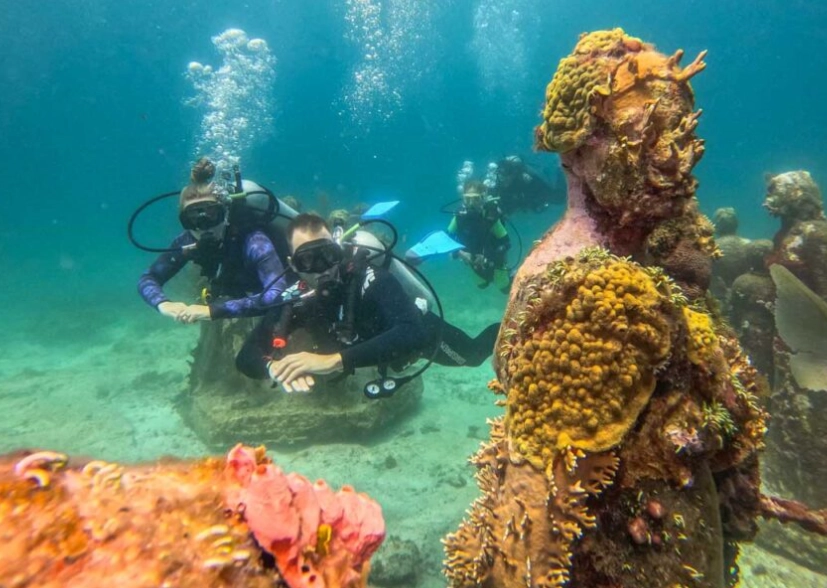
Location: Between Cancun and Isla Mujeres.
Depth: 4-8m (12-26ft).
Visibility: Excellent, often 20m+.
The Vibe: Artistic, eerie, and fantastic for photos. The sculptures are now covered in soft corals and sponges, creating a fusion of art and nature.
Best For: Beginners, snorkelers, photographers, and anyone wanting a unique, easy dive.
Dive Operator Tip: Look for operators that go to the Man on Fire or The Silent Evolution clusters—they're the most impressive.
Cost Guide: A 2-tank dive trip here typically runs $90-$120 USD, including gear.
C-58 & C-59 Shipwrecks
For me, this is the heart of advanced diving in Cancun. Two Mexican Navy minesweepers, deliberately sunk in 2000, now sit upright on the sandy bottom at about 30 meters (100 feet). They're massive, intact, and absolutely covered in enormous sponges, black coral, and schools of grunts and snapper. Swimming through the bridge of the C-58 is a rite of passage.
Location: South of Isla Mujeres.
Depth: 25-30m (80-100ft).
Visibility: Can be variable, but usually good (15-20m).
The Vibe: Majestic, adventurous, a true wreck diver's playground.
Best For: Advanced Open Water divers or confident intermediates with good buoyancy. Nitrox is highly recommended.
Local Secret: On the sand between the wrecks, keep an eye out for garden eels and the occasional sleeping nurse shark.
Cost Guide: Advanced/Nitrox trips run $110-$140 USD for two tanks.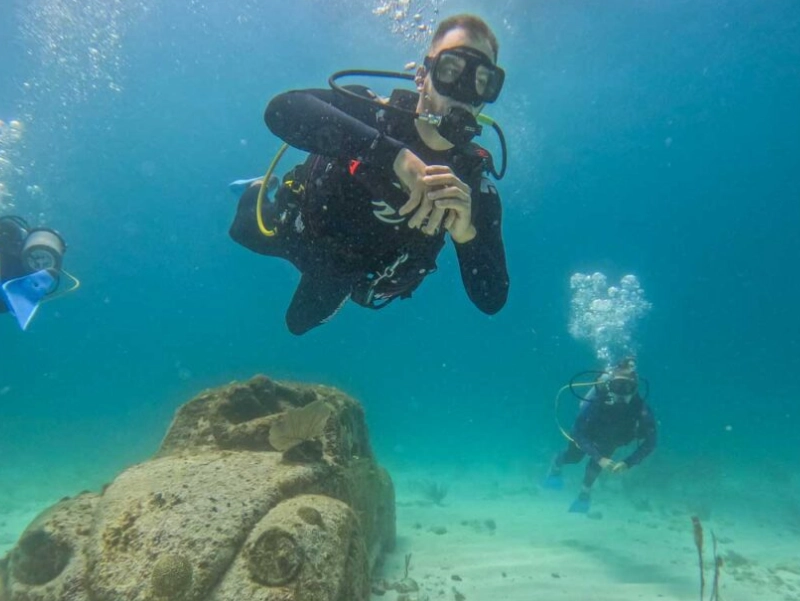
La Bandera & Manchones Reef
This is your classic, beautiful Caribbean reef dive. Vibrant coral formations—brain coral, elkhorn, gorgonians—rise from the seafloor, creating canyons and swim-throughs. The life here is constant: parrotfish chomping on coral, moray eels peeking from holes, turtles gliding by, and huge schools of blue tang and chromis.
Location: Off the coast of Cancun's Hotel Zone.
Depth: 12-20m (40-65ft).
Visibility: Consistently excellent, often 30m+.
The Vibe: Colorful, lively, and quintessentially Caribbean.
Best For: All divers. It's a perfect check-out dive, a great second dive after the wrecks, or a stellar spot for underwater photography.
Dive Operator Tip: Ask if the operator does a drift dive here. It's effortless and lets you cover more of the stunning reef.
Cost Guide: Often included in 2-tank reef packages for $80-$100 USD.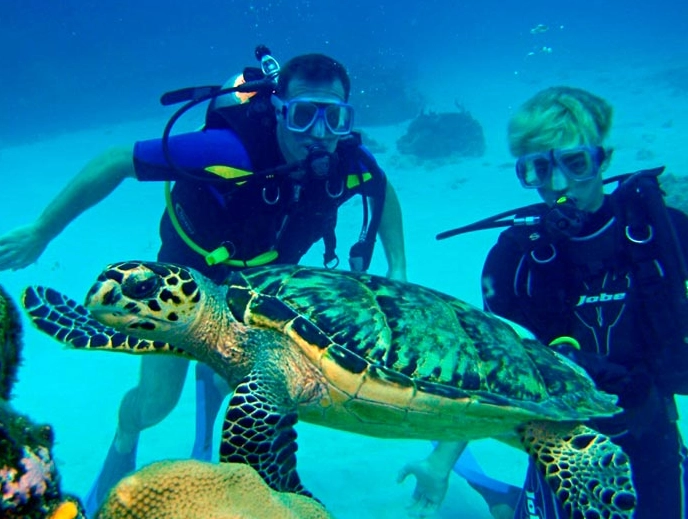
How to Choose Your Dive Operator (The Right Way)
This is where most people go wrong. They book the cheapest option or the first one that pops up on Google. The operator makes or breaks your "best dive" experience.
First, decide on your boat style. Most operators use one of two types:
| Boat Type | Pros | Cons | Best For |
|---|---|---|---|
| Fast Boat ("Panga" or Speedboat) | Gets to sites quickly (less than 30 mins), smaller groups (6-8 divers), more flexible schedule. | Can be bumpy in choppy seas, limited space for gearing up, usually no bathroom. | Small groups, experienced divers, photographers wanting more bottom time. |
| Large Dive Boat | Stable ride, more space, bathroom facilities, shaded areas, often includes snacks/drinks. | Slower transit (45-60 mins), larger groups (15-20+ divers), can feel impersonal. | Beginners, families, divers who prefer more space and amenities. |
Here are my non-negotiable questions to ask before booking:
What's the maximum group size per guide? Anything over 8 divers to one guide is a red flag for me. 4-6 is ideal, especially for newer divers.
Do you offer guided dives or are you a "follow-the-leader" operation? The best guides point out the hidden critters you'd miss—a juvenile frogfish, a seahorse, a cleaning station. They don't just swim in a straight line.
What's your policy if sea conditions are bad at our chosen site? Good operators have a Plan B and C. They should be willing to switch to a sheltered site rather than cancel or force a rough, miserable dive.
I've had great experiences with smaller, locally owned shops whose owners are on the boat every day. Their reputation depends on your happiness. Check recent reviews on platforms like TripAdvisor, but pay more attention to the detailed reviews than the star rating alone.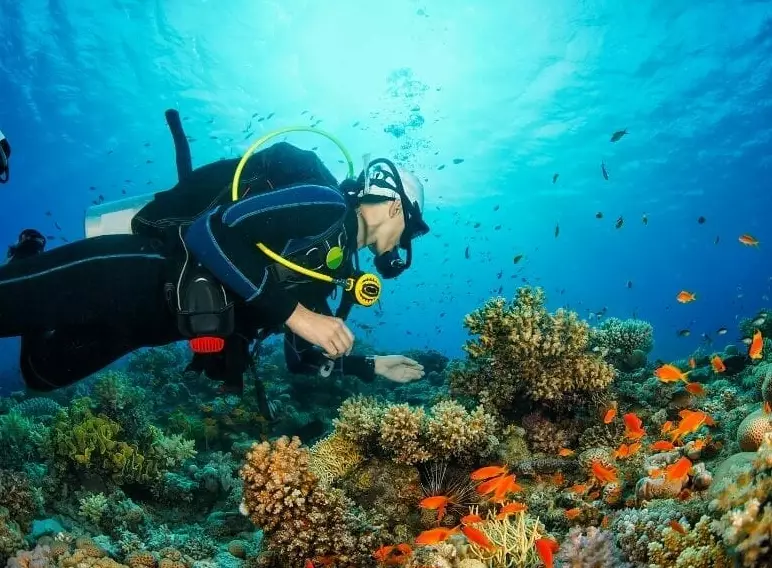
What Does Diving in Cancun Really Cost?
Let's talk numbers so there are no surprises. Prices are in USD and are averages—you can find cheaper and more expensive.
- Two-Tank Reef Dive Trip: $80 - $120. Includes tank, weights, and guide. Boat type (fast vs. large) is the main price driver.
- Two-Tank Advanced/Wreck Dive Trip: $110 - $150. Often includes nitrox.
- Full Gear Rental (BCD, Regulator, Wetsuit): $25 - $40 per day.
- MUSA Dive or Snorkel Trip: $90 - $130 for diving, $40 - $60 for snorkeling.
- Marine Park Fee: Usually $2 - $5 per day, sometimes included in trip price.
Budgeting for a 3-Day Diving Trip: For two dives per day, with gear rental, expect to spend roughly $300 - $450 on the diving itself. Tipping your guide and crew is customary—10-15% of the trip cost is a good guideline if the service was great.
When is the Absolute Best Time to Dive in Cancun?
You can dive year-round, but conditions vary. The "best" time depends on what you prioritize: perfect visibility, whale sharks, or avoiding crowds.
| Season | Conditions | Water Temp | What You'll See | Considerations |
|---|---|---|---|---|
| Dry Season (Dec-Apr) | Calm seas, superb visibility (30m+), sunny. | 75-78°F (24-26°C) | All regular reef/wreck life. Peak tourist season. | Busiest, most expensive time for hotels/flights. Book operators well in advance. |
| Shoulder Season (May-Jun, Oct-Nov) | Good visibility, warm water, occasional brief rain. | 80-82°F (27-28°C) | All regular life. Possible early/late season whale sharks (May-Jun, Oct). | My personal favorite. Great balance of good weather, fewer people, and lower prices. |
| Rainy/Hurricane Season (Jul-Sep) | Warmer water, higher chance of rain/storms, visibility can decrease after heavy rain. | 84-86°F (29-30°C) | WHALE SHARKS (peak Jul-Sep). Also manta rays and dolphins. | You'll need a 3mm shorty or rash guard at most. Whale shark tours are a separate, snorkel-only activity. Watch weather forecasts. |
The biggest mistake I see? People coming in December and being disappointed they missed the whale sharks. If seeing them is a dream, you must come between June and September.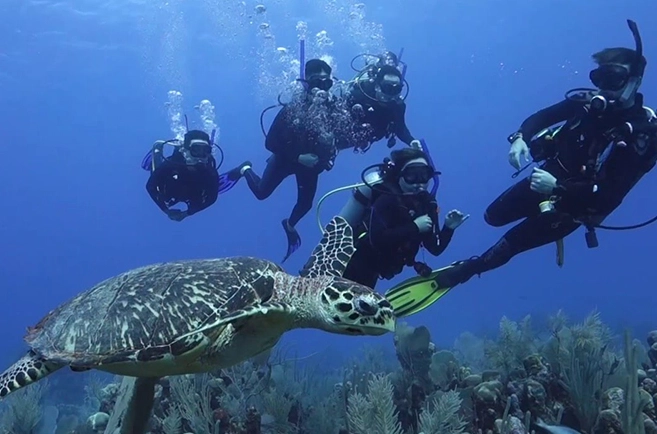
Your Cancun Diving Questions, Answered
Is Cancun good for beginner divers?
Cancun is an excellent place for beginners, primarily because of sites like MUSA and shallow reefs like La Bandera. The conditions are often calm, the water is warm, and visibility is high, which reduces anxiety. The key is choosing an operator known for patience and small groups. Tell them it's your first ocean dive—a good shop will pair you with a guide who stays close and points out everything.
Do I need to be certified to dive in Cancun?
For any real scuba diving, yes, you need at least an Open Water Diver certification from agencies like PADI, SSI, or NAUI. If you're not certified, you have two great options right in Cancun: 1) A Discover Scuba Diving (DSD) experience. This is a supervised, one-day intro where an instructor gives you basics in a pool or confined water, then takes you on a shallow, guided dive. 2) Get certified! Many dive shops offer PADI Open Water courses that can be completed in 3-4 days. The training dives happen on Cancun's beautiful reefs—a much nicer classroom than a murky quarry back home.
What is the number one mistake divers make when planning a Cancun trip?
Not checking the cruise ship schedule for Isla Mujeres. On days when 3-4 large ships dock, the most popular sites near the island (including parts of MUSA) can feel like underwater highways. A seasoned local operator will know this and either schedule around it or take you to less-visited sections. Always ask your chosen shop, "Are there many cruise ship excursions going to our sites on that day?"
Can I dive the cenotes from Cancun?
Yes, but it's a full-day commitment. The famous freshwater cenotes (like Dos Ojos, The Pit) are near Playa del Carmen and Tulum, about a 1.5 to 2-hour drive south from Cancun. Most dive shops in Cancun offer cenote day trips, which include transportation, guide, and typically two cenote dives. It's absolutely worth it for a unique experience—diving in crystal clear freshwater with stunning haloclines and light beams—but it's a different skillset (overhead environment, no current). You usually need at least an Open Water certification, and some advanced cenotes require Advanced Open Water.
How does Cancun diving compare to Cozumel?
They're siblings, not twins. Cozumel is famous for its dramatic, deep wall drifts along the Palancar Reef, with stronger currents and generally larger marine life (more eagle rays, bigger turtles). It's a diver's island. Cancun offers more variety in a smaller geographic area: world-class wrecks, the unique MUSA, beautiful reefs, and easier access to cenotes and whale sharks (in season). Cancun is also better if your travel group includes non-divers, as there's a vast array of other activities. My advice? If you have a week, split your time. Do 2-3 days of diving in Cancun, then take the ferry to Cozumel for 2-3 days of drift diving.
Your comment