Let's be honest. When you search for the best scuba diving in Cancun, you're bombarded with generic lists. "Go to the reef!" they all say. But which part of the reef? For who? And what about the otherworldly experiences just inland? After countless dives here, from guiding newbies to exploring deep cenotes, I've learned that "best" is personal. It depends on your certification, your comfort level, and what makes your heart race—seeing a massive school of fish or floating in a crystal-cave beam of light.
Cancun sits at the tip of Mexico's Yucatan Peninsula, offering a unique two-for-one deal: the warm, fish-filled Caribbean Sea and the mystical freshwater cenotes (sinkholes) in the jungle. The diving here isn't just good; it's incredibly diverse. But that also means you can waste a lot of time and money on the wrong trip.
Your Quick Dive Guide
Top Dive Sites in the Cancun Area
Forget just one "best" spot. Think of it as a menu. Here’s a breakdown of the standout locations, each with a different flavor. I've included coordinates or common departure points so you can discuss them directly with dive shops.
| Site Name | Type / Location | Max Depth | What Makes It Special | Best For |
|---|---|---|---|---|
| MUSA (The Underwater Museum of Art) | Artificial Reef, between Cancun & Isla Mujeres | 8-12 meters (26-39 ft) | Over 500 life-sized statues creating an eerie, beautiful artificial reef teeming with life. A unique blend of art and conservation. | Beginners, snorkelers, photographers. Perfect for a first ocean dive. |
| El Bajito (The Little Reef) | Natural Reef, Cancun Hotel Zone | 15-20 meters (49-65 ft) | A classic Caribbean spur-and-groove reef formation. Expect towering coral structures, swim-throughs, and a high chance of seeing turtles, rays, and large schools of grunts and snapper. | Intermediate divers, wildlife enthusiasts. More "traditional" reef diving. |
| La Bandera | Wreck & Reef, near Puerto Morelos | >20-30 meters (65-98 ft)A 50-meter cargo ship intentionally sunk in 2020. It's already attracting coral growth and big fish. Often combined with a vibrant shallow reef dive. | Advanced Open Water divers, wreck lovers. Good buoyancy control is a must. | |
| C-58 Canyons | Drift Dive, Cozumel (day trip) | >18-25 meters (59-82 ft)While technically in Cozumel, this is a world-class drift dive many Cancun operators offer. You'll fly along dramatic coral canyons covered in sponges, with eagle rays and sharks often in the blue. | Experienced divers comfortable with currents. The quintessential Cozumel experience. | |
| Cenote Dos Ojos | Freshwater Cenote, near Tulum | >10 meters (33 ft)Not in the sea, but unmissable. Two connected cenotes ("Two Eyes") with breathtaking haloclines, stalactites, and beams of sunlight piercing the crystal-clear water. It's like flying. | All certified divers (with a guide). The most famous and accessible cenote dive. |
Here's a thing most blogs won't tell you: The conditions at these sites change daily. A site like "El Bajito" can be magical one day with 30-meter visibility and sleepy the next. A good dive shop will check conditions in the morning and suggest the best spot for that day, not just sell you a pre-packaged tour to the most advertised location.
How to Choose the Right Dive Site for You
Picking from the list above isn't about checking boxes. It's about matching the dive to your logbook and your mood.
If You're a Beginner (Just Certified Open Water)
Stick to MUSA or the shallow parts of the natural reef in the Cancun National Marine Park. The depth is manageable, currents are usually mild, and there's tons to see without overwhelming you. Avoid the pressure to do a deep dive or a cenote just because your buddy wants to. A good first ocean dive builds confidence. A bad one can ruin the sport for you.
If You're an Experienced Diver Looking for Thrills
You have two paths. For big animal action and pristine reefs, book a day trip to Cozumel. The ferry ride is about 45 minutes from Playa del Carmen (a short transfer from Cancun). The drift dives there are legendary. For a completely unique experience, dedicate at least one day to cenote diving. It's a different skill set—buoyancy control becomes an art form—but it's arguably the most memorable diving in the Yucatan.
If You're Traveling with a Non-Diving Partner or Family
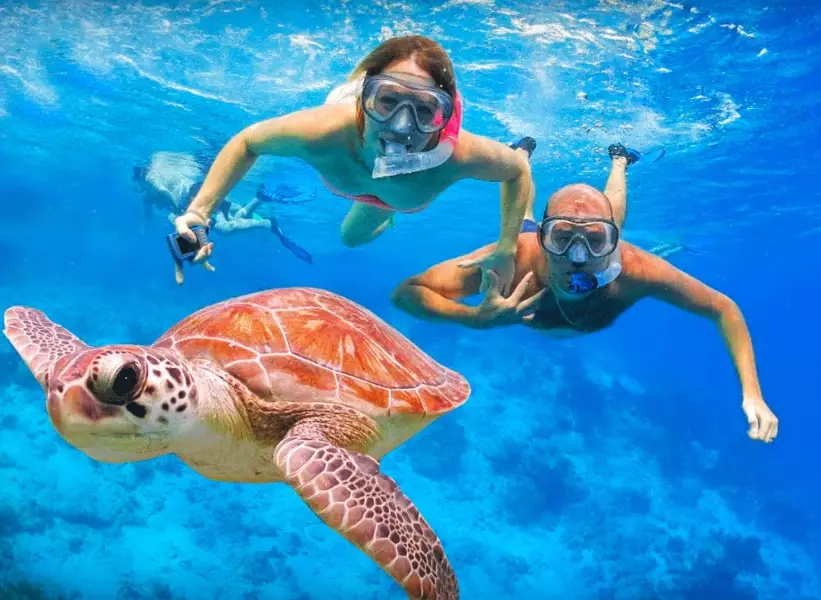
MUSA is your best friend. Many tour operators run combined snorkel/scuba trips to the museum. Your partner can snorkel above while you dive, and you'll both be talking about the same incredible statues afterward. Some boats also offer glass-bottom boat views.
The Real Deal on Cenote Diving
Cenote diving is the secret weapon of the Riviera Maya. It's not cave diving—you're in caverns, always within sight of natural light. But it feels otherworldly.
You'll gear up in the jungle, descend into a hole of crystal-clear freshwater, and navigate through stunning geological formations. The light plays tricks, creating sapphire blue and emerald green hues. You might see ancient fossil beds or tiny, translucent cave fish.
Popular cenotes for first-timers include Dos Ojos (most famous), El Pit (deeper, with a hydrogen sulfide cloud), and Chac Mool (beautiful light shafts). Most cenotes are located south of Cancun, around Playa del Carmen and Tulum, requiring a 60-90 minute van ride. The trip is worth it.
Practical Tips for Your Cancun Dive Trip
Knowing where to dive is half the battle. Here’s how to make it happen smoothly.
Best Time to Go: Year-round, really. December to April offers the driest weather and best visibility (often 30m+). May to November is warmer, with a higher chance of rain and algae (sargassum) on beaches, but underwater visibility is still good, and prices are lower. Hurricane season peaks Sept-Oct, but storms are well-tracked.
Choosing a Dive Operator: Don't just book from your hotel concierge. They often get the biggest commission, not the best service. Look for shops with small groups (6-8 divers max per guide), newer-looking equipment, and staff who ask about your experience level. Check reviews specifically for "safety" and "guide knowledge." Reputable operators include those affiliated with PADI or SSI and those who actively discuss marine park conservation fees (about $4-6 USD per day).
What to Budget: A standard two-tank boat dive in Cancun runs $90-$130 USD. A two-tank cenote dive, including transport, guide, and gear, is $120-$160 USD. A full-day trip to Cozumel (2 dives, ferry, transport) can be $180-$220 USD. Always confirm what's included: gear, weights, park fees, snacks, and transportation from your hotel.
Logistics: Most dive boats leave from marinas in the Hotel Zone or Puerto Morelos. Be ready for a 8:00 AM or 1:00 PM check-in. Bring your certification card, a towel, and reef-safe sunscreen (applied at least 30 mins before diving to avoid harming coral).
Your Scuba Diving in Cancun Questions, Answered
So, the best scuba diving in Cancun? It's out there. It's the perfect reef dive that matches your skill level. It's the moment of awe in a sun-dappled cenote. It's choosing the right operator who cares about your experience and the ocean. Do your homework, be honest about your abilities, and get ready for some of the most accessible and varied warm-water diving in the world.

Comments