You're staring at flight deals to Cancun, imagining turquoise water and white sand. But you're a diver. The real question isn't about the beach—it's what's underneath. Does Cancun have good scuba diving? Let's settle this right now: Yes, it does, but with a massive, crucial caveat. The ocean diving is solid, reliable, and pretty. But the real global draw, the thing that makes Cancun a world-class diving destination, isn't in the ocean at all. It's inland, in the freshwater cenotes. If you're only planning to do ocean dives here, you're missing at least half the story, arguably the better half.
What You'll Find in This Guide
Why Cancun Diving is Uniquely Spectacular
Most tropical destinations offer one thing: coral reefs. Cancun offers two completely different universes.
The Ocean Side: You're diving along the Mesoamerican Barrier Reef, the second-largest reef system on the planet. The water is warm year-round (79-84°F / 26-29°C). Visibility is consistently excellent, often 80-100 feet. It's accessible, with many sites just a short boat ride from the hotel zone. It's good, dependable Caribbean diving.
Now, The Cenote Side: This is the game-changer. The Yucatán Peninsula is a giant slab of limestone. Rainwater filtered over millennia has carved out an immense network of underground rivers and caves. Where the ceiling has collapsed, you get a cenote—a natural swimming hole that's your gateway to this otherworldly realm.
Here's the insider perspective: Many first-timers think cenote diving is cave diving. It's not, and that's key. Most recreational dives are in "cavern zones," where you always have visible, direct access to sunlight and the surface opening. It's an overhead environment that requires a specialized guide and brief training, but it's accessible to Open Water divers. The experience? Swimming through crystal-clear freshwater, watching light beams slice through the darkness, and seeing surreal haloclines where salt and fresh water meet and shimmer like a mirage. No fish? Plenty. You'll see blind cave fish, freshwater turtles, and more.
This dual offering is what elevates Cancun from a "good" dive spot to a "must-consider" destination. You can spend the morning exploring a colorful reef and the afternoon floating in a cathedral of light inside the earth. Name another place that lets you do that.
A Breakdown of the Top Dive Sites
Let's get specific. Here’s where you should be asking your dive shop to go.
Top Ocean & Reef Sites (Near Cancun & Isla Mujeres)
| Site Name | Depth Range | Highlights & What to Expect | Best For |
|---|---|---|---|
| MUSA (The Underwater Museum) | 15-30 ft (5-9m) | Over 500 life-sized sculptures on the sand. Artificial reef now covered in coral and sponges. Unique photo op. Can feel crowded. | Beginners, snorkelers, unique photography. |
| Manchones Reef | 20-45 ft (6-14m) | Classic, sprawling coral garden. Healthy elkhorn and brain coral formations. Abundant tropical fish, eagle rays, occasional turtles. | All levels, reliable marine life sightings. |
| Cave of the Sleeping Sharks ("La Cueva") | 60-80 ft (18-24m) | A sandy-bottom overhang where nurse sharks rest. Not guaranteed, but common sight. Requires good buoyancy to avoid silting. | Advanced Beginners/AOW divers, shark enthusiasts. |
| El Tunel (The Tunnel) | 40-70 ft (12-21m) | A swim-through archway covered in vibrant sponges and black coral. Often has strong currents, bringing pelagics like jacks and barracuda. | Experienced divers comfortable with current. |
A quick note on MUSA: It's iconic, but manage expectations. The sculptures are cool, but the coral growth is still developing compared to natural reefs. It's a great, easy dive, but don't make it your only ocean dive.
Must-Do Cenote Dives (Inland, near Puerto Morelos/Tulum)
These are usually a full-day trip from Cancun (45-90 min drive). Worth every minute.
Dos Ojos (“Two Eyes”): The most famous for a reason. It's a massive system with two main cenotes connected by a long cavern. The “Barbie Line” is bathed in ethereal blue light and is perfect for first-time cenote divers. Water clarity is simply insane.
The Pit (El Pit): For those with deeper diving experience (Advanced Open Water). You descend into a vast cavern where a hydrogen sulfide layer hangs like a cloudy blanket at around 90 feet. Swimming through it feels like flying through clouds. Light beams from the surface hole are dramatic.
Angelita: Another advanced site. A sunken island of vegetation sits in the middle, surrounded by a thick halocline that looks like a flowing river within the water. One of the most surreal visual experiences in diving.
My personal take? If you only do one cenote, make it Dos Ojos. It's the perfect introduction. If you're Advanced certified and your dive shop offers a two-tank trip to The Pit and Dos Ojos, book it immediately.
What You'll See: Marine Life & Visibility
Visibility in the ocean is a major selling point. Runoff is minimal, so 60-foot visibility is a bad day. You regularly get 80-100 feet. This makes everything feel more grand and is fantastic for underwater photography.
The reef life is healthy, though it has faced pressures like everywhere else. You'll see the standard Caribbean cast:
Guaranteed Cast: Parrotfish, angelfish, sergeant majors, trumpetfish, moray eels, spotted eagle rays (especially near sandy patches), and loads of brain and star corals.
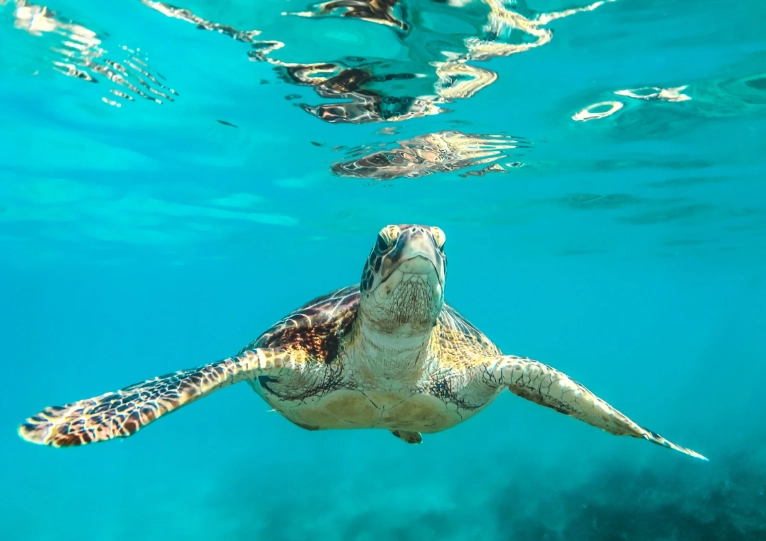
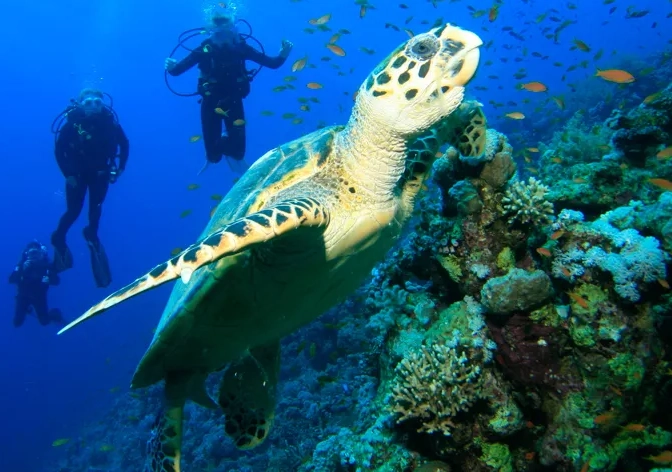
Lucky Sightings: Sea turtles (green and loggerhead are common), nurse sharks (especially at the cave site), bull sharks (seasonal, winter months, more common in nearby Playa del Carmen), and occasional dolphin pods passing by the boat.
It's not the biodiversity hotspot of Indonesia, but it's vibrant, accessible, and reliable. The cenotes, of course, offer a completely different biological show—blind cave fish, freshwater shrimp, and unique geological formations.
How to Plan Your Diving Trip: A Step-by-Step Guide
Let's make this actionable. Here's how to turn this information into a real trip.
Step 1: Decide Your Dive Focus. Are you 70% ocean, 30% cenote? Or 50/50? This affects where you stay. Pure ocean diving is easiest from the Hotel Zone. Serious cenote divers might consider staying in Playa del Carmen or Tulum to reduce drive times, but Cancun is still a fine base.
Step 2: Choose the Right Time.
Best Conditions: May through September. Calm seas, warm water, great visibility.
Shoulder Season (Still Great): October, November, April. Slightly higher chance of rain or wind.
Consideration: December-March can have "nortes"—strong northern winds that can cancel ocean boats for a day or two. Have a flexible schedule or plan cenote dives for these potential wind days. Water is a bit cooler but still fine in a 3mm wetsuit.
Step 3: Pick a Reputable Dive Shop. Don't just book the cheapest hotel kiosk. Look for:
- Smaller operations with personal service.
- Clear communication about their cenote policy (they should require a cavern orientation/guided dive, not just hand you a map).
- Guides who are local and experienced. I've had great, personal experiences with shops like Scuba Cancun (well-organized, great boats) and Phantom Divers (excellent for smaller groups and cenote trips). Do your own research, read recent reviews, and email them with specific questions.
Step 4: Budget Realistically.
- A standard 2-tank ocean boat dive: $90-$120 USD.
- A 2-tank cenote diving trip (includes guide, gear, park fees, often lunch): $130-$170 USD.
- Gear rental is usually extra ($20-$30/day).
Tip: Many shops offer discounted multi-day packages.
Step 5: Build a Sample 4-Day Diving Itinerary.
Day 1: Check-in dive. A 2-tank trip to Manchones Reef and MUSA. Acclimate, test gear.
Day 2: Cenote day. Full-day trip to Dos Ojos. A mind-blowing contrast.
Day 3: Advanced reef day. Dive El Tunel and the Cave of the Sleeping Sharks (if conditions allow).
Day 4: Your choice. Repeat a favorite, try another cenote like The Pit (if certified), or take a day trip to Cozumel (a longer ferry ride, but legendary drift diving).
Is Cancun Good for Beginner Divers?
Yes, but with caveats that most blogs don't mention.
The Good: The ocean sites are generally calm, shallow, and have minimal current. The warm, clear water builds confidence. Many shops are adept at handling new divers.
The Common Beginner Mistake: Overestimating your energy and logbook. Diving is tiring, especially in warm water. New divers often book 4 consecutive days of 2-tank trips and are exhausted by day 3. Space it out. Do a dive day, then a beach/snorkel/cenote *snorkeling* day, then another dive day.
Can beginners dive cenotes? Officially, most shops require at least Open Water certification and a separate cavern orientation dive (which they provide). The skills needed—perfect buoyancy, no finning on the bottom, spatial awareness—are exactly what new divers struggle with. My advice? Get 10-15 ocean dives under your belt first. You'll enjoy the cenotes infinitely more when you're not fighting your buoyancy the whole time. It's a safety and enjoyment issue.
If you're a total newbie, you can get certified in Cancun. Prices are competitive with the US, and doing your open water dives in that clear water is a joy. Just factor in 3-4 days for the course.
Your Burning Questions Answered
Is cenote diving safe for someone with only Open Water certification?
What's the one piece of gear I should bring to dive in Cancun?
I'm an experienced diver. Will I find Cancun's ocean diving boring?
How does the diving compare to Cozumel, right next door?
Are there any major environmental concerns I should be aware of?
So, does Cancun have good scuba diving? The answer is a resounding, nuanced yes. It provides a fantastic, user-friendly introduction to the Caribbean's reefs and, more importantly, a gateway to one of the planet's most unique freshwater diving adventures. Plan for both, choose your operator wisely, and you'll leave with memories that go far beyond the all-inclusive buffet.


Comments