Let's cut to the chase. Mexico isn't just a good diving destination; it's a world-class aquarium sprawled across two vast coastlines. The "best" spot doesn't exist—it depends entirely on what you're after. Are you a new diver dreaming of calm, fish-packed reefs? A thrill-seeker wanting to drift with sharks? Or maybe you're chasing a specific, mind-blowing marine event? I've logged hundreds of dives here over the years, and the real secret is matching the destination to your experience and appetite for adventure.
Forget the generic lists. We're going deep on the five places that consistently deliver unforgettable underwater experiences, with the nitty-gritty details you need to book your trip.
Dive Site Quick Guide
- Cozumel: The Wall Diving Capital
- Playa del Carmen & the Cenotes
- La Paz & the Sea of Cortez
- Revillagigedo (Socorro) Islands
- Cancun: Wrecks & Beginner Reefs
- How to Choose Your Perfect Mexican Dive Destination
- Planning Your Mexico Diving Trip: Practical Tips
- Mexico Scuba Diving: Your Questions Answered
Cozumel: The Wall Diving Capital
If you mention scuba diving in Mexico to any seasoned diver, their first thought will likely be Cozumel. It's famous for a reason. The island's western coast is protected as the Cozumel Reefs National Marine Park, resulting in incredibly healthy, vibrant coral formations. The star here is the sheer, vertical wall drift diving.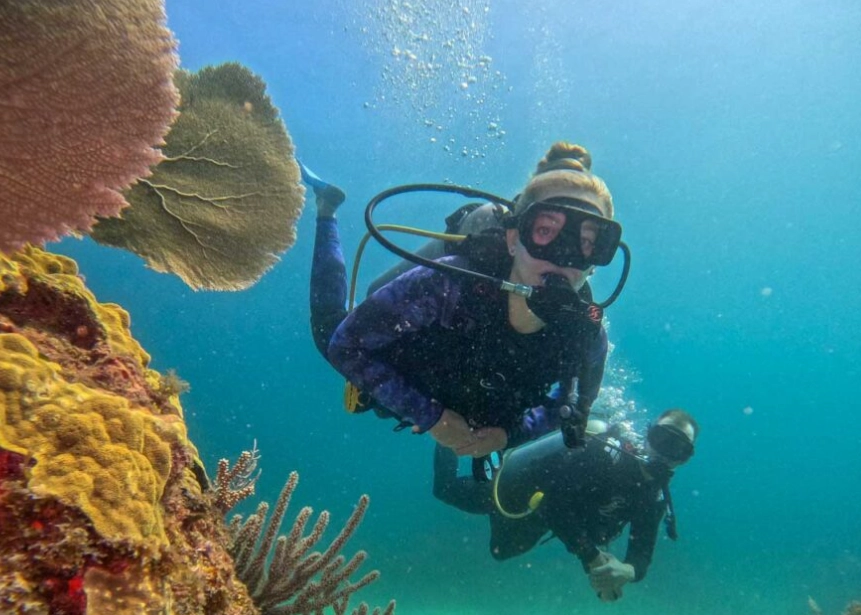
What Makes It Special
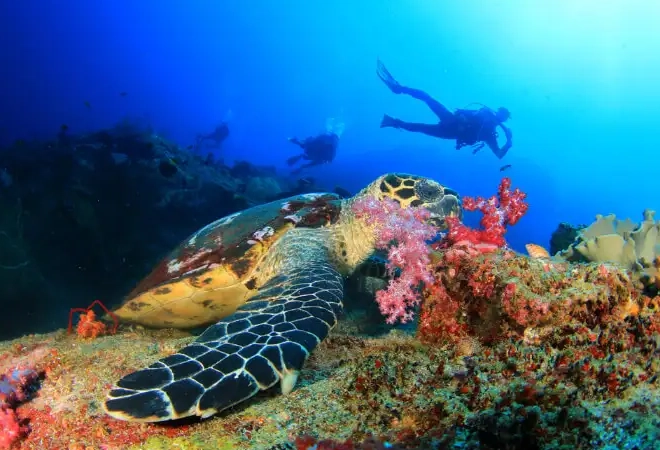
Palancar Reef and Santa Rosa Wall are the icons. You'll glide along sponge-covered cliffs that drop into the abyss, surrounded by clouds of tropical fish—angelfish, parrotfish, groupers. The current does the work, giving you a relaxed, flying sensation. It's not uncommon to see turtles, eagle rays, and the occasional nurse shark resting in sandy patches.
Who It's For
This is intermediate heaven. The drift diving is generally easy and predictable, but you need decent buoyancy control to avoid crashing into the coral. I see too many new Open Water divers get fixated on Cozumel because of its fame, only to struggle with the currents. Get 20-30 dives under your belt first, or plan to do your Advanced Open Water course here.
Logistics & Tips
- Getting There: Fly into Cancun International Airport (CUN), then take a 45-minute ADO bus or a private transfer to Playa del Carmen. From Playa, it's a 40-minute ferry to Cozumel. You can also find direct flights to Cozumel's small airport (CZM) from some US hubs.
- Dive Operators: The marina is packed with shops. I've had reliable, professional service with operators like Deep Blue and Scuba Tony. Book ahead in high season (Dec-Apr). A two-tank boat dive typically costs $100-$130 USD.
- Best Time to Go: Year-round, but visibility peaks from May to September. Summer can be hotter and rainier, but the water is bathtub-warm.
Playa del Carmen & the Cenotes
Just across the water from Cozumel, Playa del Carmen offers a completely different, and uniquely Mexican, diving experience: the cenotes. These are freshwater sinkholes and cave systems formed in limestone, offering crystal-clear visibility (often 100m+) and surreal light effects.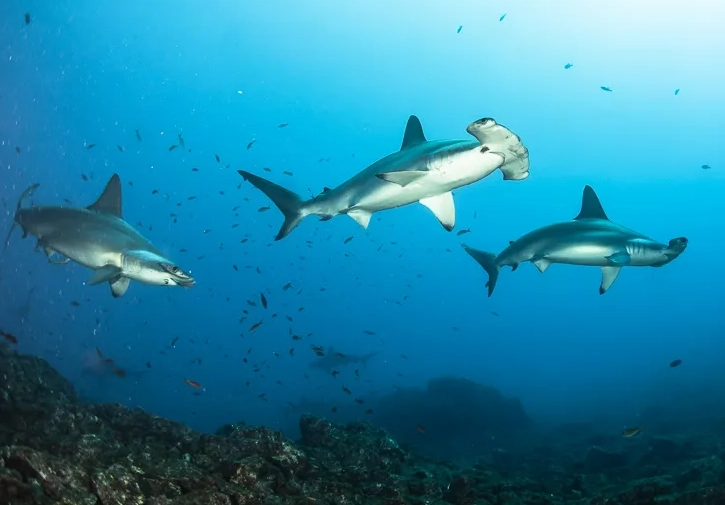
Personal Take: Diving a cenote for the first time feels like being an astronaut. The halocline—where fresh and saltwater meet and create a shimmering blur—is disorienting in the best way. It's not marine life that's the draw here; it's the geology and the light.
Top Cenotes for Divers:
- Dos Ojos ("Two Eyes"): The most famous. Perfect for beginners to cavern diving. You follow a permanent guideline through stunning stalactites and stalagmites, with beams of sunlight piercing the darkness.
- The Pit: A deep, atmospheric dive. You descend past a hydrogen sulfide cloud that looks like fog, into cooler, clear water. For advanced divers only due to depth.
- Angelita: Famous for its "underwater river"—a layer of hydrogen sulfate that looks like a flowing riverbed with "trees" (branches) on it. A truly bizarre and advanced dive.
In Playa itself, the ocean diving is solid, with reefs close to shore and the chance to dive with bull sharks seasonally (Nov-Mar).
La Paz & the Sea of Cortez
On the Pacific side, the Sea of Cortez (Gulf of California) is a UNESCO World Heritage site dubbed "the aquarium of the world" by Jacques Cousteau. La Paz is its laid-back capital. The vibe here is wilder, the water cooler, and the marine life bigger.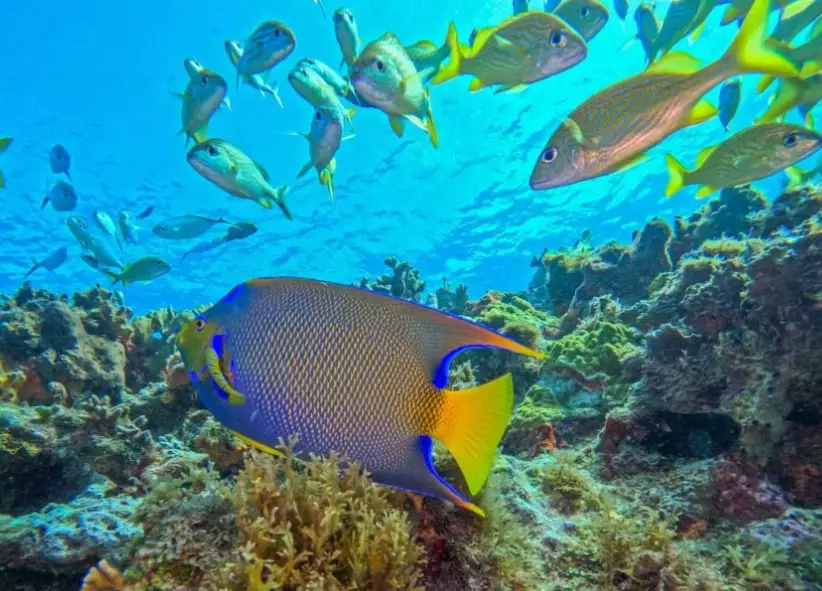
The main attraction? Diving with whale sharks (season: Oct-Apr) and sea lions at Los Islotes. The sea lion pups are incredibly playful, zooming around divers. It's an interactive, joyful dive.
Further north, Cabo Pulmo is a must. It's a protected national marine park that has undergone a miraculous recovery. You'll find the largest living coral reef in the Gulf of California here. Schools of jacks, bigeye trevallies, and sometimes even bull sharks patrol the reefs. It feels alive in a way few other places do. You'll need to stay in a nearby eco-lodge or drive from San Jose del Cabo for the day.
Revillagigedo (Socorro) Islands
This is the big leagues. Located about 250 miles off the coast of Cabo San Lucas, the Socorro Islands are a remote archipelago accessible only by liveaboard (a 24-hour boat ride). This is bucket-list, advanced diving.
The Ultimate Pelagic Experience
You come here for one reason: giant pelagic animals. From December to May, you have a high probability of encounters with:
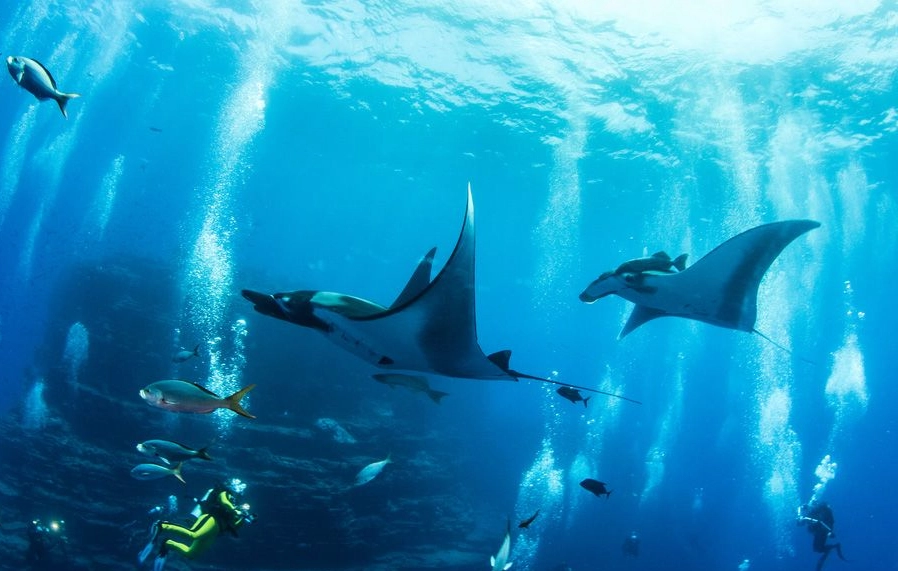
- Giant Mantas: With wingspans over 20 feet, some are curious and will circle divers repeatedly.
- Humpback Whales: You can often hear their songs underwater, and sometimes they approach the boat or are seen while diving.
- Sharks: Silvertip, Galapagos, and hammerhead sharks are common sights. Dolphins and tuna schools are almost guaranteed.
The Reality Check
It's expensive ($4,000-$6,000+ for a 10-day trip), the seas can be rough, and dives are often in strong currents. You need to be an experienced, confident diver (100+ logged dives is a common recommendation). Operators like Solmar V and Nautilus run excellent trips here. This isn't a casual vacation; it's an expedition.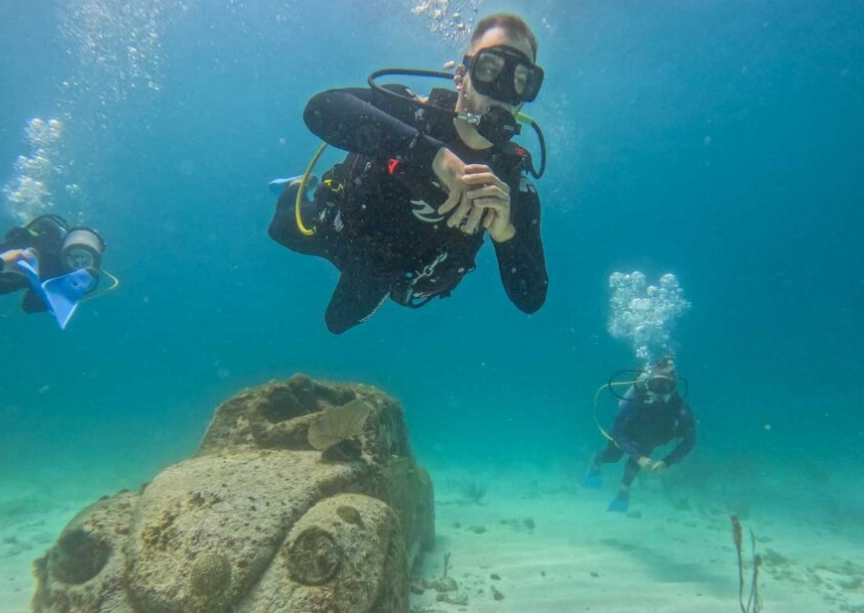
Cancun: Wrecks & Beginner Reefs
Cancun often gets dismissed by purists, but it has two fantastic things going for it: incredible accessibility and the MUSA (Underwater Museum of Art).
The MUSA is a collection of over 500 life-sized sculptures submerged at depths perfect for both snorkeling and diving. It's an eerie, beautiful, and unique dive. The sculptures are designed to promote coral growth, so it's a living art exhibit.
For beginners, the reefs just offshore, like Manchones, are shallow, calm, and full of life—ideal for Open Water students or nervous first-timers. You can also dive the C-58 Wreck, a deliberately sunk minesweeper.
Staying in the Hotel Zone means you're never more than a 10-minute boat ride from a dive site. It's the most convenient and family-friendly dive base in Mexico.
How to Choose Your Perfect Mexican Dive Destination
Don't just pick the prettiest picture. Match the site to your logbook and comfort level.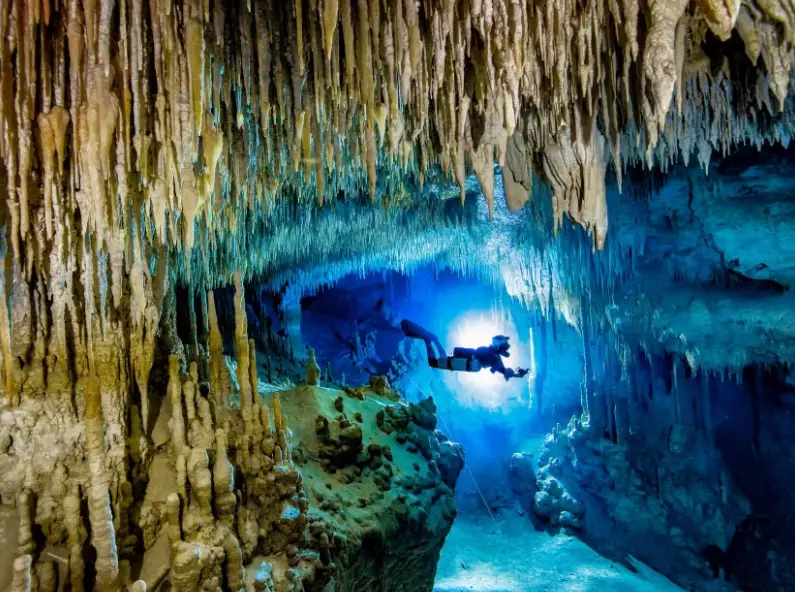
| Destination | Best For | Marine Life Highlights | Skill Level Recommended | Water Temp Range |
|---|---|---|---|---|
| Cozumel | Drift diving, vibrant coral walls | Colorful reef fish, turtles, eagle rays | Intermediate+ (Open Water with 20+ dives) | 77-84°F (25-29°C) |
| Playa del Carmen / Cenotes | Cavern diving, unique geological formations | Freshwater fish, light effects, bull sharks (seasonal) | All levels (caverns require guide/cert) | 75-77°F (24-25°C) in cenotes |
| La Paz / Sea of Cortez | Animal encounters, playful sea lions | Whale sharks, sea lions, large schools of fish | Beginner to Advanced (site dependent) | 68-82°F (20-28°C) |
| Revillagigedo Islands | Big animal pelagic action, adventure | Giant mantas, humpback whales, sharks | Advanced (100+ dives, comfortable in current) | 72-78°F (22-26°C) |
| Cancun | Convenience, wrecks, underwater art, beginners | Sculptures, reef fish, occasional turtles/rays | Beginner to Intermediate | 77-84°F (25-29°C) |
Planning Your Mexico Diving Trip: Practical Tips
A few things I've learned the hard way:
- Timing is Everything: Hurricane season is June-November on the Caribbean side. The Pacific season is May-October. You can dive during these times (often cheaper), but be flexible and get travel insurance. For guaranteed calm seas and whale shark/whale seasons, target December-April.
- Bring Your C-Card and Logbook: Reputable shops will ask to see them, especially for advanced sites or cenote/cavern dives.
- DAN or Dive Insurance: Non-negotiable. Ensure your policy covers hyperbaric treatment and evacuation. Local chambers of recompression are available in Cozumel and Playa.
- Respect the Environment: Don't touch anything. Use reef-safe sunscreen. Follow your guide's instructions, especially in protected parks like Cozumel or Cabo Pulmo. The health of these sites depends on responsible tourism.
- Booking Operators: Look for PADI 5-Star or equivalent centers. Read recent reviews focusing on boat maintenance and guide-to-diver ratios. A cheap operator cutting corners on safety isn't a bargain.
Your comment