The world has reopened, and the call of the ocean is stronger than ever. But let's be honest, planning a diving trip now feels different. It's not just about finding the best wall or the most mantas anymore. You're also thinking about health forms, cancellation policies, and what happens if someone on the boat coughs. Having done a few trips myself since borders reopened, from the Red Sea to Southeast Asia, I've learned that the old playbook needs some serious updates. The good news? With the right approach, diving travel can be safer, smoother, and more rewarding than you might think. This guide cuts through the noise and gives you the concrete, actionable steps you need to take.
Quick Navigation: Your Post-Pandemic Dive Plan
How Has COVID-19 Changed Diving Travel?
Forget 2019. The baseline has shifted. The most significant change isn't a rule you can point to; it's a mindset. Flexibility is now your most important piece of gear. I learned this the hard way when a last-minute testing requirement almost derailed a liveaboard booking. Destinations can update entry rules with little notice, airlines change policies, and dive operators might adjust their group sizes.
Here’s what you're actually dealing with now:
Health Protocols Are Front and Center: You'll encounter them everywhere – from the airport to the dive shop. Many reputable operators have adopted enhanced cleaning routines for gear and boats, and some even keep logs for contact tracing. It's not just theater; it directly impacts your safety.
Trip Insurance is Non-Negotiable: I used to consider it optional for short trips. Not anymore. You need a policy that explicitly covers COVID-19-related cancellations and medical treatment abroad. Read the fine print on quarantine coverage.
The Booking Process is More Detailed: Be prepared to answer more questions. Operators want to know your vaccination status, and they're more diligent about medical forms. This is a good thing – it shows they're taking safety seriously.
How to Choose a Post-COVID Dive Destination
Picking where to go involves a new set of filters. Beyond reef health and season, you need to assess stability and infrastructure.
Ask these questions:
- How clear and consistent are the entry requirements? Look for official government tourism sites, not just blog summaries. The IATA Travel Centre is a reliable starting point, but always verify with the embassy.
- What is the local healthcare capacity? This is crucial. A remote atoll might be dreamy, but if you need medical attention, how far is the nearest adequate hospital? Destinations with robust medical tourism sectors often handled the pandemic better.
- Is the local dive industry actively adapting? Look for operators who communicate their health measures clearly on their websites. It signals professionalism.
Top 3 Post-COVID Dive Destinations Getting It Right
Based on my research and conversations with other dive pros, these spots combine great diving with manageable logistics.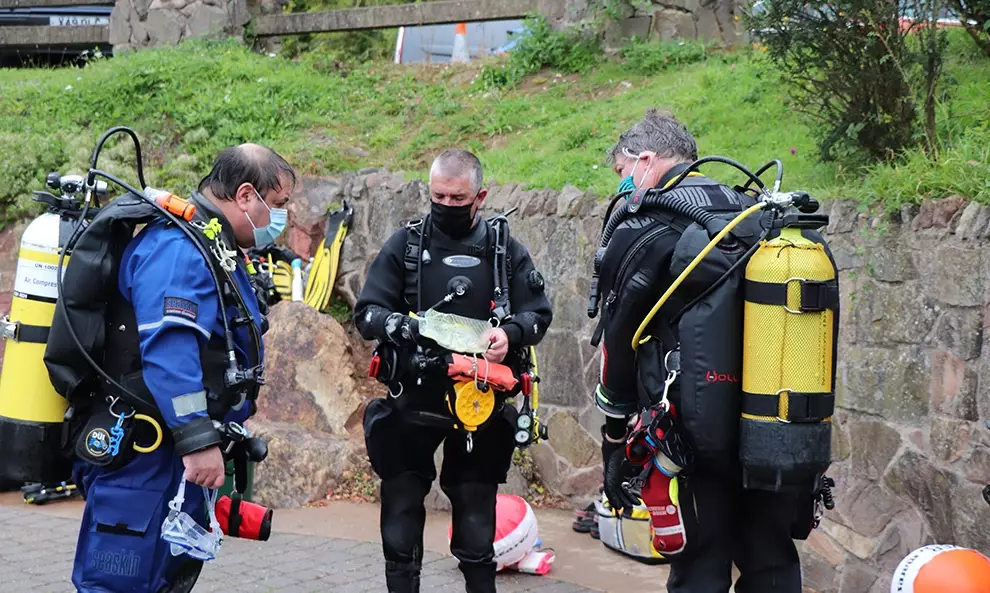
| Destination | Why It's a Good Post-COVID Choice | Sample Dive Operator & Note | Current Entry Vibe (Always Verify!) |
|---|---|---|---|
| Belize | Easy direct flights from the US, well-established tourism infrastructure, and the Belize Tourism Board has clear, frequently updated protocols. The barrier reef offers plenty of options. | Operators like "Belize Aggressor" liveaboard have detailed COVID-19 plans online. Many resorts on Ambergris Caye offer flexible rebooking. | Generally straightforward for vaccinated travelers. Pre-registration on a health app is common. |
| The Maldives | The resort-island model is almost made for social distancing. You're essentially in a bubble. Most resorts have on-site PCR testing facilities, removing a major logistical headache. | Liveaboards like "Carpe Diem" have implemented strict pre-boarding testing and cabin "isolation" protocols for any suspected cases. | Open to tourists, often with a negative PCR test pre-arrival. Resort-based travel is streamlined. |
| Galapagos, Ecuador | Ecuador has a centralized, digital system for health verification. The liveaboard model controls exposure. The adventure attracts a crowd that tends to be highly vaccinated and health-conscious. | High-end operators like "Galapagos Master" have invested in air filtration systems and reduced cabin occupancy. | Requires vaccination proof and a digital health declaration. Processes are well-organized but can be paperwork-heavy. |
Don't just default to the closest spot. A slightly longer flight to a destination with clear rules and good healthcare might be less stressful overall.
Your Step-by-Step Pre-Trip Planning Checklist
This is where you turn anxiety into action. Do these things in order.
Step 1: Deep Research (8-12 Weeks Out)
Go beyond dive sites. Bookmark the official tourism page and the US Embassy (or your country's equivalent) page for your destination. Sign up for travel advisories. Simultaneously, research 2-3 dive operators. Read the "Health & Safety" or "COVID-19" page on their site. If it's vague or non-existent, move on.
Step 2: The Insurance Talk (Immediately After Research)
Get quotes from providers like DAN (Divers Alert Network), which offers specific travel insurance with dive accident coverage, or companies like World Nomads that allow you to customize for pandemic-related issues. Ensure it covers "trip interruption due to quarantine." Buy it as soon as you put money down.
Step 3: Flexible Booking (6-10 Weeks Out)
Prioritize operators and airlines with free change/cancellation policies. Pay the extra for refundable accommodations if you can. I now view this as part of the trip cost, not an optional extra. When you book your dives, ask about their group size. Smaller groups aren't just better for diving; they're lower risk.
Step 4: The Document Pack (4 Weeks Out)
Create a digital folder and a physical copy. It should contain: Vaccination records, any required health declaration forms (often digital, like Belize's Travel Health Insurance), dive insurance policy, standard travel insurance, and your dive certification cards. Have passport-style photos on your phone for random forms.
Step 5: The Smarter Packing List
Besides your regular gear, add: A large supply of high-filtration masks (KN95/N95), a small bottle of hand sanitizer for your gear bag, your own antiseptic wipes for cleaning rental gear consoles, and a basic travel thermometer. Consider bringing your own regulator mouthpiece or a full mask if you're wary of rentals.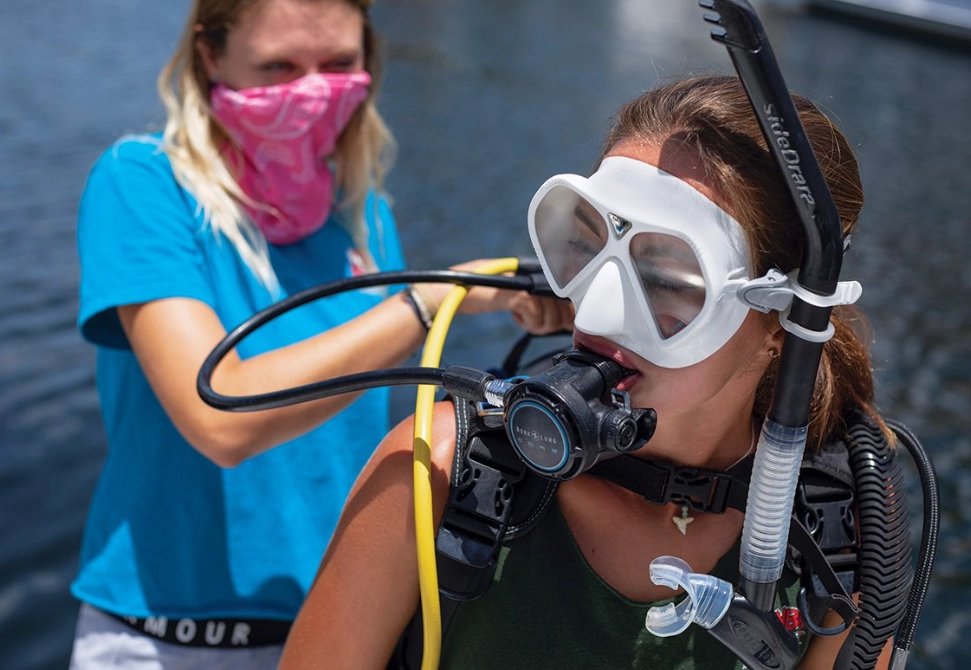
Staying Safe at Your Dive Destination
You've arrived. The work isn't over, but it's manageable.
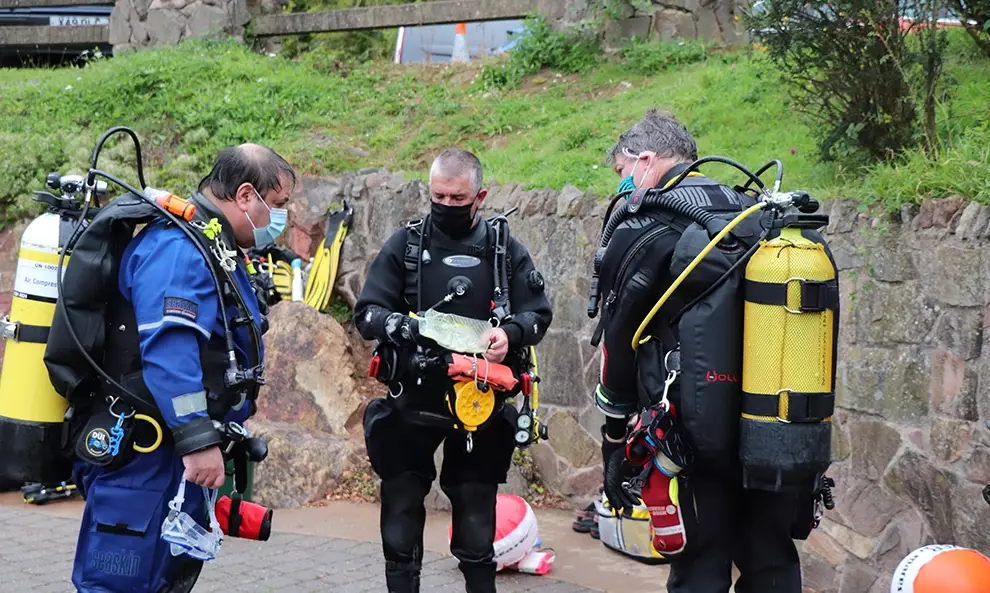
On the Dive Boat: Respect the operator's rules. If they ask you to sanitize hands before handling communal gear, do it without complaint. Give people space when gearing up. A good operator will have a protocol for meal service—often served individually now instead of buffet-style. Use it as a chance to chat with the crew about how things have been; they have the real on-the-ground insight.
Handling Your Gear: If you're renting, give it an extra wipe-down with your own antiseptic wipe on the first day. Focus on high-touch areas: the console, the BCD inflator/deflator buttons, and tank valve. Most shops now have enhanced cleaning, but it gives you peace of mind.
Managing Your Health: Listen to your body more than ever. Feeling run down? Maybe sit out a dive. The pressure to "get your money's worth" is strong, but diving while immunocompromised is a bad idea. Stay hydrated, get sleep, and don't overdo the après-dive parties.
I was on a boat where a diver developed mild symptoms. Because the operator had a clear plan—isolate the diver in a designated cabin, arrange immediate testing at the next port, and had masks for everyone—the situation was handled without panic. It showed the value of choosing a prepared operator.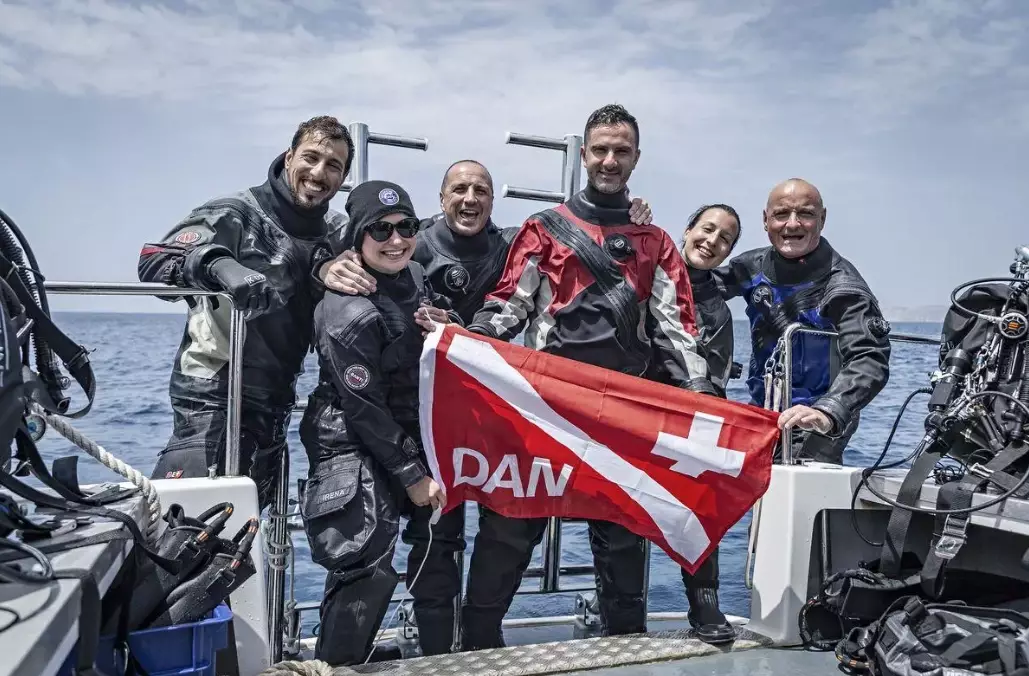
Your Post-COVID Dive Travel Questions Answered
 Is it irresponsible to travel on long-haul flights for diving right now?
 The bottom line? Post-COVID dive travel demands more homework and a different kind of vigilance. But that homework leads to smoother travels. By prioritizing flexibility, verifying details obsessively, and choosing partners who take safety seriously, you can confidently answer the ocean's call. The reefs have been waiting, and with this new approach, you're ready to visit them wisely.
Your comment