Your Dive Guide
- Why Socorro? What's the Big Fuss Anyway?
- When to Go: Timing Your Socorro Diving Adventure
- How to Get There: The Liveaboard Reality
- What's a Dive Day Really Like in Socorro?
- Beyond the Diving: The Surface Interval Life
- Gear Talk: What to Bring (and What Not To)
- The Nitty-Gritty: Costs, Visas, and Logistics
- Common Questions (The Stuff You Actually Google)
- Final, Unvarnished Thoughts
Let's cut right to it. You've seen the videos. You've heard the stories from that one friend who won't stop talking about it. A swirling vortex of giant mantas, walls of hammerhead sharks, and dolphins that seem to pose for the camera. That's the promise of Socorro Mexico diving. It's not just a trip; it's a pilgrimage for serious divers.
But here's the thing they don't always tell you upfront. It's remote. It's not cheap. The seas can be, well, lively. I remember my first crossing, thinking, "Is this normal?" while holding onto my bunk. Yet, the moment you slip into that deep blue and a manta with a 20-foot wingspan glides over to check you out, every bit of that journey vanishes. It's pure magic.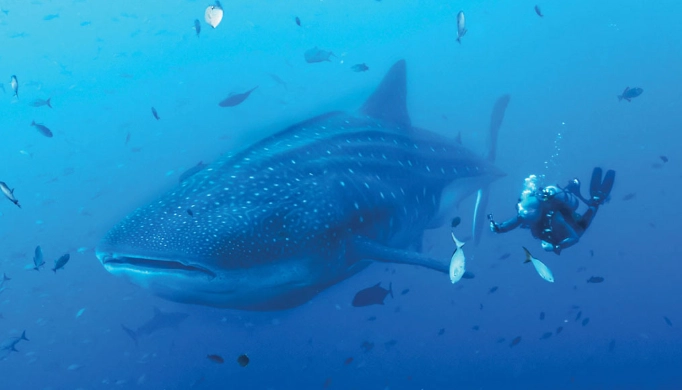
The Core Truth: Socorro Mexico diving is about the big stuff. It's for divers who get a bigger thrill from a 40-foot whale shark than a tiny nudibranch (though those are there too). It's an open-ocean adventure in the Revillagigedo Archipelago, a UNESCO World Heritage Site about 250 miles off the coast of Cabo San Lucas. You don't just drive there. You live on a boat for a week. And that's part of the adventure.
Why Socorro? What's the Big Fuss Anyway?
I think the fuss is justified, but let's be specific. It's not just "good diving." It's a specific type of diving that you can't get many places on Earth.
The Revillagigedo Islands—Socorro, San Benedicto, Roca Partida, and Clarion—are like mountain peaks rising from the deep ocean floor. This attracts massive amounts of nutrients, which attracts the big pelagic animals. It's a highway for marine life in the middle of nowhere. The islands are a critical refuge, a fact underscored by their protection as a Mexican National Park and Biosphere Reserve and their UNESCO status. This protection matters. It means the animals here are often incredibly curious, not fearful from bad encounters.
My personal highlight? The mantas at San Benedicto's "The Boiler." They have a distinct lack of personal space and will hover right over you, making eye contact. It's an intelligence you can feel. But your list will be different.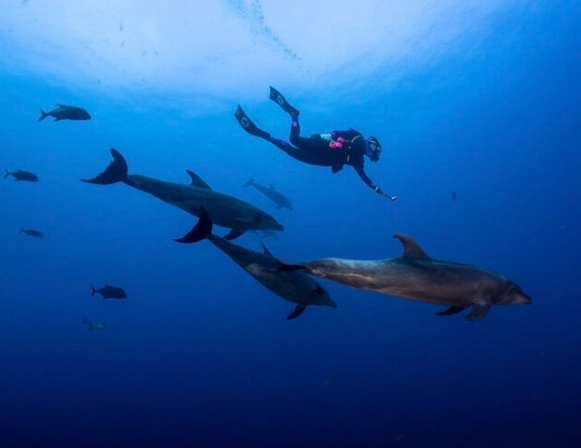
The A-List Cast of Characters
- Giant Pacific Manta Rays: The celebrities. Some are over 22 feet across. They have unique ventral spot patterns, and researchers from organizations like The Manta Trust actually track them. You might see "Lemon Lip" or "Shadow." They often come for bubble baths from your regulator.
- Scalloped Hammerhead Sharks: Not just one or two. Schools of hundreds. They're shy but mesmerizing, especially at Roca Partida, a sheer pinnacle in the open ocean.
- Bottlenose Dolphins: Not distant sightings. Pods that race in, play, and sometimes even mimic your diving. It's a two-way interaction.
- Whale Sharks: Seasonal (mainly Nov-May), but when they're around, it's often with multiple individuals. Gentle giants filtering plankton.
- Humpback Whales: The soundtrack of your trip (Dec-Apr). You hear their songs while diving. Seeing one underwater is rare luck, but seeing them breach from the boat is common.
- Galapagos Sharks, Silky Sharks, Tiger Sharks: The supporting cast that would be the main event anywhere else.
See what I mean? It's a heavy-hitting lineup. A single Socorro Mexico diving trip can check off multiple lifetime goals.
When to Go: Timing Your Socorro Diving Adventure
This is the most common question, and the answer isn't simple. There is no "bad" time, but there are different times. Your experience hinges on this choice.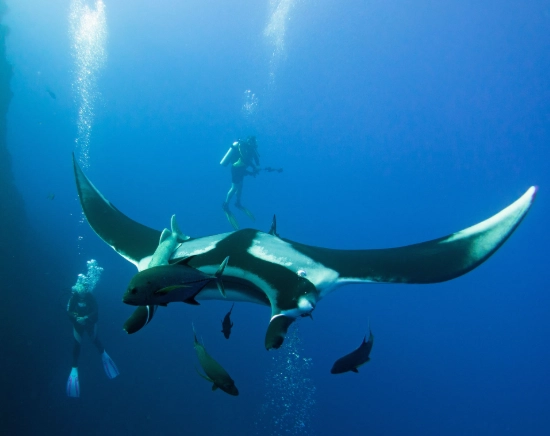
Pro Tip: Don't just pick a month for one animal. The ocean is unpredictable. Pick a season for the overall conditions and animal mix you prefer. Hope for your dream encounter, but plan for the ensemble.
| Season | Months | What You'll Likely See | Ocean Conditions | Who It's For |
|---|---|---|---|---|
| Winter / Whale Season | December - April | **Humpback Whales** (peak Jan-Mar), Whale Sharks, Mantas, Hammerheads. Whale song audible underwater. | Can be the roughest seas, especially for the crossing. Water temps cooler (72-78°F). | Whale enthusiasts, photographers wanting dramatic surface scenes. Prepared for potential challenging boat rides. |
| Spring / Peak Season | May - June | Excellent all-around. Humpbacks leaving, but great visibility. Mantas, Hammerheads, Dolphins all active. Often considered the sweet spot. | Sea conditions generally improve. Water warming up. Visibility often at its best. | Most divers. The best balance of animal action and manageable seas. |
| Summer / Fall | July - November | Manta rays are incredibly reliable. Hammerhead schools thick at Roca Partida. Dolphins abundant. No whales. | Warmer water (up to 82°F). Hurricane season in Atlantic can sometimes affect Pacific swells (but direct hits are rare). | Divers who prioritize mantas and sharks, prefer warmer water, and want a high chance of calmer crossings. |
I've been in November and April. November was calmer, with insane manta action. April had the whale song, which is an ethereal experience, but we had one very rocky crossing day. You trade one magic for another.
How to Get There: The Liveaboard Reality
This is non-negotiable. There are no hotels on Socorro. All Socorro Mexico diving is done from liveaboard vessels. You fly into Cabo San Lucas (SJD) or sometimes San José del Cabo. The boats depart from the marina in Cabo San Lucas. You board, settle in, and then you're off on an overnight cruise (usually 20-24 hours) to reach the islands.
The fleet is generally high-quality. We're talking purpose-built dive boats like the Solmar V, Quino El Guardian, or the Nautilus Explorer. They're your hotel, restaurant, and dive center for 7-10 days.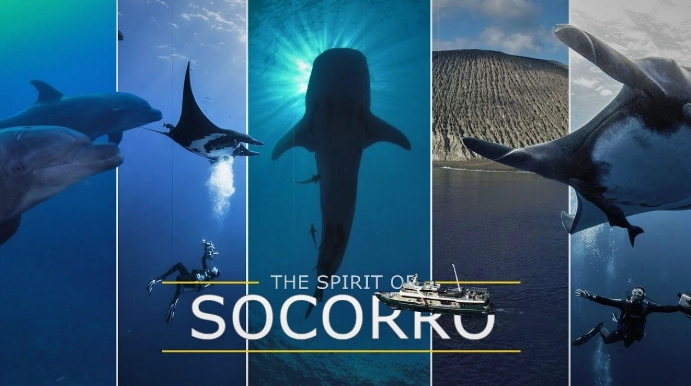
Let's Be Real About the Crossing: The Sea of Cortez meets the Pacific Ocean here. It can be smooth as glass, or it can be rough. Most boats are large and stable, but if you are severely prone to seasickness, this is your biggest challenge. Talk to your doctor about prescription options (scopolamine patches are popular). It's a hurdle, but one almost everyone gets over.
Choosing Your Liveaboard: It's Not Just a Boat
They all go to the same islands, right? Mostly. But the experience varies.
- Itinerary Flexibility: The best captains adjust sites based on weather and animal reports. A rigid itinerary is a downside.
- Dive Deck Logistics: How crowded is the camera table? Is there dedicated gear storage? This matters on 4-dive-a-day trips.
- Guide-to-Diver Ratio: Small groups in the water are safer and lead to better encounters. Ask about this.
- Food & Comfort: You're stuck with it for a week. Read recent reviews. The food on my trips has been shockingly good, a real morale booster.
Booking tip: Book early. Prime seasons sell out a year in advance. And seriously, get dive insurance that covers liveaboards and emergency evacuation. A service like DAN (Divers Alert Network) is what most pros use.
What's a Dive Day Really Like in Socorro?
Forget Caribbean resort diving schedules. This is expedition diving.
A typical day: Wake up around 6:30 AM. Briefing for the first dive by 7:00. In the water by 7:30. You'll do 3-4 dives a day, with the last one often being a sunset dive. Nights are for eating, chatting, reviewing photos, and sleeping hard. There's usually one or two days where you sail between islands, which is a welcome rest.
The diving itself is advanced-intermediate. It's not a deep wreck dive, but you need to be comfortable with:
- Currents: They can be strong and changeable. Good buoyancy control is non-negotiable. You'll often drift or hook in at a cleaning station.
- Surge: At sites like The Boiler, surge near the surface can be powerful. Stay down, stay calm.
- Blue Water: Visibility is often great (80-100ft+), but at a pinnacle like Roca Partida, you are diving in the open ocean. The bottom is thousands of feet below. It's a mental thing.
- Respectful Interaction: This isn't a petting zoo. The rules from the park and the crew are strict: no chasing, no touching, no feeding. This is why the animals are so friendly. Break the rules, and you ruin it for everyone.
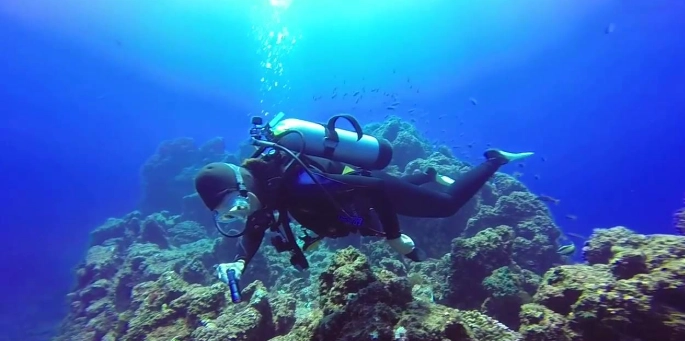
Your guide will brief you on each site's specific plan. Listen. They know the moods of these places.
Top Dive Sites You'll Probably Hit
San Benedicto Island:
- The Boiler: The legendary manta cleaning station. Often a hook-in dive in current. Mantas circle the rocky pinnacle getting cleaned. You watch, they approach. Magical.
- The Canyon: A dramatic lava formation. Great for sharks (hammerheads, Galapagos) and big schools of fish. More topography than the other sites.
Socorro Island:
- Cabot Pearce: A huge rock off the main island. Known for dolphin encounters and mantas. Often has milder currents.
- The Aquarium: Shallower site, tons of tropical fish, but also visited by the big guys. A nice, colorful contrast.
Roca Partida:
- It's just a rock. But it's the most intense Socorro Mexico diving experience. A sheer pinnacle rising from the abyss. Schools of hundreds of hammerheads circle in the blue. Sharks on every side. It's pure adrenaline and awe. Conditions must be perfect to dive here, so it's not always guaranteed.
Beyond the Diving: The Surface Interval Life
You're not diving 24/7. What's the boat life like? It's a mix of excitement and forced relaxation. You become fast friends with your fellow divers. The conversations are 90% about the dive you just did or the one coming up.
Most boats have sun decks, indoor lounges, and maybe a hot tub. Bring books, download movies, have your camera download/charging station sorted. The crew usually puts on some form of entertainment—a movie night, a presentation on the marine life. It's cozy.
The food, again, is a highlight. You'll be ravenous.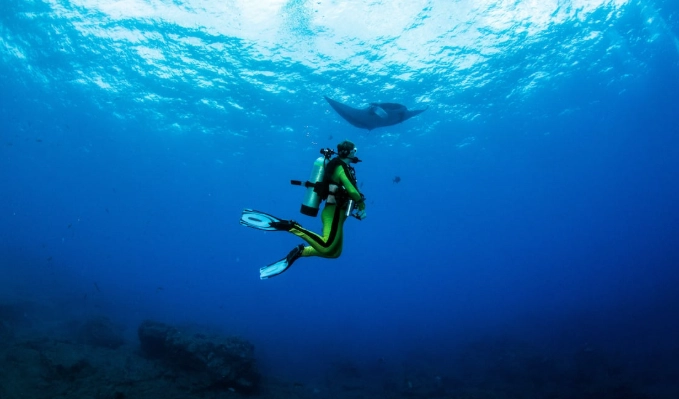
Gear Talk: What to Bring (and What Not To)
You can rent, but if you have your own, bring it. Familiarity is key in currents.
- Exposure Protection: A 5mm wetsuit is the minimum for most people. I wear a 7mm semi-dry in winter and a 5mm in summer. Hood is essential for warmth in winter/spring. Gloves are often not allowed to prevent touching.
- BCD & Regulator: You want reliable, well-serving gear. A DSMB (safety sausage) and reel are mandatory and you must know how to use them. The crew will check.
- Computer: Obvious, but make sure it's set for nitrox if you're using it (most divers do on liveaboards).
- Camera: Wide-angle is king. GoPros work, but a proper housing with a wide or fisheye lens is where you'll capture the scale. Less is more—managing a huge rig in current is tough.
- Seasickness Meds: I don't care if you "never get seasick." Bring them.
The Nitty-Gritty: Costs, Visas, and Logistics
Let's talk money. A 7-10 day Socorro liveaboard starts around $3,500 USD and can go well over $5,000. That includes all diving, food, and accommodation on the boat. It does not include:
- Flights to Cabo.
- Hotel night(s) in Cabo before/after (highly recommended).
- Park fees ($150-$220, paid in cash on board).
- Crew gratuity (typically 10-15% of the trip cost).
- Alcohol, rental gear, or nitrox fills if not included.
You need a valid passport. Tourist visas are issued on arrival for many nationalities (check with Mexican consulate). No special vaccinations are required for the islands themselves.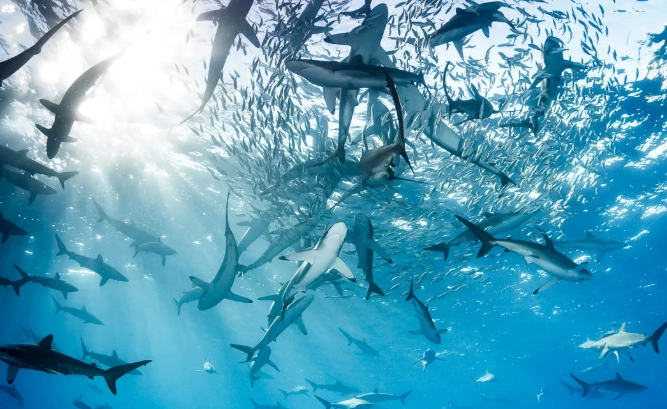
Common Questions (The Stuff You Actually Google)
Final, Unvarnished Thoughts
Socorro Mexico diving isn't for everyone. It's expensive, logistically involved, and physically demanding. If you want a relaxing, easy resort dive vacation, go to Cozumel. It's fantastic diving, but it's a different world.
Socorro is for when you're ready to be humbled. When you want to feel small in a vast, wild ocean. It's for the diver who stares into the blue and hopes something appears, not just looks at the reef in front of them.
The planning is part of the journey. Research the boats. Get in shape. Save the money. It's an investment in memories that don't fade. Years later, I can still close my eyes and see the silhouette of that first manta coming out of the sun rays. That's what you're going for.
So, is it worth it? For the right diver, absolutely. It resets your scale for what a dive can be. Just be honest with yourself about your skills, your tolerance for adventure (and some discomfort), and your budget. If it lines up, book it. You won't regret it.
See you out there in the blue.
Your comment