Your Quick Dive Guide
You typed that question into Google, didn't you? “Is diving good in Mexico?” Maybe you saw a stunning photo of a cenote or heard a friend rave about swimming with whale sharks. But now you're staring at a dozen different dive shop websites, all claiming to be the best, and you just want a straight answer from someone who's actually been there.
Well, here it is: asking if diving is good in Mexico is like asking if pizza is good in Italy. It's not just good; it's foundational. It's world-class. But (and there's always a but) it completely depends on where you go, what you want to see, and when you decide to go. I've made the mistake of going to the right place at the wrong time, and let me tell you, it's a bummer.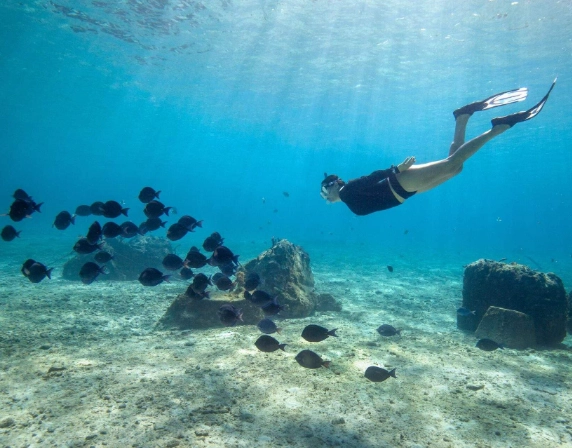
Mexico isn't a single dive destination. It's a sprawling, diverse continent of underwater experiences packed into one country. Getting it right means matching your dive dreams to the right coastline.
My first dive trip to Mexico was a bit of a letdown, honestly. I went to Cancun because the flight was cheap, expecting non-stop reef action. What I found was okay reefs crowded with beginners (no shame in that, but it wasn't what I wanted). I felt like I'd missed the point. It wasn't until I ventured to Cozumel on a local's recommendation that I understood the hype. The current swept me along a wall absolutely plastered in sponges and black coral, with eagle rays cruising by like underwater stealth bombers. That's when I got it.
So, let's break this down without the fluff. No marketing speak, just the gritty, useful details you need to decide if this is the trip for you.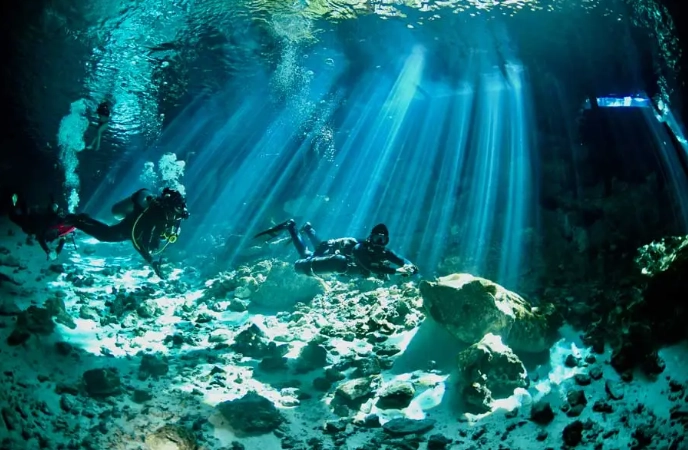
Why Everyone Asks "Is Diving Good in Mexico?" (Spoiler: The Reasons Are Legit)
The short answer is a resounding yes, and the long answer is a list of specific, incredible things you simply can't find many other places on Earth, all within a few hours' flight for most North Americans.
The Unbeatable Trifecta: No other country offers such easy access to three radically different underwater worlds: the Caribbean's Mesoamerican Barrier Reef (the second-largest on the planet), the unique cenotes (freshwater sinkholes) of the Yucatán, and the wild, pelagic-rich waters of the Pacific and Sea of Cortez. It's this variety that makes the answer to "Is diving good in Mexico?" so emphatically positive.
Think about it. In one two-week trip (though I'd recommend focusing on one coast), you could theoretically explore ancient underwater caverns, drift over technicolor reefs, and then hop over to watch humpback whales breach. The logistics would be hectic, but the possibility is there.
The marine life is ridiculous. We're talking about resident populations of massive creatures. On the Pacific side, in places like Socorro Island (a liveaboard destination), you're almost guaranteed encounters with friendly giant manta rays that seem curious about you. Not little mantas—ones with wingspans wider than your car. In the Sea of Cortez, often called "the world's aquarium" by none other than Jacques Cousteau, you find everything from sea lions to whale sharks to, occasionally, orcas.
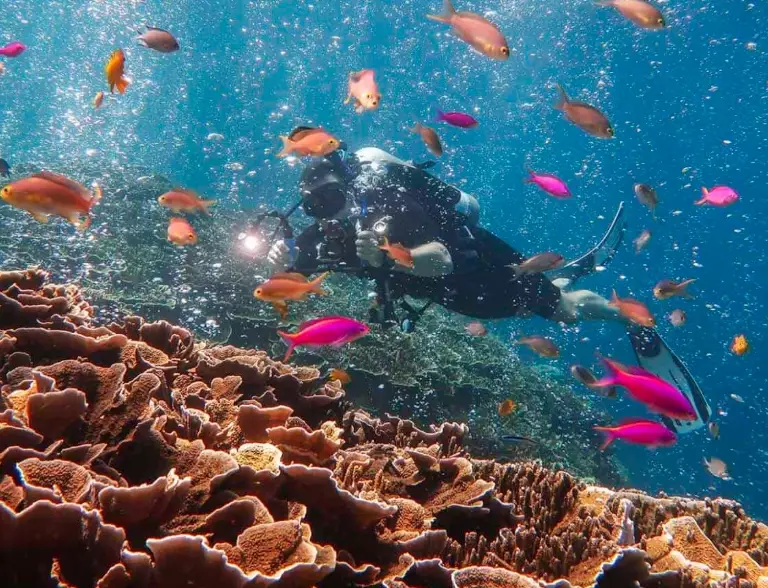
And then there's the Caribbean side. The reefs of Cozumel, Puerto Morelos, and Banco Chinchorro are famously healthy and resilient compared to many other parts of the Caribbean. The current can be strong, sure, but that's what brings the nutrients and the big schools of fish. You don't go to Cozumel for a lazy pond dive; you go for a thrilling underwater flight.
Picking Your Coast: Caribbean Majesty vs. Pacific Wildness
This is your first and biggest decision. The two coasts are as different as mountains and beaches.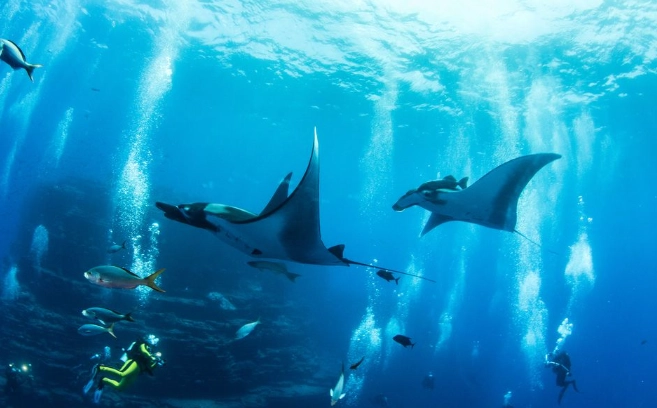
The Caribbean Side (Quintana Roo, Cozumel)
This is where most people start when they ask about diving in Mexico. It's accessible, the water is warm and clear year-round, and it's where you find the famous reefs and cenotes.
Cozumel: The queen of Caribbean diving. It's all about drift diving along dramatic walls like Palancar and Santa Rosa. The coral formations are monumental—swim-throughs, canyons, overhangs covered in orange elephant ear sponges and purple sea fans. Visibility is often 100 feet plus. It's beginner-friendly in the sense that dive ops are expert at handling the current, but the diving itself is best suited for those with a few dives under their belt. I found the town of San Miguel to be very dive-centric, which is nice. You're surrounded by people who get it.
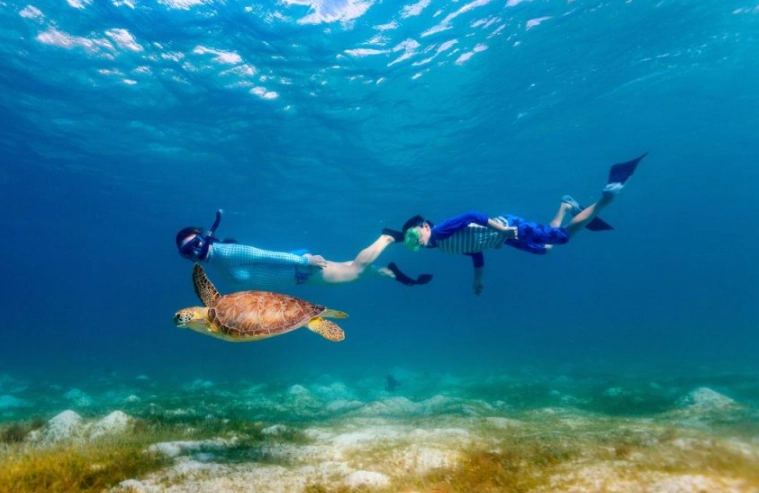
The Riviera Maya Mainland (Puerto Morelos, Akumal, Tulum): The reefs here are closer to shore, generally shallower and calmer than Cozumel. This is where you go for turtle encounters (Akumal literally means "Place of the Turtles"), nurse sharks, and stunning coral gardens. It's also the gateway to the cenotes. The downside? These reefs can get more pressure from snorkelers and resort traffic. I've seen some areas look a bit tired, but others, especially further south towards the Sian Ka'an Biosphere, are pristine.
The Pacific & Sea of Cortez Side (Baja California, Cabo, Revillagigedo)
Wilder, cooler (in both temperature and vibe), and for many, more thrilling. Water temps can require a 5mm or even 7mm wetsuit. Visibility is variable—it can be crystal clear or a bit green with plankton, but that plankton is what brings the big guys.
Cabo San Lucas & Los Cabos: Known for sand falls at Cabo Pulmo (the only coral reef in the Sea of Cortez, a protected national park), playful sea lion colonies, and from December to April, the chance to dive with whale sharks. It's less about intricate reefs and more about animal encounters. Cabo itself can feel touristy, but the diving is a world apart.
Socorro Islands (Revillagigedo Archipelago): This is bucket-list, liveaboard-only territory. It's a 24-hour boat ride from Cabo, but you go for the "Big Animal" diving. We're talking hundreds of sharks (hammerheads, silvertips, Galapagos), those gigantic mantas, dolphins, and humpback whales. It's not cheap, and it's not for beginners, but it answers "Is diving good in Mexico?" with a jaw-dropping, resounding YES for advanced divers. The Mexican government's Comisión Nacional de Áreas Naturales Protegidas (CONANP) manages this UNESCO World Heritage site, and regulations are strict to protect it, as they should be.
Here’s a quick cheat sheet to help you visualize the choice:
| Destination | Best For | Water Temp | Vibe & Skill Level | Star Attraction |
|---|---|---|---|---|
| Cozumel | Drift diving, walls, colorful sponges | 78-84°F (26-29°C) | Relaxed island, Novice+ (with guide) | Palancar Reef, Eagle Rays |
| Riviera Maya Cenotes | Cavern diving, surreal light beams, geology | 75°F (24°C) fresh | Unique/Adventurous, Cavern cert needed for some | The Pit, Dos Ojos |
| Cabo Pulmo | Fish storms, sea lions, conservation success | 70-80°F (21-27°C) | Rustic/Eco, All levels | Schooling Jacks, Sand Falls |
| Socorro Islands | Big animal pelagic action | 70-80°F (21-27°C) | Expedition/Advanced, Advanced+ only | Giant Mantas, Hammerhead Sharks |
The Crown Jewel: Diving the Yucatán Cenotes
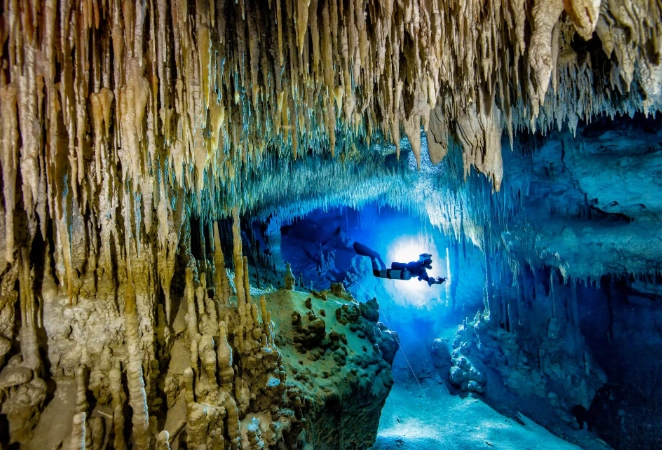
This is the thing Mexico has that almost nowhere else does. Cenotes are freshwater sinkholes formed when limestone bedrock collapses, revealing hidden groundwater pools and caves. Diving them is nothing like ocean diving. It's silent, weightless, and feels like exploring another planet.
Cenote diving is a masterclass in buoyancy. You're floating in crystal-clear freshwater, navigating between stalactites and stalagmites, watching sunlight shafts cut through the darkness like lasers. It's spiritual, for lack of a less cheesy word.
There are two main types: Open Cenotes (like Gran Cenote or Casa Cenote) which are great for snorkelers and beginner divers, with lots of light and life like little fish and turtles. Then there are the Cavern Zones of cenotes like Dos Ojos or The Pit. This is where you follow a permanent guideline within the natural light zone—you can always see the entrance. You don't need full cave certification for this, but you DO need a special Cavern Diver specialty or to be with a guide who holds it. Don't mess around here; these are serious environments.
My dive in "The Pit" was humbling. You descend into a deep, clear bowl, then swim over a hydrogen sulfate cloud that looks like swirling fog. Below it, the water is perfectly clear again, revealing ancient fallen tree trunks and rock formations. It feels prehistoric.
Is cenote diving good in Mexico? It's not just good; it's unique and essential. But be warned: it's cold (around 75°F/24°C), you need perfect buoyancy to avoid kicking up silt, and it's not about wildlife. It's a geological and personal experience.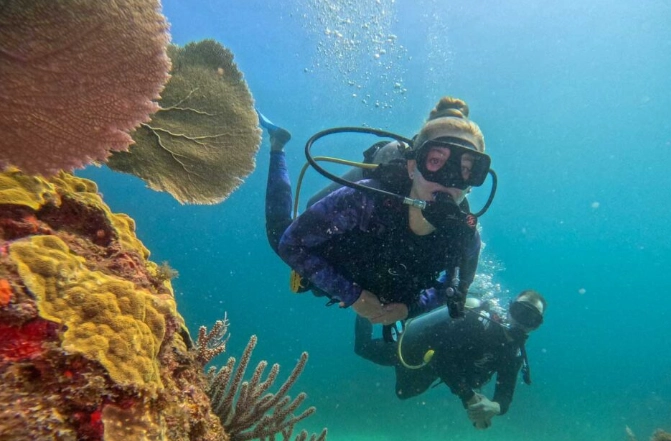
When To Go: Timing is Everything
This is where people trip up. Mexico is big, and the seasons matter.
Heads up on seaweed: From about May to October, the Caribbean coast can experience large arrivals of sargassum seaweed on its beaches. This is a major ecological issue. It does not affect offshore diving—the reefs are fine. But it can make beach entries messy and smell on the shore. Resorts work hard to clean it, but it's something to be aware of if you dream of pristine white sand between dives. The Pacific side does not have this issue.
Caribbean (Cozumel, Riviera Maya): Year-round diving. Peak season is December to April (dry, sunny, busy, expensive). Summer and fall are warmer, water is calmer, but there's a higher chance of rain and it's hurricane season (though direct hits are rare). This is also when you're most likely to see whale sharks near Isla Holbox and Isla Mujeres (June-Sept).
Pacific (Cabo, Sea of Cortez): The water is cooler and can be choppier in winter (Dec-Apr), but that's prime time for whale watching (humpbacks and grays) and whale shark encounters in La Paz. Water is warmest and calmest in late summer/fall, but it can be humid. Socorro liveaboard season typically runs from November to May when the seas are most cooperative.
My take? I love the "shoulder" seasons. Late April/May or October/November. Fewer crowds, better prices, and the water is still great.
Answering Your Real Questions (The FAQ You Actually Need)
Let's cut to the chase on the stuff you're secretly wondering.
Do I need to be an advanced diver?
Not at all. There are phenomenal dive sites for beginners and discover scuba divers everywhere. The reef dives off Puerto Morelos or Cozumel's shallower sites are perfect. However, for the heavy drift dives in Cozumel, the deep walls, the cenote caverns, or the big animal trips like Socorro, you'll need more experience and sometimes specific certifications. Good dive shops will always match you to appropriate sites.
Is it safe?
This is a big one. Diving, anywhere, has inherent risks. In Mexico, you must choose your operator carefully. Look for shops that are PADI 5-Star or SSI recognized, have well-maintained equipment, and brief you thoroughly. Ask about their guide-to-diver ratio. I've seen some sketchy, crowded boats. Don't be the cheapest person on the boat. Your safety is worth the extra $20. Also, check reviews not just on TripAdvisor but on dive-specific forums. The diving itself, in terms of marine life, is very safe—no more dangerous than the Caribbean generally.
How much does it cost?
It's generally cheaper than the Caymans or Hawaii, more on par with places like Roatan. A two-tank boat dive can range from $80-$120 USD. Cenote dives are often a bit more ($100-$150) due to guide specialization. Liveaboards are a big investment ($2,500-$5,000+). Tips are expected (usually $5-$10 per tank per guide).
Can I just snorkel?
Absolutely! And in many places, you should. The reefs in places like Akumal, Cozumel's shallows, or Cabo Pulmo are breathtaking from the surface. Whale shark encounters are often snorkeling-based. Snorkeling in a cenote is also a fantastic, accessible experience.
Making It Happen: Practical Tips From Someone Who's Messed Up
Book your diving in advance, especially in peak season. The best shops fill up. But maybe book just a day or two at first, in case you don't like the operation.
Bring your certification card (C-card). A digital photo on your phone is usually okay, but a physical card is best.
Dive insurance is non-negotiable. DAN (Divers Alert Network) or similar. Medical evacuation from an island is astronomically expensive without it.
Respect the environment. Don't touch anything. Wear reef-safe sunscreen (mineral-based). The health of these ecosystems is why we're all here. Support operators who are involved in conservation. Many good ones are, like those contributing to the Healthy Reefs Initiative.
Finally, manage your expectations. Not every dive is a National Geographic special. Sometimes the viz is so-so, the current is tiring, or the wildlife is shy. But that's diving. The overall experience of diving in Mexico—the combination of culture, food, topside adventure, and underwater beauty—is what makes it truly exceptional.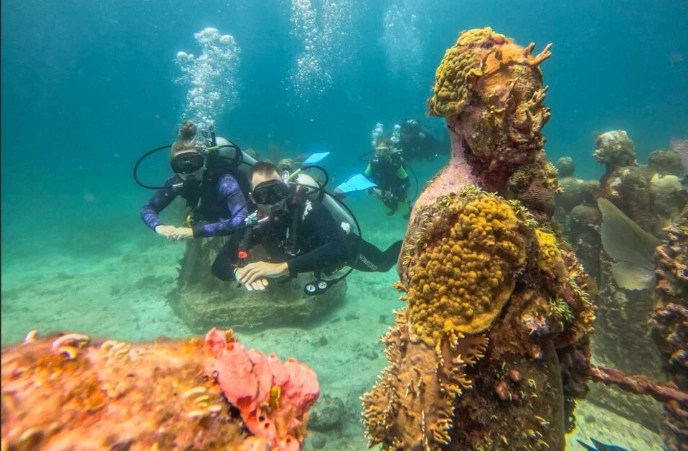
So, is diving good in Mexico? After all this, I think you know my answer. It’s a world-class destination that offers something for every level of diver, from your first breath underwater to your most advanced expedition. The key is doing a little homework to point yourself in the right direction. Get that right, and you’re in for an unforgettable adventure.
Now, go look at flights. And maybe practice your buoyancy in a pool.
Comments