You've just finished an incredible week of diving in the Maldives or the Great Barrier Reef. The boat is heading back to shore, your logbook is full, and your flight home leaves in 12 hours. The temptation to pack quickly and head straight to the airport is huge, especially if you're on a tight schedule. But here's the hard truth I've learned from over a decade of organizing dive trips and seeing things go wrong: ignoring the scuba diving rules for flying is the single most dangerous decision a recreational diver can make. It's not a suggestion. It's a critical safety protocol designed to keep you out of the hospital—or worse.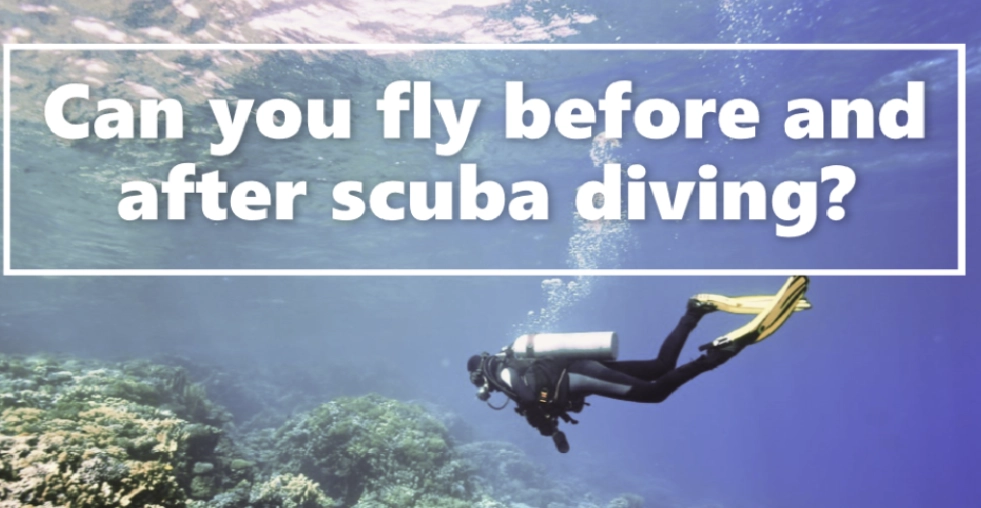
The core rule is simple: you must wait a minimum period after your last dive before you board an airplane or travel to high altitude. This waiting period allows excess nitrogen, absorbed by your tissues during the dive, to safely leave your body. Flying too soon drastically reduces atmospheric pressure, turning that dissolved nitrogen into bubbles—the cause of decompression sickness (DCS), or "the bends."
Your Quick Dive-to-Flight Safety Checklist
The Science Behind the Wait: It's All About Bubbles
Let's ditch the complex jargon. When you scuba dive, you breathe compressed air (mostly nitrogen). Under pressure, this nitrogen dissolves into your bloodstream and tissues, like carbon dioxide fizzing in a soda bottle. As you ascend safely and slowly, you give that nitrogen time to come out of solution gradually and be exhaled.
Flying is like popping the cap off that soda bottle violently.
Cabin pressure in a commercial airplane is equivalent to an altitude of 6,000 to 8,000 feet. This sudden drop in ambient pressure compared to sea level can cause the remaining dissolved nitrogen in your body to form bubbles rapidly. These bubbles can lodge in your joints, spinal cord, brain, or lungs, causing decompression sickness. Symptoms range from joint pain and rashes to paralysis, neurological damage, and death. The Divers Alert Network (DAN), a leading diving safety organization, consistently reports DCS cases related to improper pre-flight surface intervals.
Standard Waiting Times: A Simple Breakdown
Most training agencies like PADI and SSI teach a conservative guideline. But I find divers often get confused about the specifics. It's not one-size-fits-all; it depends entirely on your diving profile.
| Type of Diving | Recommended Minimum Pre-Flight Surface Interval | Key Considerations & Expert Tip |
|---|---|---|
| Single No-Decompression Dive | 12 hours | This is the absolute bare minimum. Many experts, myself included, recommend pushing this to 18 hours for an extra safety buffer, especially after a dive that was deep, cold, or strenuous. |
| Multiple Dives Per Day (or Multiple Days of Diving) | 18 hours | This is the standard, go-to rule. Your body accumulates a higher nitrogen load over repetitive dives. Stick to 18 hours religiously. Don't try to squeeze in a "quick" morning dive before an afternoon flight. |
| Any Dive Requiring a Decompression Stop | At least 24 hours | If your computer or tables indicated a mandatory decompression stop, you've significantly pushed the limits. A 24-hour minimum is crucial, and consulting a dive medicine professional before flying is wise. |
A subtle point most blogs miss: this rule applies to any gain in altitude. Driving over a high mountain pass after diving poses the same risk as flying. I knew a diver in Colorado who got mild DCS symptoms after diving in a lake and then driving home through the Rockies the same day. He didn't fly, but the altitude change was enough.
What About "Fly-Dive" or "Dive-Fly" Intervals?
Flying before diving is generally considered lower risk, but it's not irrelevant. Long-haul flights can leave you dehydrated and fatigued, which are risk factors for DCS. A good practice is to arrive at your destination and give yourself a full night's sleep on land before your first dive. This lets you rehydrate, rest, and start your dive vacation fresh and safe.
How to Plan Your Dive Trip Around Flights
This is where the rubber meets the road. You need to bake these rules into your travel itinerary from the start. Here’s how I plan every single one of my trips:
Book Your Flights First, Then Your Dives. Look at your departure flight time. Count backwards 18 hours (or 24 if you plan on doing more advanced diving). That is the absolute latest you can surface from your last dive. For example, if your flight is at 3 PM on Saturday, your last dive must end by 9 PM on Friday (18 hours prior).
Create a Buffer Day. My golden rule is to schedule a full, non-diving day before my flight. This achieves the 18+ hour surface interval effortlessly and without stress. Use this day for land-based tourism, relaxing by the pool, shopping, or editing your underwater photos. It becomes a welcome part of the holiday, not a punishment.
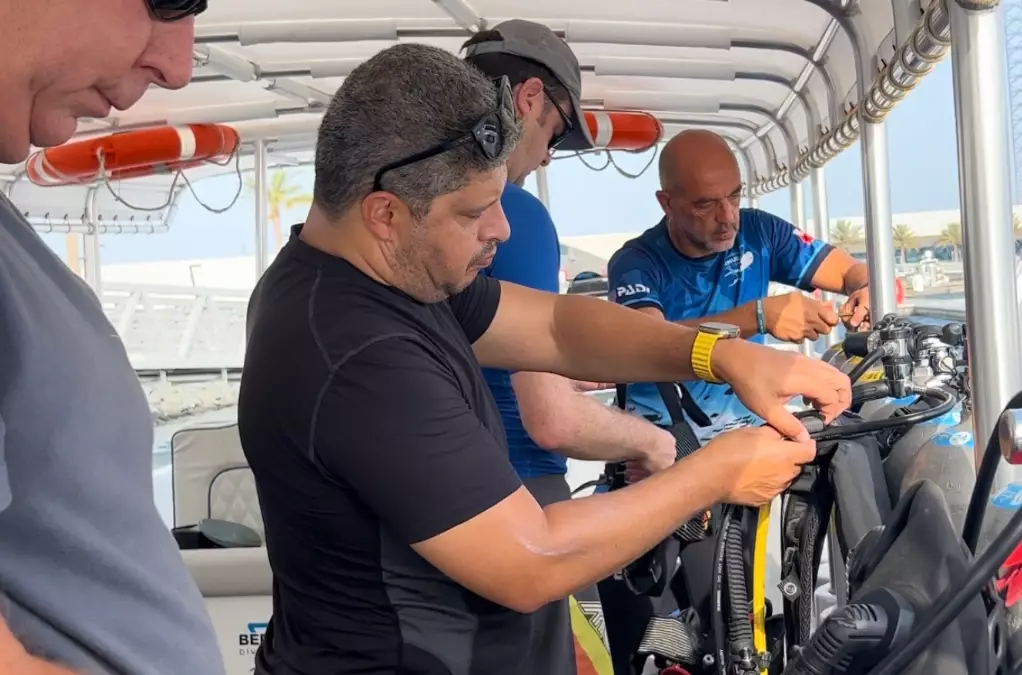
Communicate with Your Dive Operator. When you book your dive package, tell them your flight schedule. A reputable operator will help you plan your dive days accordingly and won't pressure you into a dive that violates safety guidelines.
The 3 Most Common (and Dangerous) Mistakes Divers Make
After years in the industry, I see the same errors repeated.
1. Relying Solely on a Dive Computer's "Fly Mode." Many computers have an algorithm that calculates a safe flying time. Divers think, "My computer says I'm okay at 10 hours, so I'll go." This is a massive gamble. These algorithms are based on theoretical models for an average person. They don't account for your personal physiology, hydration, fatigue, or how hard you kicked against the current. The 18-hour guideline is a conservative, real-world safety net that covers these variables. Your computer is a tool, not an oracle.
2. Assuming Shallow Dives Are Exempt. "It was just a 30-minute dive in 10 meters of water, how much nitrogen could I have absorbed?" More than you think. While the risk is lower, nitrogen absorption happens at any depth. A series of shallow dives over a week can still result in a significant nitrogen load. The rules still apply.
3. Ignoring the Symptoms Because They're "Mild." You board the plane, and an hour in, your shoulder starts to ache. You think it's from carrying your gear bag. This is how many DCS cases present. Joint pain is the most common symptom. If you feel any unusual pain, tingling, or fatigue during or after a flight following diving, you must assume it's DCS until proven otherwise. Tell the flight crew immediately. They can request priority landing and medical assistance. Upon landing, go straight to the nearest emergency room and tell them you were scuba diving. Time is critical for effective treatment in a hyperbaric chamber.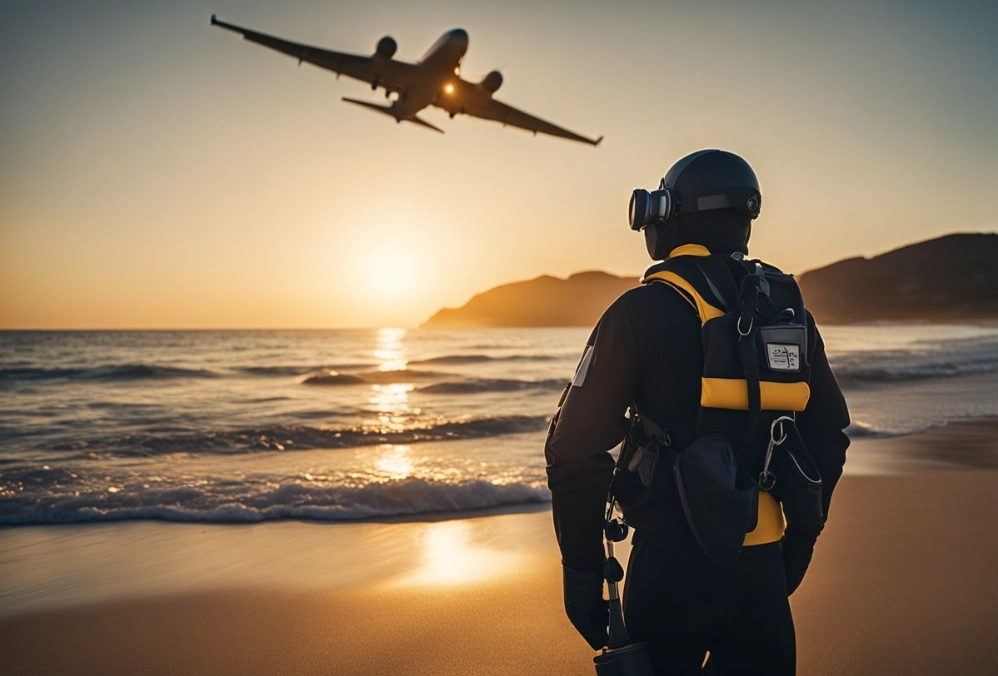
Your Burning Questions, Answered by a Pro
 What if I'm flying on a small private plane or helicopter tour after diving?
The rules are straightforward. The planning is simple. The consequence of ignoring them is severe. By building the 18-hour pre-flight surface interval into the DNA of your dive trip planning, you're not just following a rule—you're guaranteeing that the incredible memories you make underwater don't come with a hidden, dangerous price tag. Now go plan that amazing dive adventure, and come home safely.



Comments